How Do Pre-Terminated Fiber Solutions Future-Proof Data Center Upgrades?

Bandwidth demand keeps rising. My racks fill up faster than my crew can pull and terminate new links. Traditional methods slow projects and add risk. I need predictable speed and clean results. Pre-terminated fiber gives me both.
Pre-terminated assemblies arrive cut to length, labeled, and factory-tested. I skip on-site termination and polishing. I plug in, test once, and move to the next row. This cuts install time by 40–80% and lowers rework. Day-one performance is consistent, so hand-over goes smoothly.
On a recent U.S. build, my client—very much like Ryan—had a weekend window to expand a pod. We used pre-terminated MPO trunks and labeled harnesses. The team finished in one shift per row. Commissioning passed the first time. That job set my new standard.
What Are Pre-Terminated Fiber Optic Solutions?
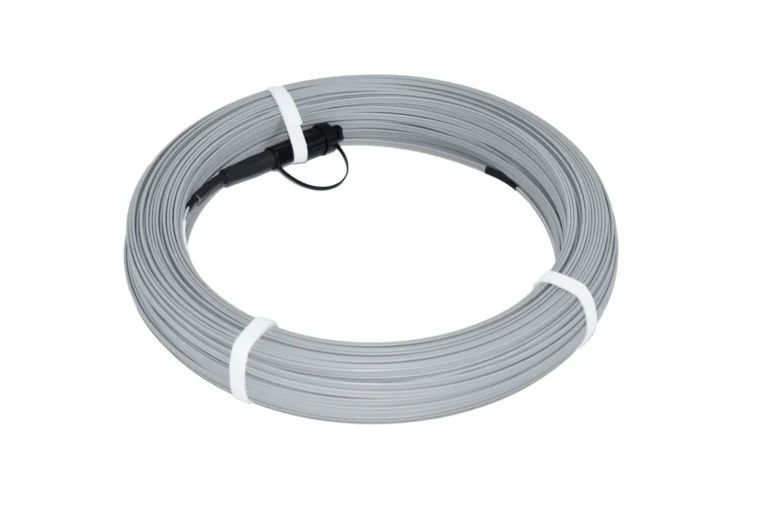
Pre-terminated solutions are cables and modules built to my drawings in a factory. Connectors are machine-polished, inspected, and tested. The reel ships with pulling eyes, dust caps, labels, and a test report.
They are not one product. They are a kit of building blocks that I mix to match my topology, density, and growth plan.
Pre-terminated fiber assemblies are cut-to-length cables with factory-installed connectors (LC, SC, MTP/MPO). They arrive with insertion-loss and return-loss results, ready for plug-and-play installation.
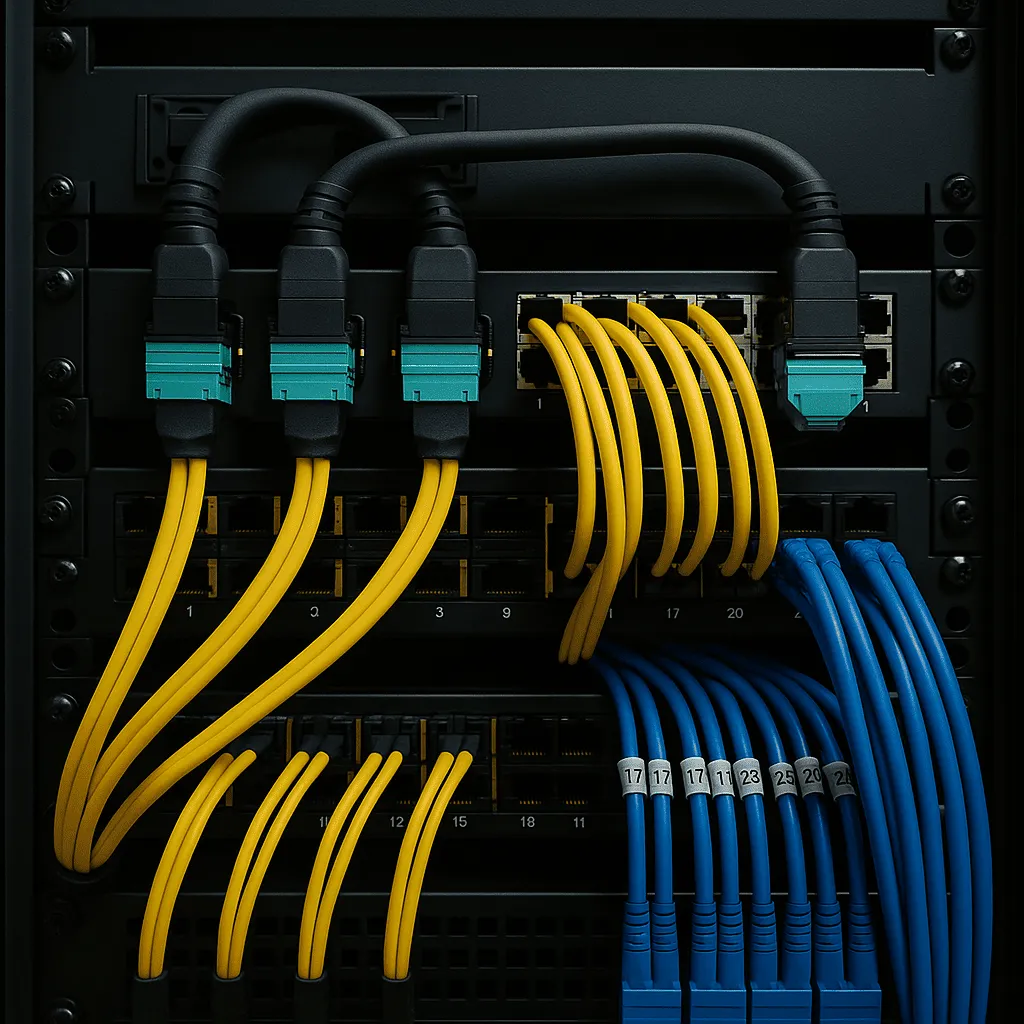
Forms and Where I Use Them
| Form Factor | What It Does | Typical Application |
|---|---|---|
| MTP/MPO Trunk Cable | High-count backbone in one sheath | Spine↔Leaf, row-to-row, pod backbone |
| MTP/MPO Cassette | Breaks MTP/MPO into LC/SC front ports | TOR/EOR patching, mixed device optics |
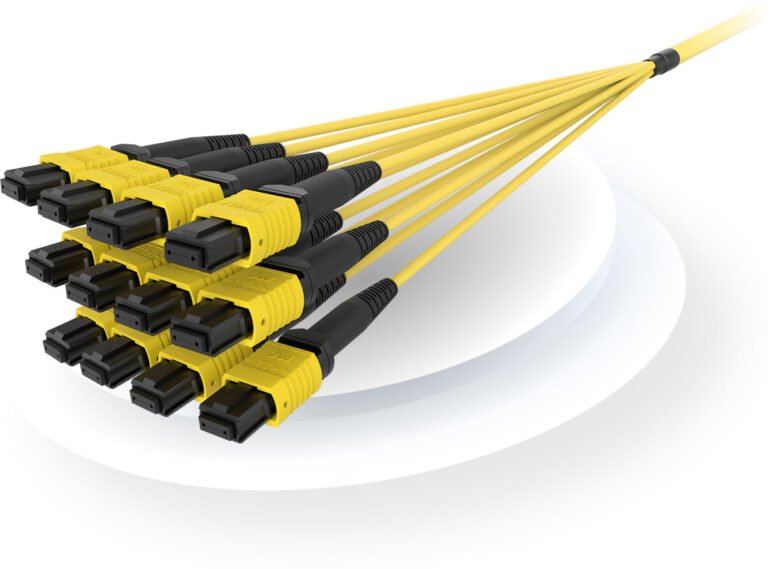
| MTP/MPO Breakout/Harness | MTP/MPO on one end to 4/8/12× LC on the other | Leaf to servers, collapsed core upgrades |
| Pre-Terminated Patch Panel | Ships populated and labeled | Rapid cross-connect build-outs |
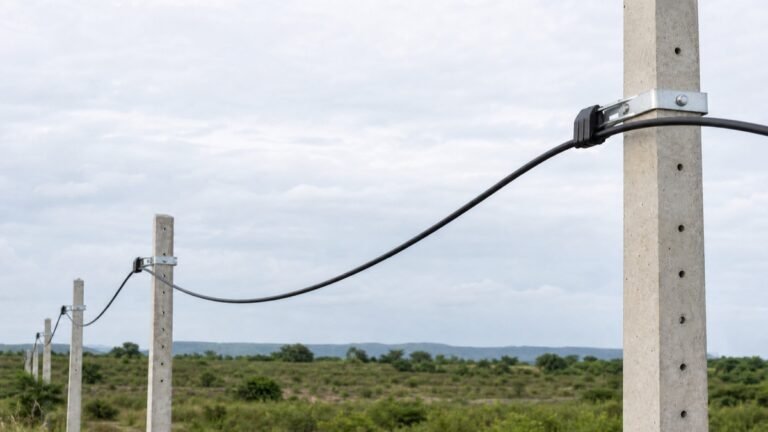
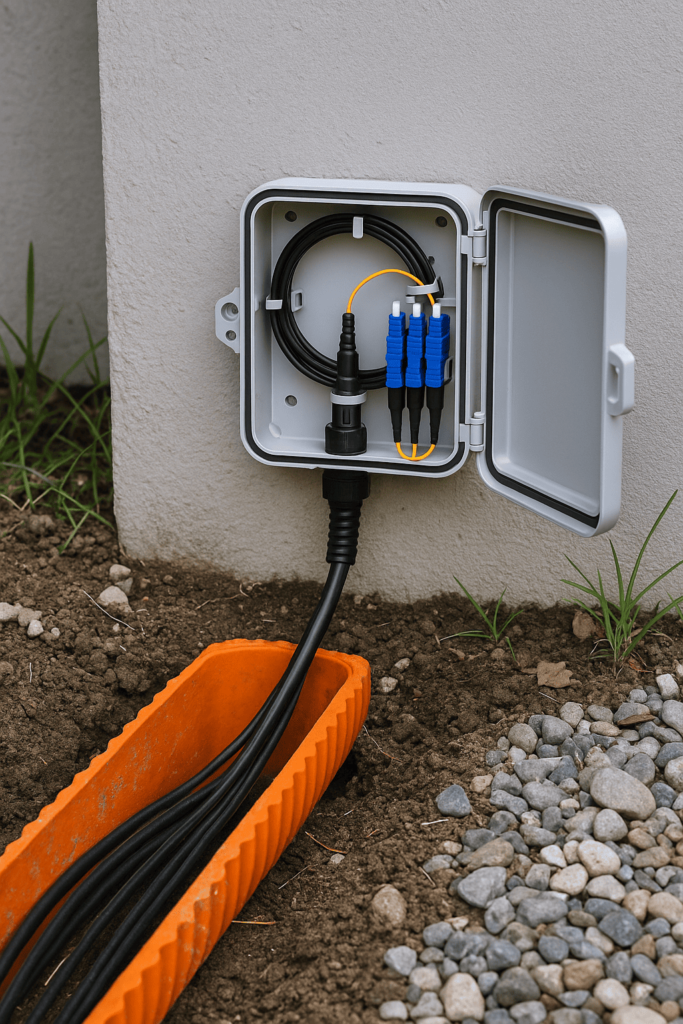
| Outdoor-rated Pre-Term | Sealed boots, UV/PE jacket | Inter-building runs, rooftop links |
Why Factory Beats Field (for me)
| Step in the Chain | Field Site Reality | Factory Reality |
|---|---|---|
| End-face quality | Dust, wind, rushed scopes | IEC-guided inspection and pass/fail criteria |
| Ferrule geometry | Manual, variable | Measured to spec with automated fixtures |
| IL/RL testing | Spot checks under time pressure | 100% port-by-port with stored records |
| Labeling & docs | Hand labels and spreadsheets | Printed labels + CSV for CMDB import |
What Are the Key Advantages in a Data Center?
Modern builds need speed and repeatability. Pre-terminated links reduce steps. Fewer steps mean fewer chances to miss a detail.
The gains I see most: faster deployment (often 50%+), lower labor and scrap, predictable optical performance from cleanroom testing, and simple scaling to 100G/200G/400G/800G with fewer changes to the backbone.
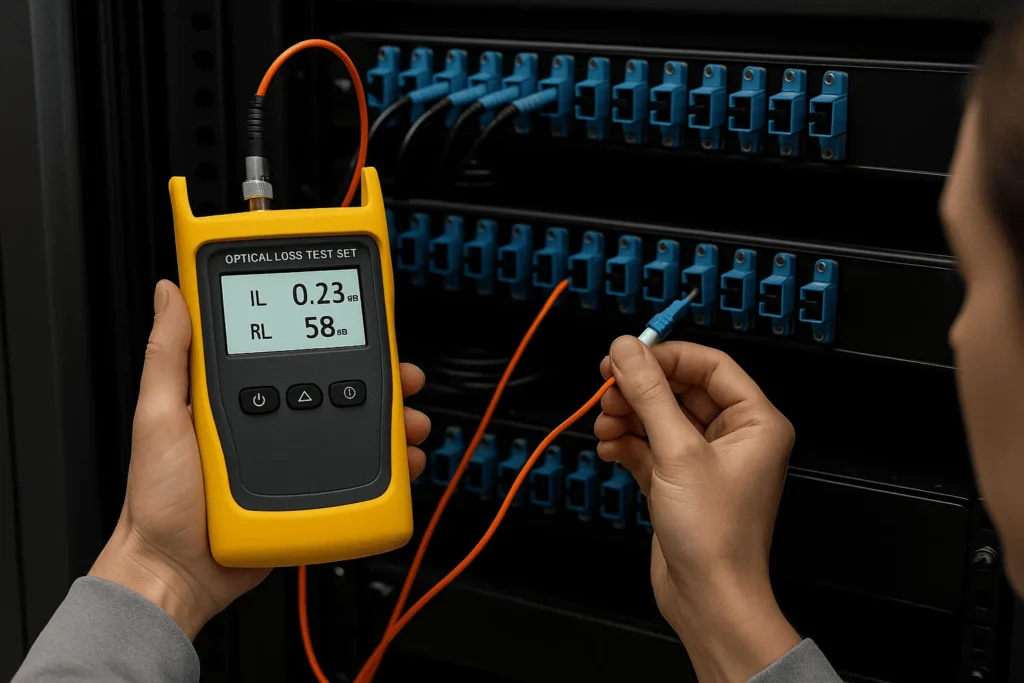
A Closer Look at the Benefits
Rapid Deployment and Less Downtime
- I do not strip, cleave, or polish on site. I pull, dress, and plug.
- Typical sector/row time drops from days to hours. Night windows become realistic.
Consistent, Guaranteed Performance
- Every leg ships with IL/RL results. I add the CSV to my CMDB.
- Clean end-faces and defined geometry cut first-pass failures.
Lower Total Cost of Ownership (TCO)
- Fewer specialists on site. Less rental test gear and consumables.
- Less rework and fewer return visits.
Easy Scalability
- I swap cassettes or optics, not the whole backbone.
- My plant stays tidy, so MACs stay fast.
Quick Numbers I Use (Illustrative)
| Item | Field Termination | Pre-Terminated |
|---|---|---|
| Hours per 100 links (excl. pulling) | 55–75 h | 2–3 h |
| First-pass success | 70–80% | 95–98% |
| Rework probability | 20–30% | 3–5% |
How Do Pre-Terminated Builds Support 100G/200G/400G/800G?
Speed jumps are all about lanes and connectors. I match optics to trunk design, polarity, and cassette type. I avoid forklift swaps by planning for the next step today.
Optics, Lanes, and Connectors
| Speed | Common Optic | Lanes | Fiber/Reach (typical) | Connector on Panel | Notes |
|---|---|---|---|---|---|
| 100G | SR4/DR/FR | ×4 | MM 100m / SM 500m–2km | MTP-12 or LC | SR4 uses MTP; DR/FR often LC |
| 200G | FR4/SR4/DR4 | ×4 | SM 2km / MM 100m / SM 500m | LC or MTP-12 | DR4/MTP is common backbones |
| 400G | DR4/FR4/SR8 | ×4/×8 | SM 500m–2km / MM 100m | MTP-12/16 or LC | DR4 often MTP-12/16 |
| 800G | DR8/2×FR4 | ×8/×4 | SM 500m–2km | MTP-16 or dual LC | DR8 needs MTP-16 path |
What Should I Lock in on the PO?
Clear specs avoid emails, delays, and change orders. I write what I expect, and I require the data that proves it.
PO Checklist
Cable and Connector
- Fiber type OS2 / OM4 / OM5, bend-insensitive where tight trays exist
- Jacket LSZH indoors; PE for inter-building/outdoor routes
- Connectors LC/SC or MTP/MPO (8/12/16/24F); ferrule grade stated
- Polarity Type A/B/C; keying and pinning for MTP noted
Labeling and Traceability
| Label Field | Purpose |
|---|---|
| From/To Port IDs | Error-free patching |
| Serial/QR | Warranty and inventory |
| Length + Fiber | Capacity planning |
| Batch/Reel ID | Test data trace-back |
Factory Docs I Require
- IL/RL results per leg (PDF + CSV) for CMDB
- End-face images (sample per batch) per IEC inspection
- Material compliance: RoHS/REACH; building: CPR/UL if needed
- Delivery map that matches my rack/row naming
What Is a Clean Installation and Test Plan?
I use one repeatable playbook. The crew learns it once, and we deploy it on every row.
My 10-Step Turn-Up
- Verify drawings and polarity maps
- Stage reels by row; match labels to ports
- Fit mesh pulling eyes; keep caps on until mating
- Respect bend radius ≥ 20× OD while pulling; ≥ 10× at rest
- Land trunks and cassettes; dress patch cords
- Clean and inspect all end-faces before mating (IEC pass/fail)
- OLTS every link; OTDR outliers; log results
- Export CSV to CMDB; attach panel photos to the ticket
- Sign off with IL/RL summary and as-built diagrams
- File warranty and batch data with change-control notes
Conclusion
Pre-terminated fiber turns a risky phase into a predictable step. Factory-built links with clean end-faces, proven IL/RL, and clear labels let my team pull, plug, test, and move on. I scale from 10G to 400G and beyond by swapping cassettes and optics, not ripping out trunks. If your schedule is tight and reliability matters, build the next row with pre-terminated trunks, cassettes, and harnesses from AIMIFIBER.
Summary
I defined pre-terminated fiber and mapped the main building blocks. I explained the time savings, optical consistency, and TCO gains. I showed 100G/200G/400G/800G paths, gave simple loss budgets, a PO checklist, and a 10-step install plan. Use this to deploy faster, reduce rework, and keep your data center ready for the next speed step.