The splice sleeve is the cheapest part in a fusion splice — and the one that decides whether the splice survives. Here is how to pick the right type, size and quality for single-fiber, ribbon and FTTH work.
What it isSleeve typesLength 40/45/60mmSingle vs double needleSleeve vs box vs ceramicQuality checklistFAQ
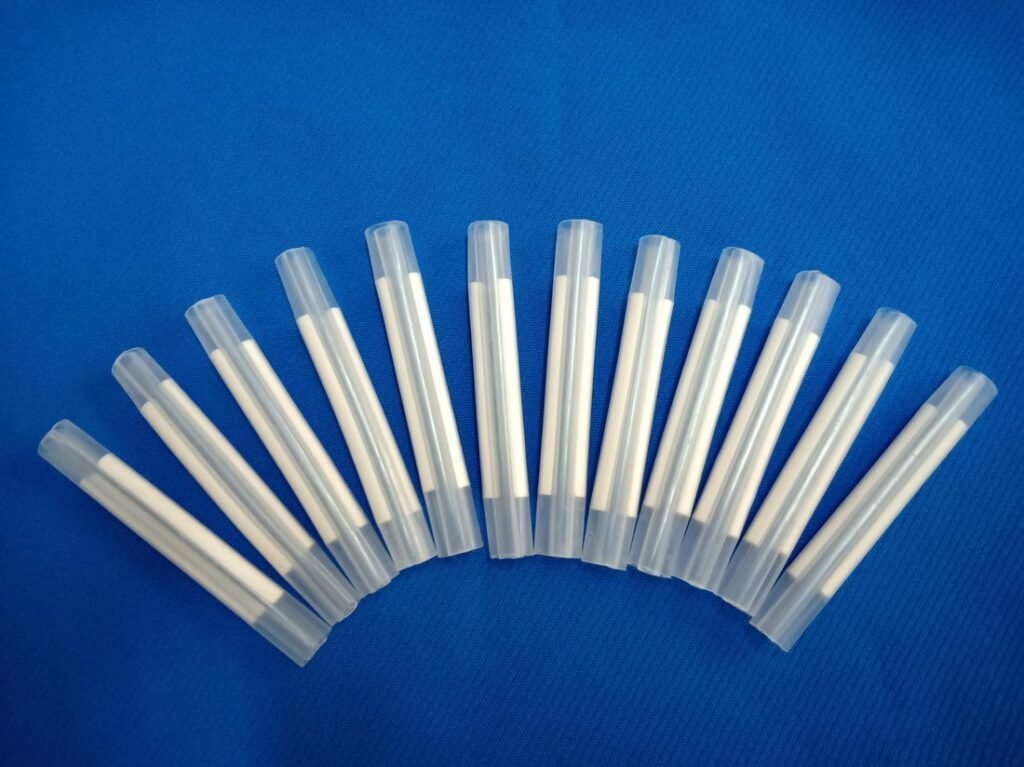
A fiber optic splice protection sleeve is a heat-shrink tube that seals and reinforces a fusion splice. Get the type or size wrong and you get fiber breakage, water ingress, or splices that fail months later. This guide covers everything you need to spec and buy them correctly.
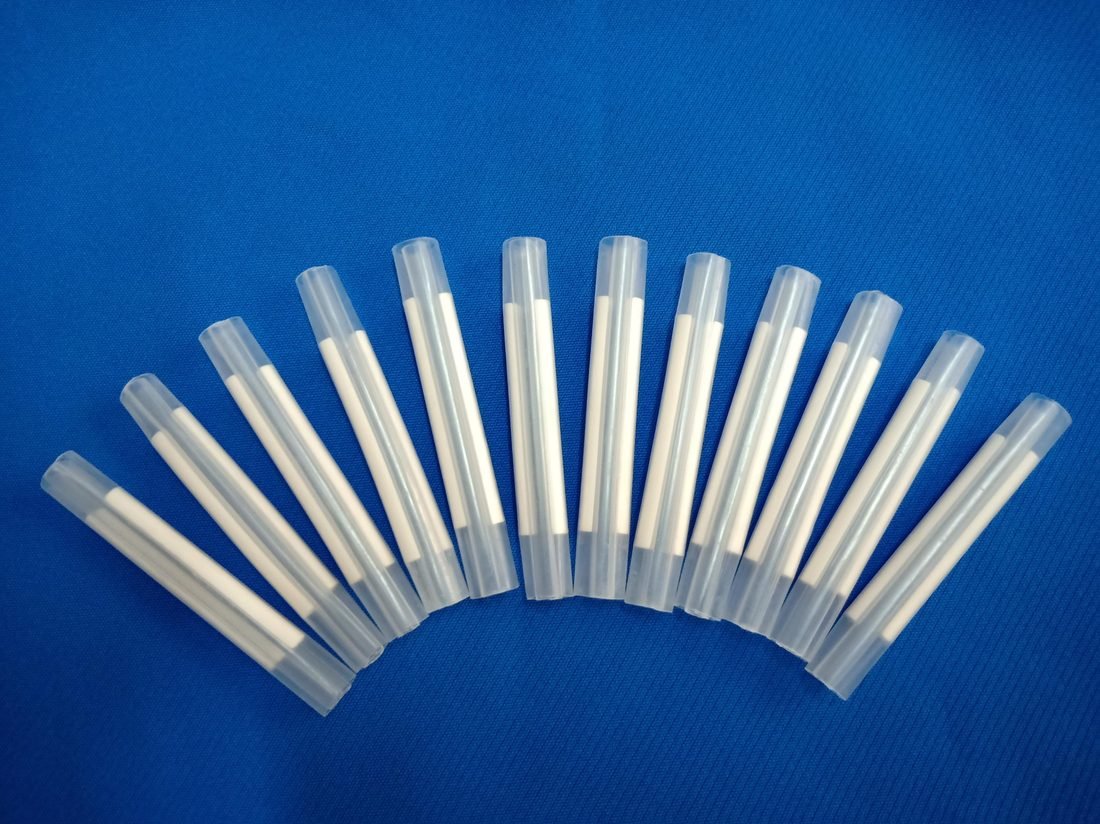
What Is a Fusion Splice Protection Sleeve?
A fusion splice protection sleeve is built from three layers that do three jobs:
① Outer tube
Cross-linked polyolefin that shrinks tight when heated.
② Inner tube
Hot-melt EVA adhesive that melts and seals out moisture.
③ Strength member
Stainless-steel needle (or ceramic for ribbon) that keeps the splice straight.
You splice the fiber, slide the sleeve over the joint, and heat it in the splicer oven for ~30–60 seconds. The result is a rigid, transparent, waterproof protector that restores mechanical strength without adding optical loss — the sleeve never touches the light-carrying core.
The Four Splice Sleeve Types
1. Single-fiber heat-shrink sleeve
The workhorse for standard 0.9mm single-fiber splices in closures, ODFs and trays. Steel needle 0.8–1.5mm; standard lengths 40, 45, 54 and 60mm. See single-fiber sleeves →
2. Micro / mini sleeve
A thinner sleeve for 0.25–0.4mm bare fiber, couplers, adapters and patch-cord assembly, where a full sleeve is too bulky. See micro sleeves →
3. Ribbon fiber sleeve
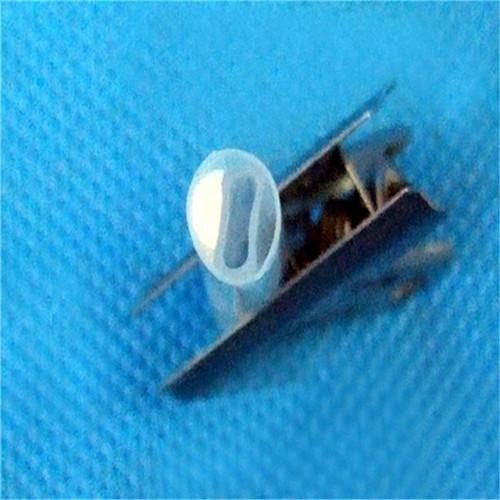
Square or oval sleeves for mass-fusion ribbon splices of 4, 6, 8 or 12 fibers, with a ceramic bar or quartz rod strength member. See ribbon sleeves →
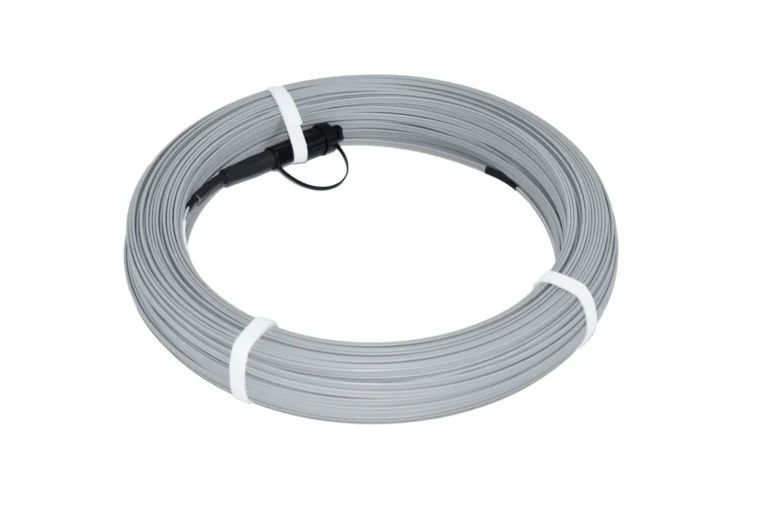
4. FTTH drop-cable sleeve
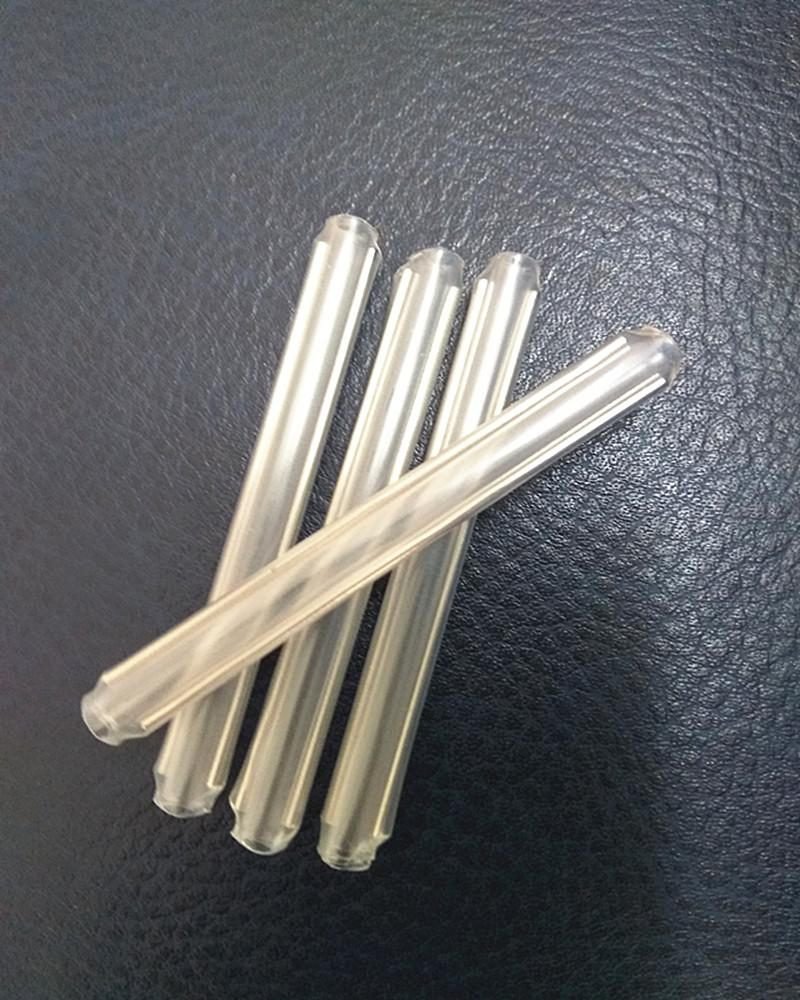
Built for drop-to-drop and drop-to-pigtail splices, with 304 stainless needles, chamfered polished ends and pre-shrunk tips. Lengths 45–60mm, single or double needle. See FTTH drop sleeves →
Sleeve Length: 40mm vs 45mm vs 60mm
Length is the first spec people get wrong. The rule of thumb:
| Length | Best for | Notes |
|---|---|---|
| 60mm | Default single-fiber splices | Universally compatible with splicers — safest first choice |
| 45 / 50 / 55mm | FTTH drop cable, mid-density trays | Most common in last-mile and access splices |
| 40mm | High-density trays, 12F ribbon | Saves tray space — confirm your splicer oven accepts it |
Single Needle vs Double Needle
Single needle — a straight drop-to-pigtail splice with one strength member. Lower cost, lower profile.
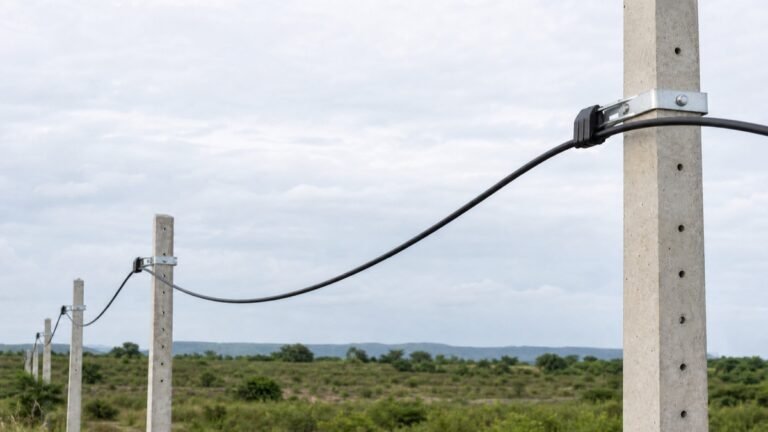
Double needle — adds rigidity for higher-strain joints or to hold two strength members parallel, used on drop-to-drop splices. If your install sees pulling stress or wind load on aerial drops, the double needle is cheap insurance.
Sleeve, Box, or Double-Clip Ceramic?
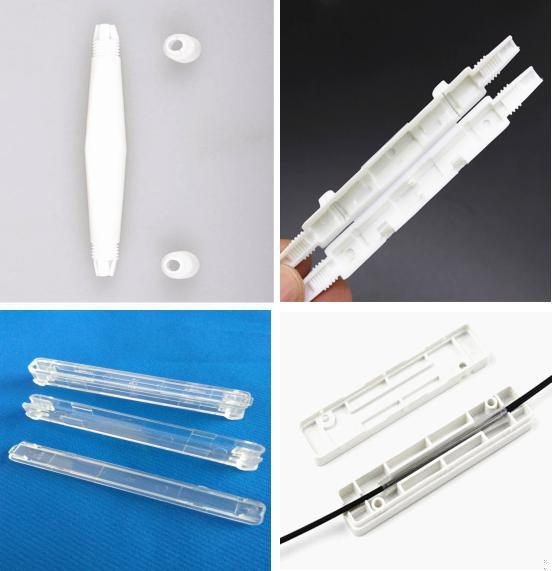
Three ways to protect a drop splice, from simplest to most integrated:
| Method | How it works | Best when |
|---|---|---|
| Heat-shrink sleeve | Heat in splicer oven, drop into tray | Lowest cost, highest volume |
| Splice protection box | PP/nylon shell holds the splice mechanically | Premises drops, no oven needed |
| Double-clip ceramic (IP68) | Twin-ceramic clip replaces sleeve + box | Fast install, waterproof, fewer parts |
Compare boxes and ceramic clips on the product page →
Quality Checklist Before You Buy
Splice sleeves are commodity-priced, but cheap ones break fiber on the line. Check for:
🔩 304 stainless
Not plated mild steel that rusts in outdoor closures.
✨ Chamfered ends
Sharp needle ends snap fiber during insertion.
📍 Pre-shrunk tips
Fix the needle so it doesn't migrate when heated.
💧 Clean adhesive flow
Voids let water in and the splice fails later.
FAQ
How many splice sleeves do I need per FTTH subscriber?
Can splice sleeves be reused?
What temperature do splice sleeves shrink at?
Ready to source splice protection?
See the full range — single-fiber, ribbon, micro and FTTH drop sleeves, boxes and mid-wall tube — with custom sizing and bulk pricing.