FTTH Home Activation Checklist: From FAT Port to Subscriber ONT
Europe's fibre market is moving from network build-out to repeatable activation. The FTTH Council Europe reports that full-fibre networks passed 295 million homes across EU39 as of September 2025, equal to 79% coverage. At this stage, small installation details matter: the right port, the right length and a connector that arrives clean and protected.
That makes the drop segment worth reviewing carefully. A poor cable, unclear port label or unprotected connector can create a return visit even when the backbone network is ready.
Use this checklist before requesting a quotation or releasing a purchase order for the route from a FAT, CTO or similar distribution point to the subscriber ONT. It is written for ISP teams, FTTH contractors, system integrators and procurement managers.
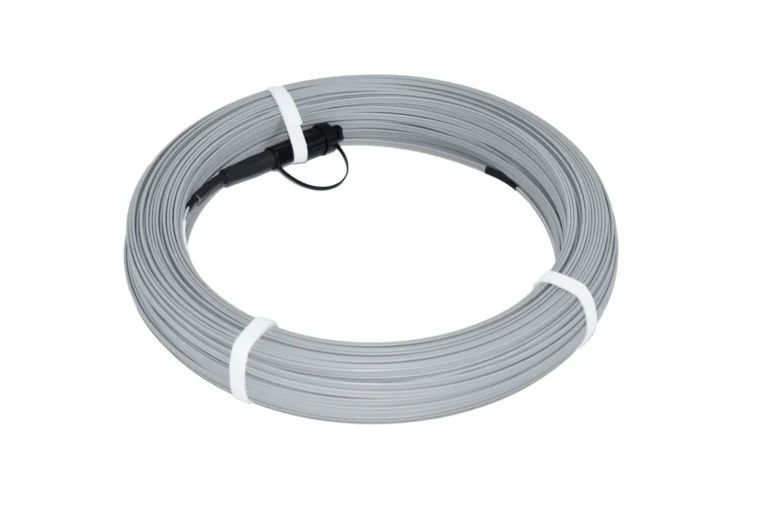
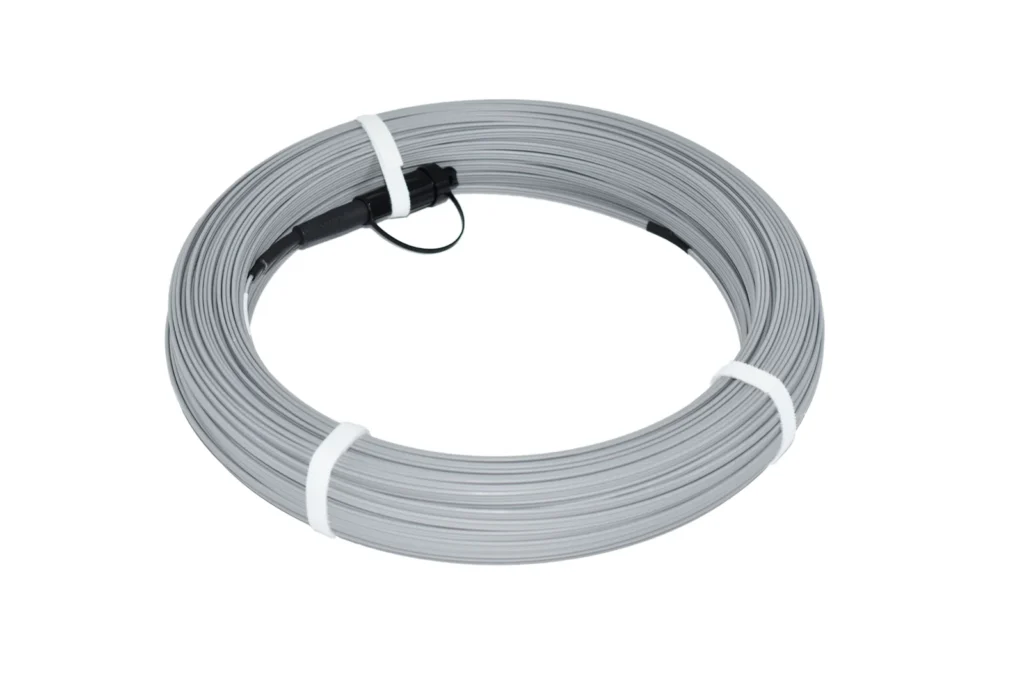
A pre-terminated FTTH drop cable is a factory-terminated and tested drop assembly supplied with the selected connector and length. It is a good fit when routes, ports and connector configurations are repeatable. Field splicing or field connectorization is usually safer when the route is still changing, needs a mid-span branch or must be repaired on site.
When I review an FTTH request, I look for five things first: endpoint, route, connector, length and label. If those five items are clear, the supplier can usually propose the cable structure without guesswork.
1. Confirm the network endpoint first
Before choosing a cable, record where the drop starts and where it ends.
- FAT, CTO, NAP, distribution box or another endpoint
- Subscriber-side outlet, NID, termination box or ONT location
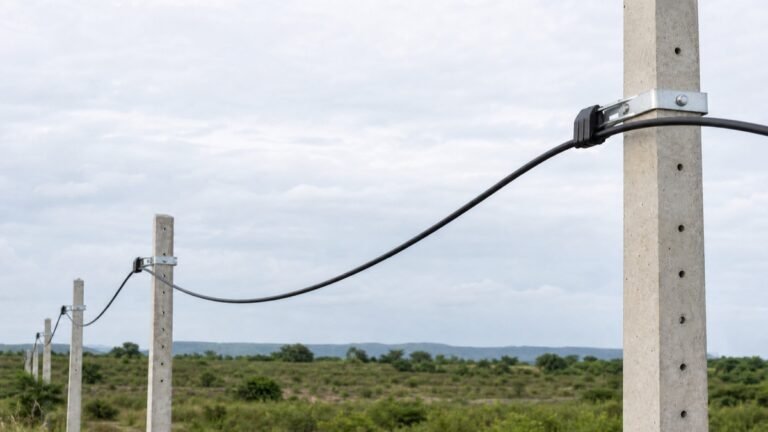
- Indoor, outdoor, aerial, ducted or wall-entry route
- Single-family unit, multi-dwelling unit, campus or small commercial site
- Connector and adapter type at each end
- Port number, customer reference and labeling convention