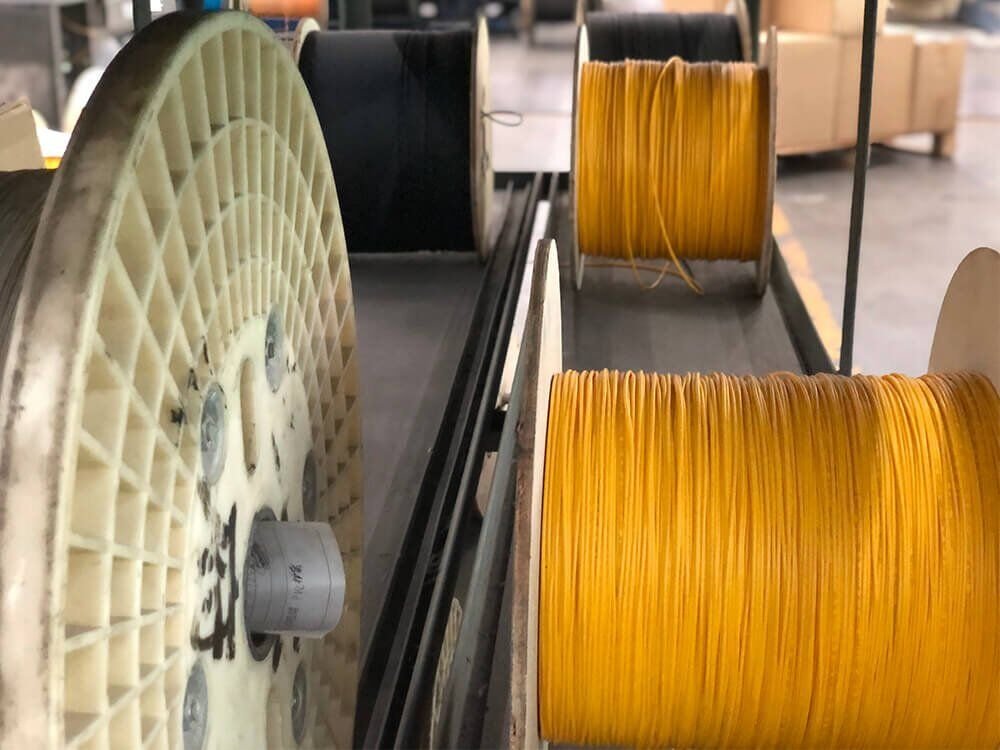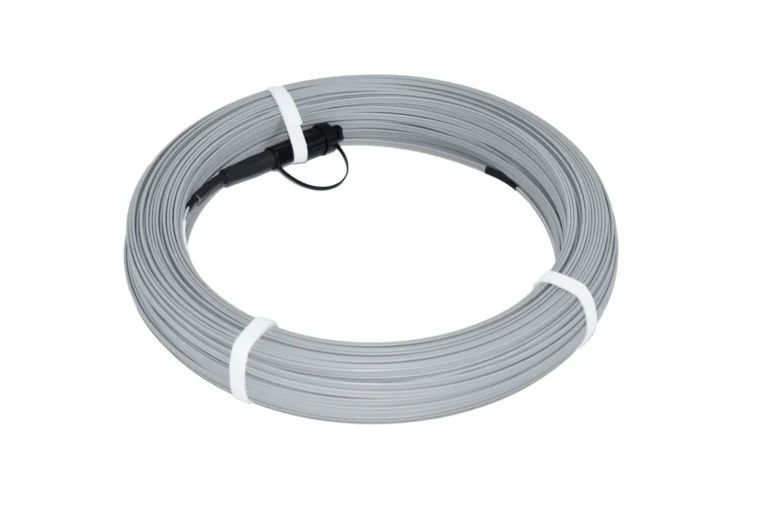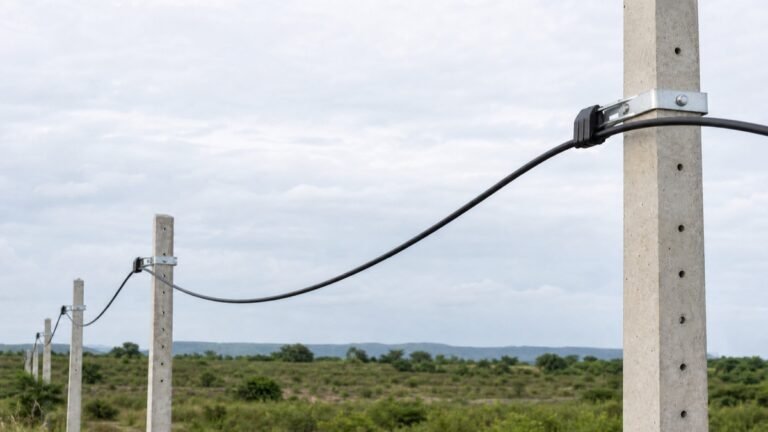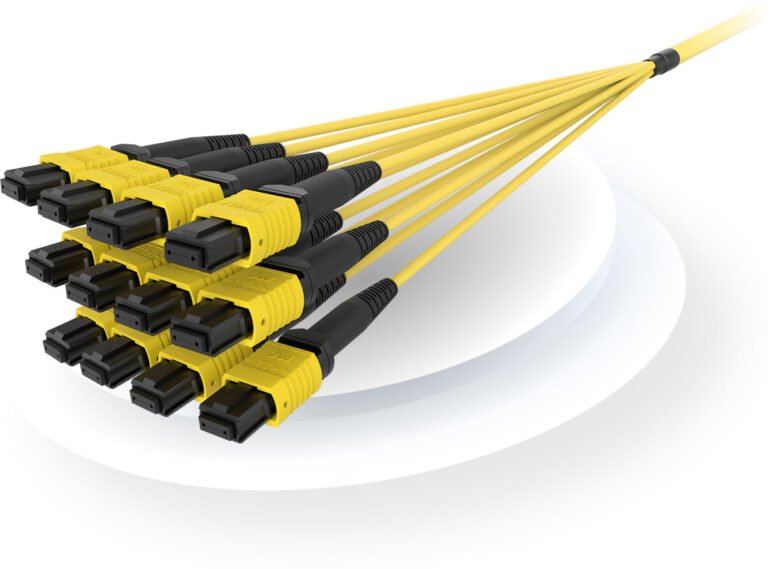
China produces over 70% of the world's fiber optic cable. For telecom operators, ISPs, and system integrators buying in volume, sourcing directly from Chinese manufacturers delivers 40–60% cost savings versus distribution channels. But the process has real complexity — factory qualification, spec alignment, QC, and import logistics all require careful management. This 7-step guide covers everything you need to do it right.
Step 1: Define Your Technical Specification
Before approaching any factory, you need a complete technical specification. Vague RFQs ("I need FTTH cable") generate incomparable quotes. A proper spec includes:
- Cable type: FTTH drop cable, ADSS, Figure-8, loose tube, tight buffer, ribbon
- Fiber count: 1F, 2F, 4F, 6F, 12F, 24F, 48F, etc.
- Fiber standard: G.652D, G.657A1, G.657A2 (for bend-insensitive FTTH)
- Jacket material: LSZH, PVC, PE (outdoor)
- Strength member: FRP, steel wire, aramid yarn
- Operating temperature range: Standard −20 to +70°C; extended −40 to +85°C
- Standards compliance: IEC 60794, ITU-T G.652/G.657, YD/T (Chinese telecom standard)
- Quantity and reel length: e.g. 500km total in 2km reels
Step 2: Identify and Shortlist Factories
The main manufacturing hubs for fiber optic cable in China are Wuhan (Hubei), Shenzhen, and Changzhou. Key sources for factory identification:
- Alibaba/Made-in-China: For initial discovery only — most listings are trading companies, not manufacturers
- CABW / Zhongguancun fiber expo: Industry events where factories exhibit directly
- YCICT / referrals: Industry networks and referrals from other buyers
- Direct factory approach: Search for companies with ISO 9001, TÜV, CE, or UL certifications
Key qualification questions to ask upfront:
- Do you manufacture in-house or outsource fiber drawing/stranding?
- What is your annual production capacity in fiber-km?
- What certifications do you hold (ISO, CE, RoHS, UL)?
- Can you provide factory audit reports from existing customers?
- What is your minimum order quantity (MOQ)?
Step 3: Request Samples Before Placing Orders
Never place a large order without testing samples. Request 100–500m of sample cable and test against your specification:
- OTDR test: Verify attenuation per km at 1310nm and 1550nm
- Geometrical parameters: Core diameter, cladding diameter, coating diameter (using fiber geometry analyzer)
- Jacket dimensions: Outer diameter tolerance vs. spec
- Crush test / impact test: For outdoor cables
- Bend test: G.657A1 requires ≤0.1 dB additional loss at 10mm bend radius (1 turn)
If you cannot test in-house, use a third-party lab (SGS, Bureau Veritas, or local telecom labs) for IEC compliance testing.
Step 4: Negotiate Commercial Terms
Standard commercial terms for China fiber cable sourcing:
| Term | Typical Range | Notes |
|---|---|---|
| MOQ | 10–50 km | Lower MOQ = higher unit price |
| Lead time | 15–45 days | Depends on fiber availability and reel stock |
| Payment terms | 30% TT deposit, 70% before shipment | Established customers can get LC or Net 30 |
| Incoterms | FOB Shenzhen/Shanghai | EXW also common; ask for CIF for simplicity |
| Warranty | 1–3 years | Specify in purchase contract |
Step 5: Conduct Factory Audit (for Large Orders)
For orders above $100,000 or long-term supplier relationships, a factory audit is essential. Audit checklist:
- Production equipment: fiber drawing tower, SZ stranding machine, jacketing line
- QC lab equipment: OTDR, fusion splicer, fiber geometry analyzer
- Incoming material inspection: fiber preform or bare fiber sourcing (Yangtze OFC, YOFC, Corning?)
- Production records and batch traceability
- Environmental controls (temperature/humidity in fiber storage)
Step 6: Pre-Shipment Inspection and Documentation
Before shipment, require:
- Factory test report: OTDR trace for each reel, signed by QC manager
- Certificate of conformance: Confirming spec compliance
- Packing list: Reel numbers, fiber counts, lengths, gross/net weights
- Commercial invoice: HS code (8544.70 for optical fiber cable)
- Country of origin certificate: Form A or CO for preferential duty rates
For high-value shipments, hire SGS or Intertek for pre-shipment inspection at the factory.
Step 7: Plan Import Logistics and Customs
Fiber optic cable imports from China face varying duty rates by destination:
- USA: Section 301 tariffs apply (7.5–25%). Use a licensed customs broker; consider bonded warehouse strategies
- EU: MFN duty ~3.7% for HS 8544.70; check if GSP applies for your exporter
- Middle East / Africa: Often 0–5% with active FTA programs
- India: BIS certification required for some cable types
Work with a freight forwarder experienced in telecom equipment to handle consolidation, insurance, and customs clearance.
Why AIMIFIBER?
AIMIFIBER is a China-based fiber optic cable manufacturer with 8+ years of export experience. We supply FTTH drop cable, ADSS, pre-terminated assemblies, and loose tube cables to customers in 30+ countries.
Every order includes factory OTDR test reports per reel, CE/RoHS documentation, and direct English-speaking technical support. Contact us for a sample request or RFQ.