Starting a fiber optic cable factory requires careful consideration of the machinery, processes, and operational requirements to produce high-quality cables efficiently. Telecom project managers, ISP procurement teams, factory investors, production managers, and fiber optic engineers need to understand the technical details and strategic planning involved in setting up a facility that meets modern industry demands. From selecting precise manufacturing equipment to coordinating procurement logistics, every step impacts profitability and scalability. This article explores the key equipment required, estimated costs, technical specifications, procurement strategies, and maintenance practices. Each chapter offers practical insights that collectively build a complete picture of what it takes to establish a cutting-edge fiber optic cable factory.
Comprehensive Analysis of Machinery Essential for a Fiber Optic Cable Factory
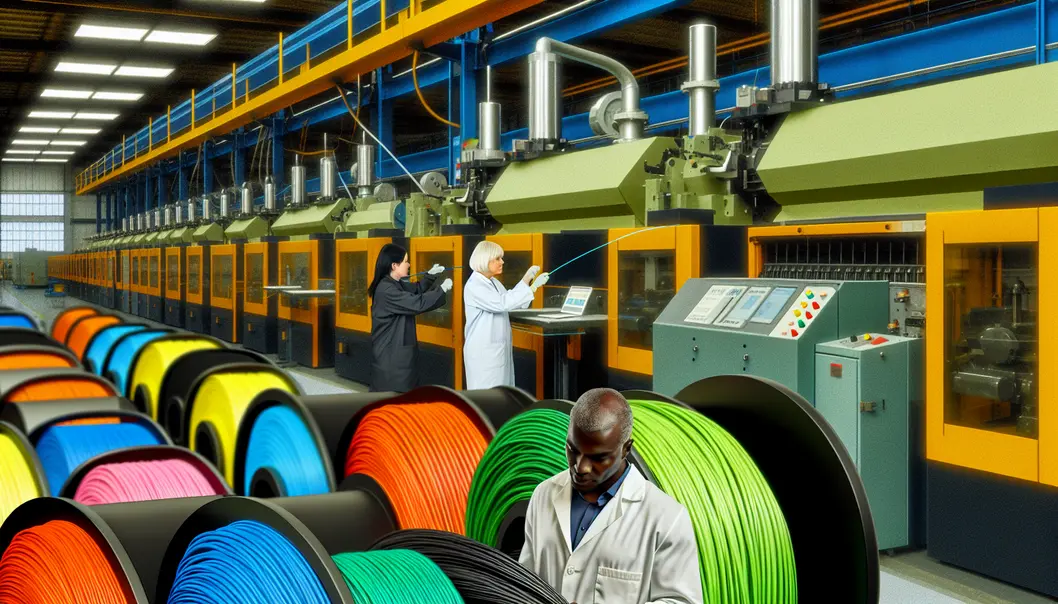
Setting up a fiber optic cable factory requires a deliberate focus on procuring the right machinery to ensure efficient operations and high-quality production. Fiber optic cables, being a critical component in modern telecommunications and data transfer systems, demand precision and technological synergy during manufacturing. This chapter delves into the intricate details of the machinery essential for launching and sustaining a fiber optic cable factory.
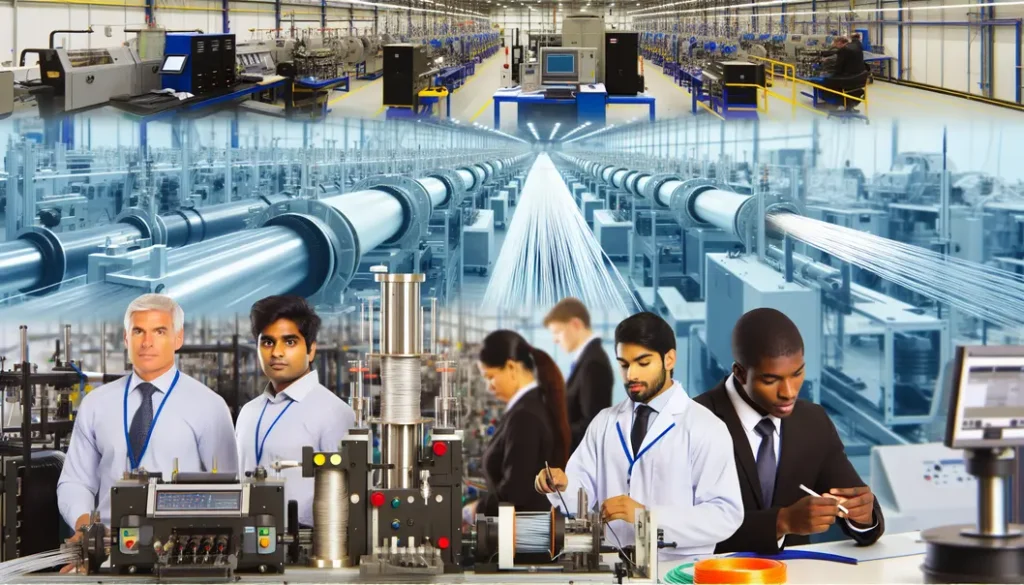
The production of fiber optic cables necessitates a framework of advanced tools and equipment to handle various stages of manufacturing. At the core is the fiber drawing machine, which transforms preform material, typically silica glass, into ultra-thin optical fibers. These machines operate at high temperatures and immense precision to draw long, continuous threads of fiber. The quality of the fibers produced largely depends on the accuracy and efficiency of this equipment, making it one of the factory's most significant investments.
Once the fibers are drawn, they undergo a stringent coating process. Coating machinery applies protective layers to the fibers, shielding them from environmental conditions like moisture and abrasion while maintaining their optical clarity. This step is vital as it enhances the fibers' durability and ensures consistent signal transmission over long distances. Coating lines are designed to operate at high speeds, synchronizing with the output of the drawing machines to maintain efficiency.
The next phase involves fiber coloring and identification equipment, which assigns color codes or identifiers to individual fibers. These markings simplify installation and maintenance processes by enabling technicians to trace connections and segregate fiber types within a cable sheath. This machinery uses non-toxic, UV-curable inks to adhere to environmental and safety standards.
Beyond fiber preparation, the cable manufacturing stage integrates various fibers into a single cohesive structure. Cable jacketing machines encapsulate drawn and coated fibers into protective sheaths designed to endure external stresses such as tension, temperature changes, and chemical exposure. For outdoor applications, some factories may include a step involving machines that reinforce cables with armored layers or water-blocking elements. These advanced measures ensure performance in rugged environments.
Quality assurance is indispensable in fiber optic manufacturing, necessitating the deployment of precise testing equipment. Such machines evaluate parameters like tensile strength, optical losses, and environmental resilience to uphold industry standards. Regular testing ensures the factory delivers reliable products tailored for diverse applications like FTTH (Fiber-to-the-Home) networks, industrial installations, or long-haul communication systems.
Lastly, automation plays a crucial role in streamlining processes. Automated control systems coordinate various production stages, optimizing performance and reducing downtime. By minimizing manual intervention, automated machinery enhances consistency and elevates overall production efficiency.
Building a fiber optic cable factory involves a significant investment in specialized machinery, each chosen for its role in maintaining precision and excellence. For details about specific types and setups for FTTH cable production, you can refer to FTTH cable plant setup guide. With the right equipment in place, manufacturers can pioneer innovations and meet global demand for fiber optic solutions.
Breaking Down the Costs: A Clear View of Fiber Optic Factory Investment

Embarking on the journey of establishing a fiber optic cable manufacturing unit involves substantial planning and financial investment. For entrepreneurs and companies aiming to enter this high-demand industry, understanding the cost structure is an essential first step. This chapter provides a comprehensive view of the potential expenses, aiding decision-makers in evaluating feasibility and ensuring optimal allocation of funds.
Initial Capital Expenditure
The cornerstone of a fiber optic factory’s cost profile revolves around acquiring specialized machinery and equipment. These tools include fiber drawing towers, sheathing lines, fiber cutting and splicing machines, and testing equipment—all vital for maintaining the stringent production standards required in the industry. Typical machinery for advanced operations can range from several hundred thousand to millions of dollars, depending on the scale and technology level of production. This constitutes one of the most significant upfront investments.
Alongside machinery, the factory premises must meet specific operational requirements. A considerable financial chunk goes into securing or constructing a facility with precise environmental controls, such as temperature and humidity management, which are critical to preserving fiber integrity during production. The costs of utility installations, particularly for electricity and cooling systems, also add substantial weight to the total investment necessary for the factory setup.
Operational and Maintenance Costs
Once the factory is built and equipped, operational costs become the next major consideration. Personnel requirements include hiring technical operators, quality control specialists, supervisors, and administrative staff. Salaries and benefits will vary based on the geographic location and expertise level required, though these costs cumulatively contribute to recurring financial commitments.
Equally important are maintenance costs associated with the factory’s physical assets. Machinery must undergo routine calibration, servicing, and occasional repairs to sustain production efficiency and minimize downtime. Overlooking these expenditures can lead to production inconsistencies or increased overheads due to unexpected breakdowns. Proactively factoring such costs into the initial financial planning ensures smoother operations and mitigates risks tied to machinery wear or failure.
Investment in Raw Materials and Supply Chain
Fiber optic cable manufacturing relies heavily on high-quality raw materials such as optical fiber preforms, coating resins, and strength members. Evaluating the costs of these materials is crucial, as they often fluctuate in response to market dynamics, global supply chains, and bulk purchasing agreements. For instance, trends in optical fiber price variations through 2025–2026 can directly impact a factory’s budget planning—a vital insight for those considering sustainable operations. Explore detailed optical fiber market predictions to gain better transparency.
Additionally, building a reliable supply chain is key. Factories must weigh logistical expenses carefully, including costs related to transport, warehousing, and material handling. Partnering with reputable suppliers ensures material quality, which significantly influences overall product performance.
Financing and Long-Term Viability
Given the high upfront and ongoing costs, financing plays a pivotal role in factory establishment. Many manufacturers seek venture capital, bank loans, or government incentives as a way to reduce the burden of initial investments. Exploring localized financial aid programs or tax benefits for engagement in high-tech industries may yield practical opportunities for additional savings.
In conclusion, while setting up a fiber optic cable manufacturing unit necessitates significant financial resources, informed planning and strategic investments can ensure long-term viability and competitiveness. Meticulously assessing all cost dimensions—from machinery acquisition to supply chain dynamics—equips decision-makers with the knowledge to balance expenses effectively and achieve operational success.
Precision and Power: Understanding Technical Equipment Specifications for Fiber Optic Manufacturing
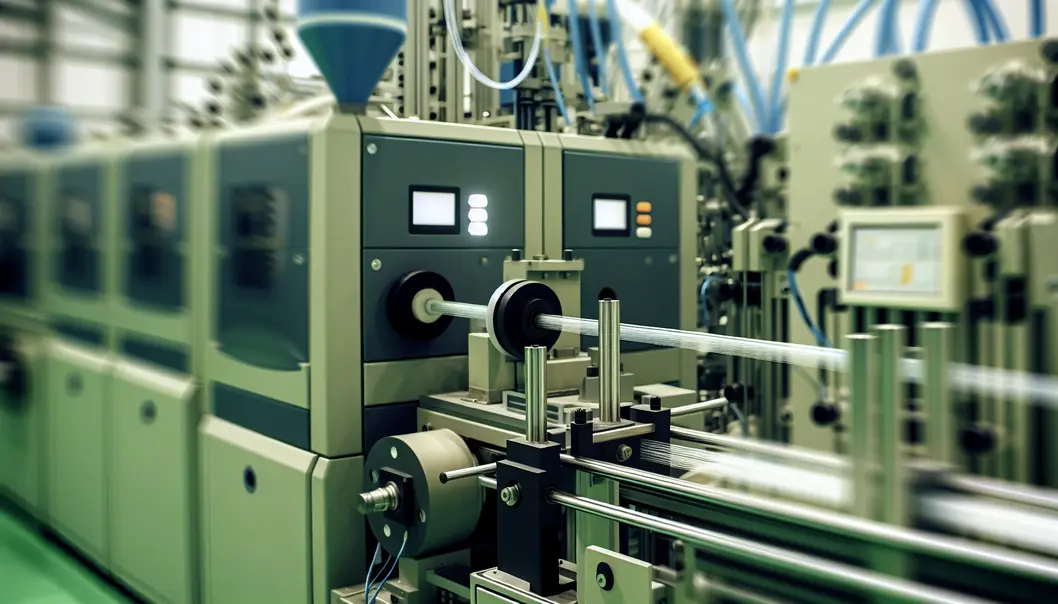
The technical specifications of equipment used in a fiber optic cable manufacturing facility define its ability to meet the demands of modern connectivity, making precision and efficiency vital components of the process. Establishing such a factory involves navigating a highly specialized spectrum of tools and machinery that must seamlessly function to produce robust cables capable of supporting high-speed data transmission.
To begin, core manufacturing operations rely on fiber drawing towers. These towering structures are engineered to stretch preforms—solid glass rods—into slender, durable optical fibers, which are the fundamental building blocks of fiber optic cables. Equipped with sensors and temperature controls, these towers sustain extreme levels of precision. The optimal operational parameters for fiber drawing typically involve temperatures exceeding 2,000°C to melt the silica smoothly into elongated strands. Digital feedback loops further ensure uniform diameter control, as even minuscule deviations can dramatically affect signal transmission quality.
The process continues with primary coating machinery, which applies protective polymer coatings to freshly drawn fibers. This step is essential for safeguarding the delicate glass against environmental elements and physical stressors. Coating systems must comply with rigorous industry standards, maintaining deposit uniformity and curing precision under controlled UV light environments. In tandem, curing equipment often integrates modular designs to support high throughput, reducing production time while reinforcing product quality.
Equally important are secondary coating lines, which facilitate the buffer application around coated fibers. Comprising extruders and cooling systems, secondary coating equipment must maintain synchronized extrusion outputs to ensure consistent protective layers. This guarantees that the optical fibers retain structural stability during bundling and eventual cable assembly.
Fiber optic cable manufacturing factories also require advanced coloring and identification systems. These machines mark individual fibers with unique identifiers to facilitate network configuration, an increasingly pivotal step considering the complexity of modern fiber installations. Using automated dye application and drying modules, these systems must balance efficiency with precision, ensuring clear and durable markings.
Finally, high-performance testing and measuring equipment is indispensable for quality control. Optical time-domain reflectometers (OTDRs), tension testers, and attenuation monitors are examples of tools that validate the integrity of the produced fibers. The long-term success of a factory depends heavily on such diagnostic machinery verifying adherence to industry benchmarks.
The seamless operation of these interconnected units hinges upon adherence to precise technical parameters for each piece of equipment. As fiber optic networks evolve with increasing demand for speed and reliability, manufacturers need to focus simultaneously on scalable machinery and technical innovation to stay competitive.
For deeper insights into setting up a modern fiber manufacturing unit, visit this comprehensive guide on FTTH cable plant setups.
Strategic Procurement of Fiber Optic Machinery: Building a Reliable Supply Chain

Launching a fiber optic cable factory involves significant investment, not just in machinery but in the intricate network of suppliers that deliver the equipment. A well-organized supply chain is essential to ensure sustained operations and avoid project delays. Strategic procurement of fiber optic machinery requires detailed planning, robust supplier relationships, and a clear understanding of production timelines and logistical concerns.
The first consideration in supply chain development is understanding the scope of machinery needed for your factory. Each phase of production—from preform manufacturing to cable assembly—requires specialized equipment, typically sourced from niche providers globally. For instance, fiber-drawing towers, coating and coloring lines, and cabling machines all serve distinct roles in production and must meet specific technical standards. Prospective factory owners should identify suppliers that not only offer machinery aligning with the technical specifications but also have a reputation for reliability and post-purchase support, which is critical for minimizing downtime.
Choosing suppliers often involves a thorough vetting process. Start by assessing technological capabilities and production scalability of potential partners. Whether sourcing domestically or from international manufacturers, ensure that the supplier can meet consistent quality requirements and provide machinery that complies with industry standards and safety certifications. Additionally, manufacturers must evaluate lead times; fiber optic machinery often involves custom configurations, which can significantly extend delivery schedules.
Cost is another crucial factor. The procurement process should balance upfront investment with long-term cost benefits. Equipment that may seem cost-effective initially can lead to higher operational expenses if performance issues arise. Negotiating favorable terms requires understanding global trends in the fiber optic industry. As market demands evolve—spurred by developments like FTTH (fiber-to-the-home) networks—it’s advantageous to choose suppliers positioned to innovate alongside these changes. For further context on global market trends, consult resources like where FTTH drop cable markets are growing fastest.
Logistics also play a major role in supplier selection. Shipping machinery can involve complex customs processes, freight restrictions, and risks of damage during transit. Partnering with suppliers experienced in global delivery ensures that machinery arrives intact and on schedule. Furthermore, setting up a buffer period between equipment delivery and installation provides room for troubleshooting and minimizes disruptions to factory setup.
Lastly, consider local partnerships for auxiliary equipment and maintenance services. Building relationships with local providers not only reduces lead times for minor components but also strengthens supply chain resilience. As fiber optic production scales, a diversified supplier base becomes indispensable to accommodate shifts in demand and mitigate risks from any single supplier dependency.
Ultimately, procurement is about balancing quality, cost, and logistical feasibility while ensuring alignment with long-term production goals. By establishing a robust and adaptive supply chain, you lay the groundwork for a successful fiber optic manufacturing operation, capable of growing with the demands of the industry.
Ensuring Efficiency: Maintenance and Operations of Fiber Optic Manufacturing Equipment
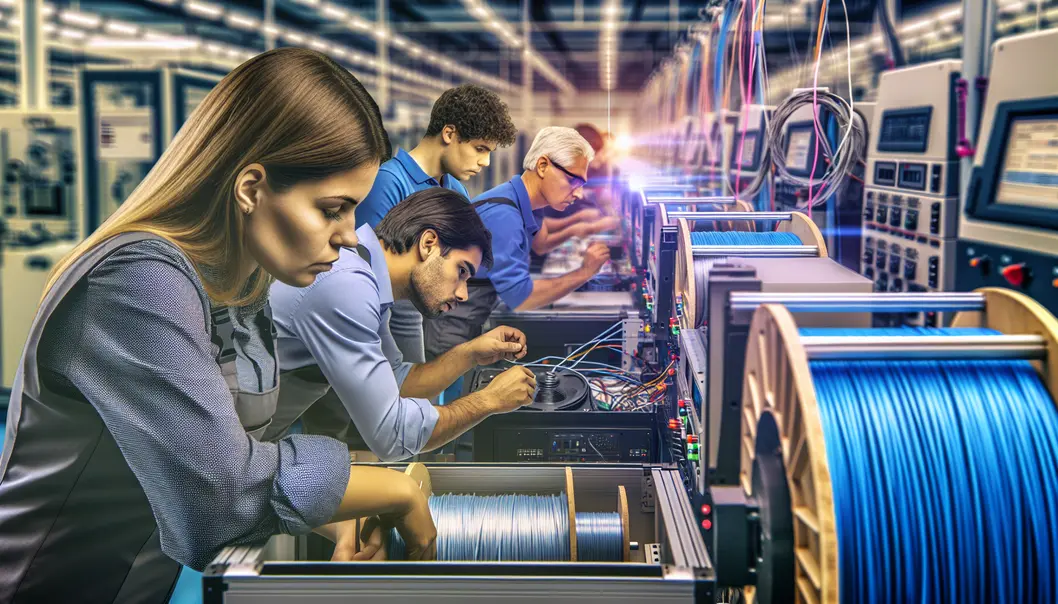
Fiber optic cable production relies on sophisticated equipment with precision engineering to meet the demands of modern telecommunications. However, merely acquiring this technology is not enough; maintaining equipment at peak efficiency is essential to the sustainability and profitability of a fiber optic cable factory. This chapter delves into the crucial requirements for maintaining operational excellence in such facilities.
Efficient maintenance begins with consistency. Fiber optic manufacturing equipment, such as preform assembly machines, drawing towers, and coating systems, operates under stringent environmental and mechanical conditions. Neglected maintenance or irregular checks can lead to performance deterioration, increasing scrap rates and production downtimes. A structured preventative maintenance schedule ensures timely inspections, lubrication of moving parts, and replacement of wear-affected components to maximize productivity and lifespan.
Equally important is the need for specialized personnel. The equipment used in fiber optic manufacturing often demands technicians trained in optical fiber production processes. These personnel should ideally possess expertise in handling delicate components, calibrating machines, and diagnosing anomalies in production workflows. Training employees in root cause analysis and troubleshooting techniques helps avoid unnecessary disruption and ensures that defects or malfunctions are corrected promptly. Investing in skilled labor is as pivotal as investing in high-grade machinery.
Attention to environmental conditions also plays a significant role. Fiber optic production machinery thrives under tightly controlled conditions to ensure the integrity of optical fiber properties. Parameters such as temperature, humidity, and cleanliness must be regulated carefully within production zones. Introducing monitoring systems that provide real-time data on these parameters supports the early identification of variances that may strain equipment or compromise product quality. Regular audits of environmental controls further bolster operational reliability.
Software systems used for machinery operation also require periodic updates and checks. Modern manufacturing equipment integrates advanced automation and control systems dependent on software configurations. Ensuring that these systems are protected against compatibility issues or cybersecurity risks sustains accuracy in production and shields the factory against potential disruptions.
Apart from maintenance, spare parts availability is vital to smooth factory operations. Stocking critical spares—such as furnace components, rollers, and coating applicators—helps mitigate downtime caused by unanticipated failures. Establishing partnerships with reliable suppliers ensures that replacement components meet the required standards while being readily accessible when needed.
Ultimately, keeping fiber optic equipment operational is not just about technical upkeep—it is a strategic endeavor that impacts production quality, costs, and the factory's reputation in a competitive industry. To learn about managing downtimes effectively to uphold factory reliability, explore reduce FTTH downtime disputes.
Final thoughts
Launching a fiber optic cable factory is a nuanced process requiring a solid understanding of machinery, costs, procurement, and operational logistics. With the right technical knowledge, precise equipment specifications, and proactive maintenance strategies, your factory can achieve high production efficiency and deliver superior quality products in the competitive telecom industry. This guide simplifies complex aspects and serves as a foundation for successful planning and execution.
Contact AIMIFIBER to learn more about fiber optic solutions and OEM/ODM manufacturing for telecom and data center needs.
Learn more: https://aimifiber.com/contact-us/
About us
AIMIFIBER specializes in pre-terminated fiber optic solutions, FTTH drop cables, patch cords, pigtails, FTTA products, and custom fiber assemblies for the telecom and data center industries. With tailored OEM/ODM services, AIMIFIBER provides quality products and professional advice to meet unique project requirements.