Where will FTTH drop cable demand grow fastest between 2024 and 2030?
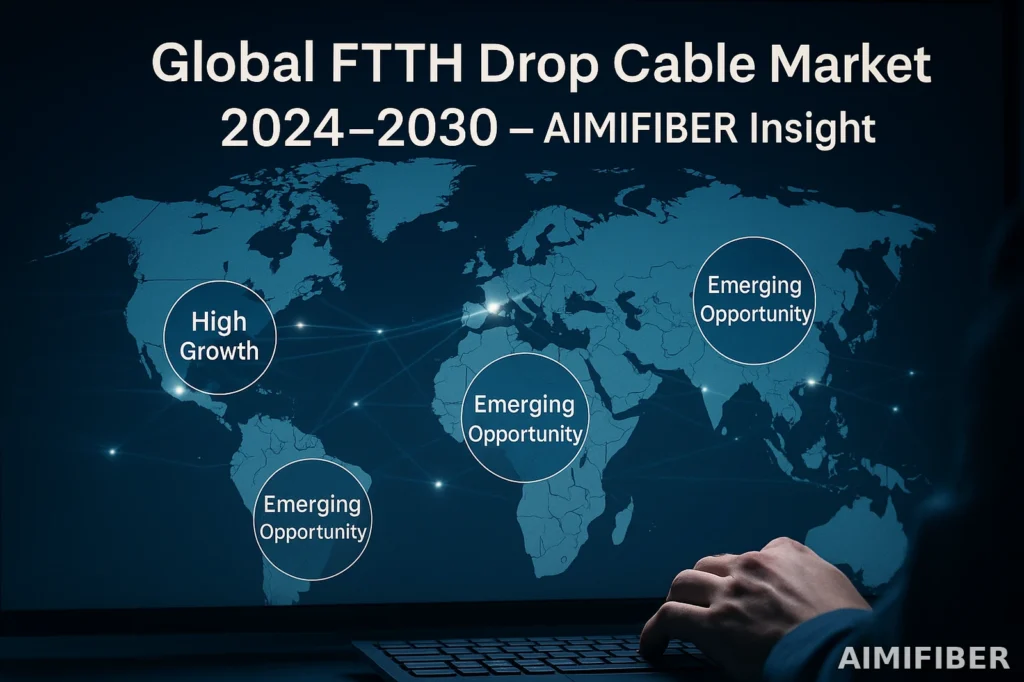
Fast FTTH growth looks attractive, but not every country is a good bet. Tariffs, certification, and unstable demand can turn a “hot market” into a loss-making project.
From 2024 to 2030, FTTH drop cable demand grows fastest in Asia, LatAm, and selected African countries, but the best markets combine high growth, low trade barriers, and clear technical standards that you can serve with the right FTTH drop cable supplier.
I’m Sophie Wang from AIMIFIBER. I work with operators, ISPs, and integrators who deploy tens of thousands of drops per phase. When I plan where to focus my capacity, I look at growth, entry barriers, and what drop cable designs those regions really need—not just where headlines look exciting.
Which regions offer the best mix of FTTH growth and easy access for drop cable suppliers?
When I look at FTTH expansion plans, I group markets by three filters: growth rate, ease of market entry, and clarity of standards. This helps me decide where our FTTH drop cable capacity will actually turn into long-term partnerships.
From a supplier and buyer perspective, Indonesia, India, Mexico, Nigeria, and South Africa offer the strongest mix of FTTH growth, realistic pricing, and manageable trade barriers for FTTH drop cables—especially for flat dielectric and figure-8 designs with G.657.A2 fiber.

Regional FTTH drop cable demand snapshot (2024–2030)
| Region | Growth Outlook | Typical Barriers | Drop Cable Focus | Notes for Buyers/Suppliers |
|---|---|---|---|---|
| Asia | Very high | Some local content rules | Flat drop, figure-8, aerial self-support | Indonesia, India drive huge volumes |
| LatAm | High | Modest tariffs, logistics planning | Flat/round drop, pre-terminated options | Mexico, Brazil, Chile stand out |
| Africa | Very high (select) | Limited infra, customs variation | ADSS, figure-8, rugged FTTH drop | Nigeria, South Africa lead |
| Middle East | Medium–high | Specs strict, sometimes OEM-branded | Flame-retardant indoor/outdoor drops | Operator specs drive design |
| EU | Stable–high | AD duties, CPR B2ca/Cca requirements | CPR-rated indoor drops, low-smoke | Needs local stock or EU partner |
Top 5 priority countries if you want scale and realistic access
| Country | FTTH Growth (2024–30) | Trade Barriers | Why it’s attractive for FTTH drops |
|---|---|---|---|
| Indonesia | Very high | Low | Huge population, broadband push, no AD duty on cables |
| India | Extreme | Medium | Digital India, low FTTH penetration, big long-term volume |
| Mexico | High | Low–Medium | Copper → fiber replacement, ~5% duty manageable |
| Nigeria | Very high | Low | Mobile → fixed conversion, big urban clusters |
| South Africa | Steady–high | Low | Most mature FTTH in Africa, strong ISP ecosystem |
How I use this as a supplier (and how buyers can benefit)
As AIMIFIBER, I use this view to align capacity and stock:
- Stage G.657.A2 flat drop and figure-8 in colors and counts that match each region.
- Prepare documentation and sample kits tailored to local specs.
- Coordinate with forwarders who already understand local customs.
If you’re a buyer, this also tells you where Chinese FTTH drop cable suppliers (like us) can serve you reliably without surprises on cost or lead time.
How should I match FTTH drop cable designs to climate and deployment scenarios?
Once you know which region to focus on, the next decision is what type of drop cable fits your plant: buried, duct, façade, or aerial. I see many failures caused not by the fiber itself, but by jackets, messengers, or bending performance.
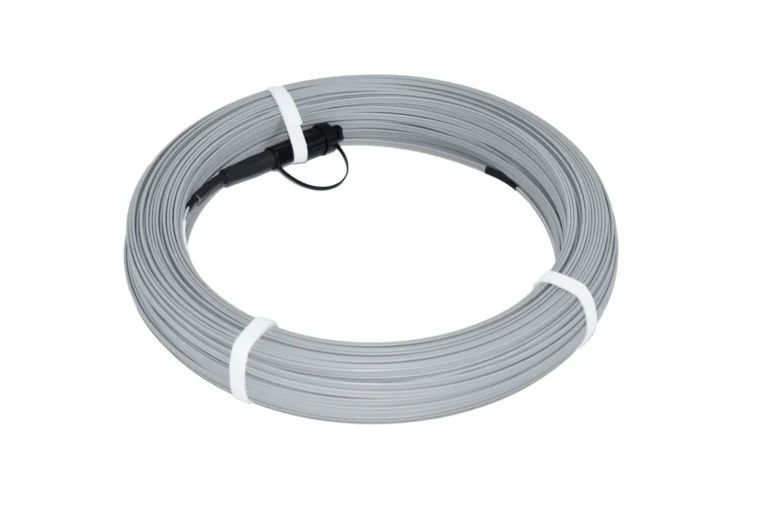
Choose FTTH drop cable structure by route type (aerial, façade, duct, buried) and climate. Flat dielectric and figure-8 drops with G.657.A2 fiber cover 70–80% of global FTTH scenarios; armored or mini-round designs fill the rest where rodents, rocks, or very small conduits are issues.
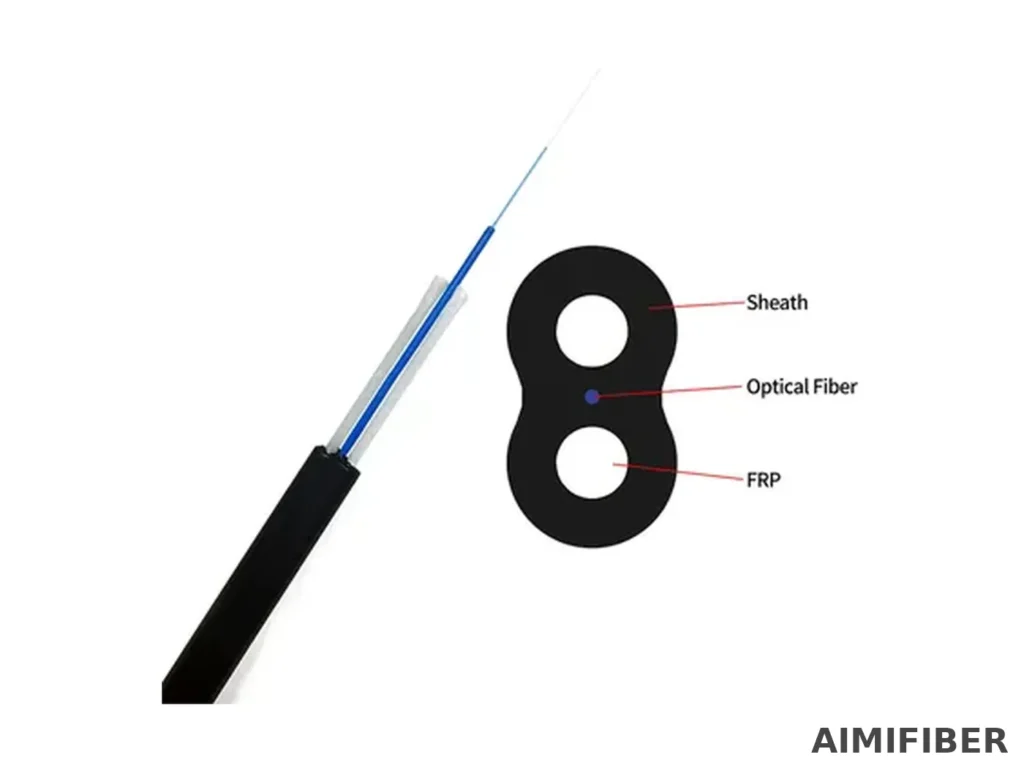
Spec comparison: Common FTTH drop cable types
| Parameter | Flat Dielectric Drop | Figure-8 Drop (Messenger) | Armored Drop | Mini-Round Drop | When to choose |
|---|---|---|---|---|---|
| Fiber type | G.657.A2 (typical) | G.657.A2 | G.657.A2 / G.652D | G.657.A2 | Standard choice for FTTH last mile |
| Strength member | FRP | FRP + steel messenger | Steel tube / corrugated armor | FRP | Aerial, façade, or buried protection |
| Jacket material | LSZH / PE | PE | PE outer + LSZH inner (optional) | LSZH / PE | Indoor vs outdoor vs mixed routes |
| Insertion loss (dB) | ≤0.35 @1310 nm | ≤0.35 | ≤0.35 | ≤0.35 | Driven by connector & splicing |
| Tensile load (N) | 80–150 (typical) | 600–1,200 (with messenger) | 300–800 | 80–150 | Aerial spans vs short façade/duct routes |
Mapping drop cable to deployment scenarios
| Scenario | Recommended Type | Key Checks |
|---|---|---|
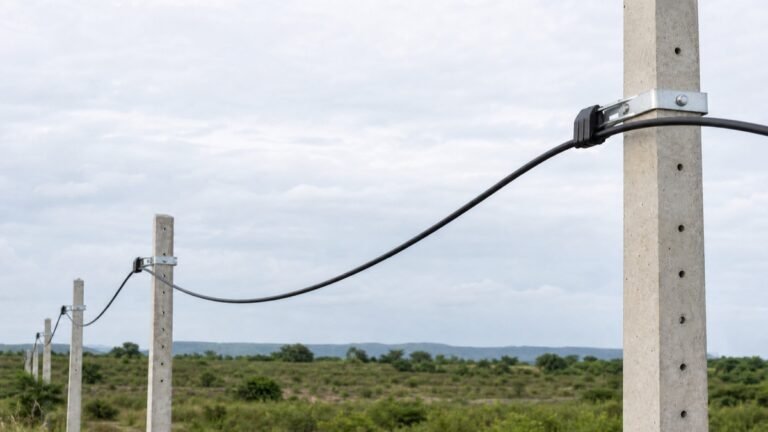
| Aerial span from pole to house | Figure-8 drop | Messenger strength, span length, sag |
| Façade routing on building wall | Flat dielectric drop | UV resistance, clip compatibility |
| Direct buried in soft soil | Armored drop | Crush resistance, water-blocking |
| Duct in MDU risers / corridors | Mini-round LSZH drop | CPR/LSZH rating, bend radius in corners |
At AIMIFIBER, we manufacture all four families, so I can adapt BOMs to your exact outside plant and building standards rather than forcing a one-size-fits-all design.
What trade barriers and certifications must I plan for when sourcing FTTH drop cables?
Many buyers underestimate the impact of tariffs, anti-dumping duties, and certification. I’ve seen well-priced projects killed by unexpected AD duties or missing CPR documents at customs.
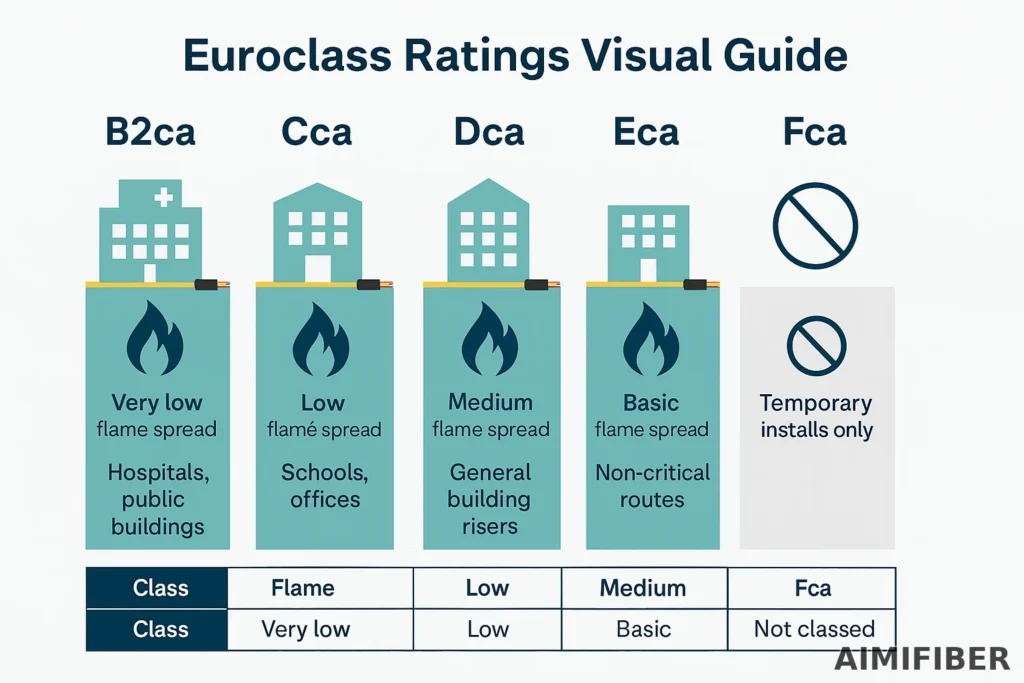
Plan for tariffs, anti-dumping, and building codes from the RFQ stage. For EU projects, CPR (EN 50575) and LSZH jackets are mandatory indoors; for outdoor routes, you must consider local fire and installation rules. In markets like the EU or Brazil, local partners or assembly may be more realistic than direct cable imports.
Trade & compliance overview for FTTH drop cables
| Region | Typical Barriers | Compliance Focus | Strategy |
|---|---|---|---|
| EU | AD duties on Chinese cable, CPR requirement | CPR (B2ca/Cca), CE, DoP | Mix of local stock + imported drops |
| UK | Similar AD duty to EU | CPR-like, UKCA | Same as EU |
| Brazil | High import tariff on cables | ANATEL (for some gear), local prefs | Local partner / assembly |
| Mexico | Moderate duty (~5%), USMCA influence | Fire rating, local operator specs | Direct import from China feasible |
| Africa | Varies; often low or none | UV, mechanical, sometimes SABS, SON, etc. | Direct export + robust packaging |
If you want to see how big players handle this, I’ve broken down the landscape in our article on the 20 largest fiber optic cable companies in the world. It shows where global brands place factories and why.
Example: EU CPR focus for indoor FTTH drops
| Item | What to confirm | Document you need |
|---|---|---|
| Indoor FTTH drop (riser) | Euroclass Cca or B2ca, s1a, d1, a1 | DoP + CPR test report + CE label |
| Patch cords in building ODF | LSZH jacket, IEC 60332-3 | Test report, marking on cable |
| Mixed indoor/outdoor routes | Specific operator standard (e.g., Orange) | Operator spec + supplier cross-ref |
We already ship CPR-compliant indoor cables and drops to EU partners, so if your project needs a combination of local and imported stock, I can help structure that.
How do I choose an FTTH drop cable supplier that can scale with my 2024–2030 rollout?
Growth markets are noisy. Many suppliers show good prices on paper but fail on consistency, documentation, or delivery. As a buyer, you need more than a low quote—you need a partner who survives multiple phases and audits.
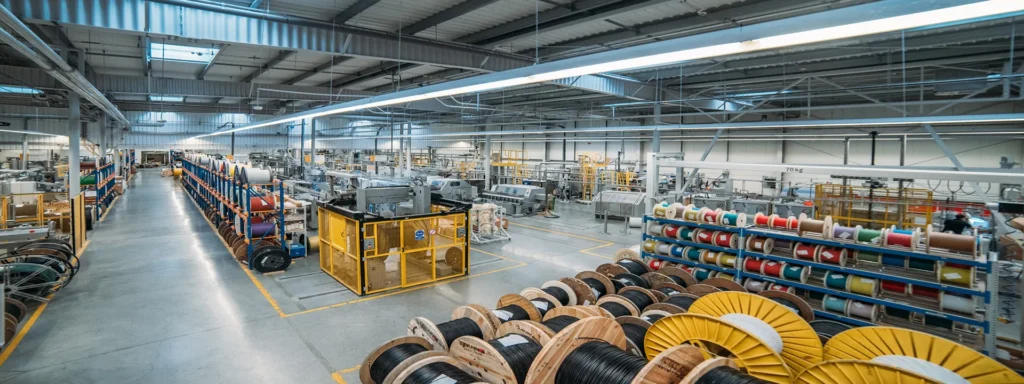
Pick an FTTH drop cable supplier based on long-term capacity, in-house testing, certification experience, and real export track record into your target regions—not only on price. Ask for factory details, sample reports, and at least a few reference projects in markets similar to yours.
Supplier spec comparison (what I suggest buyers ask)
| Parameter | Option A: Trading-Only Vendor | Option B: AIMIFIBER (Manufacturer) | What it means for you |
|---|---|---|---|
| Production lines | 0 | 16 lines (cables + assemblies) | Real capacity vs re-sourcing risk |
| In-house lab | No | Yes (IL/RL, tensile, temperature, CPR*) | Faster QA, custom test plans |
| Export regions | Limited | US/EU/LatAm/Africa/Middle East | Familiar with your customs and docs |
| OEM/ODM ability | Basic | Full OEM/ODM, logo, labeling, packaging | Easier to align with operator specs |
| Documentation | Minimal | Full datasheets, test reports, packing | Smoother audits and handovers |
* CPR testing itself is done at notified bodies; we prepare designs and manage the process.
Procurement & QA checklist (you can paste into your RFQ)
| Item | Spec to confirm | Doc required | Lead time | Incoterm |
|---|---|---|---|---|
| FTTH flat drop cable | Fiber (G.657.A2), core count, jacket | Datasheet + type test report | 2–4 weeks | EXW/CIF |
| Figure-8 self-support drop | Span length, messenger spec, tension | Mechanical test + sag/tension table | 3–5 weeks | EXW/CIF |
| Armored drop cable | Crush resistance, rodent resistance | Crush test, bending test report | 3–5 weeks | EXW/CIF |
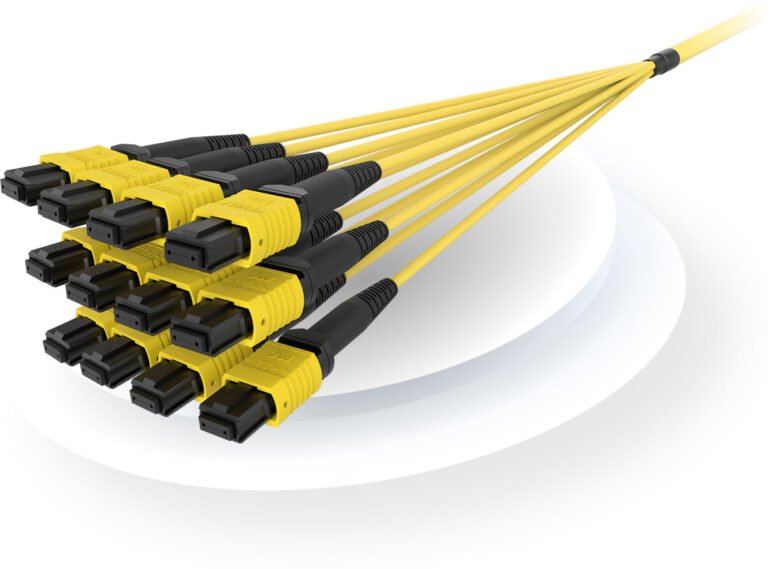
| Pre-terminated drop | Connector type, IL/RL, length set | IL/RL test sheet + labeling sample | 2–4 weeks | EXW/CIF |
| CPR indoor drop (EU) | Euroclass (Cca/B2ca), LSZH | DoP, CPR test report, CE marking sample | 4–8 weeks | EXW/CIF |
When you send us an RFQ at AIMIFIBER, this is exactly how I break it down: route type, climate, regulatory context, and your rollout schedule.
What FTTH drop cable questions should we clarify upfront with buyers?
When I review FTTH drop projects with procurement or engineers, the same questions appear again and again. Clarifying them early avoids change orders and disputes later.
The most important questions are about route type (aerial, façade, duct, buried), local standards (CPR, fire, labeling), connector strategy (field term vs pre-terminated), and how many meters of drop you expect per home passed. Answer those upfront and supplier discussions go much faster.
“FAQ-style” checklist I usually run through
| Question | Why it matters | How we handle it at AIMIFIBER |
|---|---|---|
| Aerial, façade, duct, or buried? | Drives structure (flat, figure-8, armored) | We map one route type to one cable family |
| Any CPR / fire / local building rules? | Limits jacket material and class | We cross-check against EN/IEC and operator spec |
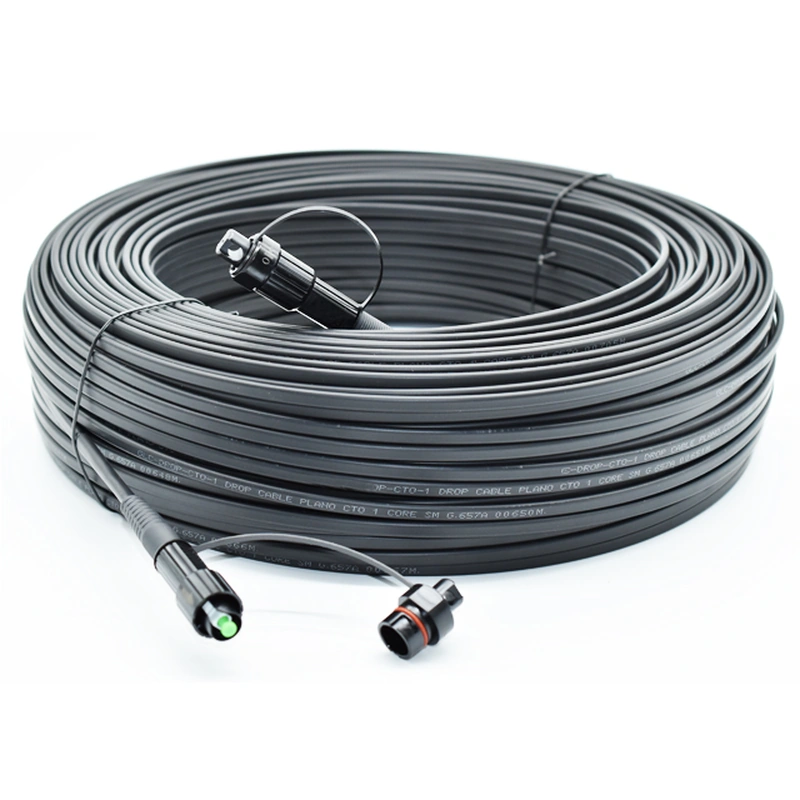
| Pre-terminated drops or field term in box? | Affects lead time, IL/RL, install speed | We offer both bare drop + pre-terminated kits |
| Average drop length per home? | Impacts reel lengths and logistics | We recommend standard reels vs cut lengths |
| Climate extremes (hot, cold, coastal, dusty)? | Affects jacket & strength member materials | We adapt materials (PE/LSZH, FRP/steel) |
If you send me answers to these five questions in your first email, I can usually come back with a realistic FTTH drop cable proposal within one working day.
Conclusion
From 2024 to 2030, FTTH drop cable demand will surge—but only some countries offer the right mix of growth and access. Once you choose your target regions, you still need to match drop cable design to route and regulation, and then choose a supplier who can scale with your rollout.
At AIMIFIBER, we focus on FTTH drop solutions—flat, figure-8, armored, and pre-terminated—with OEM/ODM support and real export experience in US, EU, LatAm, Africa, and the Middle East.
If you want a region-specific FTTH drop cable short list (with suggested specs and reel plans), email me at sophie@aimifiber.com and I’ll share the template I use with project managers and operators.