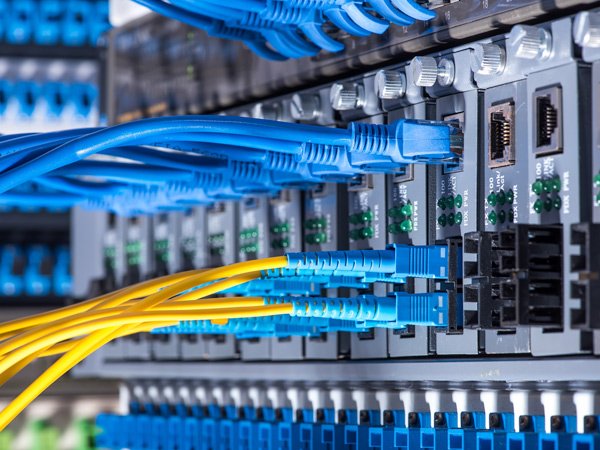
Secondary coatings play a critical role in the manufacturing of fiber optic cables, serving as a protective and functional layer surrounding the primary coating of optical fibers. This layer is designed not only to enhance the mechanical strength of the fiber but also to ensure long-term durability, environmental resistance, and signal clarity. For professionals engaged in telecom projects, factory investments, production management, or cable engineering, understanding secondary coatings is key to optimizing fiber optic performance and lifespan. This article dives deep into five essential aspects: its contribution to cable strengthening, its impact on durability, material and standards compliance, environmental protection, and the role in maintaining optical signal integrity. Together, these chapters illuminate why secondary coatings are indispensable in fiber optic cable production and procurement processes.
Reinforcing Connections: The Vital Role of Secondary Coating in Fiber Optic Cable Manufacturing
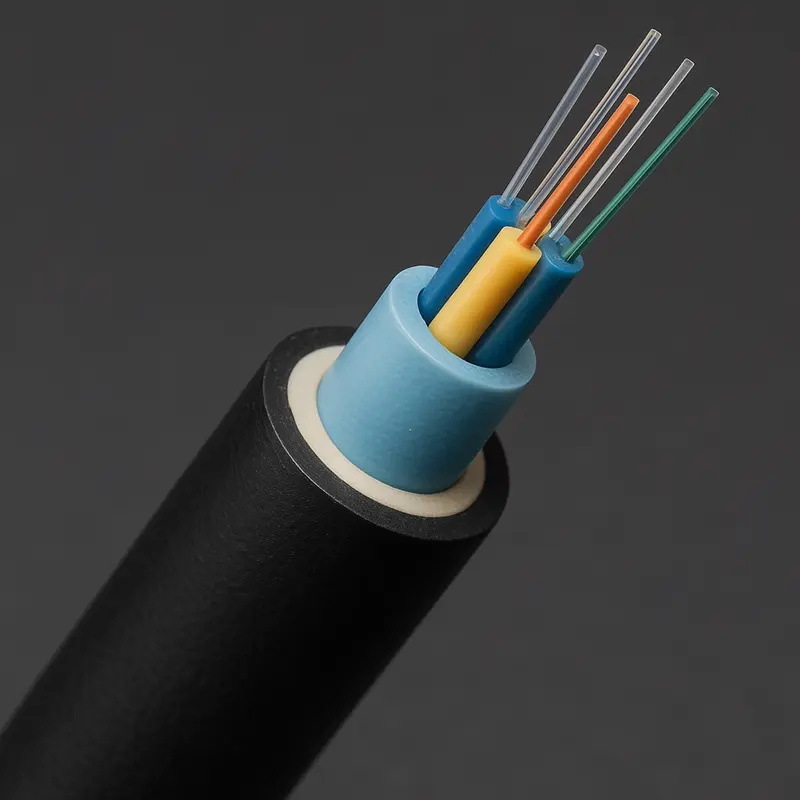
In fiber optic cable manufacturing, the secondary coating represents a critical stage in fortifying the delicate, glass-based optical fibers. Though often overlooked by those outside the industry, this layer significantly influences a cable's ability to thrive in various environments. More than mere protection, it shapes fiber optic cables' mechanical integrity, long-term efficiency, and adaptability.
The Purpose of Secondary Coating
At its core, the secondary coating serves as a buffer against external stresses, including mechanical wear, environmental fluctuations, and installation strain. Optical fibers are inherently fragile, prone to microbends and surface scratches that can disrupt their signal transmission. These vulnerabilities are amplified during handling and deployment processes, where physical pressures often compound. The secondary coating layers this delicate fiber in a robust shield, reducing direct exposure to potentially damaging forces without inhibiting flexibility. It ensures that optical fibers can withstand bending, longitudinal strain, and temperature variations while maintaining optimal performance metrics.
Material Science Behind Fiber Strength
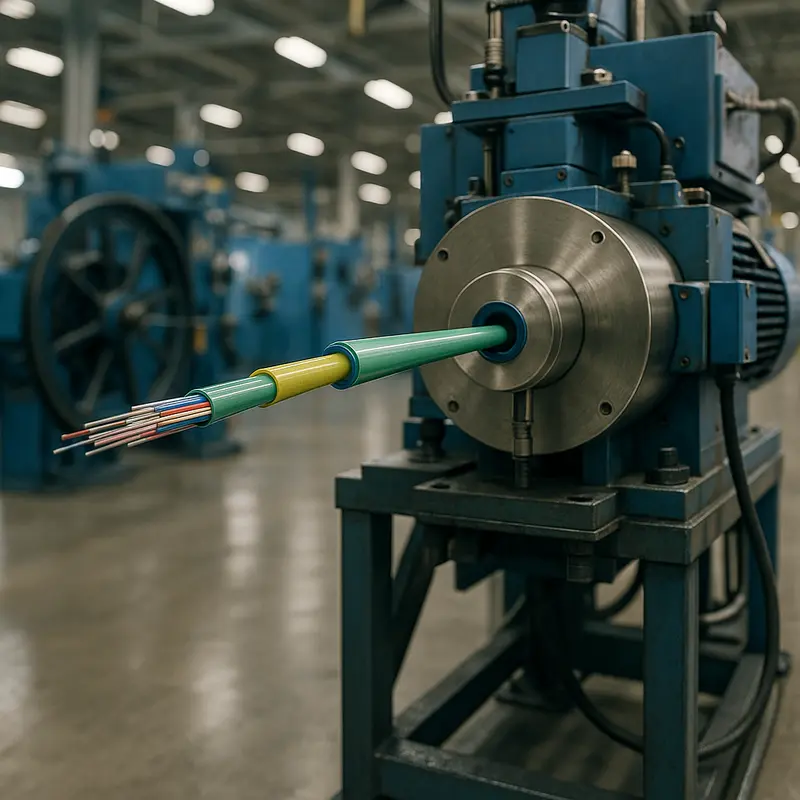
Secondary coatings are typically composed of thermoplastic or thermoset materials, selected for their durability and resilience. The coating is applied during the extrusion process and is engineered to adhere seamlessly to the primary coating layer beneath it, forming a unified protective shell. While adapting to material advancements, some manufacturers have incorporated newer polymers and composites into their coatings. These innovations enhance resistance against water ingress, ultraviolet radiation, and thermal cycles—vital elements for long-term cable efficacy.
Additionally, the secondary coating supports precise dimensional safeguards in the manufacturing line. A consistent layer thickness is imperative, as inconsistencies here can lead to uneven stress distribution within the cable and jeopardize overall reliability. This highlights the necessity of leveraging advanced controls during the extrusion process.
Mechanical Strength for Varied Applications
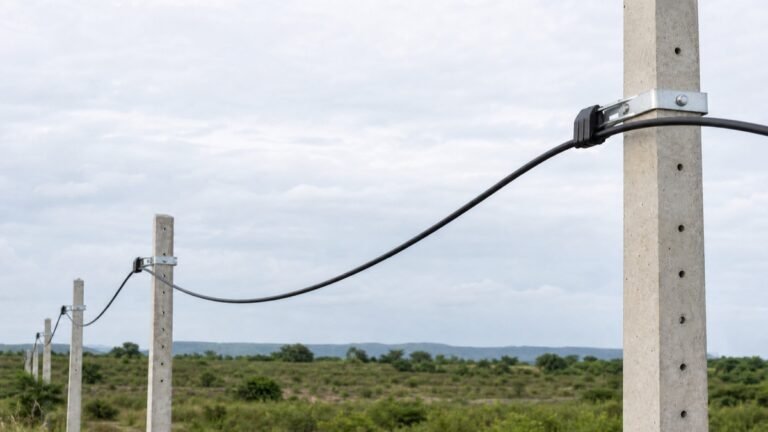
The secondary coating not only fortifies fiber optic cables against environmental stressors but also lends structural strength required for diverse applications, ranging from traditional underground deployments to aerial installations. Particularly in industrial or outdoor use cases, where fibers face heightened risks like mechanical abrasion, it secures the longevity of the cable network and minimizes maintenance needs.
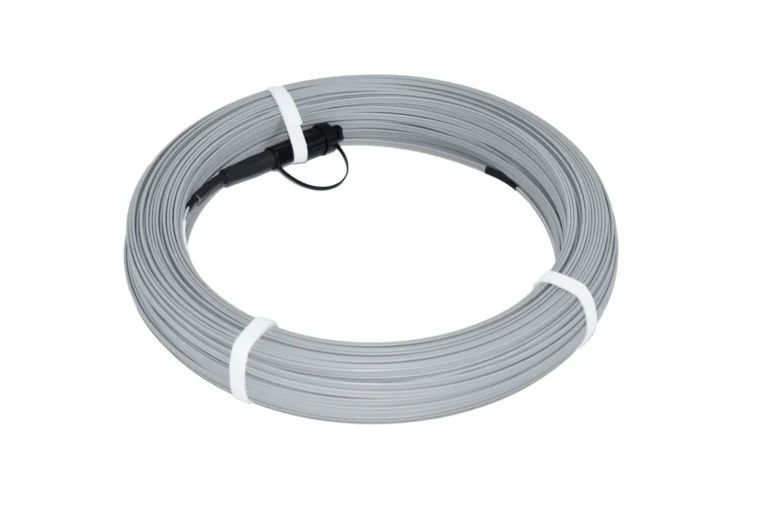
Cables used in Fiber-To-The-Home (FTTH) setups, for instance, benefit immensely from highly efficient secondary coatings. This coating ensures ease of cable placement without optical signal disruption, regardless of tight bends or complex routing demands. To learn more about minimizing losses in FTTH drop cables, visit reduce FTTH drop cable loss.
Ultimately, beyond its immediate protective benefits, the secondary coating reinforces one of the key properties of optical fiber systems: durability paired with precision. By safeguarding fibers from mechanical damage and instability, manufacturers enable modern fiber optic networks to perform reliably over decades, even under challenging conditions.
How Secondary Coatings Extend the Lifespan of Fiber Optic Cables
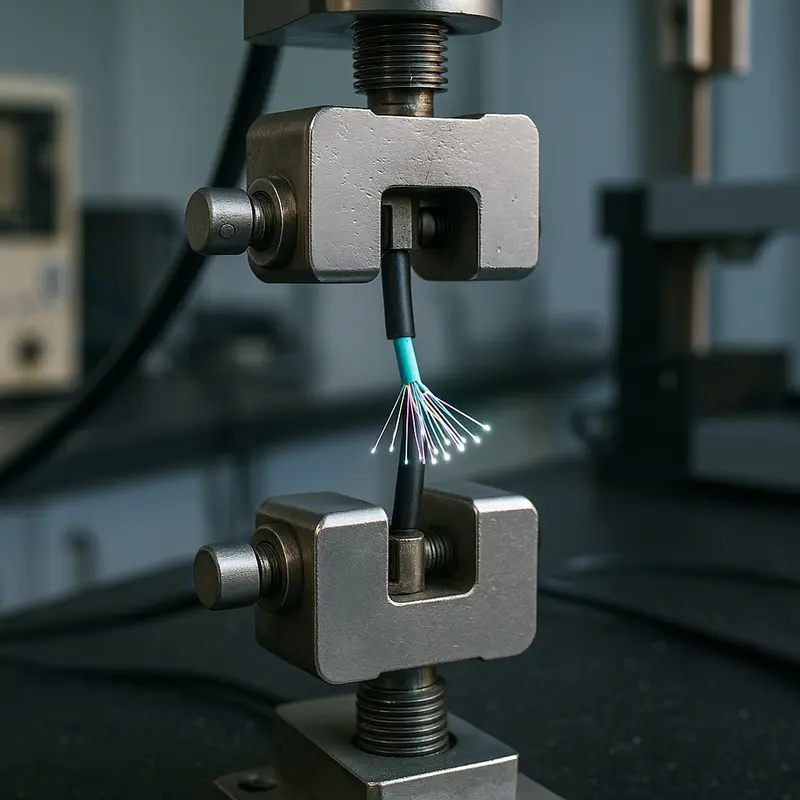
Fiber optic cables are the backbone of modern communication networks, transmitting light signals with unparalleled speed and efficiency. However, the durability of these cables determines their long-term performance and reliability, especially in harsh environmental conditions. This is where the secondary coating plays a pivotal role. Acting as both a shield and a support layer, the secondary coating ensures the longevity of the delicate optical fibers within, enabling them to perform optimally across various use cases.
The primary purpose of secondary coatings lies in their ability to safeguard fiber optic strands from external mechanical forces. During installation or maintenance, cables often endure significant tensile stress, bending, and even accidental impacts. Without an adequate secondary coating, the internal fibers would be directly exposed to these forces, making them highly susceptible to damage. The secondary coating creates a protective barrier that absorbs and distributes these stresses evenly, preventing microbends, fractures, or other deformations that could compromise signal transmission quality.
Beyond mechanical protection, the secondary coating also serves as a vital defense against environmental stressors. Fiber optic cables are often deployed in demanding conditions, such as underground ducts, oceanic depths, or high-altitude installations. Exposure to temperature fluctuations, moisture, chemicals, and UV radiation can slowly degrade the materials used in the cable. The secondary coating, typically composed of advanced polymer materials, is engineered to resist these elements, preserving the cable’s integrity in the long term. Its thermal stability prevents cracking in extreme cold or softening in high heat, making it indispensable for global network deployments.
Another crucial role of secondary coatings is ensuring dimensional consistency and compatibility with other layers of the cable. High-quality secondary coatings are optimized to maintain a uniform diameter and precise alignment throughout the cable manufacturing process. This is vital for ensuring that the cable remains compatible with connectors, splicing systems, and other infrastructure components, all of which demand strict tolerances. Inconsistencies in secondary coating thickness could lead to flaws in fiber alignment, resulting in signal attenuation and increased insertion losses.
Lastly, the secondary coating enhances the cable’s overall lifespan by mitigating the effects of aging. Over time, even the most durable materials can degrade due to prolonged stress and environmental exposure. Secondary coatings are often designed with additives that enhance their resistance to cracking, oxidation, and wear, extending the functional life of the cable and reducing maintenance costs. This durability is especially critical in applications like fiber-to-the-home (FTTH) networks, where regular cable replacement would be both disruptive and expensive.
To learn more about optimizing your fiber optic cable designs, you can explore additional insights on optical fiber secondary coating. Investing in reliable secondary coating processes during manufacturing is not just an option—it's a necessity to meet the growing demands for high-performance, long-lasting fiber optic networks.
Engineering Excellence: Material Standards and Composition in Secondary Coatings
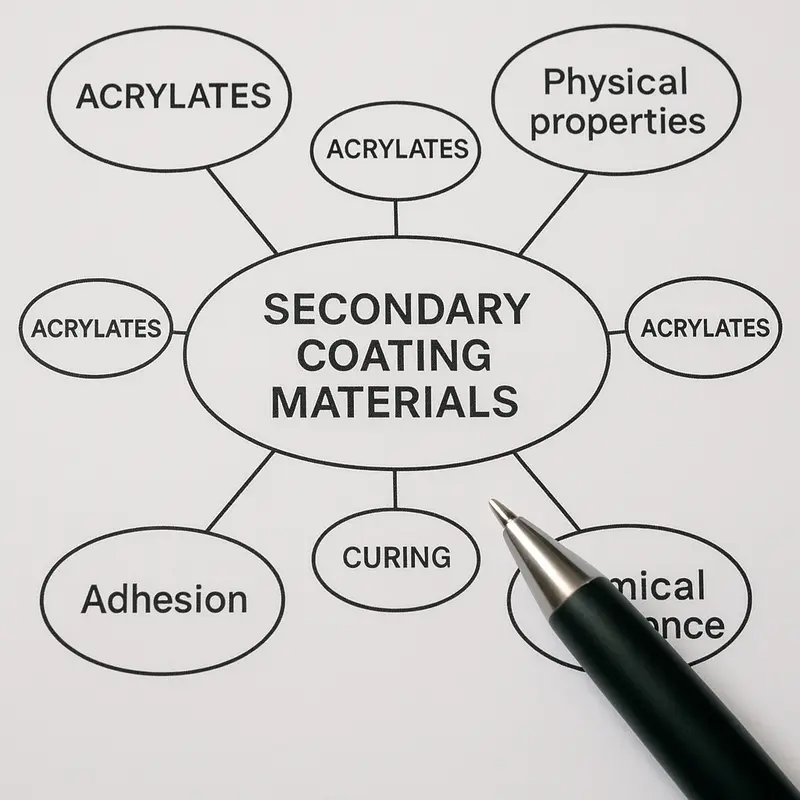
The secondary coating process in fiber optic cable manufacturing plays a pivotal role in safeguarding the delicate optical fibers during both installation and operation. Central to the success of this process is the meticulous selection and engineering of materials used for the secondary coating. These materials must meet rigorous technical standards to ensure that they provide not only adequate protection but also guarantee performance longevity.
Understanding Material Composition
Secondary coatings are typically composed of advanced polymer materials, engineered to address a range of mechanical and environmental stress factors. The flexibility of the secondary coating material must be precisely balanced with its durability to prevent microbending, a phenomenon that can severely degrade signal quality. Polyethylene, polypropylene, polyamide, and UV-curable acrylates are among the commonly used materials, chosen for their unique physical and chemical properties. Key attributes such as low thermal expansion, high tensile strength, and superior moisture resistance all contribute to preserving the integrity of the optical fiber.
In addition to base polymers, various additives are often integrated into the material to enhance its performance. For instance, stabilizers are added to improve heat tolerance, while ultraviolet (UV) blockers protect the fibers against sunlight-induced degradation. The combination of these materials ensures that secondary coatings are both functionally effective and able to withstand harsh environmental conditions, making them suitable for diverse applications, from undersea cables to urban optical networks.
Adhering to Technical Standards
To maintain reliability and consistency, secondary coatings must comply with stringent international standards. Organizations such as the International Telecommunication Union (ITU) and the International Electrotechnical Commission (IEC) define clear specifications for coating materials. These standards focus on critical properties like minimum elongation at break, permissible tensile loads, and permissible shrinkage during temperature fluctuations.
A notable technical requirement involves the coating's ability to adhere to the optical fiber without causing structural deformation. Improper adhesion can lead to delamination or microscopic cracking, which, over time, compromises the cable's performance. Advanced manufacturing processes ensure that the coating thickness is uniform across the fiber and well within predefined tolerance limits, effectively mitigating such risks. Quality control processes, including tensile strength testing and environmental simulations, further verify that the coated fibers meet both mechanical and operational requirements.
The Broader Impact on Fiber Optic Manufacturing
The interplay of material composition and technical standards defines much of the success of the secondary coating process. By optimizing this balance, manufacturers can ensure that fiber optic cables remain functional across a variety of demanding applications. Whether it is ensuring the durability of submarine cables exposed to saltwater or producing highly resilient cables for densely connected urban areas, secondary coatings are an indispensable component of fiber optic cable manufacturing.
For a more comprehensive understanding of the intricacies involved in this stage of the production process, exploring advanced secondary coating systems can provide deeper insight. Learn more about optical fiber secondary coating systems.
Environmental Safeguards: The Role of Secondary Coating in Fiber Optic Cable Manufacturing
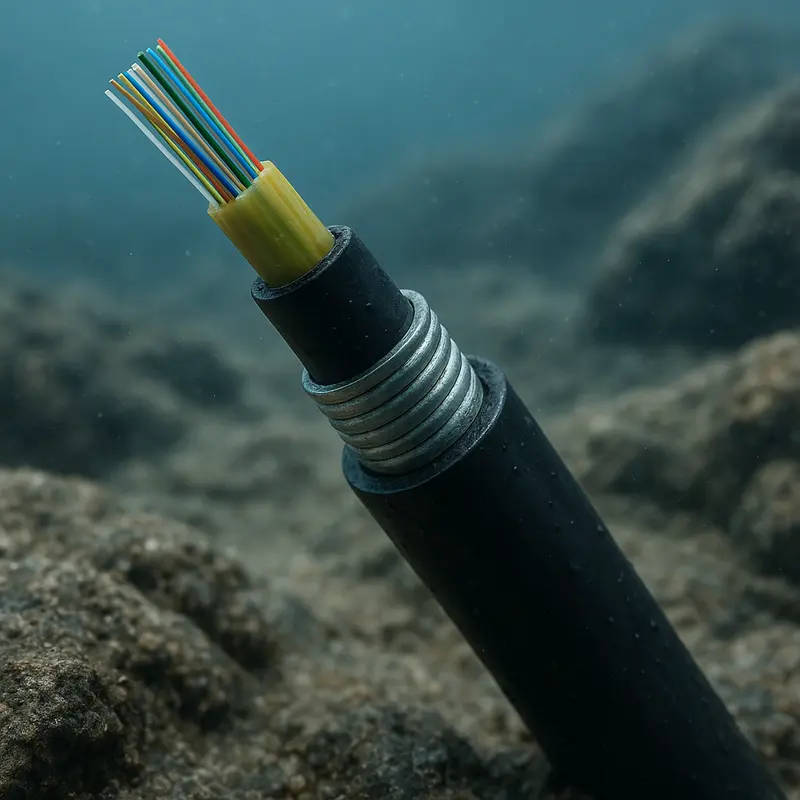
The secondary coating in fiber optic cable manufacturing serves far more than a structural purpose; its contribution to environmental protection is significant and often understated. While primary coatings focus on protecting the optical fiber core, secondary coatings bring an added layer of resilience—allowing fiber optic cables to withstand various environmental hazards, including moisture, mechanical stress, and temperature fluctuations. This resilience is integral in ensuring the longevity and performance of fiber optic networks deployed in diverse and often challenging environments.
Defensive Barrier Against Environmental Stressors
Secondary coatings act as a buffer, protecting the cable against external factors that would otherwise compromise its function. For instance, moisture ingress is a common issue that can lead to signal degradation and cable failure. The secondary coating is specifically engineered to offer robust water-resistance, sealing the internal components of the fiber optic cable from exposure to humidity or direct contact with water. Similarly, it shields the cable from mechanical abrasions caused by debris, animals, or human activities such as excavation.
Beyond physical threats, variations in temperature also pose a risk to the efficiency of fiber optic cables. Without adequate protection, extreme cold can cause materials to contract, leading to micro-fractures, while excessive heat can result in structural deformation. Secondary coatings are often tailored using specialized materials to mitigate these risks, ensuring thermal stability across a broad range of operating conditions. These features make the adaptation of fiber optic cables feasible in environments spanning deserts, tundras, and underwater networks.
Material Composition and Environmental Compliance
The materials used in secondary coatings are chosen not only for their performance characteristics but also for their environmental impact. Increased attention has been placed on the development of coatings that meet stringent regulatory standards for environmental safety. Manufacturers now prioritize non-toxic, recyclable, and sustainable materials, ensuring that fiber optic production and installation minimize environmental harm. Innovations in material science have led to coatings with reduced volatile organic compound (VOC) emissions, which contribute to better air quality during manufacturing phases.
When fiber optic cables reach the end of their lifecycle, secondary coatings play a pivotal role in facilitating environmentally-friendly disposal or recycling. Coatings with biodegradable properties allow cable components to return to the ecosystem in a more responsible manner, reducing waste accumulation.
Enhancing Network Reliability and Sustainability
The implications of secondary coatings on long-term network reliability are profound. By safeguarding cables from environmental threats, they indirectly reduce the need for frequent cable replacements or repairs, thereby lowering material consumption and operational costs. Additionally, the reduced maintenance facilitates long-term sustainability in fiber optic infrastructure. These factors align with the global push for eco-friendly networking solutions, supporting carbon footprint reduction initiatives across industries.
Managing these intricate aspects of secondary coating design requires careful manufacturing setups. For a deeper understanding of optimization in optical cable production, explore this guide to secondary coating systems. Such innovations ensure that fiber optic cables meet both technical demands and environmental expectations.
In conclusion, the secondary coating is not just a technical necessity but also a vital component for environmental stewardship. Its role extends well beyond protection, embodying the values of sustainability, resilience, and eco-conscious innovation in modern telecommunications infrastructure.
How Secondary Coatings Safeguard Optical Signal Integrity in Fiber Optic Manufacturing
In fiber optic cable manufacturing, safeguarding the integrity of optical signals is paramount to ensuring reliable performance. While the core optical fiber carries the information, it is the surrounding construction—particularly the secondary coating—that plays a crucial role in maintaining the quality of signal transmission. By creating a protective barrier, the secondary coating ensures that the optical signals remain stable and unimpaired as they traverse long distances.
The primary purpose of the secondary coating is to provide mechanical protection to the optical fiber. During the manufacturing and operational lifetime of a fiber optic cable, the core fibers are subjected to various types of stress, including bending, tensile forces, and environmental exposure. These physical forces can introduce tiny microbends or macrobends in the optical fiber, both of which disrupt the light's path and cause signal attenuation. The secondary coating mitigates these issues by acting as a buffer, absorbing external stresses and maintaining the fiber’s structural integrity.
Signal attenuation is one of the primary challenges in fiber optic communication. Light signals may degrade or lose strength if the fiber is not adequately protected. The secondary coating counters this risk by providing a stable environment for the fiber. It minimizes the chances of external factors like vibrations, temperature fluctuations, and pressure changes impacting the optical fiber's precision alignment. This stable environment is critical for maintaining the fiber’s refractive index profile, ensuring the light signals remain concentrated and distributed as intended.
In addition to its protective function, the secondary coating contributes to the fiber's overall durability and compatibility with the cable construction process. For instance, it allows the fiber to be modified into tight-buffered or loose-tube designs, depending on the application requirements. By ensuring that the fiber remains free of distortion or deformation during assembly, the secondary coating directly supports the long-term reliability of the optical signals.
Material selection in secondary coatings is another critical factor influencing signal integrity. Manufacturers often use advanced polymers engineered to offer optimal flexibility, thermal stability, and adhesion properties. The selection of these materials can enhance the coating's ability to withstand physical shocks, moisture ingress, and chemical exposure. When executed correctly, this layer works in tandem with the rest of the cable structure to protect the delicate optical fibers from external threats.
The importance of secondary coatings doesn’t end with their functional properties; their role in the manufacturing processes also contributes to signal quality. Coating machines are calibrated carefully to ensure the application is uniform and free of inconsistencies, as any coating defects could lead to weak points in the cable. For deeper insight into how secondary coatings are applied during fiber optic production, visit this article on optical fiber secondary coating.
In conclusion, the secondary coating is much more than a protective layer. It is integral to maintaining optical signal integrity by absorbing external stresses, minimizing signal attenuation, and ensuring the fiber's structural reliability. This aspect of fiber optic cable manufacturing underscores the importance of precision and quality in secondary coating processes to enable seamless communication systems worldwide.
Final thoughts
The secondary coating in fiber optic cable manufacturing is far more than an auxiliary layer—it is a vital component for achieving optimal strength, durability, environmental resistance, and signal clarity. Across its various contributions, it ensures mechanical support, protects against wear and tear, enables compliance with strict industry standards, wards off environmental threats, and safeguards the integrity of the optical signals upon which modern connectivity depends. By prioritizing quality in secondary coatings, telecom project managers, ISPs, production managers, and engineers alike can ensure their fiber optic setups meet both immediate and long-term performance goals.
Enhance your fiber optic projects with AIMIFIBER’s customized FTTH solutions. Contact us for product advice, OEM/ODM services, and expert manufacturing support.
Learn more: https://aimifiber.com/contact-us/
About us
AIMIFIBER provides pre-terminated fiber optic solutions, FTTH drop cables, patch cords, pigtails, FTTA products, and customized fiber assemblies for telecom and data center projects, ensuring high-performance products tailored to diverse connection needs.