Optical fiber secondary coating is a critical step in the production of robust and high-performance fiber optic cables. This process ensures that the primary-coated optical fibers are adequately protected from mechanical stress, environmental exposure, and operational demands. For telecom project managers, ISP procurement teams, factory investors, production managers, and fiber optic engineers, understanding the necessary equipment and its technical specifications is paramount. In this guide, we’ll explore key machinery used in secondary coating production, their technical benchmarks, and the importance of environmental controls. We'll also cover automation tools that streamline operations, quality control equipment crucial to yield consistency, and the maintenance practices required to boost productivity and extend equipment lifespan. Every aspect is designed to provide actionable insights for professionals invested in efficient and high-quality fiber optic production.
Essential Machinery for Optical Fiber Secondary Coating: A Complete Overview
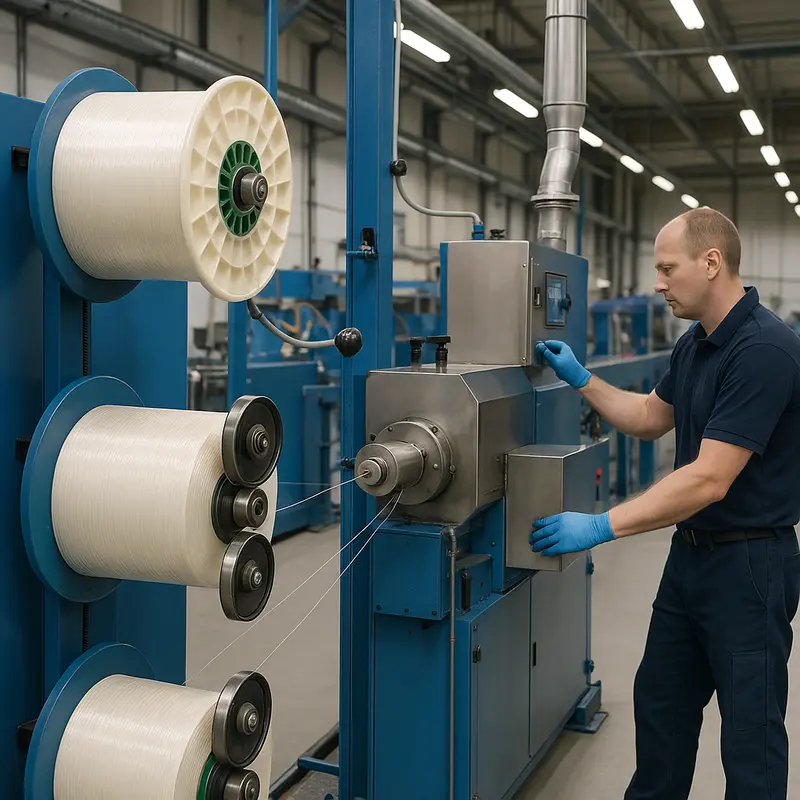
In optical fiber manufacturing, secondary coating is a critical step that enhances durability, protects against environmental factors, and ensures compatibility with cable designs. This process demands precision engineering and specialized equipment to deliver optimal results. Understanding the essential machinery used in this stage can provide insights into streamlining production and achieving higher-quality output.
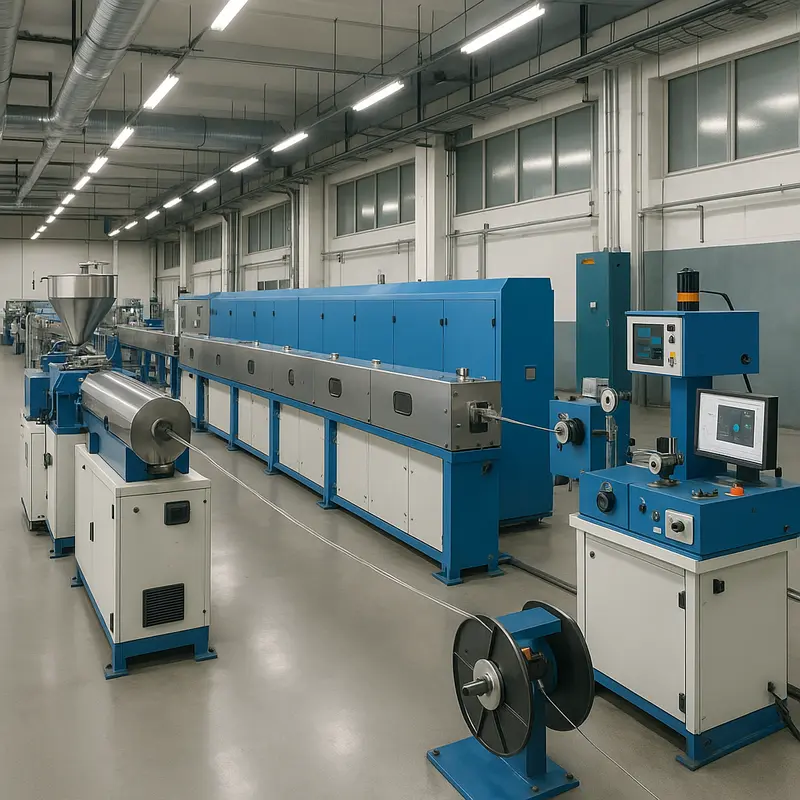
The cornerstone of secondary coating operations is the secondary coating line. This integrated system encapsulates optical fibers with a layer of polymer material, ensuring added mechanical protection and adherence to specific industry standards. A typical coating line consists of several key components, each designed to address different aspects of the process:
Fiber Payoff Units: These apparatuses hold pre-coated optical fibers supplied from preceding production stages. Their design emphasizes tension consistency to prevent bending or microscopic fractures during the unwinding phase. Precision-driven controls minimize disruptions and keep fibers running smoothly into the coating process.
Extrusion Equipment: At the core of the operation lies the extruder, which applies a secondary plastic layer to the optical fiber. The extruder heats and pushes polymer material through a die, encasing the fiber as it passes through. The choice of extrusion setup significantly impacts coating uniformity, adherence, and overall efficiency. For insights on selecting the right extruder, refer to this guide on extruders.
Temperature Control Systems: Polymer materials used in secondary coating lines often demand extreme precision in temperature management. Heating and cooling systems ensure that the plastics are at optimal viscosity during extrusion while solidifying within controlled conditions to avoid defects.
Crosshead Die Assemblies: This specialized component plays a vital role in ensuring the accurate alignment of the fiber within the coating material. Its precision determines whether the fiber is centered perfectly within its protective layers, which is crucial for maintaining optical performance.
Curing Systems: After applying the secondary coating, the polymer is exposed to ultraviolet (UV) light or thermal curing systems, solidifying the added layer. UV curing is popular for its speed and efficiency, though it requires high-quality UV lamps and regulators for consistent results.
Tension Control and Monitoring Units: To prevent slack or fiber damage, tension monitors adjust the mechanical pull exerted throughout the coating process. These systems also provide real-time feedback to operators, allowing for on-the-fly adjustments.
Take-Up Units: These mechanisms coil the coated fiber onto reels, preparing it for the next stages of production. Proper reel arrangement ensures that fibers meet transport and storage requirements while protecting their integrity.
Beyond these core components, advanced secondary coating systems integrate monitoring sensors and automated controls. These tools enhance process reliability by ensuring precise polymer application, detecting anomalies, and maintaining stringent production tolerances.
The integration of these machines into a cohesive production line not only boosts efficiency but also safeguards product quality. Each component must function in harmony, demonstrating how critical the choice of equipment is to the final outcome. Whether producing dense, multi-fiber cables or single-fiber structures, the right secondary coating machinery sets the foundation for success in modern optical fiber manufacturing.
Decoding the Machinery: Technical Essentials for Optical Fiber Secondary Coating
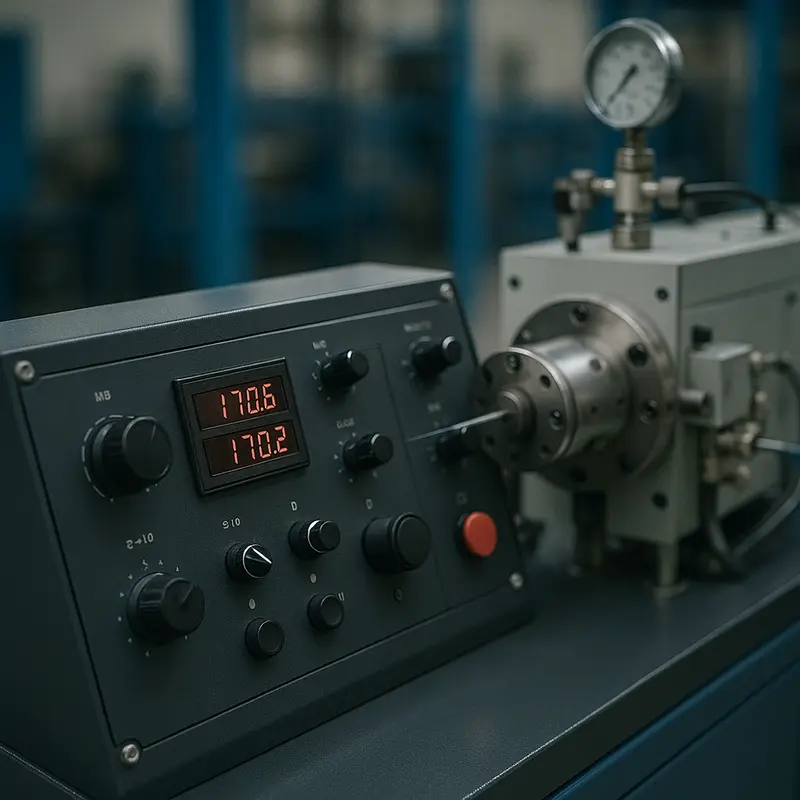
The production of optical fiber secondary coatings demands specialized machinery engineered with precision to ensure the integrity and reliability of the final product. These machines are designed to apply a protective secondary layer over the primary-coated optical fiber, enhancing its durability and suitability for various environmental conditions. Understanding the technical specifications of these machines is vital for achieving a seamless coating process and maintaining high production standards.
At the core of the secondary coating process is the extrusion line, a critical system that governs the application of the secondary layer. The extrusion system must operate with exceptional precision to form a uniform coating around the optical fiber while maintaining its pristine optical properties. Key components of this line include a high-precision extruder, cooling systems, and pulling mechanisms. The extruder is responsible for melting and applying the protective material, such as polyethylene or polypropylene, to the fiber. Modern extruders are equipped with digital temperature controls to ensure consistent material flow and avoid degradation of the coating medium.
Equally important are automated tension controllers. These ensure that the optical fiber remains properly aligned and avoids excessive strain during the coating process. Even minor deviations in tension can lead to imperfections, such as microbends, that weaken the fiber’s ability to transmit light effectively. Advanced tension control systems often incorporate real-time monitoring to adjust parameters dynamically, reducing the risk of production errors.
Another indispensable feature is the die assembly, which helps shape the extrusion material into a precise and consistent layer encasing the fiber. The dies must be constructed from robust materials like hardened steel to withstand the high pressures and temperatures involved in the process. Their accuracy is paramount, as even minuscule variations can compromise the mechanical performance and longevity of the coated fiber.
Cooling systems play a critical role in stabilizing the secondary coating immediately after application. These typically involve water or air-based methods to solidify the material uniformly and prevent deformation. An efficient cooling setup should feature adjustable flow rates and temperatures to accommodate variations in production speed and material properties.
To ensure the final product meets industry standards, rigorous inspection systems are often integrated into the coating line. These use laser or optical scanners to assess the coated fiber for consistency, detecting anomalies such as uneven thickness or surface irregularities. Real-time feedback from these inspection units enables operators to make adjustments during production, minimizing waste and enhancing quality control.
Lastly, high-speed take-up and pay-off systems are crucial for efficient operation. These systems manage the input of raw optical fibers and the winding of coated fibers onto spools for subsequent processing or shipment. State-of-the-art designs minimize vibration, ensuring the fibers remain undamaged during this transition.
For deeper insights into related machinery setups, you can refer to this comprehensive guide on fiber cable production lines. It provides valuable context on how these systems integrate into broader manufacturing workflows, maximizing productivity while minimizing inefficiencies.
In summary, the technical specifications of machines used in optical fiber secondary coating revolve around precision, reliability, and adaptability. Mastering these details is essential for any manufacturer aiming to produce high-quality coated fibers capable of withstanding the demands of modern communication networks.
The Crucial Impact of Environmental Controls on Optical Fiber Coating
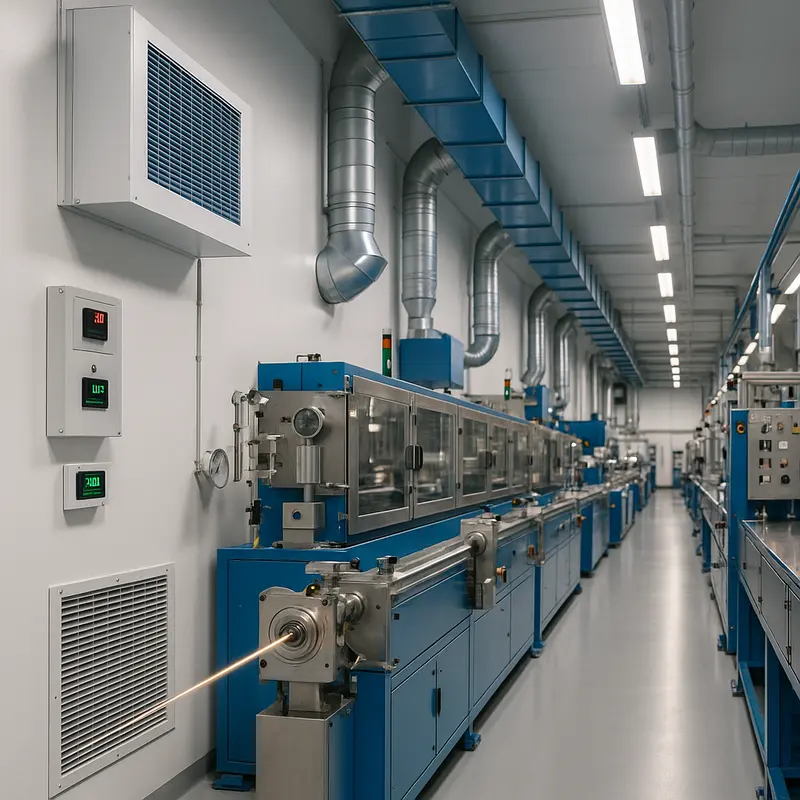
In the intricate process of optical fiber secondary coating production, environmental controls serve as the unseen backbone ensuring quality and consistency. The physical and chemical properties of optical fibers are acutely sensitive to surrounding conditions, making it essential to maintain rigorously controlled environments throughout every stage of coating.
Temperature and Humidity: A Delicate Balance
One of the most critical aspects of environmental control is managing temperature and humidity within the production area. These factors directly affect the viscosity of coating materials and the curing process, which relies on precise polymerization reactions. Temperature deviations can alter the curing rate, leading to inconsistencies in the secondary coating thickness, reduced protection, or even microfractures in the fiber. Similarly, fluctuations in humidity can result in undesired moisture absorption by the fiber or coating materials, compromising their structural integrity.
Advanced climate control systems are necessary to overcome these challenges. These systems monitor and adjust conditions automatically, ensuring that no unexpected variables disrupt the coating process. For facilities operating at scale, integrating such systems into the production workflow is non-negotiable.
Air Quality Control: Purity Matters
Ensuring the purity of the air within the production environment is another indispensable element. Microparticles, dust, and other contaminants can adhere to the fibers before or during the coating application, creating defects that hinder performance. High-efficiency particulate air (HEPA) filters and air purification systems are vital for removing these impurities. Additionally, preventing contamination during the curing stage is critical, as this is when the coating is most vulnerable.
Cleanroom standards further elevate environmental controls, creating a sealed, controlled environment that minimizes the presence of airborne pollutants. Operators working within cleanrooms must follow stringent protocols, including wearing specialized attire, to reduce the risk of contamination.
Workflow Optimization Through Environmental Consistency
Beyond the immediate physical parameters, stable environmental conditions foster more efficient workflows. Machines function optimally in environments free from abrupt changes, reducing downtime or calibration needs. Production lines that consistently operate under controlled conditions see fewer defects and yield higher throughput, improving overall profitability and customer satisfaction.
Furthermore, attention to environmental factors can limit waste generation. Proper curing and coating minimize material wastage, aligning with sustainability goals—a growing priority in fiber optic production.
The Integrated Approach for Excellence
For manufacturers considering environmental controls as ancillary to major equipment investments, this would be a costly oversight. A cohesive strategy that integrates climate regulation, air purification, and cleanroom setups guarantees the reliability of secondary coating processes. By embedding such controls proactively, fiber optic factories can produce coatings that meet the stringent performance standards demanded by modern infrastructure.
For further insights into optimizing production setups and facilities, explore fiber optic workshop layouts.
Precision in Motion: The Role of Automation and Quality Control in Secondary Coating of Optical Fibers
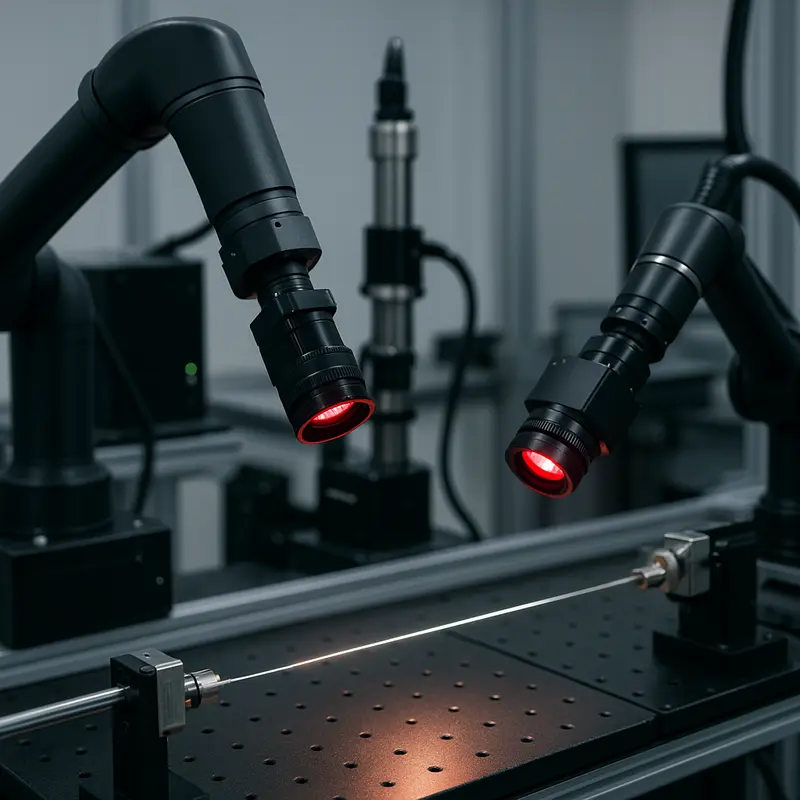
The secondary coating production of optical fibers hinges on the importance of precision and efficiency. With the increasing demand for high-quality fiber optic cables, automation and quality control machinery play a pivotal role in refining production processes. These systems are not merely ancillary but serve as the backbone for ensuring speed, consistency, and reliability in manufacturing operations.
At its core, automation in secondary optical fiber coating involves specialized machinery that extends the fiber’s durability while preserving its functional properties. The secondary coating process creates a buffer layer that shields the delicate optical fiber from mechanical stress and environmental hazards. Achieving uniformity in this protective layer is critical, and automated extrusion systems are central to this effort. These systems precisely regulate material application, thickness, and curing processes, which minimizes human error and accelerates production timelines. For manufacturers, automation offers the added advantage of scalability, enabling them to ramp up operations without compromising quality.
Equally indispensable are the mechanisms for quality control embedded within secondary coating production lines. The production process includes continuous monitoring systems that assess the fiber coating for defects such as uneven surfaces, concentricity inconsistencies, and microfractures. Sophisticated inspection technologies—often using tools like laser micrometers or imaging setups—provide real-time feedback, ensuring immediate corrections when deviations are detected. These monitoring systems not only enhance product quality but also substantially reduce waste by identifying errors early in the process.
Modern-day secondary optical fiber coating lines integrate both automation and inspection technologies in seamless tandem. A significant innovation in this field is the adoption of centralized software systems for data integration. These platforms allow manufacturers to combine data from automated machinery and quality control monitors, creating an ecosystem of adaptive manufacturing. Such systems continuously learn and refine operations, balancing efficiency with precision—a hallmark of advanced production.
The economic benefits of automation and quality control equipment cannot be overstated. The initial investment in these robust systems yields returns through reduced operational costs, lower waste levels, and improved production capacities. Additionally, businesses utilizing cutting-edge technology in secondary coating lay the groundwork for boosting their competitive edge, meeting global standards, and addressing customer requirements for flawless fiber optic products.
Selecting the right equipment and system configurations is vital for manufacturers aiming to set up or upgrade their fiber optic production facilities. By leveraging advancements in automated extrusion systems and interwoven quality control mechanisms, businesses can confidently meet the growing market demands for resilient and high-performance optical fibers.
To dive deeper into the intricacies of fiber cable production, this resource on choosing cable production lines offers additional insights into designing scalable and efficient setups.
Ensuring Precision: Maintenance and Calibration in Optical Fiber Coating Equipment
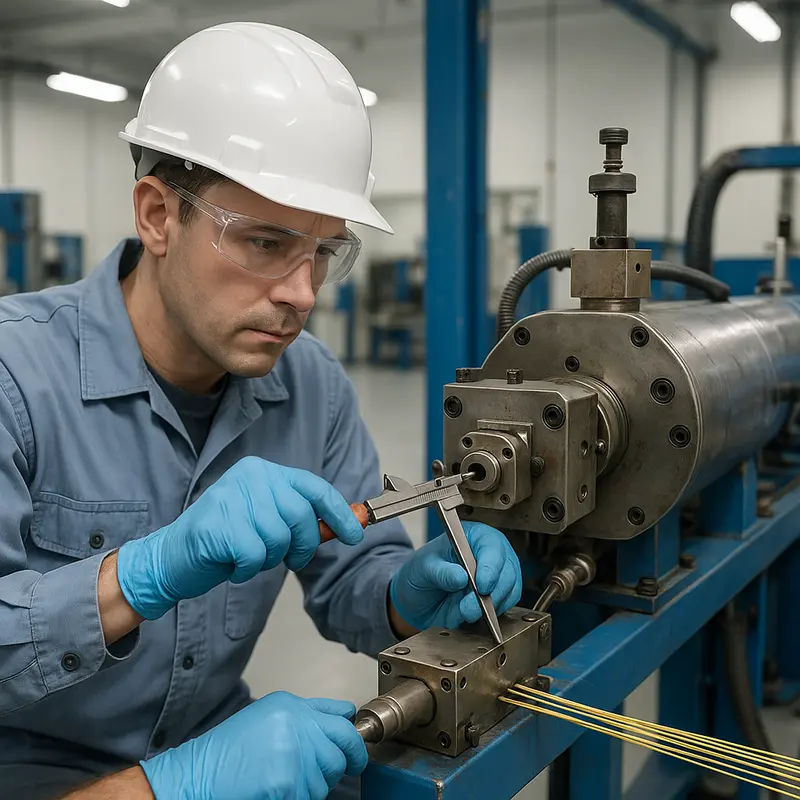
In the realm of optical fiber secondary coating production, the importance of meticulous maintenance and precise calibration cannot be overstated. These processes are the backbone of ensuring machinery operates at peak performance, provides consistent coating thickness, and minimizes production errors, all while maximizing the lifespan of the equipment.
Effective maintenance routines start with a structured schedule that addresses both preventive and corrective measures. Preventive maintenance involves routine inspections of critical components such as die heads, curing ovens, and tension control systems. Performing regular checks on these elements helps identify wear and tear before it escalates into significant malfunctions. For instance, cleaning and lubricating moving parts prevents the buildup of debris and reduces friction, ensuring smooth operation. Proactive replacements of vulnerable parts like sealing rings or feeding rollers can also avert unexpected downtime.
Corrective maintenance, on the other hand, requires promptly addressing issues that arise during production. Anomalies such as uneven coating application or inconsistent curing are often symptomatic of deeper mechanical problems. Addressing these divergences swiftly not only restores operational accuracy but also reduces the likelihood of producing defective batches of coated fibers. Maintenance personnel should be well-trained to troubleshoot these situations, leveraging diagnostic tools to pinpoint faults efficiently.
Calibration, a complementary yet distinct process, ensures that machinery consistently delivers the desired specifications. Optical fiber secondary coating often involves incredibly tight tolerances, so precise alignment of components is critical. Calibration typically begins with ensuring that the coating die aligns perfectly with the fiber's path. Misalignments, even as small as micrometers, can lead to uneven coatings which negatively affect the fiber’s performance.
Equally vital is the calibration of curing ovens, which solidify the protective layer. Variations in curing parameters like UV intensity or temperature can compromise the coating’s adherence and durability. Advanced calibration tools, such as spectroradiometers or thermal imaging devices, are instrumental in achieving uniformity. Regular recalibration is also necessary after replacing key parts or upon detecting significant production variances.
Moreover, maintaining accurate tension controls across the fiber path ensures the fiber is neither overstressed nor slack during its journey through the machinery. This not only safeguards the optical fiber’s integrity but also facilitates uniform coating application. Automated systems with built-in feedback mechanisms can assist by dynamically adjusting tension settings and alerting operators of anomalies.
To facilitate smooth operations, factory managers should also foster a culture emphasizing documentation and training. Maintaining detailed logs for all maintenance and calibration activities helps create an actionable data trail, which can guide future efforts. Additionally, investing in upskilling technicians ensures they are equipped to implement best practices and adapt to emerging technologies.
For more insights on creating efficient optical fiber production lines and structuring facility layouts, visit this comprehensive guide. Carefully planned workflows, paired with stringent equipment maintenance and calibration protocols, enable consistent output quality and streamline operational efficiency across fiber coating production lines.
Final thoughts
Equipping your optical fiber secondary coating production line with the right machinery, ensuring optimal environmental controls, implementing advanced automation, and adhering to a strict regimen of maintenance and calibration are all essential steps to ensure success in this industry. By investing in the appropriate equipment and practices, telecom companies, ISPs, and manufacturers can meet growing demands with top-tier product quality. The long-term benefits include higher operational efficiency, reduced downtime, and superior client satisfaction.
Contact AIMIFIBER for FTTH cable, patch cord, and pre-terminated fiber optic solution support, OEM/ODM service, and practical product advice.
Learn more: https://aimifiber.com/contact-us/
About us
AIMIFIBER provides pre-terminated fiber optic solutions, FTTH drop cables, patch cords, pigtails, FTTA products, and customized fiber assemblies for telecom and data center projects.