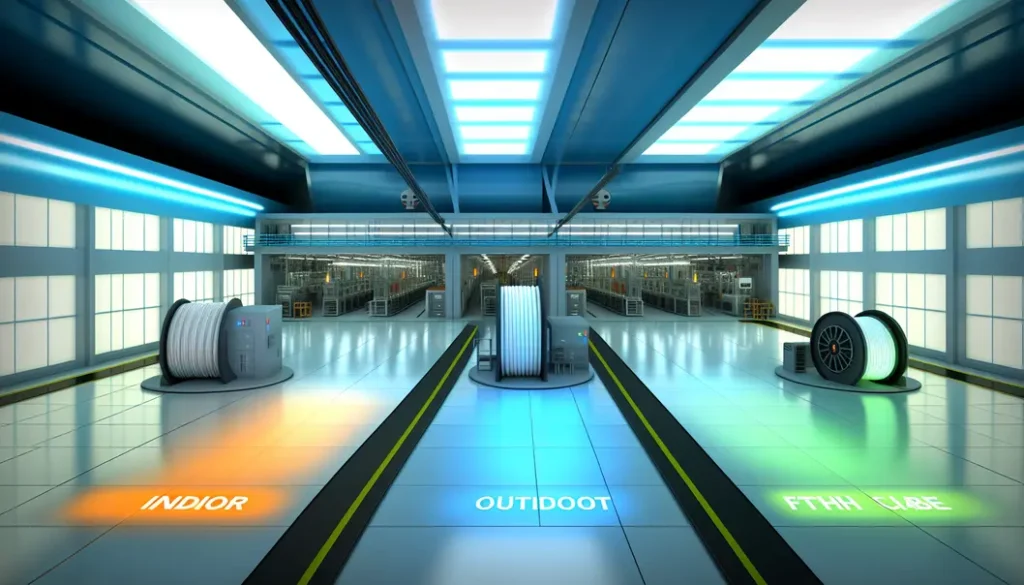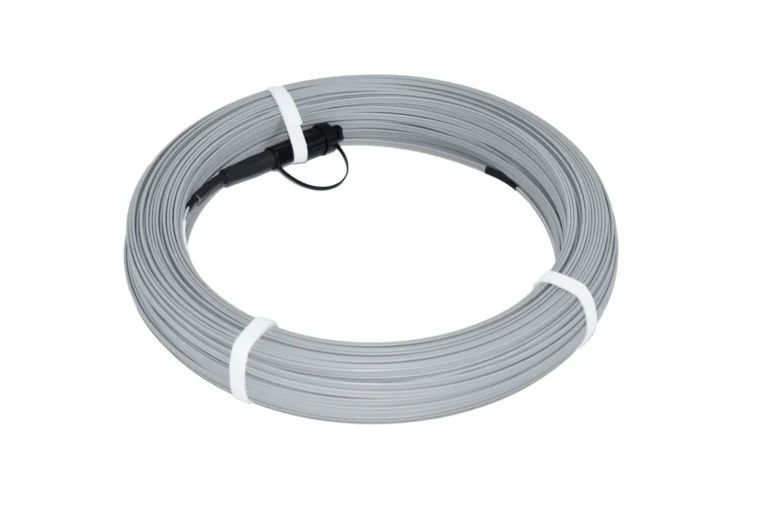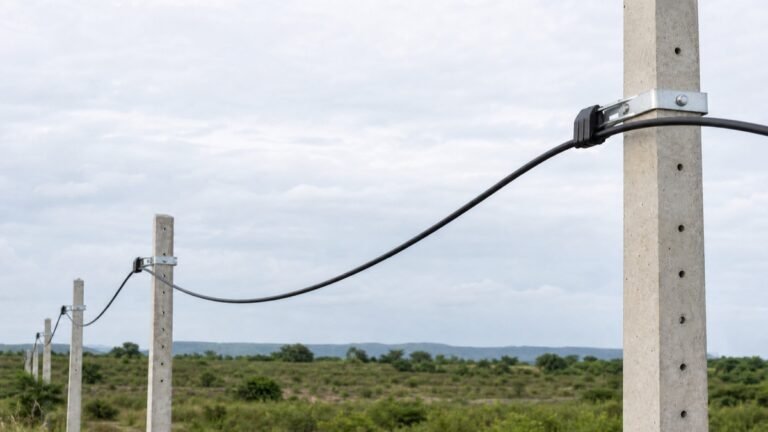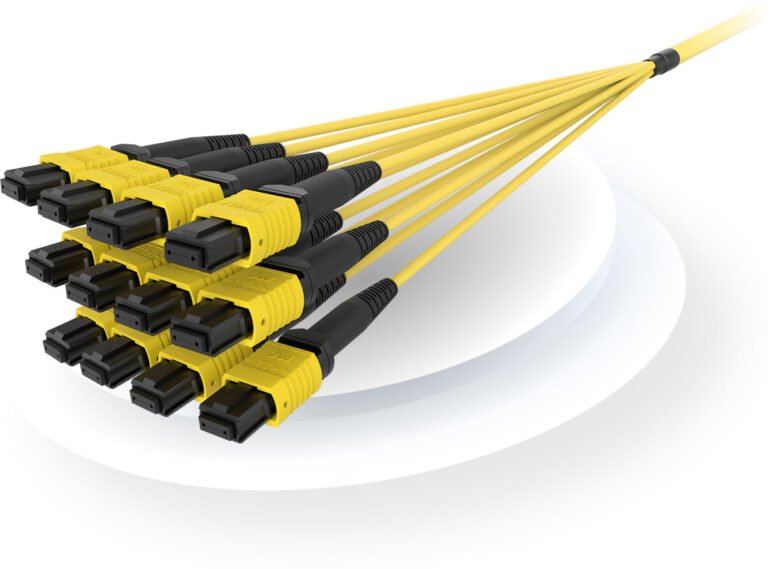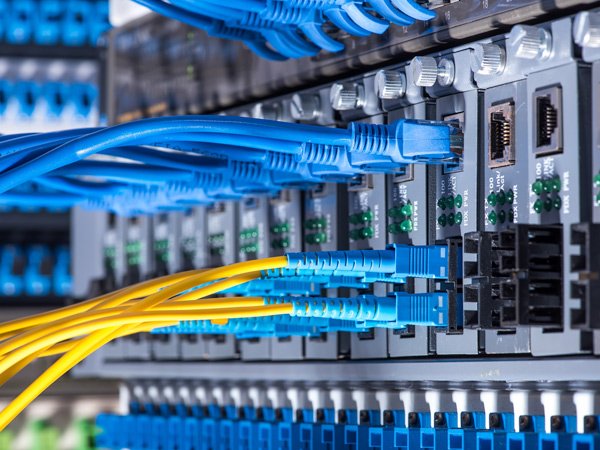
The advancement of fiber optic networks has opened up significant opportunities and challenges for telecom project managers, ISP procurement teams, factory investors, production managers, and fiber optic engineers. Chief among them is the decision between indoor, outdoor, and FTTH cable production lines. Each production line serves unique applications, with critical considerations ranging from operational requirements to technical configurations and cost implications. This article explores the core factors influencing these choices, offering actionable insights tailored to various stakeholders in the fiber optic industry. We will dive into indoor cable production for controlled environments, examine outdoor lines designed for durability, evaluate FTTH lines catered to direct-to-home deployments, and compare their trade-offs. By the end, you will have a comprehensive framework for making informed decisions about which cable production line aligns best with your operational goals.
Key Factors for Selecting Indoor Cable Production Lines to Streamline Manufacturing
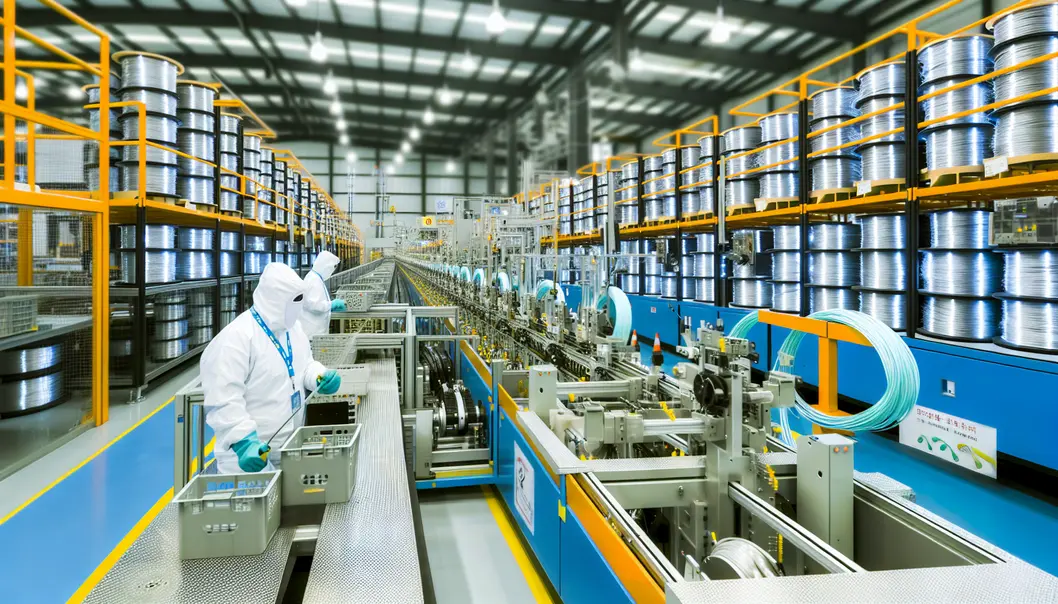
Efficiently designing an indoor cable production line is critical for businesses aiming to meet modern manufacturing demands while maintaining cost-effectiveness and scalability. The choice of such a production line hinges on distinctive operational factors, material considerations, and the intended application of cables. Understanding these nuances helps manufacturers optimize their processes for performance and adaptability.
Assessing Manufacturing Space and Requirements
Indoor cable production lines typically thrive in controlled environments, making spatial configuration one of the first aspects to evaluate. Proper planning of the workshop layout is essential to ensure streamlined workflow, reduced production bottlenecks, and effective utilization of machinery. Given the constraints of indoor facilities, details like the electrical load, ventilation for equipment longevity, and accessibility for maintenance must be prioritized. Manufacturers can benefit by referencing strategies for ideal workshop layouts, as highlighted in resources like fiber optic workshop layout.
Material Choices and Cable Specifications
Choosing the appropriate cable materials is equally important. Indoor cables often require sheathing materials designed for flexibility and flame resistance due to their applications in confined spaces. Principles such as adherence to global CPR and LSZH standards for environmental and safety requirements should guide design decisions. Cables used indoors are commonly low in diameter and optimized for reduced signal loss, distinguishing them from bulkier outdoor counterparts. Additionally, selecting core materials like G657.A2 or alternatives influences durability and performance.
Adaptability to Production Demands
Flexibility in manufacturing processes becomes pivotal when handling diverse production volumes or varied customer specifications. Indoor cable lines must accommodate modern customizations like pre-terminated fiber assemblies or modular designs which dominate contemporary data center or residential installations. Scalability is critical, as evolving industries demand rapid shifts in product complexity or batch sizes. Advanced production lines equipped with automated systems can offer such adaptability while reducing labor needs.
Regulatory and Environmental Compliance
Indoor cable production also necessitates alignment with stringent regulations regarding safety, emissions, and environmental impact. Factors such as low toxic emissions in case of a fire, recyclability of materials, and adherence to energy-efficient production protocols play a significant role. Sustainable practices not only improve compliance but also attract eco-conscious buyers, adding to the manufacturer’s competitive edge.
To summarize, deciding on an indoor cable production line revolves around optimizing space utilization, choosing appropriate materials, ensuring adaptability to future demands, and adhering to regulatory standards. These considerations directly impact operational efficiency, cost structure, and the long-term success of manufacturing units focused on high-quality indoor cables.
Critical Factors to Consider When Selecting Outdoor Cable Production Lines
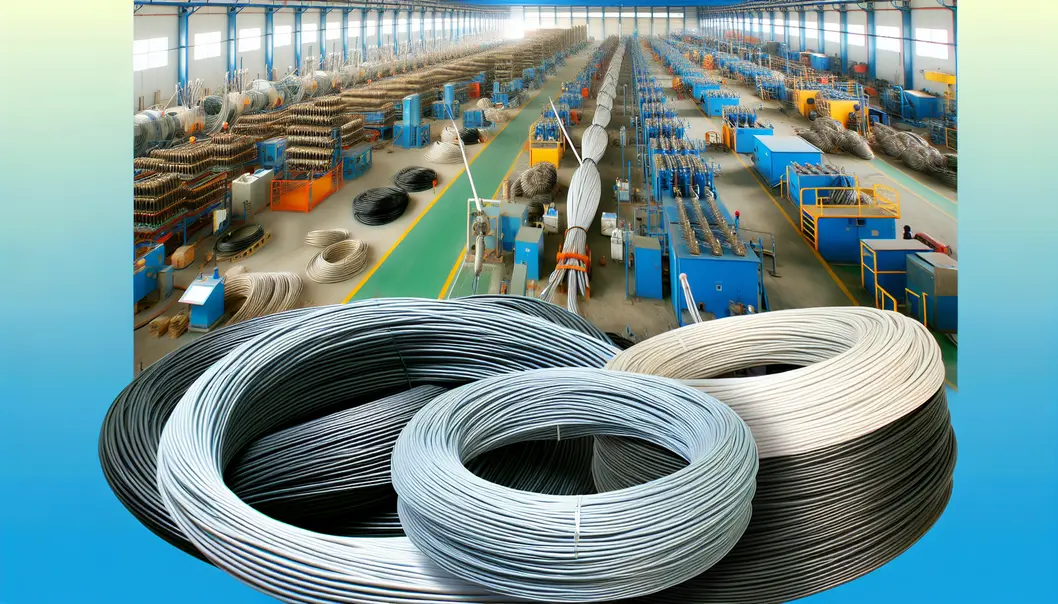
Outdoor cable production lines require distinct considerations due to the complex demands their products must meet. From withstanding environmental extremes to accommodating specialized designs tailored for outdoor installations, the decision to invest in a specific production line hinges on understanding both manufacturing requirements and market expectations.
Environmental Durability: A Core Requirement
One of the defining features of outdoor cables is their ability to resist harsh environmental conditions. Whether exposed to ultraviolet light, moisture, extreme temperatures, or physical wear and tear, these cables must deliver long-term durability. As such, production lines geared toward manufacturing outdoor cables often include specialized equipment for applying robust sheaths, such as polyethylene or LSZH (low smoke zero halogen) coatings. Incorporating advanced extrusion technologies capable of consistent application of these protective layers ensures that the finished cables meet industry standards, such as IP68 for water and dust ingress protection, while maintaining cost efficiency.
High-Tensile Strength Needs
Outdoor installations, particularly those requiring aerial deployment or subterranean placement, demand cables with exceptional tensile strength. To achieve this, many cable production lines integrate processes for reinforcement using materials like aramid yarns, steel wires, or glass-reinforced polymers. Aramid yarns, for example, are particularly valued for their lightweight yet robust properties. Production lines capable of embedding these materials into the cable structure are better suited to produce products that can withstand physical stress, minimizing failure points during installation and operation. When selecting equipment, ensure it aligns with the reinforcement specifications that market applications prioritize.
Market-Specific Adaptability
Different regions and markets have varying preferences for outdoor cable configurations. For instance, European requirements may emphasize compliance with EU CPR (Construction Product Regulation) standards, particularly for fire resistance, while other markets might prioritize customization for hybrid cables that support both power and data transmission. Adaptability within the production line is essential for addressing these diverse needs. Modular machines that allow for rapid tooling changes can provide a valuable edge, enabling manufacturers to respond quickly to shifts in demand or regional standards.
Precision in Fiber Optic Alignment
Outdoor cables are often tasked with housing and protecting sensitive optical fibers. Any misalignment during production can compromise data transmission quality. Advanced production lines deploy accurate fiber placement technologies, such as automated tension controls and monitoring systems, to ensure the fibers remain correctly positioned within the cable structure. Consistency in this area is vital for preventing microbends or insertion losses, especially when cables are installed across long distances.
Cost-Efficiency and Scalability
Despite the sophisticated requirements of outdoor cable production, manufacturers must balance quality with cost-efficiency. Investments in equipment should consider long-term operational costs, energy efficiency, and scalability. Production lines featuring integrated automation can significantly reduce labor costs while improving output consistency. For an in-depth guide on optimizing production expenses, manufacturers can explore insights on fiber cable production costs.
By evaluating these factors—durability, tensile strength, market adaptability, precision, and cost—manufacturers can invest in outdoor cable production lines that align with both technical requirements and market expectations. As competition in fiber optic cabling continues to grow, selecting the right infrastructure becomes increasingly pivotal for sustained business success.
Navigating FTTH Cable Production Lines: Essential Considerations for Fiber-to-the-Home Systems
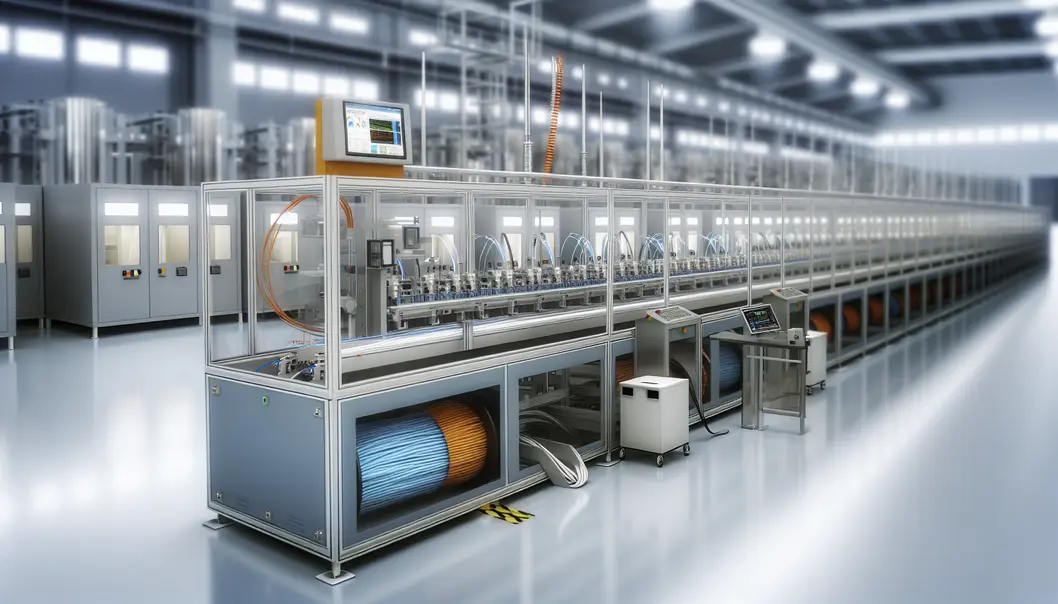
Fiber-to-the-Home (FTTH) cable production lines are a pivotal component in advancing modern broadband infrastructure, directly impacting the reliability and efficiency of high-speed internet delivery to residential areas. Evaluating FTTH cable production lines requires a meticulous approach, as these systems cater to unique demands compared to indoor and outdoor cable manufacturing setups. The fiber-optic cables produced here must not only meet strict performance criteria but also adapt to nuanced deployment scenarios.
Understanding Design Specifications and Cable Standards
FTTH cables are engineered to connect end-users through aerial installations, ducts, or direct burial methods. Because these cables primarily serve last-mile connections, they are designed with special emphasis on compactness, flexibility, and durability. Production lines dedicated to FTTH cables must comply with global standards, such as the ITU-T G.657 recommendation for bend-insensitive fibers. These specifications ensure the cables can be discreetly routed in tight spaces while maintaining optimal signal transmission.
Additionally, adherence to Low Smoke Zero Halogen (LSZH) materials is often mandatory for indoor models, reinforcing fire safety and environmental considerations. Production lines should incorporate advanced extrusion systems capable of continuously monitoring LSZH material quality during manufacturing processes. For aerial deployments, the cables must possess added UV resistance and robust mechanical strength, highlighting the importance of versatile production facilities equipped for variable product requirements.
Scalability and Customization for Diverse Deployment Needs
The production line’s scalability is another critical factor. FTTH cable manufacturing often involves producing high volumes of standardized cables alongside smaller batches of bespoke designs tailored to specific network architectures. Automated machinery, such as fiber splicing and coiling systems, enables higher throughput while maintaining consistent product quality. Meanwhile, modular production setups allow for rapid customization, facilitating seamless transitions between different cable types, such as drop cables for aerial applications or flat cables for indoor routing.
Cost Optimization and Market Compatibility
Economic efficiency is just as important as technical performance in selecting FTTH cable production lines. Manufacturers need to strike a balance between initial capital investment in equipment and ongoing operational expenses. Small-scale facilities might benefit from compact production lines that minimize footprint costs, while larger operations might prioritize advanced automation technologies to reduce long-term labor expenses. Emerging markets for FTTH installations, particularly in Asia and Africa, are demanding cost-effective solutions, making production adaptability paramount.
As global demand for FTTH networks grows, aligning production capabilities with market trends becomes increasingly vital. Facilities can leverage insights into optical fiber price shifts, such as those detailed in this analysis of G.657A2 and G.652D fiber price trends, to make informed decisions about resource procurement and strategic investments.
In evaluating FTTH cable production lines, the interplay of performance standards, scalability, customization, and cost efficiency underscores the importance of highly specialized manufacturing systems. By optimizing these variables, manufacturers can contribute to widespread developments in high-speed fiber connectivity, advancing global communication networks.
Weighing the Pros and Cons: A Comparative Analysis of Indoor, Outdoor, and FTTH Cable Production Lines

When it comes to manufacturing fiber optic cables, selecting the right production line is pivotal. The choice between indoor, outdoor, and FTTH (Fiber-to-the-Home) cable production lines depends on nuanced technical, environmental, and market considerations. Each production line offers distinctive features tailored to its end-use application, but understanding their comparative strengths and challenges is essential to optimize efficiency, quality, and profitability.
Indoor Cable Production Lines: A Focus on Precision and Flexibility
Indoor cable production lines are designed for cables used within controlled environments, such as residential buildings or data centers. These cables typically prioritize fire resistance, flexibility, and compactness to adapt to confined spaces. The production processes often emphasize tight-buffered cable designs, which enhance durability and eliminate the need for extra layers, like armoring, which are commonplace in cables exposed to harsh environments.
One of the primary advantages of an indoor cable production line is the relatively simpler environmental control during manufacturing. Since these cables are not exposed to extreme temperature fluctuations or UV radiation, the material requirements tend to be more cost-effective. Additionally, indoor production lines often enable high customization. This is particularly useful in the growing market for fiber-to-the-room (FTTR) solutions, where invisible, aesthetic cabling is becoming a priority. To explore innovative approaches to indoor cable solutions, check out this guide.
However, focusing on indoor cables limits the scope of the product line to applications that cater solely to low-stress environments. This specialization can be a drawback for manufacturers who aim to diversify their product offerings.
Outdoor Cable Production Lines: Built for Survival in Harsh Environments
Outdoor fiber optic cables face far greater environmental challenges, from fluctuating temperatures to physical stress and exposure to moisture or chemicals. Consequently, outdoor cable production lines are engineered for robustness, incorporating UV-resistant materials, waterproof coatings, and often armoring to meet standards for durability.
Outdoor cable production lines demand technically sophisticated equipment capable of producing loose tube cables or armored designs efficiently. While this adds complexity and cost to the production line, the resilience of outdoor cables opens the door to lucrative markets such as telecommunications infrastructure in rural or particularly rugged terrains. The trade-off lies in the higher capital expenditure required to establish and maintain these production processes, as compared to indoor lines.
FTTH Cable Production Lines: Customization Meets High-Volume Demands
FTTH cable production strikes a delicate balance between the technical demands of indoor and outdoor cables. These cables must be versatile enough to traverse outdoor stretches before seamlessly transitioning indoors. FTTH production lines often prioritize compact designs, like microduct cables for outdoor segments or flat drop cables for installation within residential areas. One of their defining characteristics is the emphasis on high-volume, scalable production to meet the global surge in FTTH network deployments.
However, the complexity of FTTH cable production comes with its own set of challenges. Achieving reliable performance for these hybrid-use cables often means investing in advanced machinery and adhering to rigorous quality standards. Manufacturers investing in FTTH production lines may need to focus heavily on market trends and forecasts, as shifting demands in network expansions or consumer preferences can greatly influence ROI.
Conclusion: The Interplay of Applications and Manufacturing Goals
Choosing between indoor, outdoor, and FTTH cable production lines is far from straightforward. Each type aligns with specific use cases, cost-benefit dynamics, and operational trade-offs. For players in the fiber optic industry, the ultimate decision demands not just technical expertise but a clear understanding of target markets and long-term growth strategies.
Balancing Performance and Cost: Navigating Technical and Economic Trade-offs in Cable Production
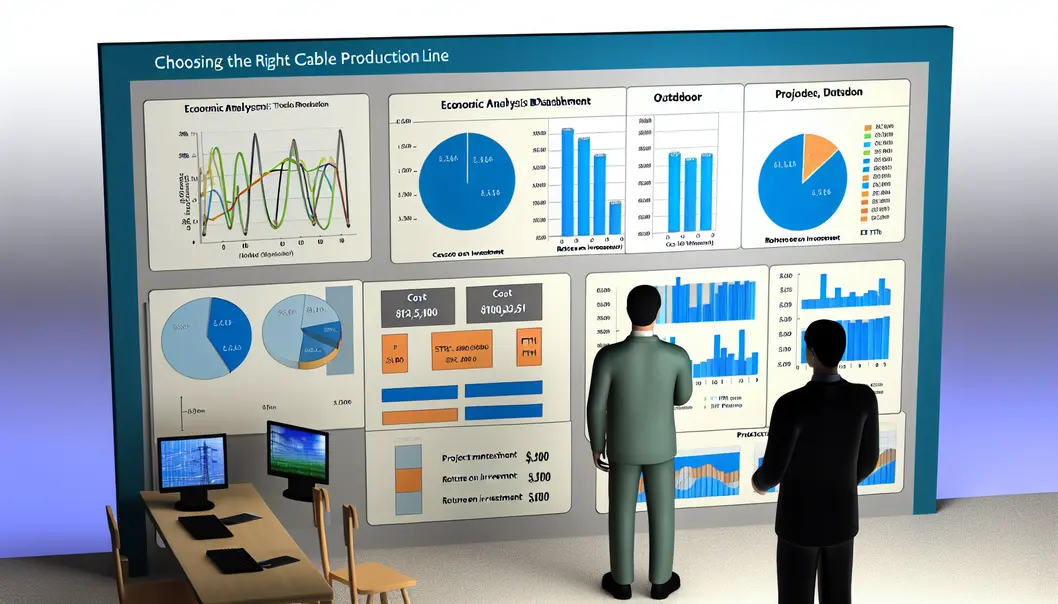
Choosing the right cable production line—whether for indoor, outdoor, or FTTH (Fiber to the Home) cables—is a decision steeped in technical challenges and economic considerations. Striking the right balance between performance, durability, and cost-efficiency can mean the difference between operational success and inefficiency, especially in a competitive industry like fiber optic manufacturing. Understanding these trade-offs requires a close examination of production dynamics, as well as market demands.
Key Technical Trade-offs
Each type of cable—indoor, outdoor, and FTTH—comes with specific production requirements that influence operational complexity. Indoor cables, often used in controlled environments, prioritize flexibility and ease of installation. They require less rugged sheathing, reducing material costs but demanding precision in manufacturing to meet stringent UL or IEC standards for low-smoke, zero-halogen (LSZH) properties. These considerations make indoor cable production relatively straightforward, but manufacturers must still weigh the cost of meeting safety standards against potential gains from bulk production.
Outdoor cables, however, are built for harsh environments, like exposure to UV rays, temperature extremes, and mechanical stress. The production process involves additional steps, such as applying water-blocking elements and armored layers, which drive up costs but are vital for ensuring durability in the field. This makes outdoor cable production inherently more expensive, though the higher market demand in industries like telecommunications and infrastructure often justifies these costs.
FTTH cables fall somewhere in between, blending the demands of both worlds. Their design must support installation in an array of environments, from aerial suspensions to underground ducts and customer premises. The trade-off here lies in flexibility: manufacturers must decide how much to invest in versatile production lines capable of adapting to varied specifications. The ability to manufacture lightweight yet robust FTTH cables can significantly enhance a company’s market position, but this increased versatility often comes with heightened production costs.
Balancing Economic Factors
Economic considerations also weigh heavily. The choice between indoor, outdoor, and FTTH cable production lines must factor in not just unit costs but also long-term value addition. For example, specialized equipment for outdoor cable production, like advanced jacketing machines, entails higher capital investment. However, it can maximize profitability in markets where rugged cables are in high demand. Similarly, the rise of FTTH deployment in urban and suburban regions globally suggests a lucrative opportunity—but only if manufacturers can optimize costs while maintaining the flexibility to scale production quickly.
Cost control can further depend on regional factors, such as access to raw materials and local labor rates. According to market trends, FTTH deployment is expanding most rapidly in regions like Asia-Pacific and parts of Europe source. For manufacturers in these regions, investing in FTTH-specific production lines may yield stronger returns due to proximity to growing markets and lower logistics costs. Conversely, regions focusing on infrastructure projects, such as North America, often see higher demand for outdoor cables.
Ultimately, every production line decision involves a calculated balance—how much to invest in technical precision, how to align that investment with economic realities, and how to anticipate shifts in consumer and industry demands. While indoor cable production may offer cost-efficiency and simplicity, outdoor and FTTH cables present opportunities for higher returns in exchange for higher initial costs. Manufacturers must weigh these factors carefully, ensuring that their production strategy aligns not only with current demands but also with future growth avenues.
Final thoughts
Selecting the right cable production line—whether indoor, outdoor, or FTTH—requires a nuanced understanding of technical and economic factors. Indoor lines are ideal for controlled environments, outdoor cables excel in harsh conditions, and FTTH lines cater to the growing demand for direct-to-home connectivity. By thoroughly evaluating your operational needs, durability requirements, and cost constraints, you can ensure that your investment is strategically aligned with your production goals. Armed with the insights from this guide, telecom professionals and engineers can confidently make informed decisions that maximize efficiency and ROI.
Explore how AIMIFIBER can support your projects with FTTH drop cables, pre-terminated solutions, and OEM/ODM services. Contact us now!
Learn more: https://aimifiber.com/contact-us/
About us
AIMIFIBER provides pre-terminated fiber optic solutions tailored to telecom and ISP needs, including FTTH drop cables, patch cords, pigtails, FTTA products, and customized fiber assemblies. With a strong focus on quality and scalability, AIMIFIBER supports OEM/ODM services to accelerate network deployments for telecom carriers and data center professionals.