Fiber optic cables form the backbone of modern telecommunications and internet infrastructure, enabling high-speed, reliable connections across the globe. As demand for fiber optics continues to surge, telecom project managers, ISPs, and investors are increasingly exploring the feasibility of setting up their own manufacturing facilities. This article dives deep into the financial and technical requirements for establishing a fiber cable production line. From investment breakdowns and technical specifications to operational expenses and geographic cost considerations, you’ll gain actionable insights into what it takes to step into this critical industry. Whether you’re planning a new plant or evaluating existing operations, this guide offers a roadmap to understanding the financial and material commitments involved.
A Comprehensive Look at Investment Requirements for Starting a Fiber Cable Production Line
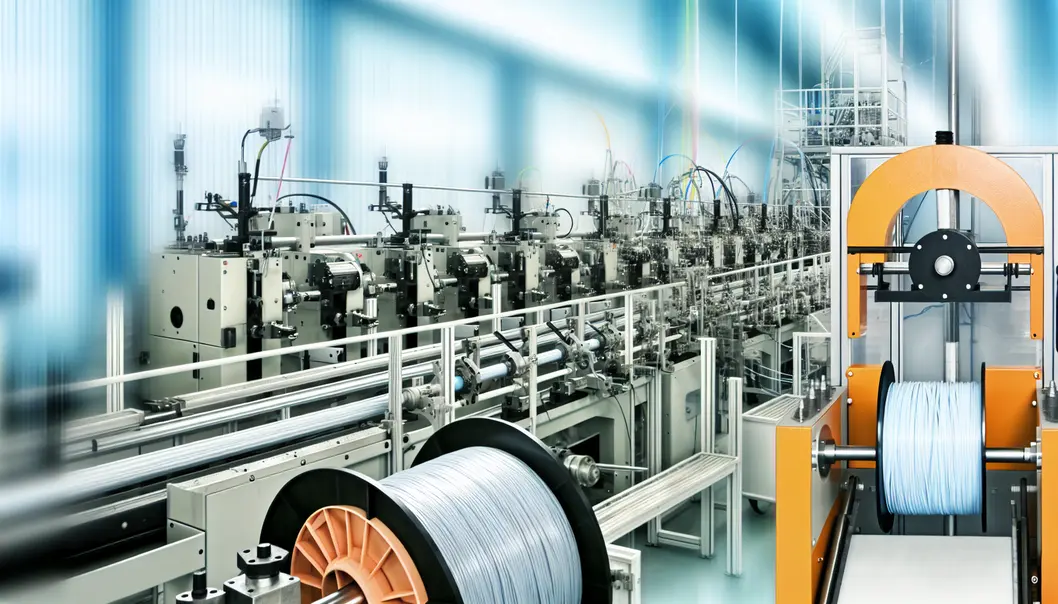
Building a fiber cable production line is a significant venture, requiring meticulous financial planning and resource allocation. The investment involved stretches across multiple domains, each playing a critical role in establishing a fully operational manufacturing facility. From initial infrastructure requirements to workforce management and raw material procurement, here’s a detailed look at the essential financial considerations.
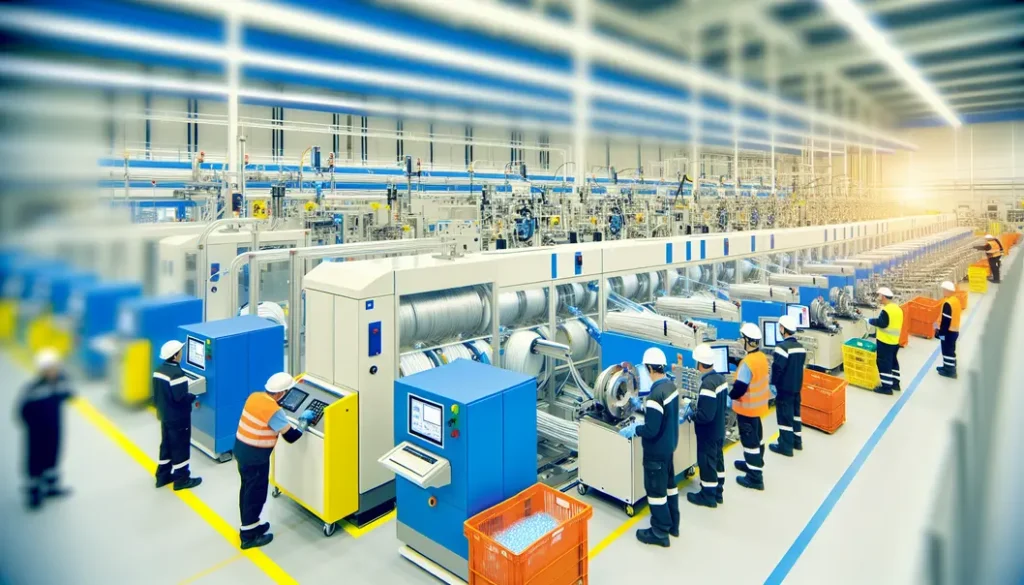
Setting up the core manufacturing infrastructure is one of the largest initial investments. This involves constructing or leasing a production facility with sufficient space to support the sensitive machinery and processes required for fiber optic cable manufacturing. The building needs to meet specific conditions, such as controlled environments for machines that handle fiber drawing, coloring, and jacketing. Factors such as location, size, and compliance with regulations like fire safety codes and cleanroom standards heavily influence the capital requirement.
The equipment itself is another primary investment pillar. Fiber optic manufacturing relies on highly specialized machinery, much of which is expensive due to its precision, quality control mechanisms, and durability. Equipment such as preform manufacturing machines, fiber drawing towers, UV coloring devices, and cable jacketing systems often require significant initial outlay. Alongside the purchase cost, associated expenses like installation, calibration, and routine maintenance must also be factored in.
Beyond machinery, a steady supply of raw materials is essential. The production of fiber cables involves the use of high-purity glass preforms, protective coatings, and plastic components for jacketing. The costs can fluctuate based on market dynamics, making it critical to consider long-term supply chain stability during the budgeting phase. For example, trends in global fiber price fluctuations can impact raw material costs, as discussed in this resource on future fiber price trends.
Human resources represent a less tangible but equally important investment. Skilled professionals, including engineers, technicians, and operators, are needed to run and supervise the machinery. Training these employees to ensure they adhere to high-quality production standards requires careful financial planning. Additionally, operational expenses like salaries, benefits, and workplace safety enhancements must be incorporated.
A fiber cable production line also demands emphasis on compliance and certifications. Meeting global and regional industry standards—such as those related to tensile strength, low-smoke zero halogen (LSZH) requirements, and durability tests—often necessitates upfront investments in testing systems and certifications. Companies must factor in these regulatory costs as part of their financial planning.
Lastly, ongoing operational costs such as utilities, repairs, and depreciation should not be overlooked. Manufacturing operations consume significant energy, particularly during processes like fiber drawing and coating. Efficient energy management systems can reduce long-term costs but will require higher initial investments.
In summary, establishing a fiber cable production line demands a multifaceted financial commitment. The initial phase involves substantial capital for infrastructure, equipment, and materials, but ongoing investments in human resources, operational improvements, and regulatory compliance are equally crucial. Entrepreneurs and investors must carefully analyze these elements to develop a realistic and sustainable budget for launching a fiber cable manufacturing facility.
Understanding Technical Demands and Financial Commitments in Fiber Cable Production
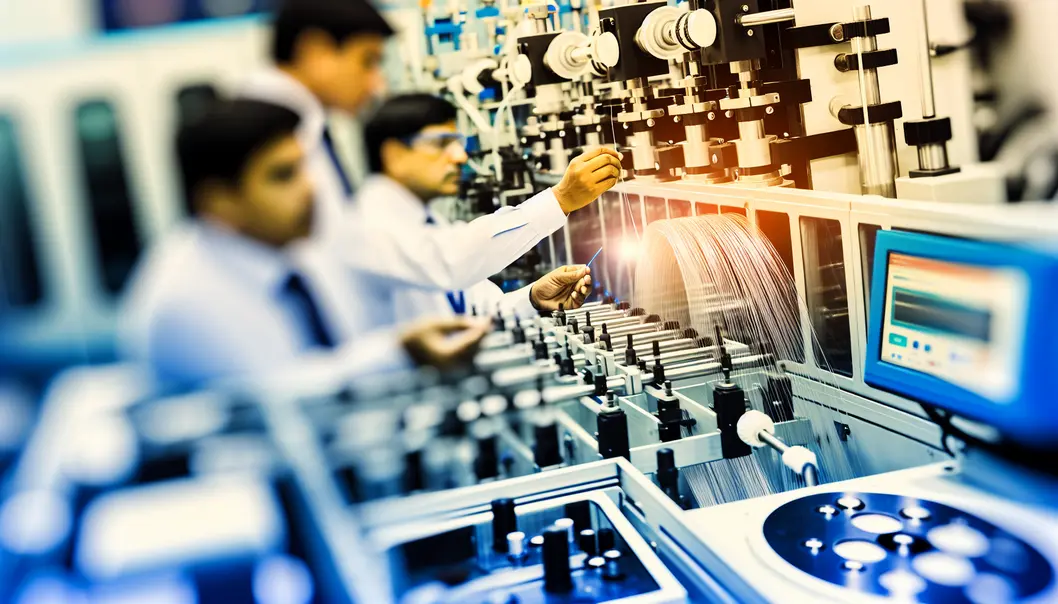
The production of fiber optic cable is a complex endeavor requiring careful alignment of technical and financial strategies. Establishing a fully functional manufacturing line is not merely about acquiring machinery; it involves adhering to strict technical specifications and dealing with substantial capital outlays. Understanding these elements in detail is pivotal for entrepreneurs and investors aiming to develop a competitive edge in this rapidly growing industry.
At its core, fiber optic cable manufacturing depends on precision engineering. The foundational stage involves drawing optical fibers from high-grade silica preforms. These fibers are engineered to exacting tolerances, ensuring unparalleled transmission of data. Fiber drawing requires state-of-the-art drawing towers equipped with temperature-controlled furnaces that can soften preforms at around 2,000 degrees Celsius. Anomalies in this stage can compromise the quality of entire production batches, underscoring the importance of advanced equipment and skilled technicians.
Once fibers are drawn, they undergo a coating process, where ultra-thin layers of protective material are applied. This step not only shields the fibers from environmental damage but also enhances their mechanical strength. Coating machines often include UV curing systems, which ensure a quick and effective setting of the material. The precision in coating thickness and uniformity directly influences the cable’s performance in various applications, ranging from residential networks to rugged outdoor settings. Consequently, investment in reliable coating technology forms a critical part of the production line budget.
The next stage is cabling, where coated fibers are assembled into cable structures. This process is highly customizable, allowing manufacturers to produce single-fiber cables or complex multi-core designs, depending on market demands. Equipment for cabling often includes stranding and jacketing machines, which add additional layers of protection and facilitate compatibility with the intended installation environment. Notably, the choice of materials for jacketing—such as polyethylene or flame-retardant LSZH (Low Smoke Zero Halogen)—can significantly impact both production costs and regulatory compliance.
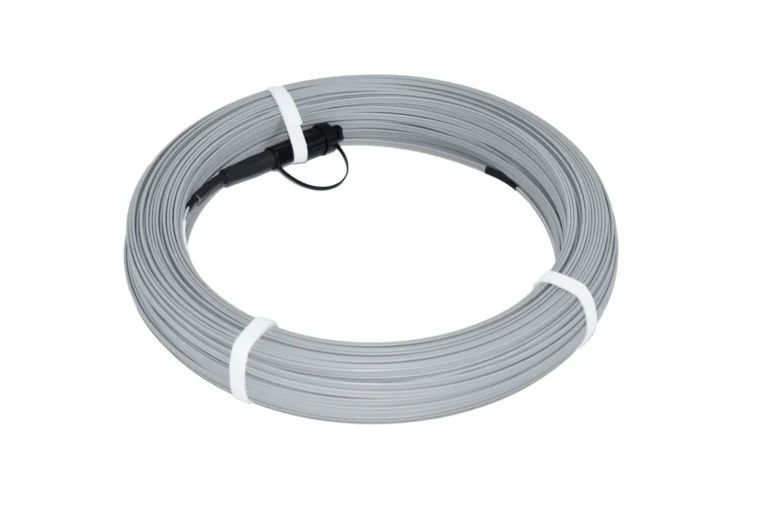
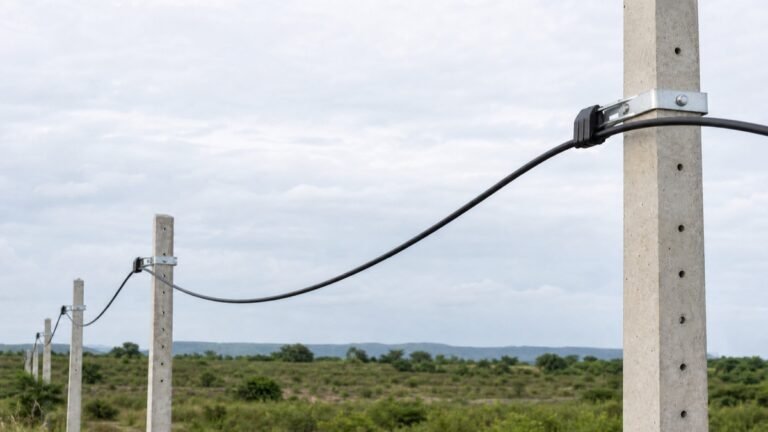
Financially, launching a fiber optic cable production line requires a considerable initial investment. For small to mid-scale factories, the total cost of machinery alone can range between several hundred thousand to a few million dollars, depending on automation levels and production capacities. Beyond equipment, expenses for factory space, workforce training, and quality control systems must also be taken into account. While these costs are substantial, they are offset by the demand surge driven by rapid global expansion of FTTH (Fiber to the Home) networks and data-driven ecosystems.
Given the intricate technical processes and sizeable financial requirements, thorough planning is essential. Entrepreneurs must evaluate machinery, labor costs, and end-market requirements before committing to investments. For those looking to refine their understanding of required resources, the blog on setting up a fiber optic cable factory offers deeper insights into the subject.
Ultimately, creating a fiber cable production line is a complex but rewarding endeavor. By mastering the technical intricacies and planning financial outlays strategically, businesses can position themselves as leaders in an industry that underpins the modern digital economy.
Breaking Down the Costs: Raw Materials and Machinery for Fiber Cable Production
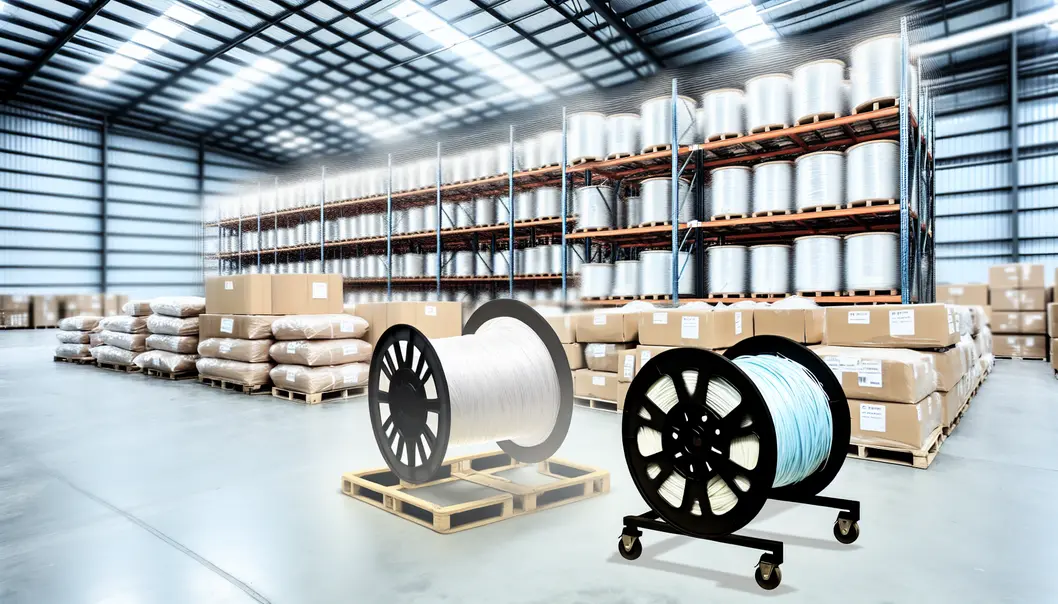
Building a fiber cable production line requires a deep understanding of the costs attached to raw materials and machinery. These two components significantly influence the overall investment required and play a fundamental role in determining the scalability of the operation.
Costs of Raw Materials
To produce high-grade fiber optic cables, sourcing high-quality raw materials is essential. The primary material involved is silica, which is used to create the glass or plastic core of the optical fibers. Silica’s purity levels directly affect the performance and durability of the cables, and thus manufacturers must opt for ultra-pure forms, which come at a premium price. The cost of silica fluctuates based on global market trends and local sourcing availability. Additionally, proven coatings such as acrylate are necessary to protect the fibers during manufacturing and deployment stages, further adding to the expense.
Another significant material component is the use of cladding materials, which ensure light signals are confined effectively as they travel within the cable. Cladding materials need precision engineering and are often produced through specialized processes, making them a considerable cost center. Protective sheaths and jacketing materials designed for different environmental conditions (e.g., outdoor, underwater, or underground installations) also add to the requirements. Key options include polyethylene and thermoplastics, with considerable cost variation driven by environmental endurance and compliance with industry standards.
Machinery Investment
Equipping a fiber optic production line with advanced machinery accounts for the lion’s share of initial capital expenditure. A typical setup includes a drawing tower, preform fabrication units, coloring units, stranding machines, and buffering systems. Each of these is a precision-engineered device designed to handle delicate production processes with minimal error margins.
The drawing tower, which stretches preformed glass rods into ultra-thin optical fibers, is one of the most expensive pieces of equipment. Its cost varies depending on factors like production capacity, automation level, and compatibility with various fiber specifications. Preform fabrication units are another financial undertaking. These units enable manufacturers to produce optical preforms in-house, which not only reduces dependency on external suppliers but also allows greater control over quality and lead times. However, this machinery brings a significant upfront cost that smaller-scale operations might struggle to absorb.
Furthermore, auxiliary machinery like jacketing extruders and coating applicators, along with testing systems to guarantee quality and compliance with international standards, round out the required investments. By the time all the necessary equipment is purchased, the machinery costs often represent more than half of the total initial capital requirements for setting up the production line.
A Balanced Investment Strategy
Understanding raw material costs in tandem with machinery expenses helps businesses strategize wisely. For instance, opting for machine upgrades or sourcing local materials can provide cost breaks while maintaining product integrity. Additionally, adopting quality assessments early on can avert costly reworks or replacements down the line.
For further insights into fiber optic factory setups and necessary equipment, this detailed guide is an excellent resource. By balancing critical investments carefully, manufacturers can establish efficient operations that pave the way for long-term profitability and scalability.
The True Costs Behind Operations and Labor in Fiber Cable Manufacturing
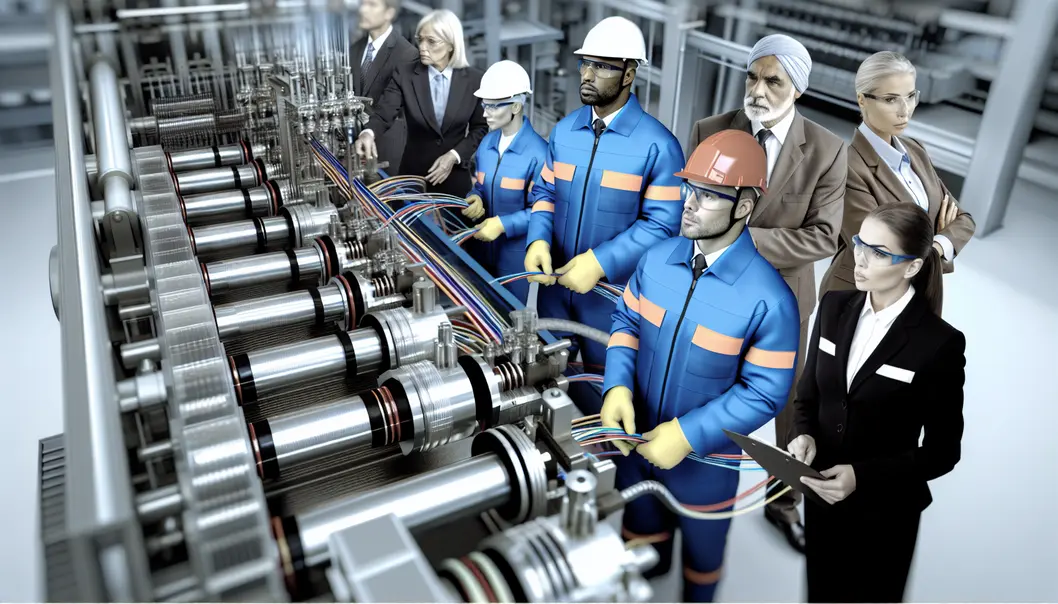
Building a fiber cable production line is an undertaking that extends far beyond the machinery and raw materials—it also fundamentally depends on two critical elements: operational expenses and workforce capabilities. While initial capital investments often steal the spotlight, it’s the ongoing costs and human expertise that ensure the line's long-term sustainability.
Operational Expenses: A Multifaceted Challenge
The operational expenses of a fiber cable factory consist of a series of recurring costs that are often underestimated in planning stages. Utilities, such as electricity and water, play a significant role, particularly given the energy-intensive nature of fiber optic manufacturing. High-temperature processes like fiber drawing consume substantial power, while climate controls in temperature-sensitive production environments ensure product integrity. Depending on geographic location, these utility costs can represent a significant portion of the overall budget.
Additionally, materials like coatings, chemical solutions, and packaging supplies create recurring demands. For example, the fiber drawing process requires specialized coatings to protect and strengthen the cables, and these are not one-time expenses. Maintenance of equipment also adds up. Production lines rely on highly precise machinery that requires regular calibration and spare parts, often sourced at premium costs.
Not to be overlooked are the overhead costs that keep a production facility functional. Leasing or purchasing industrial space, adhering to regulatory requirements, and maintaining insurance coverage all add hidden layers to long-term operational efficiency. Waste management is another factor. Disposing of materials generated during production, such as chemical waste or unusable cable segments, incurs ongoing costs that must align with environmental standards.
The Workforce: A Mix of Expertise and Efficiency
The success of a fiber cable production line hinges on its workforce as much as its equipment. This is a domain where technical expertise is king. Specialists in areas such as fiber optic design, quality assurance, and automated equipment maintenance are indispensable. Their salaries often command a premium due to the niche skill sets required and the complexity of the processes they oversee. Tailoring a competitive salary structure to attract these professionals is not just recommended—it’s essential.
In addition to specialists, factory operations require a mix of technicians, supervisors, and assembly line workers. While training programs can help novices adapt to the intricacies of fiber cable production, a significant upfront investment is needed to ensure your workforce is both skilled and aligned with the factory's operational goals. Furthermore, employee retention strategies, such as offering benefits and fostering a positive work environment, are critical to mitigating turnover, which can be costly and disruptive in such a specialized field.
Automation, while often seen as a cost-saving solution, also requires skilled personnel. Machines can handle repetitive tasks, but human oversight remains necessary to troubleshoot errors, optimize production, and maintain quality standards.
Ultimately, understanding and accurately estimating operational and labor costs can mean the difference between a thriving production line and one that struggles to stay afloat. These factors not only influence financial projections but also dictate the factory’s overall capacity to meet production demands efficiently. For further insights into factory build considerations, refer to fiber optic factory build.
Unpacking Geographic Cost Disparities in Establishing Fiber Cable Production Lines
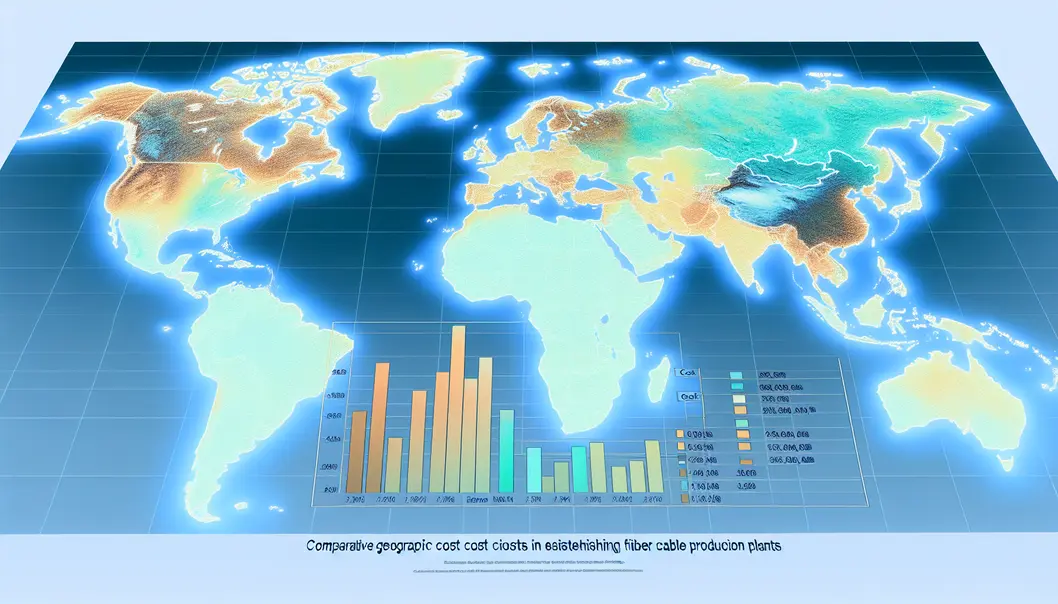
The cost of establishing a fiber cable production line can differ drastically based on location. These geographic cost variations stem from a combination of local economic factors, regulatory environments, and logistical considerations. For investors, understanding these disparities is critical to making informed decisions and ensuring financial sustainability.
First and foremost, labor costs play a pivotal role. In regions where the manufacturing industry is labor-intensive, workforce expenses can significantly influence the total cost. Countries with lower wages for skilled labor typically offer an advantage, making them attractive for building production facilities. However, this cost-efficiency often comes with tradeoffs, such as the potential for lower productivity or the need for more investment in workforce training.
Local infrastructure also carries weight in shaping the geography of costs. A robust transportation network, for instance, is vital for moving raw materials and distributing finished products. Locations near major ports, highways, or railway networks often provide economic benefits compared to landlocked or remote areas, where logistics costs can spiral. Additionally, access to utilities like electricity and water, which are crucial for running fiber-manufacturing equipment, varies significantly across regions. Facilities in areas with stable and cost-effective energy supplies generally operate more efficiently.
Government policies and incentives heavily influence geographic cost disparities. Many countries provide tax breaks, subsidies, or reduced land acquisition costs to attract foreign direct investment in sectors like fiber production. By contrast, regions with stricter regulations, higher taxes, or prolonged approval processes may hinder cost-efficiency. For example, locations within free trade zones or with relaxed tariffs on imported machinery often provide substantial savings during the initial setup of a production line.
Another factor to consider is proximity to target markets. Building in areas close to high-demand regions reduces transportation times and costs for finished products, making the production line more competitive. For instance, in rapidly expanding FTTH (Fiber to the Home) markets, such as those highlighted in this in-depth analysis, establishing production facilities closer to these markets can maximize profitability. Conversely, producing far from end-users may increase shipping costs and lead to delays, eroding potential gains.
Real estate costs also vary dramatically, especially when comparing urban versus rural areas. While cities might offer better access to skilled labor and infrastructure, their land prices tend to be prohibitively high. On the other hand, rural areas are more affordable but may require additional investment in utilities and logistical networks to make them viable for production.
Lastly, cultural and local economic conditions—such as political stability, inflation rates, and currency strength—impact the overall cost structure. Investors should evaluate these regional characteristics carefully to align with their long-term business goals.
By taking these factors into account, potential investors can map out a geographical strategy that balances cost efficiency with operational effectiveness. Whether targeting market access, maximizing incentives, or minimizing logistical burdens, geographic cost variations remain a decisive element in the feasibility of a fiber cable production line.
Final thoughts
Establishing a fiber optic production line requires a strategic blend of capital investment, proper machinery, raw materials, and an efficient workforce. From understanding technical equipment specifications to accounting for geographic cost differences, a thorough preparation process can position businesses for long-term success in this rapidly growing field. For stakeholders, whether you are a telecom engineer, procurement officer, or investor, evaluating these elements with precision ensures sustainable operations and competitive advantage in the marketplace.
Contact AIMIFIBER for cutting-edge FTTH cables, patch cords, pre-terminated fiber solutions, and customized OEM/ODM services tailored for your production needs today.
Learn more: https://aimifiber.com/contact-us/
About us
AIMIFIBER provides innovative pre-terminated fiber optic solutions, FTTH drop cables, patch cords, pigtails, and FTTA products. Specializing in customized OEM/ODM fiber assemblies, AIMIFIBER enables telecom and data center projects to achieve higher efficiency, reliability, and scalability.