Fiber optic cables are the backbone of modern global communication networks, offering high-speed data transmission with unmatched efficiency. For telecom project managers, ISP procurement teams, factory investors, production managers, and fiber optic engineers, understanding how to build a fiber optic cable factory from scratch is crucial for empowering the industry’s future. This guide comprehensively addresses the journey—starting with factory layout planning, identifying manufacturing equipment, establishing high-quality control processes, sourcing critical raw materials, and ensuring optimal operations and maintenance. Each chapter builds on the last to provide a seamless roadmap for project stakeholders, combining technical knowledge with practical strategies for success.
Blueprinting Success: Strategic Layout Planning for Your Fiber Optic Cable Factory

Designing the layout of a fiber optic cable factory is a pivotal chapter in the journey of building an efficient manufacturing facility from scratch. A well-thought-out blueprint not only optimizes production flow but also ensures scalability, safety, and cost-efficiency, setting the foundation for long-term success.
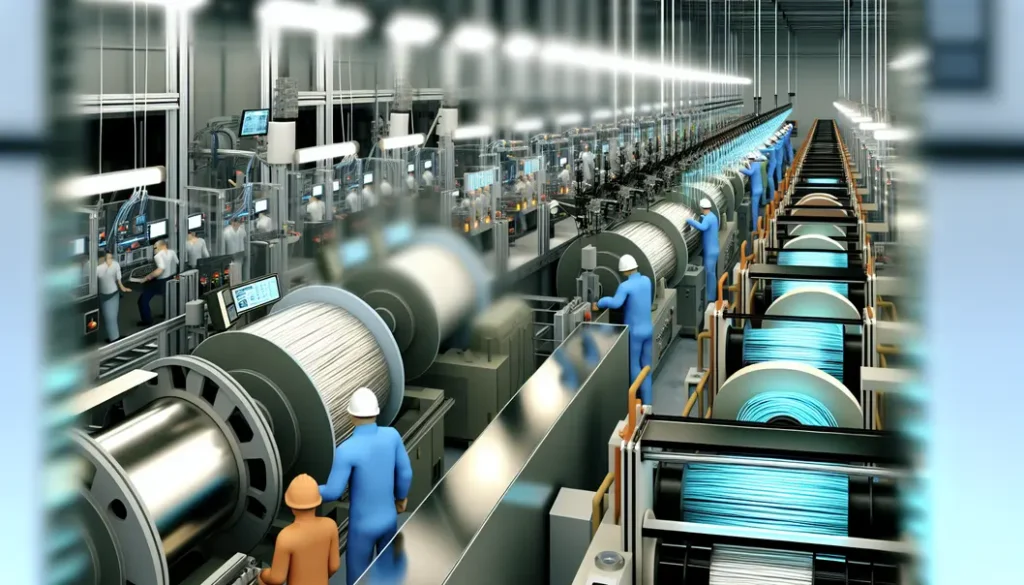
At its core, the layout of a fiber optic cable factory must facilitate the seamless progression of raw materials transforming into finished products. This begins with a clear understanding of production workflows. Fiber optic cable manufacturing is a multi-step process that typically involves preform preparation, fiber drawing, coating, testing, and final spooling or bundling. Each phase requires specific machinery and controlled conditions. To prevent bottlenecks, assign dedicated zones for each stage, aligned logically to minimize material transit. For example, the fiber drawing area should ideally connect to the coating section without unnecessary detours.
Storage spaces are another essential consideration. Both raw materials, such as preforms and coatings, and finished cables demand proper storage facilities. Raw materials might need temperature-controlled conditions, while finished products should be labeled, tested, and stacked for shipping. Allocating storage areas near the entry and exit points of the factory can reduce logistical strain while keeping workspaces decluttered and efficient.
Environmental factors also influence layout design. Manufacturing fiber optic cables requires consistent environmental conditions, particularly in precision-heavy processes like fiber drawing. Slight fluctuations in temperature, humidity, or airborne particulates can hamper quality. Therefore, certain areas may need enhanced climate control or cleanroom environments. Strategically integrating ventilation systems, HEPA filters, and thermal regulators into the layout is non-negotiable.
Another critical aspect is worker ergonomics and safety. Pathways for worker movement, as well as the transportation of materials, should be unobstructed. Emergency exits, fire suppression systems, and clear marking of hazard zones must comply with safety regulations. In addition, placing employee facilities, such as restrooms, locker rooms, and break areas, away from production lines ensures that operational efficiency is not disrupted by foot traffic.
Future scalability must also shape your layout decisions. While it’s tempting to focus exclusively on current operations, anticipating future expansions can prevent costly overhauls later. Flexible designs, such as modular zones that can adapt to new equipment or increased capacity, are key. Thought must also be given to integrating emerging technologies, like pre-terminated fiber advancements, as described in this article on pre-terminated fiber for 5G networks.
Lastly, don’t overlook utilities. Power supplies, water systems, and network capabilities deserve detailed mapping. Aligning these with your machinery footprint ensures consistent operations and reduces downtime.
In summary, planning and designing the layout of a fiber optic cable factory isn’t merely about equipment placement. It’s about creating a harmonious ecosystem that optimizes efficiency, maintains quality, and prepares for future demands. Every detail in the blueprint matters—because in manufacturing, the smallest misstep can ripple into significant delays or added costs.
Equipping Your Factory: The Machinery Behind Fiber Optic Cable Manufacturing

Building a fiber optic cable factory from the ground up begins with one crucial aspect: procuring the highly specialized machinery and equipment required for manufacturing. These tools are not only the backbone of production but also critical in ensuring efficiency, scalability, and product quality. Understanding the machinery landscape is essential for identifying the equipment that fits your factory’s needs.
At the heart of fiber optic cable production is the drawing tower. This vertically structured machine transforms optical preform—a cylinder of ultra-pure silica glass—into thin, flexible optical fibers. The drawing process precisely controls temperature and tension to achieve the desired diameter, typically around 125 microns. As the backbone of production, this tower requires a precision cooling system and automated sensors to monitor fiber quality during the draw phase. Deciding on the capacity of your drawing tower is pivotal. Smaller factories may opt for compact towers, while larger operations benefit from high-speed models capable of handling bulk processes.
After the fibers are drawn, coating machines step in to apply protective layers of polymer. These coatings shield the delicate optical fibers from environmental factors and mechanical damage. Advanced coating equipment enables the application of dual-layer systems for added durability without compromising signal transmission. Investing in a machine with real-time curing features—often using ultraviolet technology—ensures consistent application and minimizes defects in the production line.
Once coated, the individual fibers are assembled into cables. For this, you’ll need cabling machines capable of grouping fibers into a sheath and applying external protections like aramid yarn and outer jackets. Maintaining flexibility in cable design is important as market demand frequently shifts between single-mode fiber cables for long-distance communication and multimode fibers for short-range data centers. Cabling machines with modular designs allow manufacturers to adjust configurations quickly and efficiently.
Equally significant is fiber testing equipment. Every fiber optic cable manufactured must comply with stringent industry standards, such as tensile strength, attenuation, and bandwidth performance. Automated testing systems are invaluable for checking fiber quality, ensuring your products meet specifications like the ITU-T G.657 for bend-insensitive fibers. Moreover, machines equipped with statistical analysis capabilities allow production teams to identify trends in quality control, streamlining processes over time.
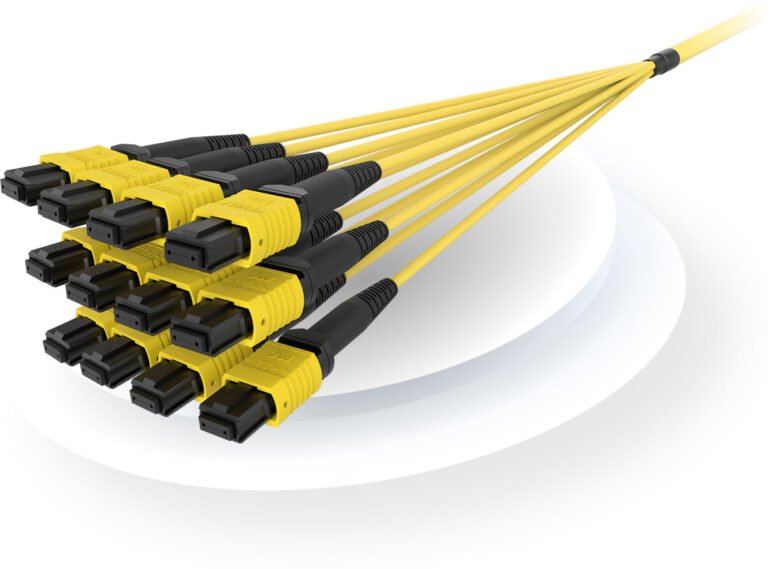
Finally, when setting up a factory, secondary components such as splicing and termination machines shouldn’t be overlooked. These tools assist in preparing cables for deployment, whether for telecommunications, data centers, or FTTH networks. Expert planning ensures these machines are compatible with your chosen fiber connector types and cable designs.
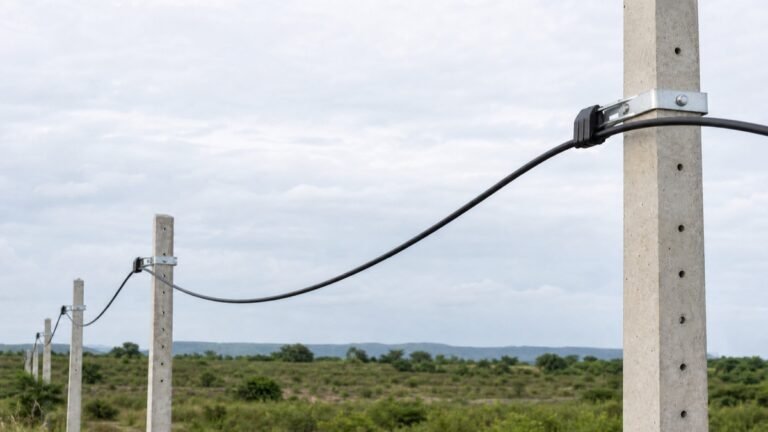
For guidance on cable types suited for your production line, consider exploring this guide on FTTH drop cable models. It offers insights into aerial, duct, and indoor designs—helpful when determining machinery requirements.
Equipping a fiber optic cable factory is a balancing act of technological requirements, budget constraints, and production goals. Success lies in identifying equipment tailored to the specific needs of your operation while ensuring compatibility with industry trends and standards. Investments in high-quality machinery not only boost production efficiency but also reinforce your factory’s ability to adapt to an evolving market.
Embedding Precision: Crafting Robust Quality Control Mechanisms for Your Fiber Optic Cable Factory
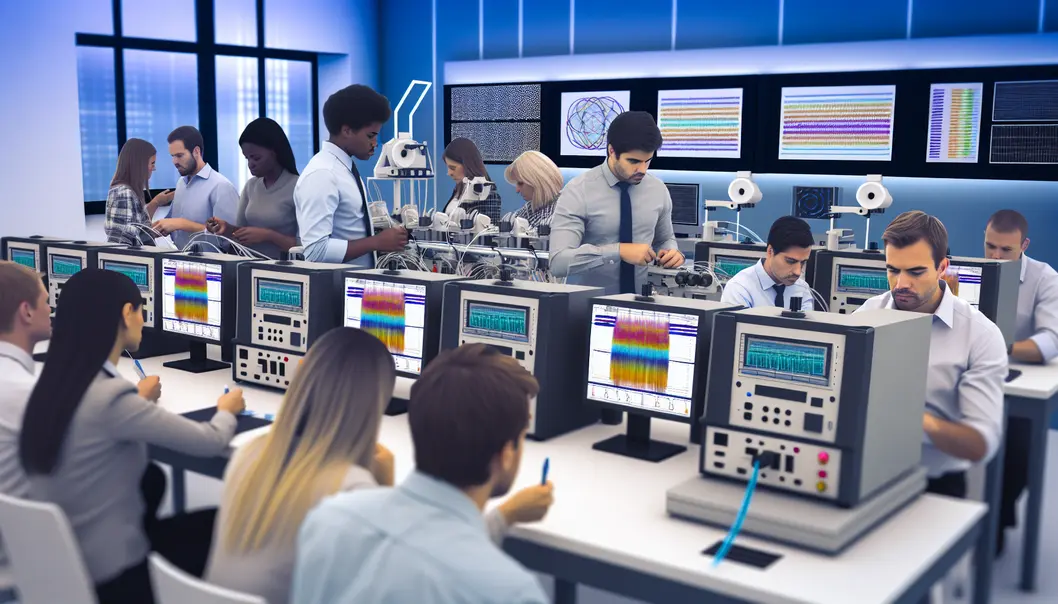
Building a fiber optic cable factory from scratch is a monumental endeavor, demanding a meticulous focus on manufacturing accuracy. In such a high-tech production environment, quality control (QC) is more than just a protocol—it is the backbone of operational excellence and industry compliance. Effective quality control processes ensure your cables consistently meet performance benchmarks, adhere to international standards, and sustain customer trust.
To design robust QC mechanisms for your factory, you first need to consider the unique demands of fiber optic cable production. Unlike other industrial manufacturing, even minor inconsistencies in fiber optic cables can lead to signal loss, mechanical failure, or reduced durability. Therefore, your quality framework must combine precision testing with proactive defect prevention.
Defining Key QC Objectives
The first step toward embedding quality is identifying critical performance metrics. Two main areas demand scrutiny: optical transmission performance and physical durability. Optical performance is measured by parameters like attenuation, reflectance, and dispersion. Every cable must be tested for these characteristics to ensure low signal degradation across distances. Concurrently, physical strength tests—including tensile, compression, and bending trials—validate the cable’s ability to handle operational stresses.
Establishing benchmarks for these tests requires adherence to industry standards. For instance, compliance with ITU-T G.657 and G.652 norms ensures optical fibers maintain integrity under stringent conditions. Regularly reviewing updates to standards and calibrating your QC setups accordingly can help align production with global best practices. More insights on global optical fiber trends also highlight shifting customer expectations tied to rising product performance requirements.
Integrating Quality Technologies
Once objectives are defined, the next challenge is operationalizing them through advanced testing technologies. Automated QC systems, such as Optical Time-Domain Reflectometers (OTDRs) and high-precision microscopes, streamline defect detection and eliminate subjectivity. For instance, automated OTDR testing can detect weak splices, microbends, or other irregularities, ensuring cables meet rigorous signal reliability benchmarks.
Additionally, frequent sectional monitoring throughout manufacturing—rather than testing final outputs alone—reduces waste and identifies production inefficiencies early. Introducing in-line inspection points at critical stages, such as preform manufacturing, fiber drawing, and cable sheathing, enables small adjustments to mitigate significant downstream defects.
Building a Cross-Functional QC Team
Even with advanced tools, the human element remains paramount. Assemble a cross-functional quality team that integrates production engineers, materials scientists, and QA specialists. Training for personnel should focus on error identification, tool calibration, and adherence to inspection protocols. Regular workshops and certifications help reinforce industry standards and improve error mitigation skills.
Additionally, create a feedback loop between the QC department and other operational areas. For example, if recurring issues with fiber attenuation are flagged, production lines can address the root cause—whether it’s equipment miscalibration or raw material inconsistency—without prolonged downtime.
Investing in Documentation and Transparency
Lastly, a disciplined documentation system is non-negotiable for compliance and continuous improvement. Maintain detailed records of QC processes, test results, and corrective actions. This not only satisfies regulatory audits but also arms your factory with historical data for performance analysis. Over time, such insights can drive innovation, cost efficiencies, and customer satisfaction.
By embedding these methods into your fiber optic cable factory's foundation, you create a culture of precision and accountability. When every employee across departments prioritizes quality, the result is not just superior cables but also sustainable success in a competitive industry.
The Building Blocks: Raw Materials for Fiber Optic Cable Manufacturing
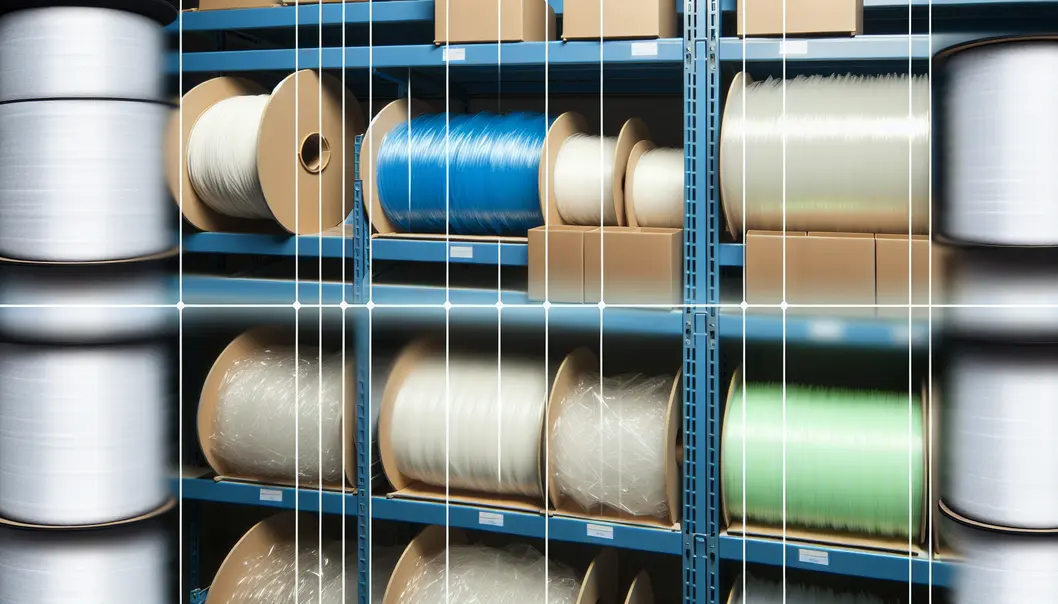
Creating a fiber optic cable factory from scratch begins with a thorough understanding of the raw materials required for production. Fiber optic cables, the linchpins of modern telecommunications, rely on precise components to deliver high-speed, reliable data transmission. This foundational aspect informs not only the quality of the final product but the overall efficiency of the manufacturing process.
At the heart of any fiber optic cable is the optical fiber itself. These ultra-thin strands, composed primarily of silica glass or plastic, are designed to carry light signals over long distances with minimal loss. Silica, a derivative of quartz sand, must be refined to an exceptionally high purity to ensure efficient signal processing. Impurities in this material can lead to signal attenuation, reducing the cable’s performance. For plastic optical fibers (POFs), which are often used in short-distance or specific niche applications, poly(methyl methacrylate) (PMMA) or similar polymers serve as the core material. Understanding which type of optical fiber aligns with your production goals—for example, long-haul communication versus indoor installations—is a critical step.
Surrounding the optical fiber are coatings and buffer layers designed to offer mechanical protection and environmental resilience. These coatings are usually made from UV-cured acrylate polymers. Their purpose is twofold: to shield the fiber from abrasions and to maintain its integrity under varying temperatures and humidity levels. For additional protection, the application of tight or loose buffers, often made from thermoplastics like nylon, ensures durability without compromising flexibility.
Strength members play another integral role in fiber optic cable construction. Materials such as aramid yarns or fiberglass-reinforced plastics (FRPs) are integrated to provide tensile strength, ensuring the cable can withstand mechanical stresses during installation or operation. Aramid yarn, in particular, is renowned for balancing strength with lightweight properties, making it a popular choice for high-performance cables.
The outer jacket material protects the entire assembly from external elements. Polyethylene (PE) is commonly used for outdoor cables due to its resistance to UV radiation, moisture, and temperature extremes. Meanwhile, Low Smoke Zero Halogen (LSZH) materials are more suited for indoor uses, as they minimize toxic emissions during a fire. Choosing the right jacket material requires consideration of the cable’s intended operating environment.
Finally, sustainability and cost efficiency are becoming central to raw material selection in cable manufacturing. Addressing environmental concerns while meeting performance standards can be achieved through materials such as recycled polyethylene or advancements in biodegradable materials. As the industry evolves, understanding market trends and how emerging regulations could influence raw material options is vital. For example, the importance of LSZH compliance has been extensively analyzed here.
By mastering the selection of these essential materials, manufacturers can lay a solid foundation for producing quality fiber optic cables that meet both current and future demands. Each material brings its unique properties to the table, reinforcing the need for a cohesive strategy that balances performance, cost, and sustainability.
Mastering Operations and Maintenance: Strategies for a High-Performing Fiber Optic Cable Factory

Efficient operations and proactive maintenance are the twin pillars of a successful fiber optic cable manufacturing facility. Without a reliable operational framework and a robust maintenance strategy in place, even the most advanced factory can falter. In this chapter, we’ll delve into the critical aspects of ensuring smooth, uninterrupted production and long-term sustainability for your facility.
Operational Excellence: Building a Foundation of Efficiency
At the heart of any high-performing fiber optic cable factory lies operational efficiency. This begins with developing standard operating procedures (SOPs) tailored to the specialized equipment and processes used in fiber optic cable production. These protocols ensure that each production stage—from preform creation to fiber drawing, and ultimately cable assembly—is executed with precision.
Key to this efficiency is training. Production teams must understand the nuanced requirements of fiber optic cable manufacturing, such as maintaining consistent tension in fiber drawing or ensuring precise alignment during cable jacketing. With technological advancements continuing to evolve, cross-training employees to handle multiple tasks across different production areas future-proofs your workforce against shifts in technology or market demand.
Additionally, real-time performance monitoring systems are indispensable. Advanced factory management software, integrated with Internet of Things (IoT) sensors, can capture data at every production stage. Parameters such as drawing speed, coating application uniformity, and cooling rates can be tracked and analyzed to ensure production remains consistent. When abnormalities arise, data reporting helps teams identify and resolve issues before they escalate, reducing material wastage and downtime.
Maintenance: Preserving Operational Integrity
While operational excellence focuses on getting everything right during production, maintenance ensures the factory’s tools, machines, and systems remain in optimal working condition over time. For a fiber optic cable factory, where precision is paramount, maintenance strategies must be both proactive and predictive.
A proactive maintenance plan involves scheduled inspections of critical equipment, such as fiber drawing towers, UV coating machines, and extrusion lines. These inspections should focus on wear-and-tear signs like alignment deviations, contamination in heating systems, or irregular pulley rotations. Proactivity not only prevents machinery breakdowns but also extends equipment life, safeguarding capital investments.
Predictive maintenance further enhances reliability by using “smart” tools that leverage machine learning and IoT diagnostics. These tools analyze wear patterns and machine performance metrics to predict failures before they occur. For example, a sudden variation in the vibration frequency of a fiber tensioning device might signal the beginning of mechanical wear, prompting preemptive repairs.
Facility-wide cleanliness is another essential component of maintenance. Dust and debris can wreak havoc on sensitive equipment, particularly in optical coating and jacketing stations. Implementing a rigorous cleaning schedule alongside workspace zoning policies minimizes contamination risks.
Lastly, maintaining a comprehensive spare parts inventory prevents prolonged stoppages due to unavailable replacements. Ensure the inventory includes components for high-failure-rate devices and establish supplier relationships to guarantee rapid part replenishment as needed.
Striking the Balance for Sustainability
Operational success in a fiber optic cable factory requires an intertwined focus on production efficiency and long-term machine health. While a carefully crafted operational strategy ensures productivity and quality, a robust maintenance framework keeps the wheels turning—literally and figuratively. For further reading on the impact of advanced cabling systems on modern networks, explore this guide to FTTH indoor solutions. By harmonizing operations and maintenance, your facility will remain competitive, resilient, and equipped for future challenges.
Final thoughts
Building a fiber optic cable factory from scratch is a complex but rewarding endeavor, requiring meticulous planning, procurement, and execution. From designing the layout to selecting advanced equipment, sourcing raw materials, ensuring strict quality control, and implementing efficient operational practices, every step plays a vital role in building a foundation for reliable production. By understanding these pillars, stakeholders can create a robust infrastructure that sustains high-quality fiber optic manufacturing. Whether you aim to serve telecom projects, ISPs, or data centers, investing in the right strategies and processes ensures long-term growth and industry leadership.
Contact AIMIFIBER for FTTH cable, patch cord, and pre-terminated fiber optic solution support, OEM/ODM services, and product expertise.
Learn more: https://aimifiber.com/contact-us/
About us
AIMIFIBER provides pre-terminated fiber optic solutions, FTTH drop cables, patch cords, pigtails, FTTA products, and customized fiber assemblies for telecom and data center projects.