Efficiently designing the layout of a fiber optic cable manufacturing workshop is a critical step in ensuring streamlined production, meeting compliance standards, and maximizing profitability. The high precision needed for fiber optic production requires thorough planning to allocate space, optimize the positioning of equipment, and streamline workflows. Additionally, creating a compliant and safe workspace while managing material logistics is vital to sustaining operations at scale. This guide explores five essential aspects: 1) creating a functional floor plan, 2) strategically positioning equipment, 3) optimizing production workflows, 4) adhering to safety and compliance standards, and 5) implementing effective material handling and storage solutions. Together, these strategies provide a roadmap for Telecom project managers, ISP procurement teams, and fiber optic engineers to plan a workshop setup that ensures high quality, efficiency, and scalability.
Mastering the Art of Floor Plan Design for Fiber Optic Cable Manufacturing Efficiency
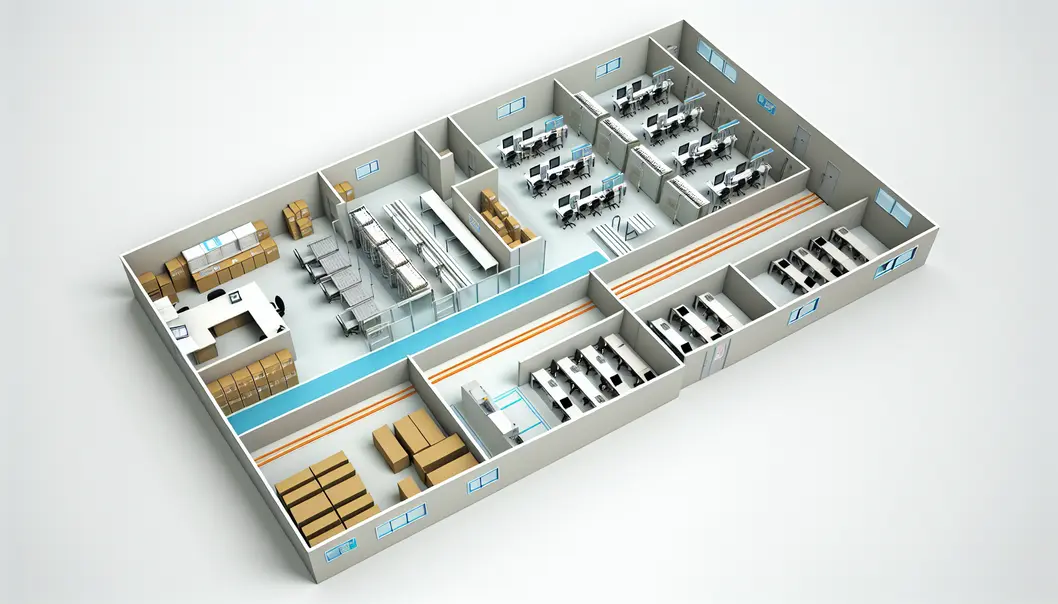
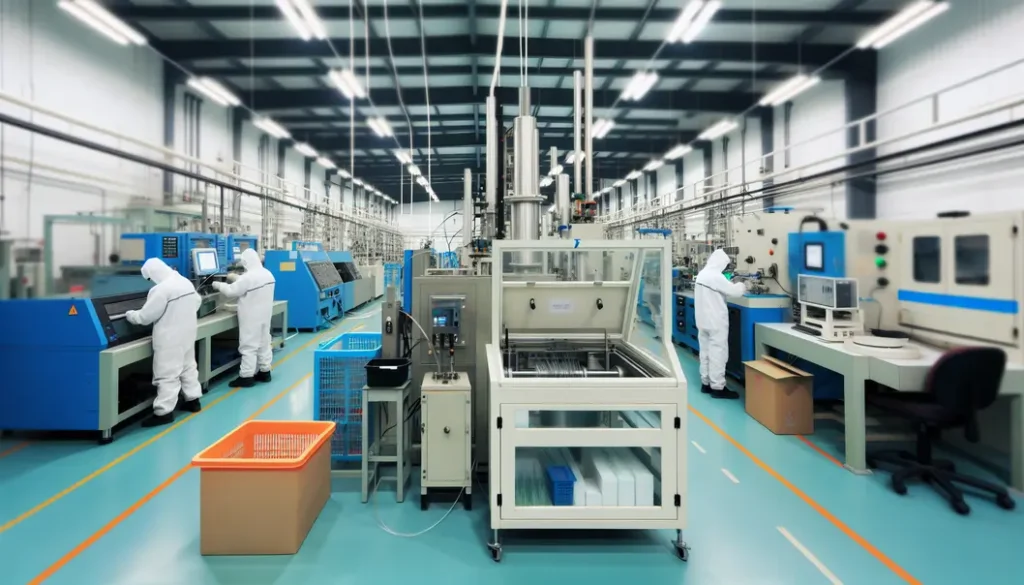
Designing a floor plan for a fiber optic cable manufacturing workshop is a meticulous process requiring careful consideration of space utilization, workflow optimization, and safety compliance. The layout not only dictates efficiency but also impacts production outcomes and operational costs. A thoughtfully designed workshop floor plan serves as the backbone of an efficient manufacturing operation.
Key Principles for an Optimized Layout
First and foremost, workflow analysis is crucial. The process of manufacturing fiber optic cables involves multiple stages, from raw material preparation to cable extrusion, coating, and coiling. Each step demands coordination between machinery, personnel, and materials. Arranging production zones sequentially minimizes unnecessary movement and ensures seamless transitions between stages.
Spatial planning is another vital factor. Adequate room for machinery, storage areas for raw materials, and pathways for workers must be accounted for. Precision and continuous operation are critical in fiber optic cable manufacturing, requiring space to accommodate high-performing equipment. Oversight often occurs in providing proper clearances for maintenance access—this should not be overlooked, as easy equipment servicing reduces downtime.
Safety and Compliance Considerations
Incorporating safety regulations into the floor plan is non-negotiable. Fiber optic cable production involves operating high-speed equipment, heat-generating processes, and intricate spooling operations. To mitigate risks, designated zones for fire suppression systems, emergency exits, and protective barriers should be integrated into the design. Clear labeling of hazardous zones and ensuring pathways are free from obstructions contribute to both worker safety and operational efficiency.
Ventilation systems also play a pivotal role in maintaining air quality. Many manufacturing processes emit particles or vapors that require mitigation. Strategically placing HVAC systems enhances air circulation and minimizes exposure to harmful fumes, reflecting a commitment to workplace safety and environmental responsibility.
Lean Manufacturing Principles in the Floor Plan
Maximizing output while minimizing waste aligns with lean manufacturing principles. Employing techniques such as 5S (Sort, Set in order, Shine, Standardize, Sustain) ensures tools, equipment, and materials are appropriately organized for efficiency. Dedicated areas for frequently used components near workstations reduce retrieval times and eliminate unnecessary movement.
For fiber production workshops aiming to adopt sustainable practices, implementing energy-efficient lighting and machinery placement near power sources reduces energy loss. Thoughtfully choosing recyclable flooring materials and modular construction designs can further contribute to eco-friendly manufacturing practices.
For further insights into sustainable cabling systems and their integration in modern workshops, explore Sustainable Data Center Cabling, which covers innovative practices suited for advanced fiber optic setups.
Collaboration Between Design and Production Teams
Finally, workshop layout design should be an iterative process involving feedback from production teams. Operators who work closely with machinery often provide valuable insights into arrangement improvements. Regular updates to the floor plan based on operational success and challenges ensure adaptability to evolving production demands. By bridging the gap between planning and execution, manufacturers can build a robust, scalable infrastructure for sustained fiber optic cable production.
Strategically Positioning Equipment for Optimal Efficiency in Fiber Optic Workshops
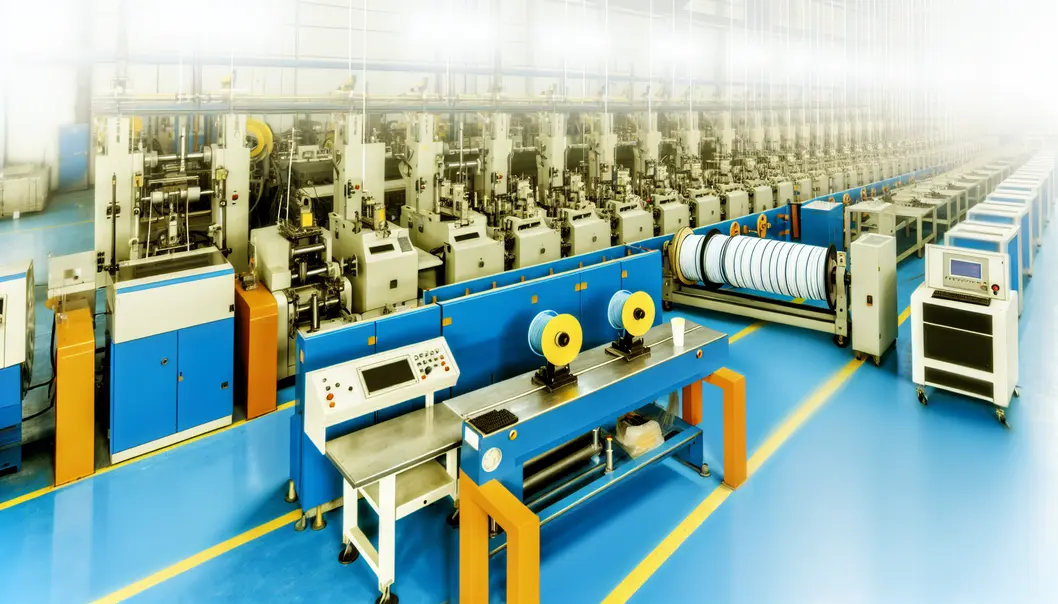
When planning the layout of a fiber optic cable manufacturing workshop, few decisions are as pivotal as equipment placement. Thoughtful positioning not only impacts the productivity of the facility but also ensures safety, reduces operational costs, and accommodates future expansions. It’s critical to approach this step with a strategic mindset, factoring in workflow processes, equipment requirements, and the unique demands of fiber optic cable production.
One key aspect of equipment placement is understanding the production process flow. Fiber optic cable manufacturing involves a sequence of steps—fiber drawing, cable sheathing, buffering, and testing—each requiring specific machinery. Positioning equipment in alignment with the production workflow minimizes material movement and transit time between operations. For instance, placing the fiber drawing equipment near the buffering units can streamline operations, avoiding unnecessary delays and reducing the risk of damage to sensitive fibers. By structuring the workspace around these natural process flows, efficiency gains can be immediately realized.
Safety considerations are equally indispensable. Manufacturing environments can be hazardous, with heavy machinery, high-voltage equipment, and potentially fragile materials like optical fibers in constant use. To mitigate risks, ensure machinery that produces high noise levels or emits heat is placed in sections of the workshop designed for minimal human exposure. Additionally, the routing of power supplies, cooling systems, and ventilation ducts should prioritize safety while maintaining accessibility for maintenance. Clear aisleways and properly positioned emergency exits must remain unimpeded by equipment placement.
Another crucial factor is the spatial requirements of each machine. Individual pieces of equipment have unique needs, from physical dimensions to utility connections and maintenance access. For example, fiber sheathing lines are typically long and require significant linear space, while buffering machines might demand varying configurations based on fiber count. Carefully mapping out the dimensions and infrastructure needs of each machine, while accounting for potential expansions or upgrades, ensures the workshop will remain adaptable to scaling demands in the future.
Material logistics and storage solutions also dictate where equipment should reside. Equipment that frequently interacts with incoming materials, such as reels of optical fiber or polymers for jacketing, should remain close to storage areas to minimize transport time. Likewise, testing and quality assurance equipment should be positioned near the end of the process to ensure completed cables have minimal handling before inspection.
Finally, leveraging technologies like simulation software can help visualize equipment placement before making any physical changes to the workshop. This allows manufacturers to model workflows, identify inefficiencies, and make adjustments proactively.
For further insights on fiber optic manufacturing setup, explore the fiber optic factory equipment guide. This resource dives deeper into the specific tools and configurations essential for efficient production.
By emphasizing functionality, safety, and scalability, strategic equipment placement transforms a workshop into a truly optimized manufacturing environment that can meet today’s demands while adapting for tomorrow’s challenges.
Maximizing Efficiency: Workflow Design for Fiber Optic Cable Manufacturing Workshops

Designing an efficient workflow is the backbone of any successful fiber optic cable manufacturing workshop. Without an optimized workflow, even the best equipment placement strategies and state-of-the-art production tools may fall short of delivering consistent quality and timely outputs. In this chapter, we’ll explore key considerations for achieving a streamlined workflow that balances operational speed, precision, and adaptability.
Understanding the Production Sequence
The first step in workflow optimization is to map out the complete fiber optic cable production process. From raw material preparation to cable assembly, testing, packaging, and storage, each stage must be clearly defined. This enables managers to identify dependencies between processes, ensuring that equipment and workstations are structured sequentially to minimize delays. For instance, material handling should seamlessly connect extrusion machines, coating stations, and testing lines to eliminate bottlenecks caused by inefficient movement of semi-finished products.
One key principle here is the ‘linear flow’ layout. By arranging machinery and workstations to mimic the natural progression of production steps, workshops can prevent unnecessary backtracking and congestion. This strategy is particularly valuable in environments where space is limited, helping to maximize efficiency while reducing physical footprints.
Balancing Flexibility with Standard Operating Procedures
Fiber optic cable manufacturing involves repetitive processes but also requires adaptability to accommodate product variations, such as differences in cable type and length. Achieving the right balance between structured workflows and flexibility is crucial. Standard operating procedures (SOPs) should be implemented to maintain consistency in tasks like tension control during extrusion or ensuring precise fiber alignment during assembly. At the same time, modular workstations and adjustable tooling can provide the flexibility needed to transition between product specifications with minimal downtime.
Additionally, forecasting production demand and aligning it with workflow design can prevent overproduction or idle machines. Implementing just-in-time (JIT) manufacturing principles allows workshops to produce cables in sync with market needs, optimizing both time and resources.
Human-Centered Workflow Design
Although automation has revolutionized fiber optic cable manufacturing, human workers still play pivotal roles in quality checks, machine monitoring, and customized assembly tasks. To enhance productivity, workflows should be designed with ergonomic considerations in mind. Workstations should minimize repetitive strain and allow workers to operate machinery comfortably. Clear visual cues, such as color-coded pathways and signage, further help workers navigate the production floor, reducing errors and improving morale.
Investing in employee training is another vital component. Workers who understand the intricacies of the production process, as well as how their tasks contribute to overall workflow success, can make informed decisions and troubleshoot bottlenecks effectively. Workshops equipped with collaborative spaces for technicians and engineers to discuss designs and solve equipment challenges generally see smoother production processes.
Ultimately, optimizing workflows in a fiber optic manufacturing workshop is not just about speed—it is about ensuring that every component, station, and task is seamlessly connected to create high-quality products cost-effectively. For further insights on setting up a workshop that aligns best practices with cutting-edge equipment, you can explore this comprehensive guide to factory infrastructure.
Ensuring Safety and Compliance in Fiber Optic Cable Workshop Design

Creating a fiber optic cable manufacturing workshop is a technically intricate process that requires a keen understanding of both regulatory compliance and safety protocols. These elements are not only essential for maintaining a lawful and hazard-free working environment but also directly influence operational efficiency and long-term sustainability. By integrating safety and compliance considerations into the early phases of workshop design, manufacturers can prevent costly retrofits and ensure smooth, uninterrupted production.
Regulatory Compliance – The Backbone of Workshop Design
One of the primary facets of compliance is adhering to local, national, and international safety standards related to fiber optic manufacturing. These regulations govern everything from fire safety to material handling protocols, with the goal of reducing workplace accidents and environmental risks. For example, larger facilities may need to comply with fire codes that dictate the number and placement of extinguishers, sprinklers, and evacuation routes. Ensuring proper ventilation and dust containment is also critical, especially in sections of the workshop where fiber splicing or polishing generates particulate matter.
Furthermore, fiber optic cables often incorporate materials that require specific handling, such as glass fibers and chemical coatings. It’s imperative to study the requirements for these materials to confirm full compliance. Regulatory certifications, such as adhering to European CPR (Construction Products Regulation) for Low-Smoke Zero-Halogen (LSZH) cables, can demonstrate to clients and stakeholders that the facility is meeting global safety benchmarks. A detailed understanding of these requirements at the design stage can also streamline inspections and approvals later on — positioning the facility as future-proof in a continually evolving regulatory landscape.
Safety Considerations Tailored to Fiber Optic Processes
Safety measures in fiber optic production workshops must account for the unique risks posed by optical fibers and the specialized equipment used to manufacture and test them. One significant concern is protecting workers from fiber shards. These tiny fragments are not only hazardous when inhaled but can also cause severe skin and eye injuries. Designing the workshop to include designated waste disposal units for fiber remnants helps mitigate this risk. Additionally, installing shatterproof protective screens on fiber cutting and splicing stations can further safeguard employees.
Electrical hazards are another critical factor, as fiber optic manufacturing relies heavily on high-tech equipment such as drawing towers, curing units, and testing systems. Ground-fault circuit interrupters (GFCIs) and surge protection systems are essential for preventing electrical mishaps. Design planning should also focus on clear, unobstructed layouts that accommodate emergency shutdown procedures and ensure accessibility during power failures.
Lastly, appropriate signage and training programs should be incorporated into the workshop’s operational blueprint. Warning labels, first-aid kits, and well-marked exits may seem like minor details, but they’re essential for reinforcing a culture of safety. Ongoing training that teaches workers how to safely handle optical fibers, operate machinery, and respond to emergencies further solidifies these measures.
By embedding compliance and safety considerations into the workshop design, facilities can not only meet legal standards but also create an environment that prioritizes both productivity and worker well-being. For more insights into setting up a compliant and efficient fiber optic cable manufacturing plant, check out this guide on fiber optic factory builds.
Efficient Material Handling and Storage: The Backbone of a Fiber Optic Cable Workshop

In any fiber optic cable manufacturing workshop, efficient material handling and storage systems are integral to maintaining workflow productivity and ensuring product quality. Unlike conventional manufacturing, producing fiber optic cables requires precise control of sensitive components like optical fibers, protective coatings, and specialized reinforcing materials. To create a seamless and optimized workspace, workshop planners must carefully design systems that facilitate smooth handling while prioritizing safety and cost-efficiency.
Critical Material Flow Considerations
The journey of raw materials within the workshop impacts both production speed and product quality. Every movement must be coordinated to minimize unnecessary handling and prevent damage to fragile components. This starts with a well-defined material flow system that aligns with the layout of the entire facility. Key zones—such as the receiving area for incoming materials, the staging area for work-in-progress (WIP), and finished goods storage—should be logically connected. This arrangement reduces the risk of cross-contamination or material bottlenecks that can disrupt production cycles.
Effective material flow also hinges on leveraging automation where possible. Conveyor systems, automated guided vehicles (AGVs), or robotic pickers can transport materials between processes with minimal manual intervention. This not only reduces labor costs but also mitigates risks associated with human error during handling. For less advanced setups, simple tools like trolleys and modular racks can still be used to improve efficiency.
Storage Solutions Tailored to Fiber Optic Workshop Needs
Material storage in a fiber optic workshop goes beyond mere organization—it is a protective measure against contamination, damage, and product degradation. Highly sensitive components such as optical fibers must be stored in clean, temperature-controlled environments. For example, fiber reels should be organized in shelves that prevent overlapping to avoid scratches or pressure damage. Similarly, polymer coatings or resins require sealed storage units to maintain their chemical stability.
Rotational systems, like first-in, first-out (FIFO) storage methods, play a crucial role here. By ensuring older materials are used first, manufacturers can avoid wastage from expired components. Customized shelving and modular systems are invaluable for adapting to the variable sizes and storage needs typical in fiber optic production. Incorporating small-scale temperature and humidity control units within critical storage zones ensures that sensitive materials remain in optimal condition.
Cost Balancing Through Strategic Layouts
While efficiency is paramount in material handling and storage planning, balancing it with cost considerations is vital. A compact, linear layout for material movement minimizes the space required for pathways, thus maximizing the areas available for production. Similarly, centralized storage zones can shorten the travel distances between steps in the production process, reducing delays.
To remain sustainable, workshops should evaluate the scalability of their material handling investments. Small-to-mid-sized operations might prioritize modular storage units and semi-automated systems, leaving room for future upgrades. Larger organizations, on the other hand, may benefit from full-scale automation to manage higher volume throughput.
For detailed insights on the equipment involved in fiber optic production setups, visit this guide on factory equipment, which outlines critical tools and their role in achieving an optimized layout.
Efficient material handling and storage not only streamline daily operations but also enhance the precision and quality critical to fiber optic manufacturing. By investing in tailored solutions and planning for scalability, manufacturers can create production facilities that meet current demands while paving the way for future growth.
Final thoughts
Designing the ideal layout for a fiber optic cable manufacturing workshop requires precision and strategic planning. From laying out the floor plan and placing equipment to optimizing workflows and ensuring safety compliance, each step plays a pivotal role in achieving operational efficiency. Integrating these strategies into your workshop design ensures streamlined processes while meeting industry safety standards and production goals. With proper planning, your facility will be positioned for scalability, high performance, and long-term success.
Contact AIMIFIBER for expert support in FTTH cable solutions, customized fiber assemblies, and OEM/ODM services tailored to your project needs.
Learn more: https://aimifiber.com/contact-us/
About us
AIMIFIBER provides pre-terminated fiber optic solutions, FTTH drop cables, patch cords, pigtails, FTTA products, and highly customized fiber assemblies. Designed to meet the needs of telecom and data center industry leaders, our products ensure reliability, performance, and scalability.