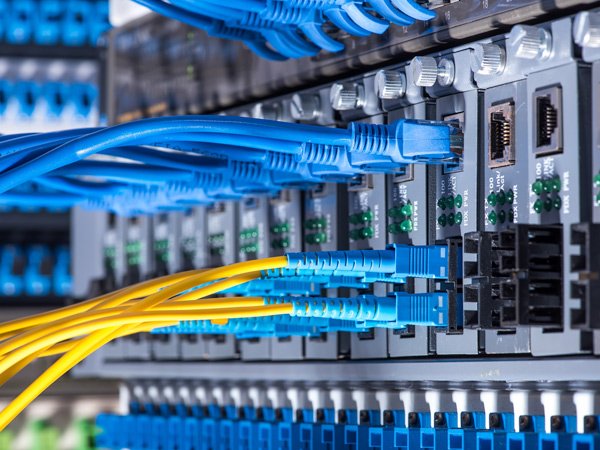
Selecting the right extruder is crucial for the efficient and reliable manufacturing of fiber optic cables. Telecom project managers, ISP procurement teams, factory investors, production managers, and fiber optic engineers all aim to optimize performance, achieve cost-effectiveness, and ensure compatibility with evolving technologies. This decision directly impacts production quality, material compatibility, and long-term operational sustainability. This guide will help you navigate essential considerations, from matching extruder specifications with material requirements to understanding advanced features in modern extrusion systems. We’ll also examine precision, calibration, and cutting-edge technologies to ensure high-quality output standards. By exploring these interconnected elements step-by-step, you'll gain the clarity needed to make informed investment decisions and elevate your manufacturing capabilities.
Key Considerations for Selecting the Perfect Extruder in Fiber Optic Cable Manufacturing

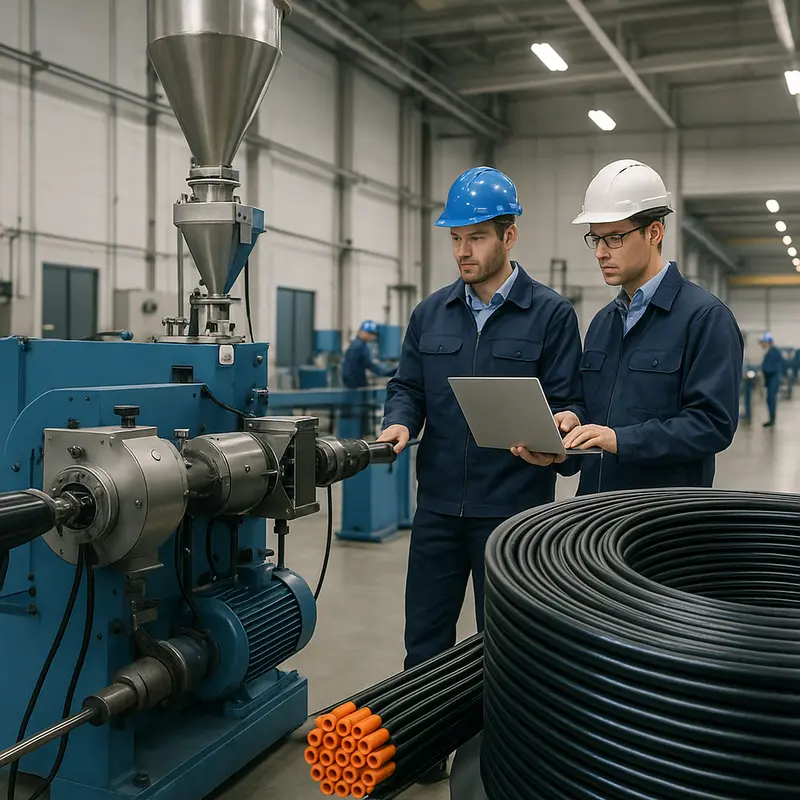
Fiber optic cable manufacturing is a process that demands precision and reliability. At the heart of this operation is the extruder—a crucial piece of equipment that shapes and coats fiber optics with protective layers. Choosing the right extruder requires balancing engineering specifications, operational efficiency, and long-term scalability to meet production demands.
Understanding Production Requirements
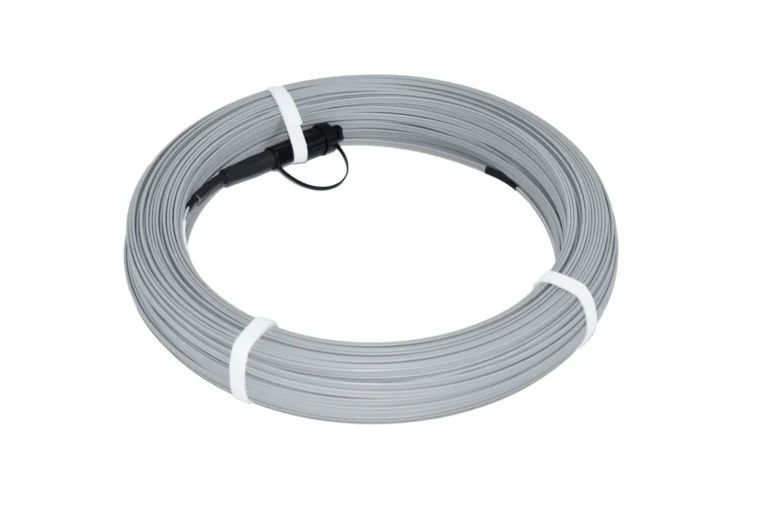
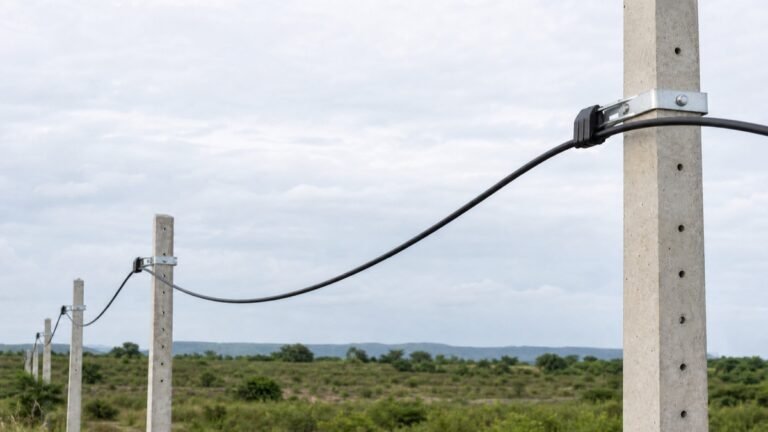
Before evaluating extruders, it is vital to understand the specific production needs. Fiber optic cables vary widely in design, from tight-buffered cables to sheath-coated cables. Each type demands different extrusion techniques. For instance, manufacturing tight-buffered cables necessitates extruders capable of handling low-viscosity polymers with extreme precision. This ensures consistent coating along the fiber and minimizes the risk of defects. Manufacturers producing drop cables for FTTH (Fiber to the Home) applications will require extruders optimized for high-throughput production while maintaining tight dimensional tolerances.
Additionally, the expected production volume plays a critical role. Smaller-scale operations may benefit from extruders with hybrid functionalities, providing flexibility. By contrast, larger facilities often require high-capacity machines tailored for specific cable types.
Temperature and Pressure Control Features
Precision temperature and pressure control are foundational elements in extrusion. Maintaining uniform polymer flow helps achieve optimal insulation and prevents micro-level anomalies that can compromise the fiber’s performance. Modern extruders incorporate advanced control systems capable of monitoring temperature, pressure, and energy usage in real time. This technology ensures consistent output while reducing material waste and operational errors. When selecting an extruder, look for features like multiple temperature zones and automated calibration tools to streamline processes and improve quality consistency.
Efficiency and Durability
An extruder’s energy efficiency and durability directly impact its total cost of ownership. While high-efficiency machines may have a higher initial price point, they often yield significant savings in operational costs over time. Examine whether the extruder integrates energy-saving technology. Many cutting-edge designs incorporate better thermal insulation and optimized motor systems that reduce energy needs during extended production runs.
Durability is equally critical. Fiber optic extrusion processes often deal with high-pressure systems and continuous thermal cycling. Machines constructed from robust alloys and wear-resistant materials are essential for minimizing unplanned downtime. Further, easy-access maintenance features can prolong equipment life and ensure smoother operation.
Compatibility with Factory Workflow
Finally, ensure the extruder integrates seamlessly into the overall production line. The machine should accommodate existing process flows, including pre-heating systems and post-extrusion cooling setups. Evaluate connectivity for factory automation systems, especially if scalability is anticipated in the future.
For manufacturers aiming to optimize production, this fiber cable extrusion setup guide provides additional insights on keeping operations running efficiently.
Making an informed choice on an extruder requires balancing technical specifications, operational costs, and compatibility with long-term manufacturing plans. By prioritizing production-specific needs and evaluating equipment on multiple levels, manufacturers can ensure a reliable extrusion setup tailored to the demands of fiber optic cable production.
Optimizing Extruder Material Compatibility for Fiber Optic Cable Manufacturing
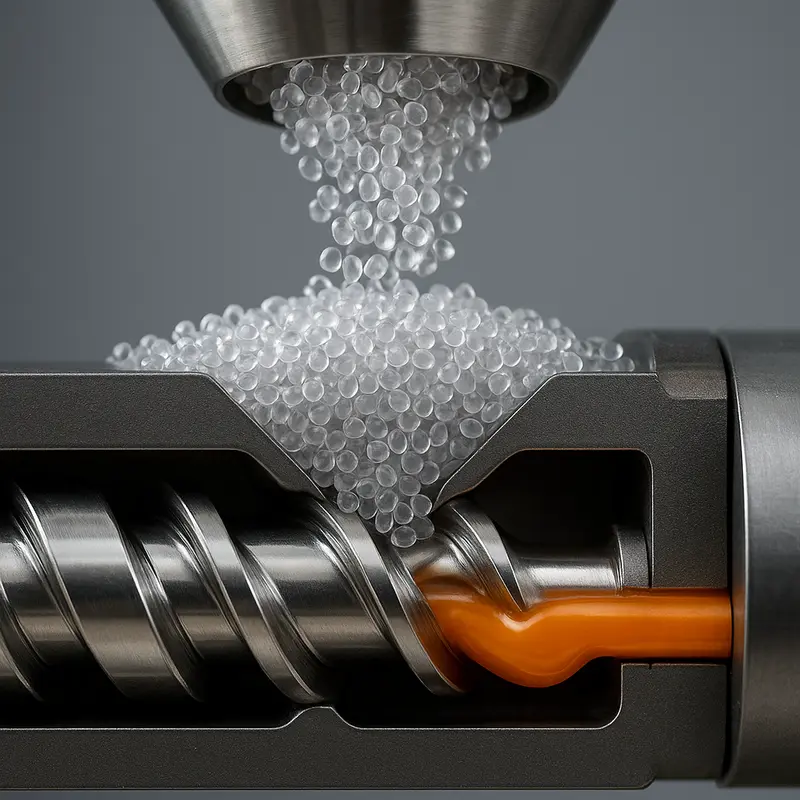
When selecting an extruder for fiber optic cable manufacturing, understanding material compatibility is paramount to ensuring a faultless production process. Fiber optic cables require exceptional precision during extrusion, as the materials involved must exhibit specific thermal, mechanical, and chemical properties to safeguard the integrity of the optical fibers. This chapter delves into what it means to evaluate material compatibility and the considerations manufacturers must weigh to strike the perfect balance between performance and cost.
The Role of Material Properties in Extrusion
Fiber optic cables consist of multiple layers, each serving a unique purpose in protecting the delicate optical fibers at the core. Common materials include polyethylene, PVC, and other polymer compounds tailored for optical cable sheath and buffer coatings. For the extruder, compatibility with these materials hinges on its ability to deliver consistent melting, forming, and cooling cycles without compromising the material’s properties. For example, high-density polyethylene (HDPE) used for cable sheaths demands precise temperature control. Deviation from the ideal thermal range can lead to structural inconsistencies, affecting performance in real-world applications.
Thermal degradation is one problem manufacturers often face when extruding materials that are sensitive to excessive heat. An extruder with poorly calibrated heating zones can lead to weak or brittle cable layers. Conversely, under-heated materials may result in uneven distribution or incomplete bonding. This makes choosing an extruder with advanced temperature management systems a cornerstone of success.
Compatibility Across Production Scales
Material compatibility is not merely about the technical function of an extruder; it also impacts scalability. Factories specializing in fiber optic cables often aim for modularity in production setups to handle different cable specifications over time. Adapting to different material grades or changing demand often necessitates extruders capable of versatile processing conditions. Evaluating these capabilities ensures a factory is prepared to scale up or diversify its production lines without costly equipment overhauls.
Testing and Validation
Validation is the final step in confirming material and extruder compatibility. Before committing to a particular extruder, it is common practice for manufacturers to run trial batches using the intended materials in simulated production environments. This process identifies potential inefficiencies, such as variations in extrusion pressure or poor material flow within the die assembly, which could compromise the cable’s structural uniformity.
Quality tests also extend to the finished product itself. For fiber optic cables, paying close attention to factors like sheath longevity, chemical resistance, and flexibility can highlight whether the extrusion process has maintained the material’s ideal characteristics. Manufacturers seeking to build refinable production systems typically rely on continuous testing cycles at both initial implementation and ongoing operational stages.
For further insights into how extrusion setups play a role in material compatibility, explore the technical breakdown available here: Advanced Extrusion Techniques for Fiber Optic Cables.
By carefully assessing material compatibility, manufacturers position themselves to produce fiber optic cables that not only meet industry standards but also exceed expectations in terms of durability and performance. The right extruder is more than just a machine—it’s a cornerstone for quality and reliability.
Mastering Extrusion Techniques for Superior Fiber Optic Cable Manufacturing

In the realm of fiber optic cable manufacturing, the extrusion process serves as the backbone of achieving both structural integrity and performance excellence. This highly specialized technique involves shaping molten materials into precise sheaths and coverings that protect delicate optical fibers while ensuring consistent performance in the field. Understanding the intricacies of extrusion methods is paramount when selecting a suitable extruder, as it directly impacts the quality and durability of the final product.
At its core, extrusion revolves around the transformation of raw polymer compounds into uniform coatings or jacketing materials. These compounds are selected based on their compatibility with the optical fibers’ unique needs, including protection against environmental factors like moisture, temperature fluctuations, and mechanical stress. A proficient extruder must ensure that the polymer flows smoothly through the die, resulting in precise dimensions and a robust, defect-free surface finish. Failure in achieving uniform extrusion can result in weak points that compromise cable performance during installation or extended operation.
Tuning the extrusion process to fiber optic cable manufacturing requires precision at every stage. First, maintaining a consistent temperature profile along the extruder barrel and die assembly is critical. Variations in temperature can lead to uneven material flow or degradation of the polymer, negatively affecting the final cable’s properties. Advanced control systems are often integrated into modern extrusion setups to monitor and adjust temperature dynamically, ensuring perfect alignment with production requirements.
Equally important is managing the speed of extrusion relative to optical fiber feed rates. Synchronization here is vital to prevent unnecessary stress or distortion of the fiber core, which could affect its light transmission capabilities. Tension management systems and automated feedback loops work in tandem to maintain a harmonious balance, producing cables with consistent geometry and enhanced reliability.
Additionally, the choice of die design and calibration tools plays an integral role. Dies must be tailored for the specific application, whether it's single optical fiber jacketing or multi-fiber cable production. An optimized die ensures that the polymer fully encapsulates the fiber without voids or air pockets, which could introduce vulnerabilities over time. In production environments where customization is routine, modular die designs offer greater flexibility, allowing manufacturers to quickly adapt to changing specifications without sacrificing quality.
Finally, post-extrusion cooling and curing processes dictate how well the cable maintains its desired properties. Improper cooling can lead to shrinkage or warping, undermining the cable’s performance standards. Well-designed cooling systems, often utilizing water baths or air jets, allow the extruded material to set correctly without inducing internal stresses.
For manufacturers aiming to refine their extrusion processes further, reviewing detailed guidance on optical cable extrusion setups can offer valuable insights. Explore more at this resource.
In essence, mastery of extrusion techniques is a decisive factor in producing high-quality fiber optic cables. From temperature control to die optimization and post-extrusion management, every step demands meticulous attention to detail. The extruder you choose must seamlessly integrate these capabilities to meet the exacting standards of fiber optic production, reinforcing both durability and performance for years to come.
Precision and Calibration: Cornerstones for Choosing the Perfect Extruder in Fiber Optic Manufacturing

In the realm of fiber optic cable manufacturing, selecting the right extruder is not merely a matter of matching technical specifications. Precision and calibration are the twin pillars that ensure your extruder consistently delivers the expected quality and performance in production. Without these, even the most advanced machinery can fall short, jeopardizing the integrity of your cables and, subsequently, the reputation of your operations.
At its core, precision refers to the accuracy with which an extruder handles the dimensions, material composition, and thermal responses during the extrusion process. Fiber optic cables rely on highly specialized coatings and sheaths to maintain signal transmission quality while protecting the delicate fibers inside. An error as small as a micron can lead to substandard cable performance. This is why the extruder must be capable of maintaining incredibly narrow tolerances throughout the entirety of the manufacturing process. Advanced systems often include features such as real-time dimensional checks, ensuring that deviations from the specified metrics are identified and corrected immediately.
Equally critical is calibration, which serves as the foundation for generating precise results. Calibration involves fine-tuning the extruder’s operating parameters to align it with production requirements. Temperature, pressure, and rotational speeds are just a few variables that demand exact control. Regular calibration prevents shifts in these variables, which can occur due to wear and tear or environmental conditions. Operators must schedule routine inspections and recalibrations to ensure the extruder continues to meet stringent production standards. As fiber optic cables are often expected to perform flawlessly over many years, errors introduced during extrusion due to poor calibration could have far-reaching consequences.
One of the most challenging aspects of maintaining precision and calibration is the dynamic nature of the materials used in fiber optic cable manufacturing. These materials, such as polyethylene and polyvinyl chloride, exhibit unique behaviors under varying temperatures and pressures. An extruder that cannot adapt to these changes risks creating inconsistencies in product quality. Modern systems mitigate this by integrating predictive algorithms and feedback loops, which dynamically readjust the machine’s operational parameters. Selecting an extruder equipped with these technologies is non-negotiable for manufacturers aiming to maintain competitive accuracy levels.
Investing in high-precision extruders and adhering to stringent calibration protocols are essential to safeguarding production quality. Neglecting these aspects can lead to an erosion of trust among clients who depend on reliable optical fiber products in telecommunications and other critical industries.
For a closer look at how extrusion tools impact fiber sheath integrity, explore fiber cable sheath extrusion line insights.
Revolutionizing Fiber Optic Cable Manufacturing: The Role of Technological Innovations in Extruder Design
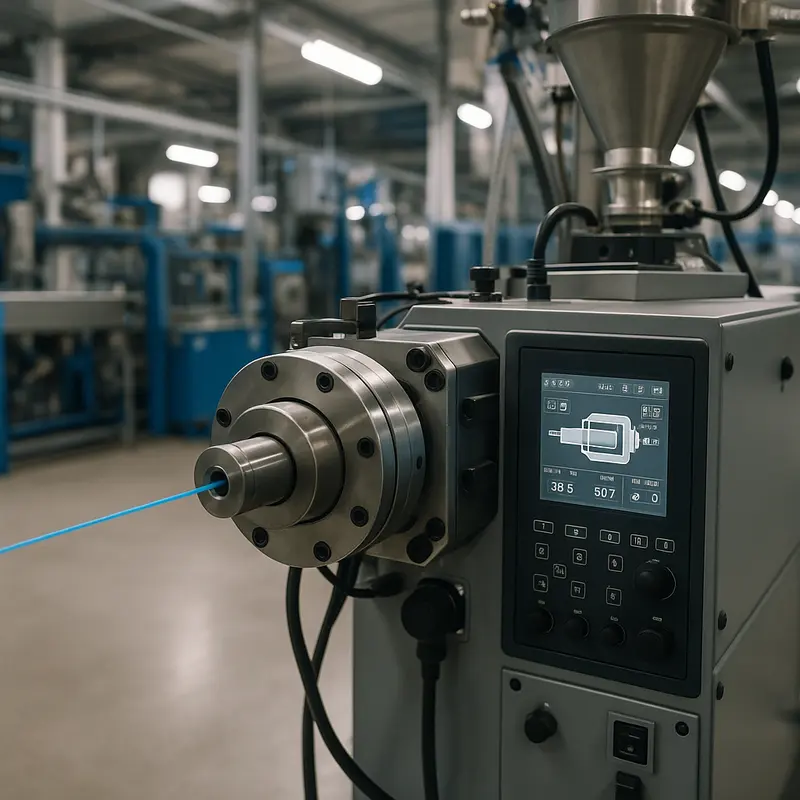
The increasing demand for high-speed data transmission has amplified the need for precision in fiber optic cable manufacturing, and extruder technology sits at the heart of this transformation. As the industry evolves, technological advancements in extruder design have become pivotal in ensuring efficiency, reliability, and the production of high-quality cables that meet stringent performance standards.
Modern extruders for fiber optic cable production integrate cutting-edge features that enhance both precision and throughput. One of the most notable innovations is the advent of adaptive extrusion systems. These systems employ advanced sensors and feedback mechanisms to monitor parameters like extrusion pressure, temperature, and material flow in real-time. By automatically adjusting these factors, adaptive systems reduce variability and ensure consistent sheath thickness, which is crucial for protecting the delicate optical fibers within. Such systems not only improve product quality but also minimize material waste.
Another groundbreaking development comes from microprocessor-controlled extruders. These machines leverage sophisticated algorithms to refine process parameters with unprecedented accuracy, simplifying what would otherwise be a manual and error-prone operation. This technology streamlines the workflow, making it easier for manufacturers to align production with the specific requirements of various fiber optic cable types, such as tight-buffered or armored cables. Additionally, microprocessor-controlled extruders can store production data for analysis, enabling manufacturers to optimize long-term performance and reduce downtime.
Thermal management is another critical area revolutionized by technological advancements. Older extruder systems often struggled with uneven temperature distribution, which impacted material integrity and cable performance. However, multi-zone temperature control systems are now standard in advanced extruder designs. These systems divide the extruder barrel into thermal zones, each precisely regulated to maintain the optimal processing temperature for different materials. This approach is especially beneficial for handling specialized polymers used in fiber optic cables, ensuring robust sheathing without compromising on flexibility or durability.
Moreover, the growing emphasis on automation has led to the integration of smart extruder interfaces. These user-friendly interfaces provide operators with comprehensive control over the extrusion process while offering detailed diagnostic information. Features such as predictive maintenance alerts and error detection algorithms help manufacturers avoid costly production disruptions and maintain high efficiency, underscoring the importance of these advancements in a competitive market.
The benefits of these innovations extend beyond machinery performance. They also contribute to more sustainable manufacturing practices. By optimizing material usage and energy consumption, new extruder technologies help manufacturers minimize their environmental footprint—a priority for many companies today. For those looking to delve deeper into establishing or upgrading their fiber optic cable production infrastructure, reviewing guidance on fiber optic workshop layout can provide valuable insights into designing efficient setups that complement advanced extruder capabilities.
Ultimately, these technological advancements not only refine the extrusion process but redefine the standards for what modern fiber optic cable manufacturing can achieve—a leap forward that echoes the digital era’s demand for precision and sustainability.
Final thoughts
Choosing the right extruder for fiber optic cable manufacturing requires a careful evaluation of factors such as material compatibility, precision, and technological capabilities. Each chapter has highlighted crucial considerations—from understanding extrusion techniques to leveraging advancements that enhance efficiency and ensure high production standards. By prioritizing these elements and adapting to market demands, manufacturers can optimize operations, reduce costs, and maintain quality. Whether you’re scaling up or establishing new processes, these insights provide a roadmap toward reliable decision-making and improved outcomes in fiber optic cable production.
Contact AIMIFIBER today for expert guidance on fiber optic solutions including FTTH cables, patch cords, and OEM/ODM services.
Learn more: https://aimifiber.com/contact-us/
About us
AIMIFIBER provides pre-terminated fiber optic solutions, FTTH drop cables, patch cords, pigtails, FTTA products, and customized fiber assemblies. With expertise in telecom and data center projects, AIMIFIBER delivers high-quality assemblies tailored to your unique requirements, ensuring reliability, efficiency, and scalability.