Setting up an optical cable sheath extrusion line is a critical step in manufacturing robust optical cables designed to withstand environmental stress and ensure reliable signal transmission. For telecom project managers, production leaders, and factory investors, understanding the processes and tools involved is vital for operational efficiency and quality control. This guide walks readers through the essentials of setting up such a production line, detailing required equipment, step-by-step processes, and troubleshooting strategies. Each chapter is tailored to deliver insights that align with industry standards and practical needs, concluding with optimization and long-term maintenance tips to maximize efficiency and minimize downtime.
Laying the Foundation: An Introduction to Optical Cable Sheath Extrusion Line Setup
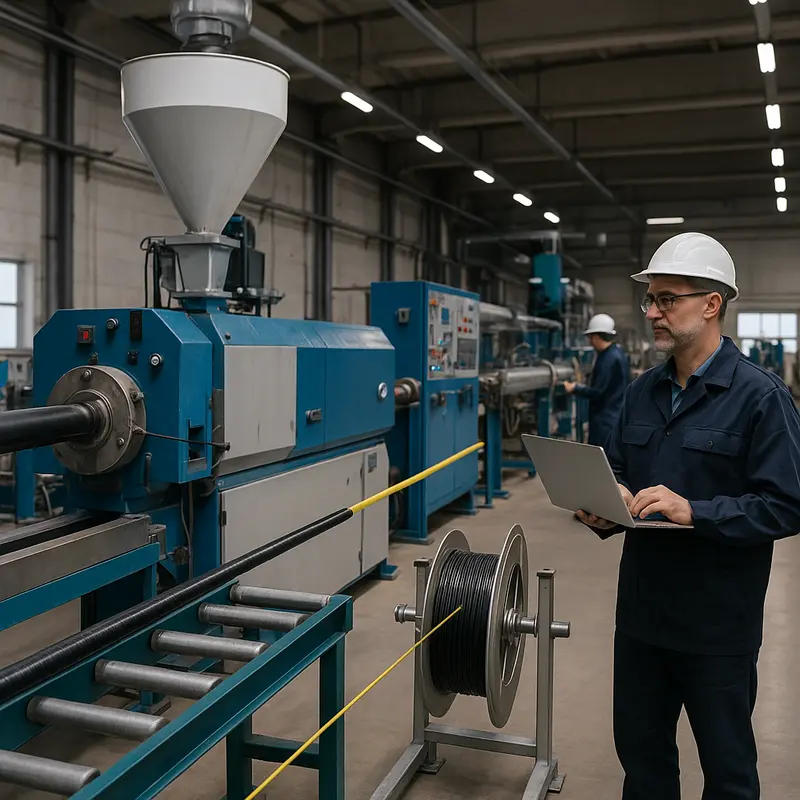
Setting up an optical cable sheath extrusion line is a critical undertaking in the production of fiber optics, requiring both precision and strategic planning. At its core, an extrusion line serves as the backbone for encapsulating delicate optical fibers in robust protective sheaths, ensuring durability and operational integrity. This makes it a foundational step for creating high-quality fiber optic cables vital for telecommunication, networking, and other industries.
Understanding the purpose of an optical cable sheath extrusion line is the first step toward its successful setup. The extrusion line is where polymer materials, often in the form of granules or pellets, are melted and shaped around the optical fibers to create a continuous and uniform protective layer. This sheath shields the fibers from environmental factors like moisture, temperature fluctuations, mechanical stress, and chemical exposure. The precision required at this stage cannot be overstated; even slight inconsistencies can compromise the cable's performance and longevity.
Another foundational aspect of setting up this machinery is evaluating the space where the line will be installed. An extrusion line is a complex system that demands adequate operational space, electrical infrastructure, and proper ventilation to handle the heat generated during the process. The physical layout of your facility should accommodate not only the extrusion equipment but also auxiliary systems such as cooling mechanisms, quality testing units, and material handling systems. Planning your workshop layout effectively is critical, as it directly impacts the efficiency of your production line. To explore how to design an optimized workshop, you can refer to this guide on fiber optic workshop layout.
Material selection is another essential consideration when preparing to set up an extrusion line. The choice of polymer will depend on the specific performance characteristics required for the cable. Commonly used materials include polyethylene, polyvinyl chloride (PVC), and nylon, each offering unique advantages such as flexibility, abrasion resistance, or flame retardance. Ensuring a steady supply of high-quality raw materials is vital to maximize production efficiency and maintain consistent output quality over time.
Equally important is having a clear understanding of the technical requirements and compliance standards associated with optical cables in your target market. International standards, such as ISO and ITU-T specifications, often govern factors like sheath thickness, tensile strength, and fire safety. Aligning your extrusion process with these guidelines is crucial to ensure that your products meet industry benchmarks and gain customer trust.
Finally, training your workforce plays a pivotal role in the successful operation of an optical cable sheath extrusion line. The machinery's precision and technicality require skilled operators who understand the intricacies of the process. Proper training minimizes errors, enhances productivity, and helps maintain the quality of the cable sheaths produced.
When piecing together all these elements—space planning, material selection, regulatory compliance, and skilled manpower—you lay the groundwork for establishing a robust optical cable sheath extrusion line. As we transition seamlessly into discussing the key equipment needed for this setup, the focus will shift toward the specific tools and technologies that bring this operation to life.
Essential Machinery and Tools for a Seamless Optical Cable Sheath Extrusion Line
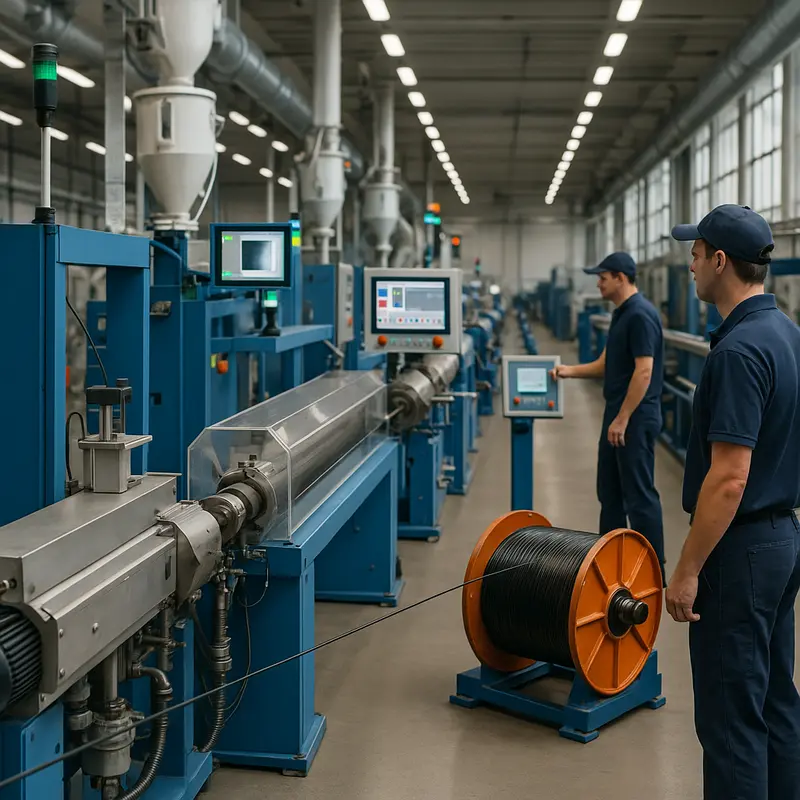
To set up a high-quality optical cable sheath extrusion line, one must begin by understanding the pivotal role that specialized machinery and tools play. This industrial setup is not only a cornerstone of fiber optic cable production but also influences the efficiency, durability, and quality of the final product. Selecting the right equipment ensures consistent output and minimizes production hiccups—critical factors in a competitive industry.
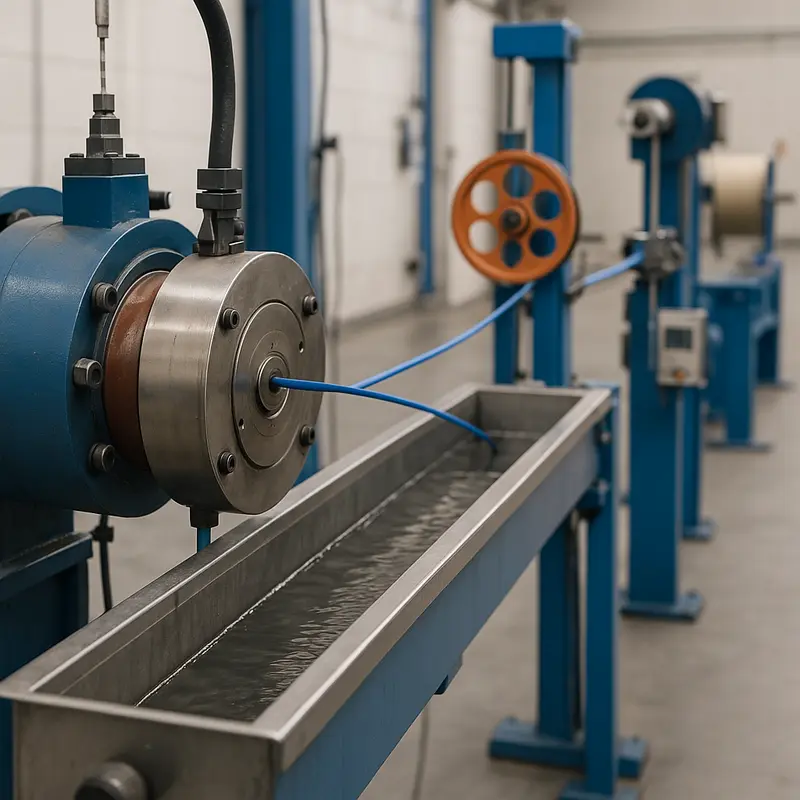
At the heart of the extrusion line lies the extruder, the metrological engine of the operation. This machine prepares the sheath material, usually polyethylene or PVC, by melting and uniformly extruding it around the optical cables. The extruder’s capacity and performance depend on several factors, such as its screw design, heating zones, and speed control precision. These elements combine to enable a smooth, even coating that protects the optical fibers from physical and environmental degradation.
Equally vital is the crosshead die, which ensures the melted sheath material is applied with precision onto the cable. This tool requires meticulous calibration, as the uniformity of sheath thickness directly affects the cable’s structural integrity and its compliance with industry standards. Whether designing cables for standard environments or rugged outdoor conditions, the crosshead die must be optimized for specific sheath dimensions.
Next, consider the cooling trough, an indispensable component of the extrusion line. Once the molten material envelops the optical fibers, it passes through this cooling station, typically filled with water. Effective cooling solidifies the sheath and ensures its proper adhesion to the fiber bundle without introducing stress points. The length, flow rate, and temperature of the cooling section must be carefully adjusted for consistently flawless results.
The process would also falter without high-quality capstan systems. These drive mechanisms maintain the correct tension on the optical cable as it progresses through the extrusion line. Over-tensioning risks damaging the internal fibers, while under-tensioning could lead to irregular sheath application. A synchronized capstan ensures that the cable is pulled at a controlled speed, coordinating seamlessly with the extruder’s output.
Consideration must also be given to diameter measuring and control devices. These monitoring systems use non-contact measurement techniques, such as laser gauges, to verify that the cable dimensions meet predetermined specifications. They detect immediate deviations in diameter and communicate with automated controls to make real-time adjustments. This feedback loop eliminates inconsistencies and ensures that quality standards are met without manual intervention.
Finally, spooling and packaging systems round out the extrusion line. This equipment collects and organizes the finished cable, preparing it for storage, transport, or deployment. Automated spooling systems reduce manual handling and ensure neat winding, preserving the optical cable’s integrity during storage.
Each of these tools and machines plays an interconnected role in ensuring the seamless functioning of an optical cable sheath extrusion line. For more information about selecting the right equipment for cable production, you can explore fiber-optic cable factory equipment. Building a robust infrastructure with well-coordinated machinery is an investment in both operational efficiency and product quality.
Comprehensive Workflow for Establishing an Optical Cable Sheath Extrusion Line
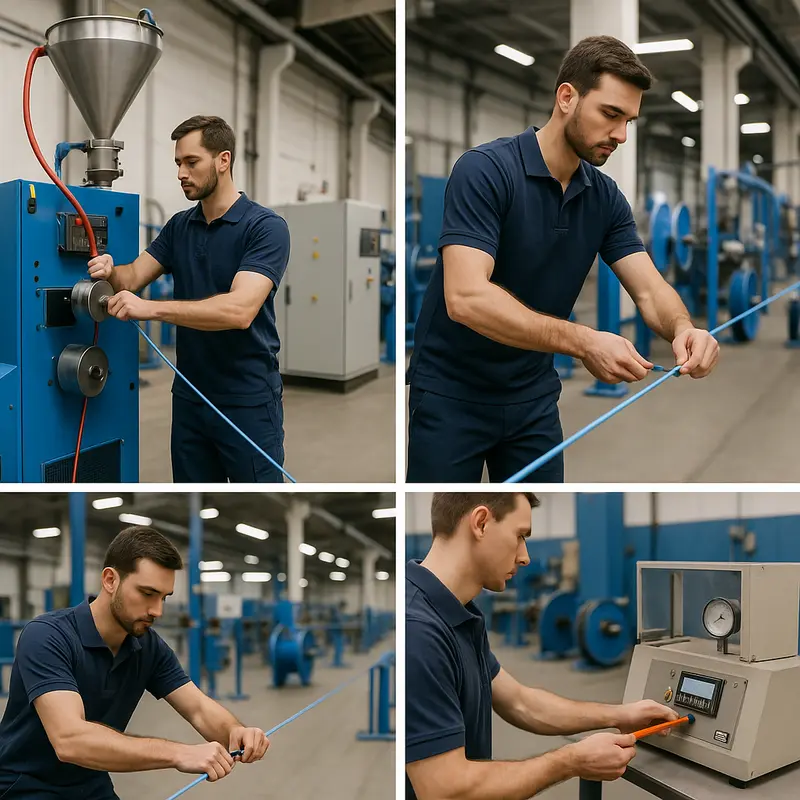
Setting up an optical cable sheath extrusion line involves a careful balance of preparation, precision, and operational strategy. Understanding the workflow ensures efficiency, minimizes downtime, and guarantees the production of high-quality cable sheaths that meet industry standards. From laying the groundwork to calibrating processes, every step is crucial to creating a functioning extrusion line.
To begin, site preparation is a critical step. The chosen facility should meet specific environmental and spatial requirements, including proper ventilation, robust temperature controls, and adequate room for equipment layout. Ensuring that electrical and mechanical utilities, such as power supplies, cooling systems, and compressed air lines, are in place reduces setup delays. Key considerations also involve assessing the floor load capacity and mapping areas for storing raw materials and finished products.
Next, equipment installation marks the transition from preparation to action. This includes setting up extrusion machines, molding systems, and auxiliary tools like pre-heating and cooling units. The extruder's alignment is essential, as it determines the consistency of the cable sheath. Special care must be taken to ensure that extrusion machines are calibrated according to the material specifications and design parameters of the cables.
Material preparation follows carefully. Optical cable sheaths are often composed of polymer blends designed for durability and flexibility. Ensuring raw materials are adequately dried, mixed, and preheated helps avoid defects such as shrinkage and uneven thickness during extrusion. Automated systems can streamline this stage, precisely controlling the input to maintain consistent quality across production.
With materials ready, the extrusion process begins. Ensuring that the extrusion machine operates at correct temperatures and pressure is vital to maintaining uniform output. The melted material is fed through a die, forming the sheath according to technical drawings. Monitoring each stage, including the cooling phase where the sheath is solidified, is necessary to detect abnormalities early and prevent costly rework.
The line setup must incorporate quality control systems. Inline testing machinery, such as diameter measurement tools and surface defect detectors, plays a pivotal role. These systems ensure that every sheath meets dimensional tolerances and is free of flaws that could compromise its performance. Implementing strict quality assurance protocols strengthens customer confidence and fulfills regulatory requirements.
Finally, operational efficiency is sustained by automating processes wherever practical. Modern extrusion lines integrate intelligent systems to monitor performance metrics like extrusion speed, energy consumption, and throughput. Routine maintenance schedules should also be established to prevent wear-and-tear from undermining production goals.
For those keen on exploring customized extrusion setups and factory layouts, this guide on fiber optic workshop layout provides tailored insights to enhance operational design. By adhering to a systematic approach from site preparation to final calibration, businesses can build an optical cable sheath extrusion line optimized for scalability and reliability.
Navigating Obstacles: Overcoming Challenges When Setting Up an Optical Cable Sheath Extrusion Line
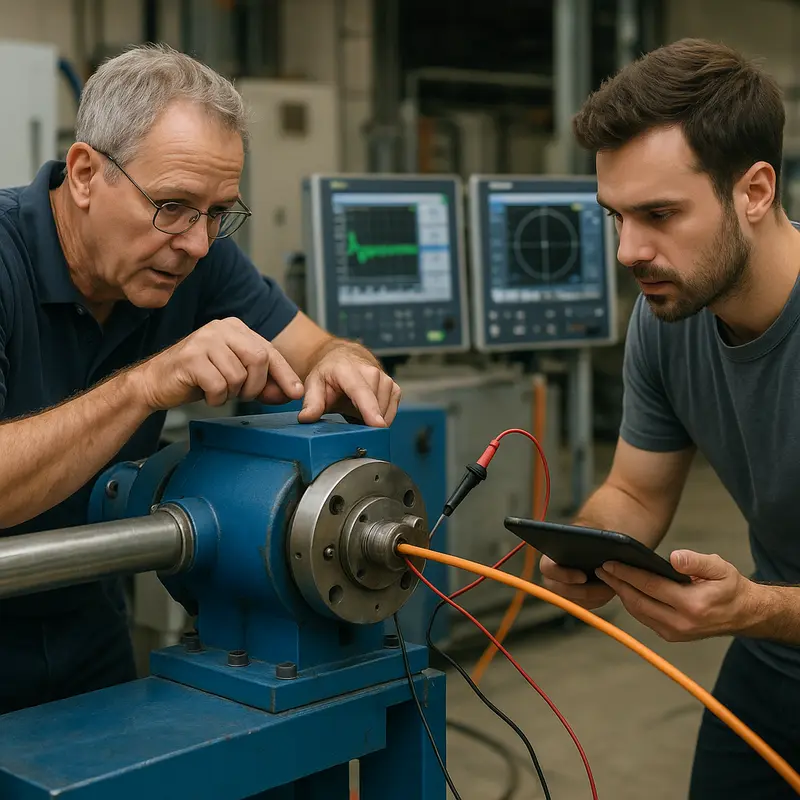
In the realm of establishing an optical cable sheath extrusion line, encountering challenges is inevitable. Success requires not only technical expertise but also foresight in identifying and addressing common issues that arise during the setup phase. This chapter delves into the primary obstacles and practical troubleshooting methods to streamline the process.
Material Compatibility and Selection Issues
One of the first hurdles is ensuring material compatibility with the sheath extrusion machinery. The chosen polymer materials must meet stringent specifications for durability, flexibility, and environmental resistance to safeguard the optical cable's performance. Missteps in material selection can lead to poor extrusion quality or sheath defects. To mitigate this risk, conduct rigorous pre-production testing on small batches of materials to verify their behavior under extrusion conditions. This step minimizes costly trial-and-error during full-scale production.
Temperature Control Challenges
Temperature regulation is another critical parameter in extrusion processes. Inadequate control can result in uneven sheath formation, weakening cable integrity. Key to resolving this issue is calibrating heating zones at regular intervals and investing in advanced sensors that monitor temperature fluctuations in real-time. Operators must remain alert to anomalies in performance data, particularly during initial line setup and the transition to full-speed production.
Alignment and Calibration Errors
Precise alignment of the extrusion die and core guiding system is fundamental to achieving a seamless sheath. Misalignment can cause cable warping or uneven thickness—a detrimental quality issue. Address this by employing automated alignment technology coupled with manual calibration checkpoints to double-check system parameters. This ensures long-term stability during continuous production.
Equipment Reliability and Maintenance
Newly installed extrusion lines are prone to mechanical hiccups, particularly if the machinery has not been adequately tested prior to setup. These include issues such as inconsistent extrusion pressure or component wear from improper integration. As a solution, conduct comprehensive factory acceptance testing (FAT) before on-site commissioning. Furthermore, establish a diligent maintenance schedule to reduce the likelihood of unexpected downtimes.
Electrical and Utilities Infrastructure
Supporting the extrusion line requires robust infrastructure for electricity, water cooling, and air supply. Insufficient utility capacity can lead to voltage drops or suboptimal cooling, directly affecting production efficiency. Collaborate with engineers experienced in fiber cable production line utilities to optimize infrastructure installation.
Quality Assurance Protocols
Finally, failure to implement strong quality assurance mechanisms can amplify problems over time, especially if subpar cable sections go undetected early. Utilize advanced optical inspection systems to identify potential flaws during production rather than after batch completion.
For further insights on building effective infrastructure for fiber cable production, consult this detailed guide.
Effectively navigating these challenges not only ensures smoother operational workflows but also establishes a foundation for long-term productivity and quality in optical cable sheath extrusion. By leveraging proactive troubleshooting and continuous optimization, manufacturers can overcome obstacles to achieve high-performance production outcomes.
Enhancing Efficiency and Lifespan: Optimization and Maintenance Strategies for an Optical Cable Sheath Extrusion Line
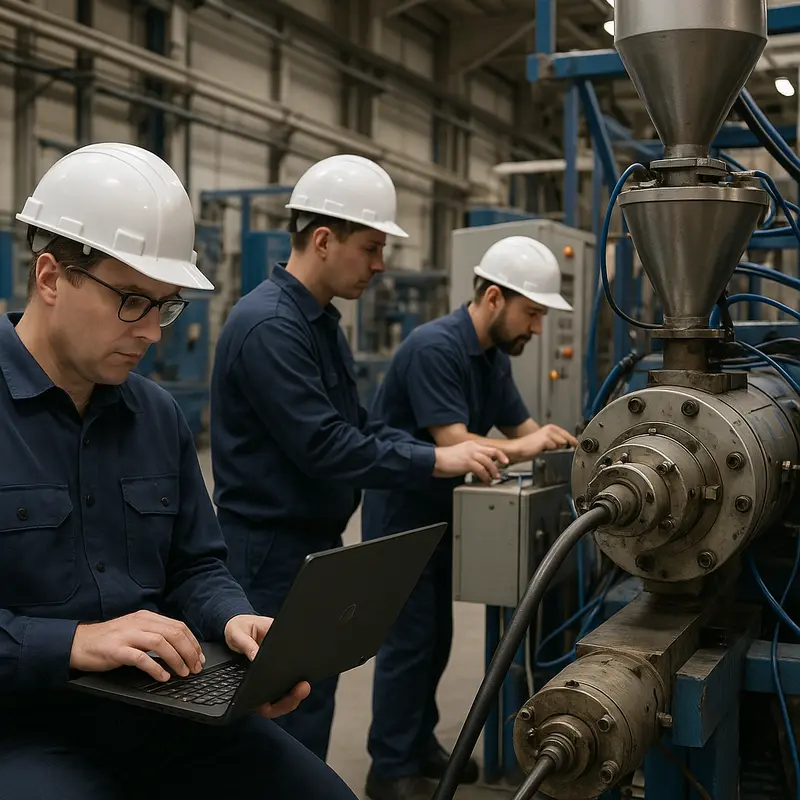
For those invested in the operations of an optical cable sheath extrusion line, efficiency and durability remain paramount. Balancing these objectives is no easy task—requiring thoughtful planning, regular upkeep, and continuous process refinement. By prioritizing optimization and maintenance, operators can extend the lifespan of their machinery while ensuring consistent production performance. Here’s how to achieve both effectively.
Process Optimization for Peak Efficiency
Optimizing the extrusion process begins with monitoring and finetuning key operational parameters. Temperature control is vital, as variations can lead to defects in the cable sheath. Regular calibration of temperature zones along the extrusion line ensures consistency, preventing issues like incomplete bonding or uneven thickness. Additionally, maintaining proper tension along feeding and pulling stations prevents deformations and enhances precision.
Material selection is another pivotal factor in optimization. High-quality polymers, such as polyethylene (PE) or polyvinyl chloride (PVC), should be used, as they offer superior durability and resistance to environmental stressors. Operators are encouraged to partner with reliable suppliers to ensure a steady and high-grade material supply.
Automation plays an increasingly critical role in extrusion line efficiency. Advanced monitoring systems equipped with sensors can detect irregularities in operation in real time. These systems provide immediate feedback, allowing operators to quickly resolve potential issues before they escalate. Investing in such technology ensures smoother operations and significantly reduces downtime.
Proactive Maintenance: A Pillar of Longevity
Routine maintenance is non-negotiable in preserving the extrusion line’s functionality and longevity. Begin with daily inspections—checking for wear and tear in critical components like the extrusion screw, barrel, and die head. Accumulation of debris in these parts can lead to decreased efficiency and eventual system failure if unaddressed.
Lubrication routines are also essential. Over time, high-speed mechanical interactions generate considerable friction, which can degrade parts. Use high-grade lubricants recommended by the equipment manufacturer to minimize wear and maximize operational smoothness.
Another key maintenance consideration is cleaning. Residual polymer buildup in the die head and cooling tanks can compromise the final product’s quality. Implementing a diligent cleaning schedule helps maintain the system’s integrity and ensures each cable sheath meets strict production standards.
Lastly, maintaining a well-documented maintenance log is indispensable. By keeping track of inspection results and performed repairs, operators can identify recurring patterns and implement targeted improvements to prevent future breakdowns.
A Collaborative Investment for the Future
Optimization and maintenance strategies for optical cable sheath extrusion lines represent a balancing act between technology and dedication. For those looking to scale operations, smart automation systems combined with diligent daily practices are vital. For additional insights, manufacturers can explore resources such as the comprehensive guide to fiber cable sheath extrusion lines to master these practices further.
By harmonizing operational efficiency with preventive care, businesses secure the dual benefits of maximized productivity and prolonged equipment lifespan. Ultimately, this approach empowers manufacturers to meet rising demands while lowering long-term operational costs.
Final thoughts
An efficient optical cable sheath extrusion line is essential for producing reliable cables for telecom and ISP projects. This guide provides insights into equipment needs, setup processes, troubleshooting, and optimization strategies, helping professionals achieve seamless production operations. By understanding and addressing potential challenges, maintaining the line rigorously, and implementing best practices, telecom leaders can enhance output quality and ensure long-term sustainability.
Ready to upgrade your fiber optic production capabilities? Contact AIMIFIBER for customized pre-terminated fiber solutions, OEM services, and production guidance.
Learn more: https://aimifiber.com/contact-us/
About us
AIMIFIBER provides pre-terminated fiber optic solutions, including FTTH drop cables, patch cords, pigtails, FTTA products, and tailored fiber optic assemblies to meet telecom and ISP needs. With OEM/ODM support, AIMIFIBER ensures high-quality and reliable products for data center and telecom projects worldwide.