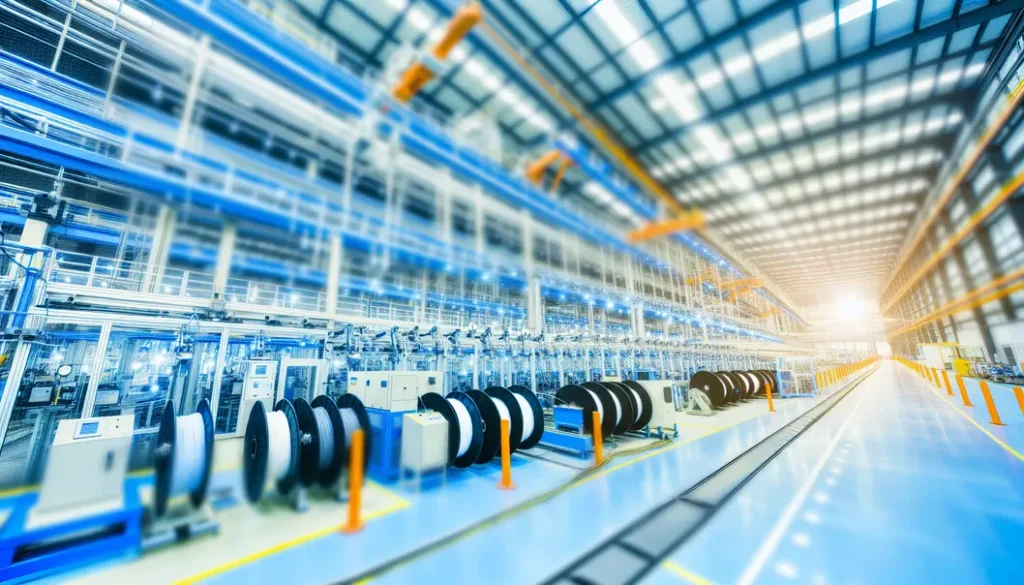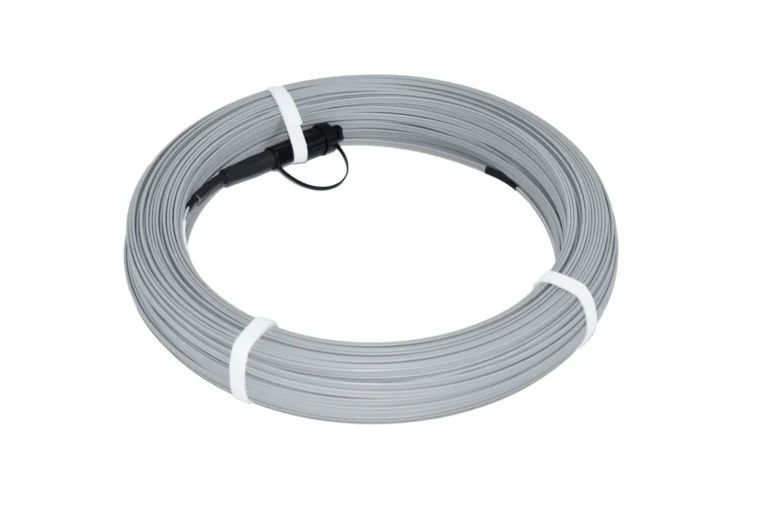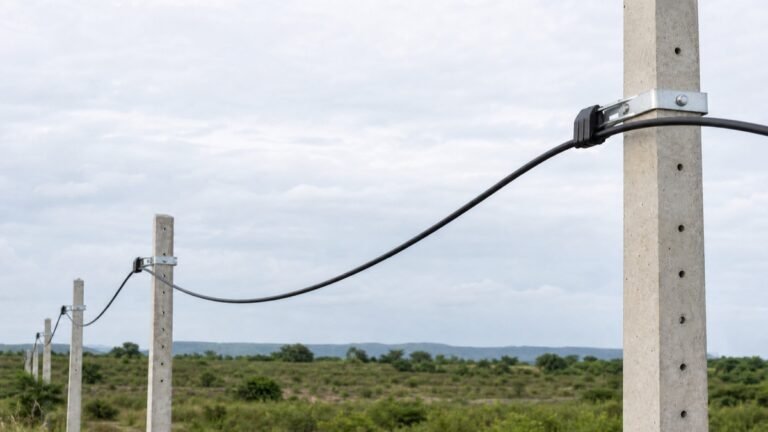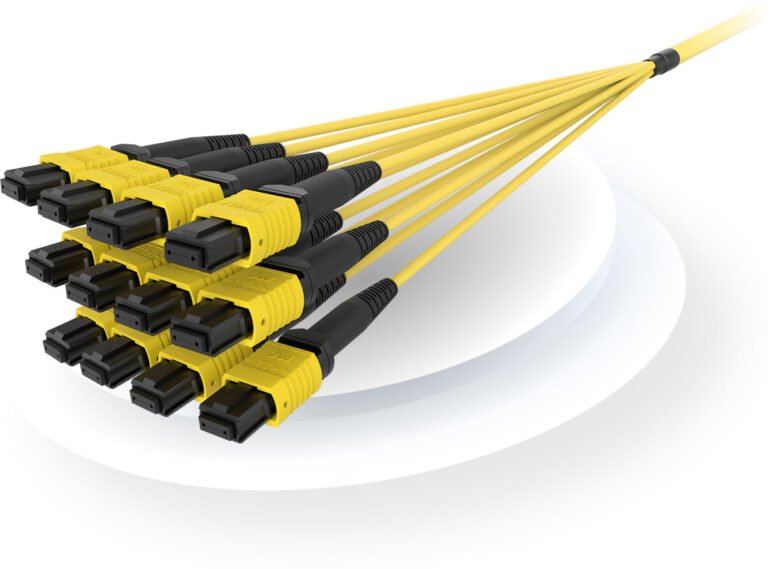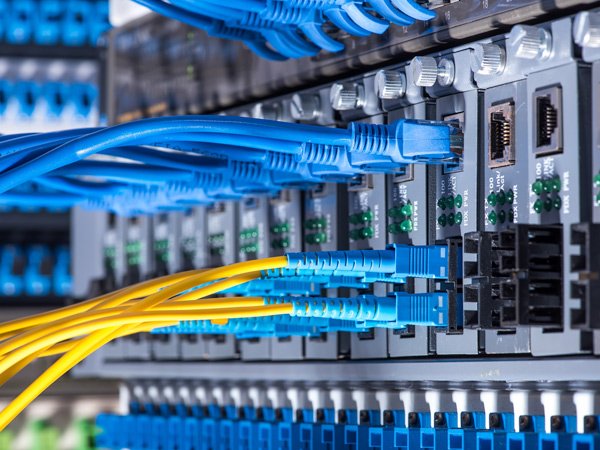
Fiber optic cables are integral to global communication networks and data transmission systems. Setting up a fiber cable plant requires a comprehensive understanding of the utilities and infrastructure needed to ensure production efficiency, operational safety, and sustainability. From robust power systems to telecommunication and logistics frameworks, each component plays a critical role in enabling high-quality output and seamless plant operations. Additionally, adherence to industry standards and environmental protocols ensures long-term success. This article explores the key utilities and infrastructure requirements—starting with core power systems, moving through signal transmission needs, physical layouts, security standards, and finally addressing environmental management practices.
Powering Precision: Essential Electrical Infrastructure for a Fiber Cable Plant
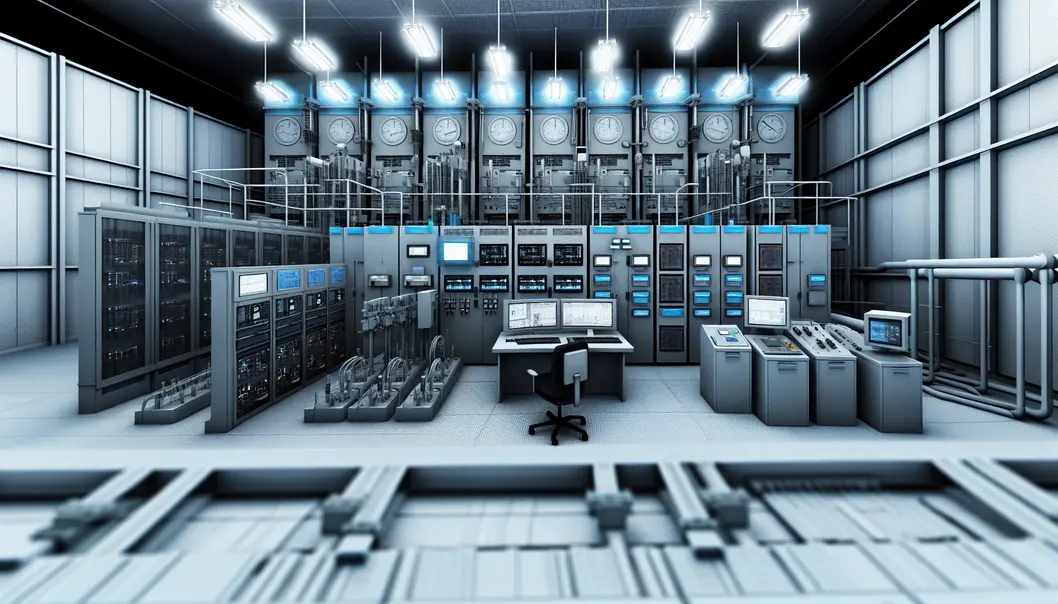
Ensuring a consistent and reliable electricity supply is fundamental to the operation of a fiber cable plant. The complex machinery, precision processes, and environmental controls required for manufacturing fiber optic cables depend heavily on the integration of robust power systems tailored to the specific needs of such facilities. A strategic approach to electrical infrastructure ensures efficiency, minimizes downtime, and enhances the longevity of highly specialized equipment.
Energy Demands of Fiber Optic Manufacturing
Fiber cable plants employ various energy-intensive production lines, such as optical fiber drawing towers, coating and curing systems, and high-speed cable sheathing and jacketing machines. Each of these operations requires stable voltage levels and uninterrupted power distribution to maintain the precise conditions necessary for fiber optic accuracy. Inconsistency in power supply could lead to defective cables, breaking the stringent tolerances required by global telecommunications standards.
Supporting these heavy-duty manufacturing processes necessitates electrical systems with ample capacity. This includes employing transformers to step up or step down voltage as required, backup generators to mitigate the impact of power outages, and harmonically balanced power distribution systems to prevent overload or interference within sensitive electronic components. Additionally, plants need specialized circuits and insulation to safeguard production equipment from short circuits or power surges.
Safety and Regulatory Compliance
Electrical safety is a critical aspect in fiber cable factories. Power systems must adhere to national electrical codes and standards, ensuring the safety of workers and machinery while meeting environmental guidelines. For instance, fiber optic facilities located in areas prone to extreme weather must factor environmental resistance into their power supply installations. Standing compliance with certifications ensures that all safety protocols regarding voltage regulation, thermal overload protection, and emergency shutdown systems are integrated.
Effective grounding systems play a vital role in maintaining electrical stability in manufacturing settings. Grounding helps dissipate excess electrical energy to the earth and prevents static charge buildups, which could interfere with the fiber optic production process. Furthermore, prominent safety mechanisms like circuit breakers, emergency power-off controls, and surge protectors provide additional layers of protection in preventing electrical malfunctions.
Sustainability in Energy Systems
Many modern fiber cable plants are incorporating sustainable power systems to reduce their carbon footprint and align with global energy efficiency goals. Renewable energy sources, such as solar panels or wind turbines, are increasingly integrated into the factory's power infrastructure. These systems work alongside conventional electricity supplies, reducing dependence on fossil fuels. Efficient energy management systems (EMS) are also vital for tracking and minimizing power consumption throughout the facility without compromising operational output.
To further explore critical equipment and infrastructure considerations for fiber optic cable manufacturing, visit this guide to fiber optic factory equipment.
Ensuring Seamless Telecommunication and Signal Transmission for Fiber Cable Manufacturing

Fiber optic cable production requires a highly specialized telecommunication and signal transmission infrastructure, essential for enabling the smooth operation of modern fiber cable factories. Unlike conventional manufacturing plants, fiber optic facilities demand real-time communication between advanced machinery, precise data relay systems, and uninterrupted signal transmission networks. This chapter explores the indispensable infrastructure to support telecommunication and signal needs in a fiber cable plant.
To achieve efficient signal transmission within a fiber cable manufacturing unit, the entire network architecture must be built with high resiliency. This includes integration of robust fiber optic data links that allow simultaneous communication between automated machinery and control systems. A fiber cable factory produces products critical to information transfer, necessitating in-factory networks that mirror the reliability and speed of their own output. Technologies such as industrial Ethernet over fiber and programmable logic controllers (PLCs) are often deployed to ensure seamless intra-facility connectivity.
Moreover, external telecommunication infrastructure plays an equally significant role. Fiber plants require access to high-bandwidth internet connections for design uploads, production monitoring, and raw material sourcing. The network traffic generated by such facilities is substantial because of the intensive data exchange during inspection and testing phases. Effective partnerships with telecom providers, capable of supporting large-scale broadband systems, can help fiber plants maintain reliable access to global markets and data centers.
Signal integrity inside the factory environment is critical for manufacturing processes where precision is paramount. For example, machinery calibration during coating, cooling, or cabling stages often relies on synchronized signals transmitted via a dedicated internal network. Furthermore, cybersecurity for telecommunication networks is essential. A fiber cable facility must adopt stringent methods to secure sensitive data, production scripts, and intellectual property, including encrypted communication protocols and firewalls.
Building this infrastructure begins with strategic installation of fiber optic cabling within the factory premises. This ensures low latency and minimal signal loss across the highly automated workflow. Specific considerations include ensuring network redundancy through mesh configurations, minimizing cable lengths between key machinery nodes, and employing industrial-grade fiber solutions resilient to environmental factors, like high temperatures or electromagnetic interference.
Developing reliable telecommunication and signal transmission systems isn’t just an operational necessity—it’s a foundational cornerstone for meeting the demands of modern fiber optic networks. With carefully planned infrastructure, fiber cable plants can align their production efficiencies with the stringent industry standards. For insight into scalable designs of fiber optic factories, consider exploring this guide on factory planning and layouts.
Optimizing Fiber Optic Factory Design: The Art of Logistics and Layout Planning
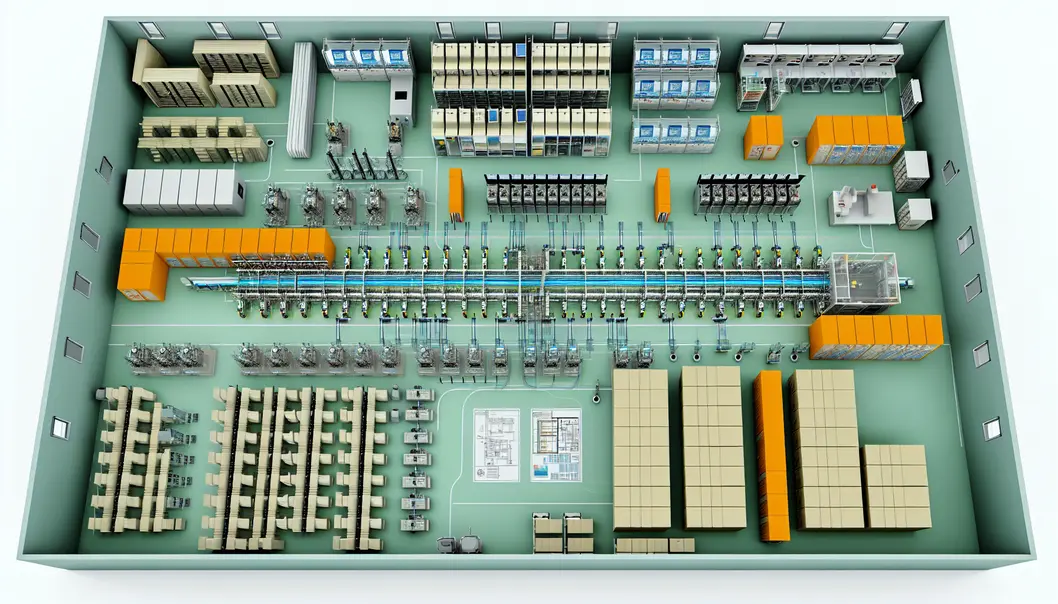
Planning the physical layout and logistics for a fiber cable plant is a critical step in building an efficient and scalable facility. Each design choice made during this stage can significantly influence production output, operational costs, and long-term scalability. In this chapter, we will explore the fundamental principles and considerations that go into the strategic planning of a fiber optic cable factory, focusing on logistics and physical plant design.
To begin, the physical layout of the fiber cable plant must balance workflow efficiency and space utilization. The facility should follow a linear or circular flow design, ensuring the logical movement of materials and products through different stages of production. For instance, raw materials storage should be positioned close to the initial extrusion or coating lines to minimize transportation delays. Similarly, downstream processes such as fiber coloring, stranding, and sheathing must follow in a seamless sequence, reducing unnecessary handling or backtracking of materials. A well-structured layout streamlines production while mitigating risks associated with material damage or accidental mix-ups.
Another critical aspect of physical plant planning is scalability. Fiber cable factories often need to accommodate evolving market demands, and the facility design should allow for future expansions without major disruptions. Modular layouts—where key production zones can be expanded incrementally—offer an excellent solution to ensure the plant stays agile. Additionally, the height of the workspace deserves attention. For equipment like wire payoff mechanisms or cable stranding towers, vertical clearance may influence the choice of machinery, which should be factored into building dimensions at the design stage.
Logistics planning goes hand-in-hand with the physical layout. Efficient material handling systems, including automated conveyors, forklifts, or overhead cranes, can significantly reduce human effort and improve production speeds. Logistics also extend beyond production to storage and shipment. Warehousing solutions must be optimized to store both raw materials and finished products safely, while minimizing space wastage. For instance, racks and shelving for optical fibers must be designed to avoid bending or physical stress, preserving the integrity of the cables.
A thorough understanding of utilities is also central to logistics and layout planning. Fiber cable plants are highly energy-intensive, requiring robust electrical grid connections and backup power solutions to ensure uninterrupted operation. Water resources are critical for cooling processes during cable extrusion, and air conditioning systems may be necessary to maintain the cleanroom conditions required for optical fiber manufacturing. Precision in mapping out these requirements during the design phase helps avoid costly retrofitting or operational bottlenecks later.
In conclusion, designing a fiber optic cable plant involves more than simply erecting a structure—it requires the precise orchestration of movement, resources, and machinery. A strategic approach to physical layout and logistics optimizes efficiency, reduces costs, and lays the foundation for long-term success. For additional insights into designing scalable fiber optic production facilities, visit this comprehensive guide on fiber optic workshop layouts.
Ensuring Standards and Safeguarding Fiber Cable Facilities: The Role of Security Protocols
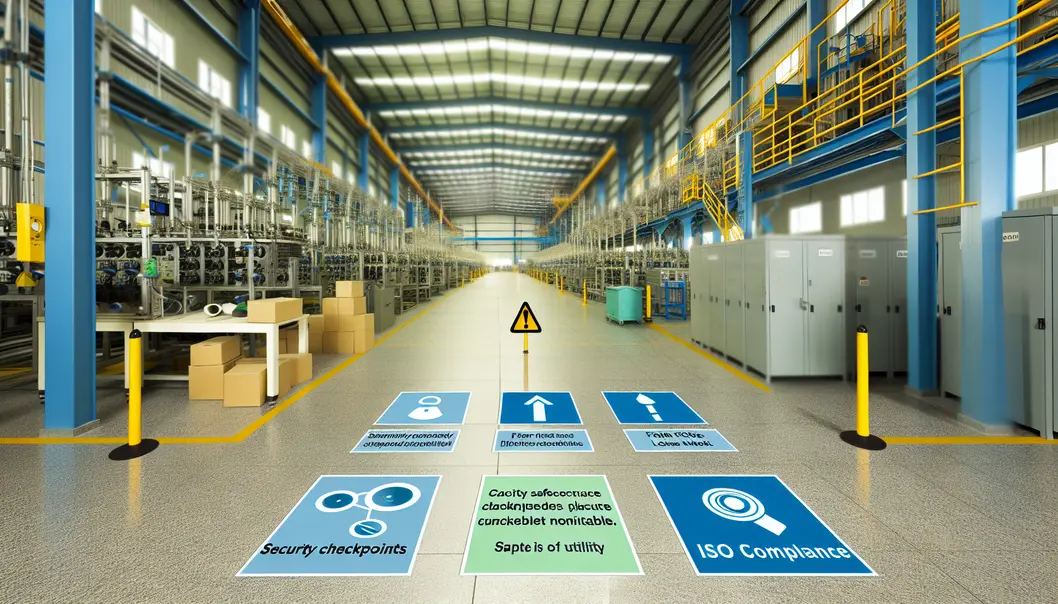
Fiber cable production facilities require meticulous adherence to standards and robust security measures to ensure operational integrity and product quality. These utilities act as the backbone of a well-functioning plant, guarding against inefficiencies, vulnerabilities, and suboptimal manufacturing practices, while also supporting the scalability and reliability of the infrastructure.
Standards That Govern Fiber Cable Production
Fiber cable production depends on strict adherence to manufacturing standards dictated by international telecommunications and infrastructure guidelines. These standards define material specifications, optical signaling properties, and durability requirements, ensuring fiber cables meet performance benchmarks necessary for global deployment. Compliance with such standards not only guarantees product consistency but also facilitates seamless cross-border compatibility, essential for expanding high-speed connectivity networks.
For example, certification processes like the EU CPR (Construction Product Regulation) for Low Smoke Zero Halogen (LSZH) cables ensure fire safety and environmental sustainability. Facilities must integrate these standards into their procedures, using specialized machinery calibrated to meet defined tolerances. Lean manufacturing techniques and continuous inspection systems further bolster adherence to these requirements, minimizing deviations that can compromise cable quality or network performance later.
Fiber optic factories also rely on cutting-edge testing protocols, employing precise instruments to evaluate optical losses, cable tensile strength, and environmental resistance under varying conditions. Incorporating these standards into production infrastructure reduces risks inherent to large-scale deployment, where failures can disrupt entire communication networks.
Security Protocols Protecting Fiber Cable Plants
Security in fiber cable production is not merely physical but extends to safeguarding intellectual property, operational data, and manufactured goods. Fiber plants can be prime targets for industrial espionage due to advanced proprietary processes, material compositions, and sensitive client specifications. Hence, implementing layered security measures is vital.
Modern security utilities include digital surveillance systems, workforce access management protocols, and cybersecurity frameworks for protecting the facility's IoT-enabled machinery. Access control systems restrict entry to sensitive areas, while surveillance technologies, such as AI-enabled cameras, monitor daily operations and flag anomalies. Cybersecurity practices, like encrypting data and safeguarding production line software, prevent malicious actors from sabotaging operations or stealing proprietary information.
Additionally, fiber cable plants are often equipped with physical barriers, such as reinforced perimeters and biometric checkpoints, to deter unauthorized access. Alongside these measures, employee training programs ensure personnel understand and comply with security regulations, fostering a culture of vigilance and accountability.
Well-integrated security strategies also enhance response readiness. For instance, risk mitigation systems linked to external threats—like extreme weather or regional instability—enable plants to maintain uninterrupted production even under adverse conditions. Such robustness is crucial in supporting the fast-paced demands of network providers.
For more insights on cutting-edge factory setups, visit Scalable Fiber Optic Factory, an article detailing the evolution of adaptable facilities tailored for modern fiber cable production.
In conclusion, the interplay between compliance with industry standards and the implementation of advanced security protocols ensures fiber cable facilities remain both productive and resilient. As demand for fiber connectivity soars globally, these utilities lay the foundation for manufacturing excellence, underpinning reliable infrastructure expansion.
Sustainability in Action: Designing Fiber Cable Plants with Environmental Management in Mind

The development of a fiber cable plant requires not only advanced technology and robust infrastructure but also a well-thought-out environmental and waste management system. As the global push for sustainability grows stronger, industries must adapt their practices to align with eco-conscious standards. Fiber cable manufacturing is no exception. This chapter explores how environmental considerations and systematic waste management can greatly influence the design and operation of fiber cable plants, ensuring a balance between industrial growth and environmental preservation.
Environmental Factors in Plant Design
From the outset, identifying and mitigating environmental impacts should be a top priority in designing a fiber cable plant. Site selection, for instance, plays a key role. Proximity to raw materials and the minimization of transportation can reduce carbon emissions significantly. Using recycled or renewable materials in construction and operations not only conserves resources but also contributes to an efficient supply chain.
The choice of production technology is another critical factor. Modern fiber cable plants increasingly incorporate energy-efficient equipment and machinery to reduce electricity consumption. Efforts should also be directed toward capturing and reusing heat generated by manufacturing processes, which results in lower energy demands and significant cost savings. Additionally, adopting clean energy sources, such as solar or wind power, can further minimize the environmental footprint of these facilities.
Waste Management Strategies
Fiber cable production generates a variety of waste products, ranging from metal scraps and plastic residues to volatile organic compounds (VOCs). Effective management of these byproducts is essential, not only to comply with regulatory requirements but also to uphold environmental integrity. Plants must incorporate waste separation systems that properly sort recyclables from hazardous materials. For instance, plastic waste from protective cable sheaths can often be recycled into new products, reducing the burden on landfills.
Hazardous materials like certain chemicals used in fiber coating processes must be carefully disposed of or treated. Advanced waste treatment technologies, such as chemical neutralization tanks, can render these substances safe before disposal. Additionally, designing plants with a closed-loop water system helps prevent water contamination and optimizes water usage, safeguarding critical local ecosystems.
Monitoring and Continuous Improvement
Sustainability efforts should not end with a plant’s construction. Ongoing monitoring systems that track energy consumption, emissions, and waste production are pivotal. Leveraging automated systems and IoT devices, plants can frequently evaluate their environmental impact and identify opportunities for improvement. Regular audits and certifications from recognized bodies can validate a plant’s commitment to environmental responsibility and serve as a benchmark for further progress.
For more insights into scalable approaches to constructing fiber optic factories with efficient systems, check out this detailed guide on scalable factory design.
By integrating sophisticated environmental management systems into the design and operation, fiber cable plants can set a precedent for sustainable manufacturing. This approach not only complies with increasingly stringent regulations but also supports a company’s reputation as an environmentally conscious entity. In an industry as vital as fiber optics, where connectivity shapes the modern world, ensuring sustainability strengthens long-term growth while safeguarding the planet.
Final thoughts
Establishing a fiber cable plant requires a carefully planned combination of utilities and infrastructure. Power supply systems ensure operational reliability, while telecommunication setups enable seamless signal processing. Thoughtful layout planning optimizes logistics and workflow efficiency. Standards and security protocols ensure compliance and safety, and environmental management practices safeguard long-term sustainability. Each factor plays a critical role in achieving high-quality fiber optic cable production, making it essential for stakeholders to integrate these elements effectively. Consulting experts and reliable partners can streamline this process and maximize success.
Contact AIMIFIBER for pre-terminated fiber optic solutions, FTTH drop cables, patch cords, and expert OEM/ODM manufacturing support.
Learn more: https://aimifiber.com/contact-us/
About us
AIMIFIBER specializes in FTTH drop cables, patch cords, pre-terminated fiber optic solutions, FTTA products, and tailored fiber optic assemblies. Supporting telecom and data center projects, AIMIFIBER ensures high-quality products with OEM/ODM capabilities, offering expert production and design consultation to meet diverse project needs.