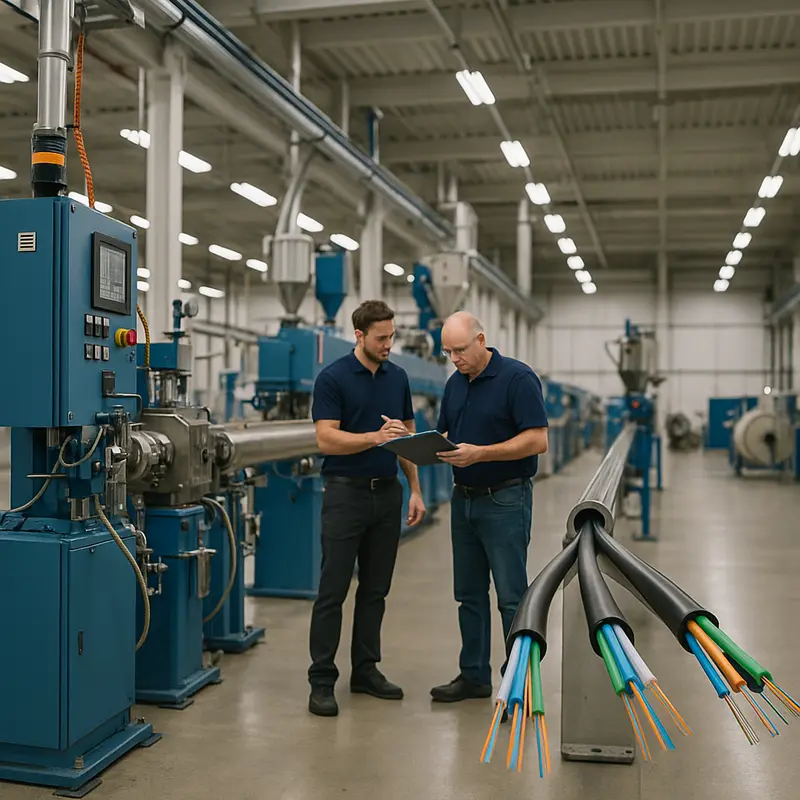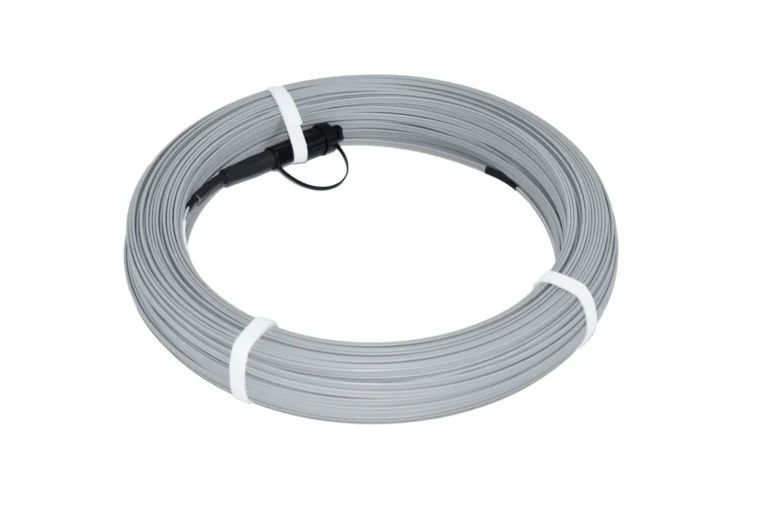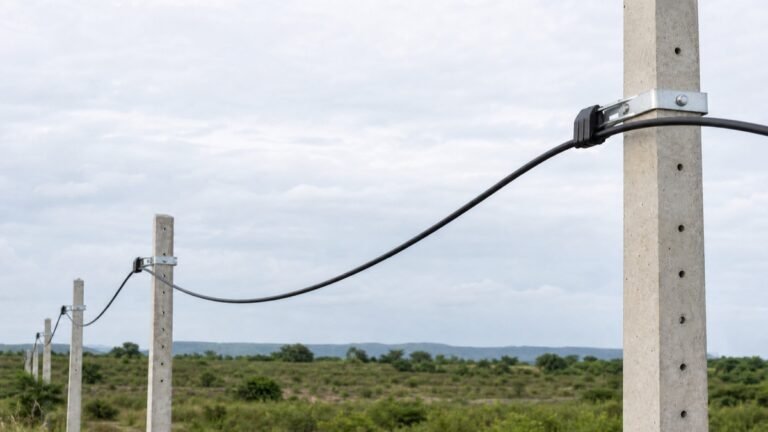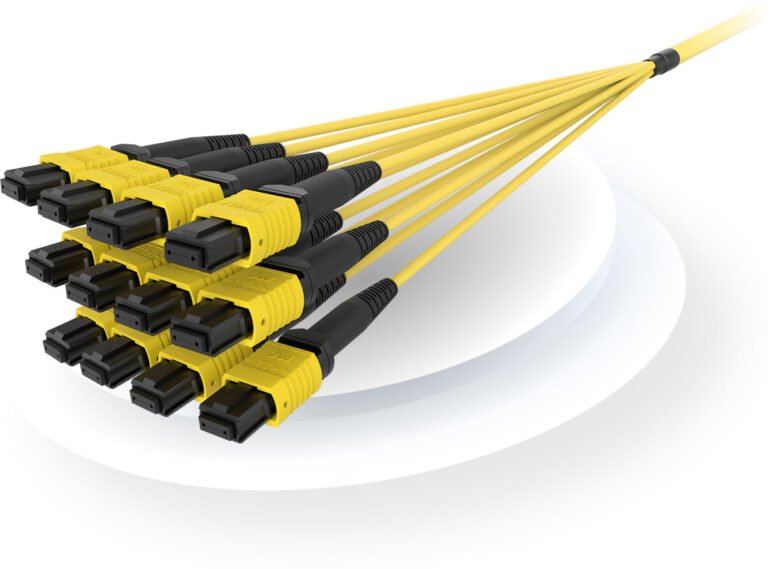
Setting up a Simplex and Duplex Fiber Cable Sheath Extrusion Line is critical for the production of high-quality fiber optic cables that meet industry standards. Establishing efficient extrusion lines requires precise planning, technical expertise, and a keen focus on operational efficiency. Telecom project managers, ISP procurement teams, factory investors, production managers, and fiber optic engineers play pivotal roles in this process. This article provides a practical framework covering initial setup procedures, essential equipment requirements, quality assurance protocols, troubleshooting strategies, and installation optimization tips—ensuring seamless workflows and reliable outputs. Each chapter delves deeply into its specific focus area, offering actionable knowledge tailored to professional needs. By the end of this guide, readers will be equipped with the technical know-how to successfully implement and refine their Simplex and Duplex Cable Sheath Extrusion Line.
Step-by-Step Guide to Setting Up a Fiber Cable Sheath Extrusion Line
Establishing a functional Simplex and Duplex fiber cable sheath extrusion line requires meticulous planning and adherence to foundational procedures. The initial setup forms the backbone of an efficient production process, ensuring not only operational success but also long-term scalability.
Selecting a Suitable Environment
Before assembling equipment, it is essential to evaluate the workspace. An extrusion line demands controlled environmental conditions to ensure the integrity of fiber cables. Factors such as temperature, humidity, and cleanliness play a critical role in maintaining product quality. Industrial spaces with adequate ventilation systems and stable climatic conditions should be prioritized. Considerations for minimizing external contaminants—such as dust, moisture, and static—can dramatically enhance operational efficiency.
Equipment Placement and Layout Coordination
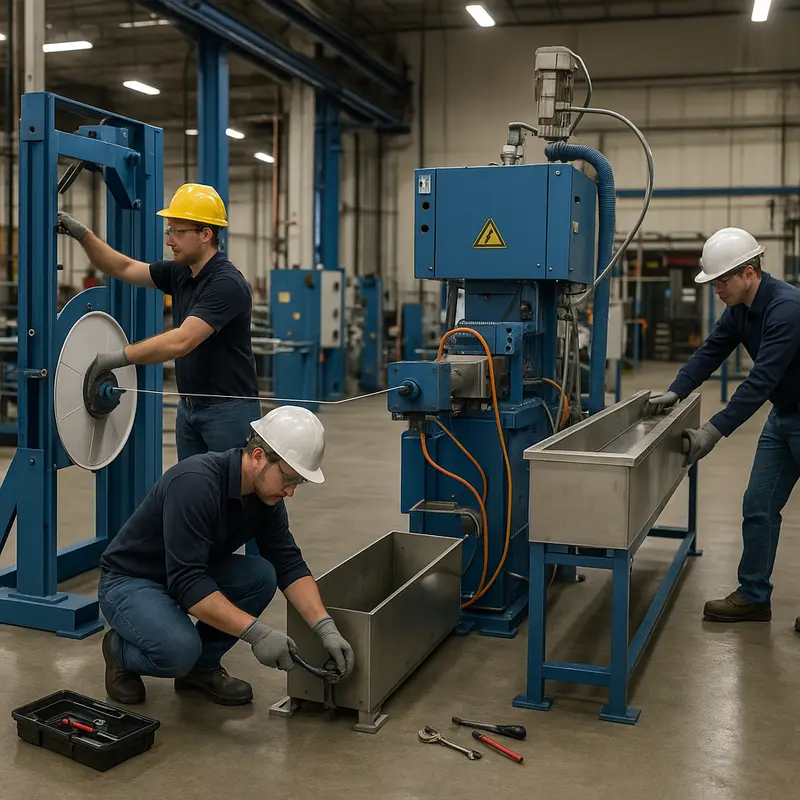
The arrangement of machinery and workflows directly impacts production efficiency. Begin with designing a layout that prioritizes ease of operation, maintenance accessibility, and safety compliance. Essential equipment includes the extruder, pre-heating systems, cooling tanks, diameter controllers, and hauling units, all of which must align seamlessly along the production pathway. Careful calibration of distances between these components ensures uninterrupted material flow and prevents defects during sheath extrusion.
Simultaneously, establish zones for material storage, inspection, and post-production handling. Create designated areas for raw materials like polymers and reinforcement fibers, reducing unnecessary transit and optimizing the production timeline. For insights on achieving efficient factory organization, fiber-optic workshop layout outlines strategies to maximize operational space.
Power and Utility Infrastructure
An extrusion line relies heavily on consistent utility provision to function effectively. A robust electrical system tailored to handle heavy machinery must be installed. Voltage regulators and surge protectors safeguard sensitive components, including controllers and precision instruments, from power fluctuations.
Auxiliary utilities often overlooked—like water lines for cooling tanks and compressed air systems for pneumatic mechanisms—should integrate smoothly into the workspace. Conduct load tests on power distribution and utility systems before commencing operations to ensure uninterrupted production cycles and compliance with energy efficiency standards.
Calibration and Initial Testing
Finally, calibration is vital before employing the extrusion line for regular production. Begin by conducting dry runs to assess mechanical harmonization. Ensure the temperature settings on the extruder match the melting point of the sheath material, while cooling tank temperatures need calibration for optimal hardening. Initial tests on material flow, extrusion speed, and sheath uniformity provide critical feedback, allowing operators to refine adjustments.
Through careful attention to these setup procedures, manufacturers lay the groundwork for high-performing extrusion lines capable of meeting diverse demands. Each step in initial installation—from environment selection to early testing—is indispensable to achieving operational excellence and scaling success in fiber cable manufacturing.
Essential Technical and Operational Steps for Configuring Fiber Cable Sheath Extrusion Lines
Setting up a simplex and duplex fiber cable sheath extrusion line demands more than just acquiring equipment and raw materials. It requires a carefully planned approach to meet both technical and operational requirements. By understanding these essentials, operators can ensure precise output, operational efficiency, and long-term reliability.
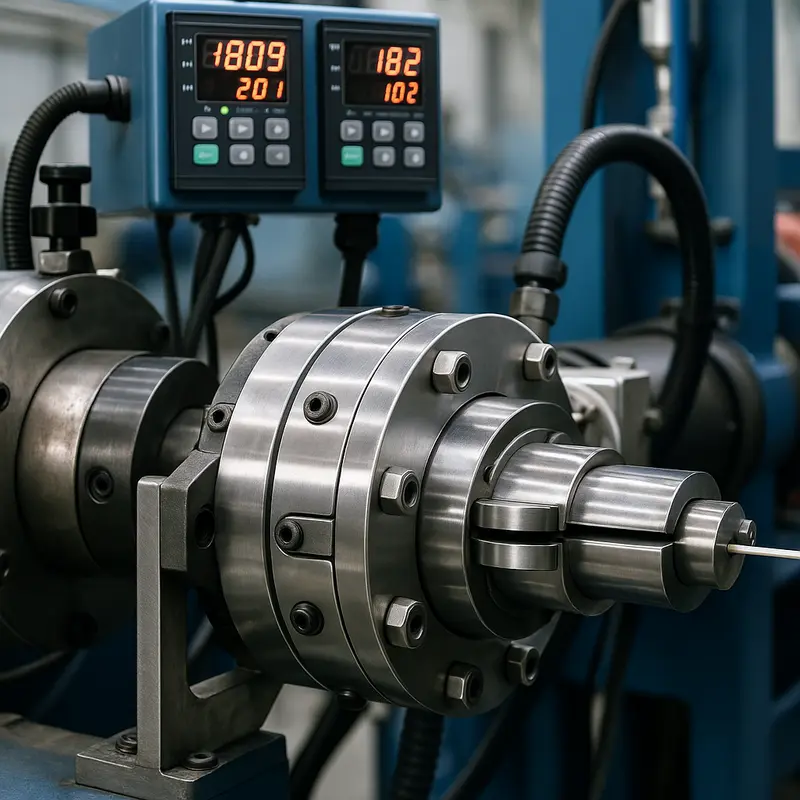
At the core of a well-functioning extrusion line is the selection of high-performance equipment. For simplex and duplex configurations, the extruder must accommodate varying diameters and ensure consistent insulation thickness throughout the cable. Dies and molds must be designed with high precision to minimize eccentricity and provide even sheathing — critical for achieving optimal optical signal performance. Temperature control systems play a pivotal role, maintaining stability during the extrusion process, as temperature fluctuations can lead to material inconsistencies and inferior cable sheaths.
The material feeding system is another technical cornerstone. In simplex systems, raw materials like polyethylene or PVC are straightforwardly fed into the extruder. Duplex production increases complexity, requiring precise material layering to encapsulate multiple optical fibers while maintaining separation. This layering process must be supported by a synchronized control system and accurate tension adjustment to avoid microbending, which can degrade optical performance.
Operationally, synchronization across all components of the extrusion line is key to success. The line speed, pulling mechanism, and reel systems must work in tandem to produce uniform cables. Automation tools like programmable logic controllers (PLCs) and human-machine interfaces (HMIs) can enable fine process adjustments and real-time monitoring, ensuring the efficiency of the production cycle.
Just as technical requirements are critical, adhering to rigorous safety protocols cannot be overstated. During operation, extrusion machines generate heat, high pressure, and volatile compounds, requiring stringent safety measures. Protective shields, periodic equipment maintenance, and active worker training programs are essential to minimize accidents and workplace hazards.
Another vital consideration is the waste management and recycling system. Scrap materials, especially during duplex production, can accumulate quickly and lead to inefficiency. Investing in an integrated recycling setup — one that processes leftover polymer into reusable raw materials — not only reduces waste disposal issues but also contributes to cost savings and sustainability.
Integrating these elements into the setup ensures not only adherence to industry standards but also enhances scalability and long-term operational reliability. For detailed insights into ensuring a factory’s utility framework supports such systems, refer to fiber cable plant utilities. As the industry evolves, building a robust framework today can provide the flexibility needed for future technological upgrades and market demand shifts.
By methodically addressing these technical and operational factors, businesses can establish extrusion lines that consistently deliver high-quality simplex and duplex fiber cables, thus supporting modern telecommunications infrastructure.
Ensuring Precision: Quality Control in Simplex and Duplex Fiber Sheath Extrusion
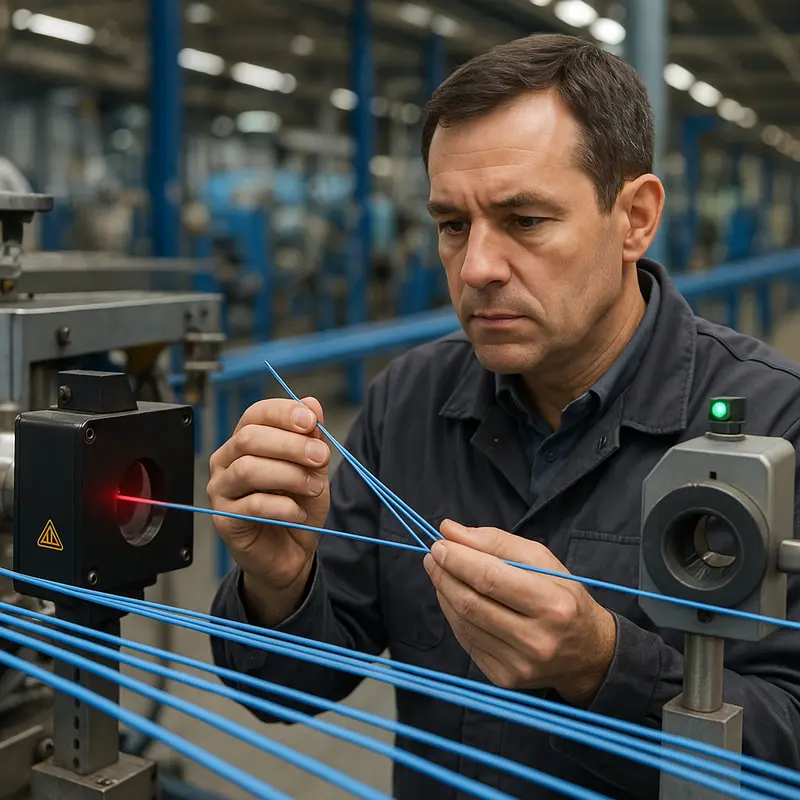
Achieving consistent quality in the extrusion of Simplex and Duplex fiber cable sheaths requires a blend of advanced technical protocols and vigilant monitoring systems. Quality assurance isn’t merely a checklist in this context; it is the cornerstone of operational excellence, ensuring product performance and durability while meeting industry standards.
The Foundation of Quality Assurance
At the heart of any extrusion line, precision is non-negotiable. The quality control processes must begin at the material selection stage, where raw inputs such as polyethylene or PVC are tested for purity, moisture levels, and stress durability. These materials undergo preliminary scrutiny to eliminate defects that could compromise the extrusion process. Pre-processing technologies, including automated batch blending systems, play a pivotal role in maintaining consistency in material composition.
Further quality control is largely dependent on the calibration of machinery. Equipment such as screws, barrels, and heaters must be optimized to achieve uniform viscosity and temperature throughout the extrusion process. Real-time monitoring tools, such as laser micrometers, are employed to measure sheath dimensions, ensuring adherence to required tolerances.
Online Monitoring Systems
Modern extrusion lines incorporate sophisticated online monitoring protocols. These systems provide continuous feedback on key metrics such as diameter, thickness, and concentricity during the extrusion process. When discrepancies arise, automated adjustments are carried out to restore alignment, reducing downtime and preventing wastage. High-speed cameras and thermal imaging sensors add another layer of precision by capturing anomalies before they manifest as defects in finished cables.
In addition to physical monitoring, software-driven analytics tools allow operators to track historical data and recognize patterns. This supports predictive maintenance and minimizes disruptions caused by unforeseen equipment malfunctions. These tools contribute to a streamlined workflow that is both effective and scalable.
Post-Production Validation
Post-extrusion testing is equally vital in safeguarding quality. Cables are subjected to rigorous evaluations, including tensile strength tests and environmental stress simulations. Conditions such as temperature fluctuations and UV exposure are simulated to examine the long-term reliability of the products. Advanced optical reflectometers are employed to test fiber integrity, reducing the risk of performance failures once cables are deployed.
Documentation and reporting are another dimension of quality assurance. Detailed records are maintained for every batch, including material specifications, equipment settings, and test results. This not only facilitates traceability in case of non-conformities but also complies with regulatory requirements, positioning the factory to meet international standards.
By integrating both online and offline quality assurance measures into the extrusion line, manufacturers can confidently produce Simplex and Duplex fiber cable sheaths that excel in performance and reliability. For further insights into setting up scalable fiber optic factories and laying solid foundations for quality production, visit this resource.
Overcoming Challenges: Troubleshooting Common Issues in Fiber Cable Sheath Extrusion Lines
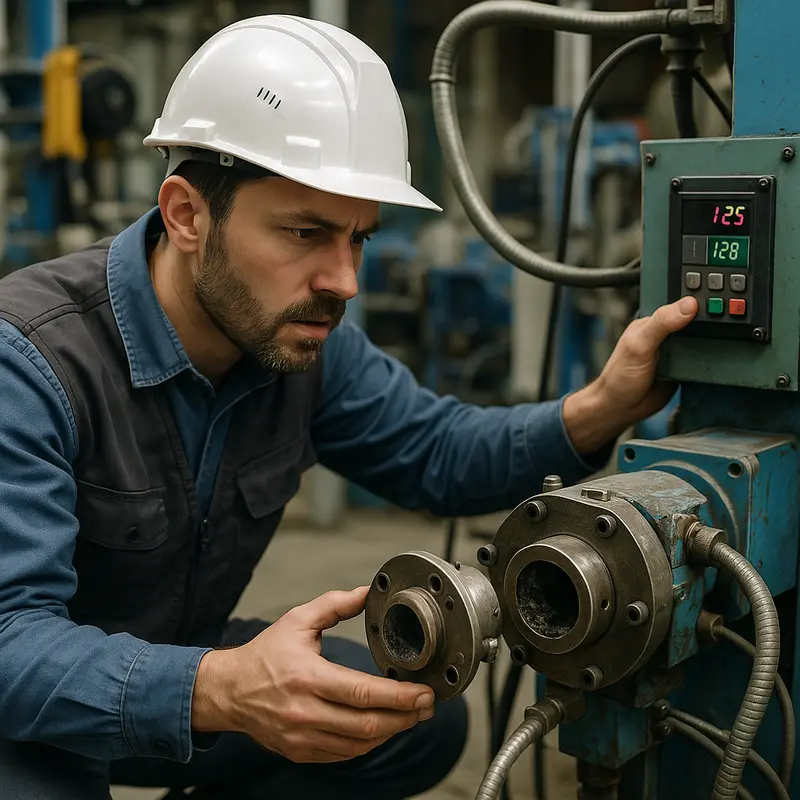
Setting up a simplex or duplex fiber cable sheath extrusion line is no small feat. Even with advanced planning, challenges can arise, which, if left unresolved, can impede efficiency, compromise product quality, and increase costs. Identifying and addressing these common issues early is essential to ensuring smooth operations and achieving desired production outcomes. Below, we delve into some frequent problems encountered during the setup process and how to troubleshoot them effectively.
One of the most common issues is material inconsistencies. Whether it's the polymer used for the sheath or the bonding agents applied during the process, inconsistencies in raw materials can lead to defects such as uneven sheath thickness, poor adhesion, or unexpected degradations. To address this, it's critical to establish strict quality control protocols for incoming materials. Work closely with suppliers to maintain consistent specifications, and conduct batch testing to detect anomalies before they impact production. If material defects arise mid-process, recalibrating the extrusion temperature or adjusting the feed speed may help mitigate the issue temporarily.
Another frequent challenge involves the extrusion die alignment. Even minor misalignments in the die settings can result in improper sheath dimensions, causing the cable to fail quality checks or become incompatible with downstream equipment. Regular inspections and fine-tuning of the dies are essential. Operators should be trained to spot early signs of misalignment, such as uneven sheath surfaces, and use precise micrometrics to recalibrate effectively. Investing in a robust preventative maintenance schedule can reduce the frequency of such occurrences significantly.
Thermal management is equally critical in the extrusion process. Temperature fluctuations—either within the extruder barrel or cooling systems—can cause deformities in the sheaths. Fluctuations often stem from inconsistent heating elements, faulty thermocouples, or irregular coolant flow. To troubleshoot, routinely inspect thermal control systems, ensure heating elements are calibrated, and verify that cooling tanks maintain uniform circulation. Automation systems equipped with real-time temperature monitoring can provide an added layer of control and help preempt thermal deviations.
Operational bottlenecks also occur due to inconsistent tension control when feeding cables through the extrusion line. Sudden tension changes can distort the sheath or disrupt the extrusion flow. Implementing tension feedback controls and upgrading to automatic tension regulators can drastically improve outcomes. Operators should also monitor mechanical wear on tension systems, as degraded components are a known source of instability.
Finally, environmental factors are a subtle yet significant issue. Dust, humidity, and static can affect adhesion between fiber cables and the sheath material or disrupt precision machinery. During setup, consider installing environmental control measures such as dehumidifiers, anti-static devices, and filtered enclosures around sensitive equipment. These measures, while seemingly ancillary, can prevent larger-scale issues that might otherwise go unnoticed.
For more insights on maintaining precision and reducing production challenges, you might want to explore fiber cable factory skills, where you'll find detailed strategies to refine your production approach.
While troubleshooting these issues might seem labor-intensive, addressing them methodically can drastically improve the reliability and efficiency of your extrusion line. The key lies in diligent monitoring, regular maintenance, and a thorough understanding of your equipment's optimal performance parameters. Every challenge presents an opportunity to enhance your operational resilience, ensuring high-quality output and long-term success in fiber cable production.
Streamlining the Installation Process for Simplex and Duplex Fiber Cable Sheath Extrusion Lines
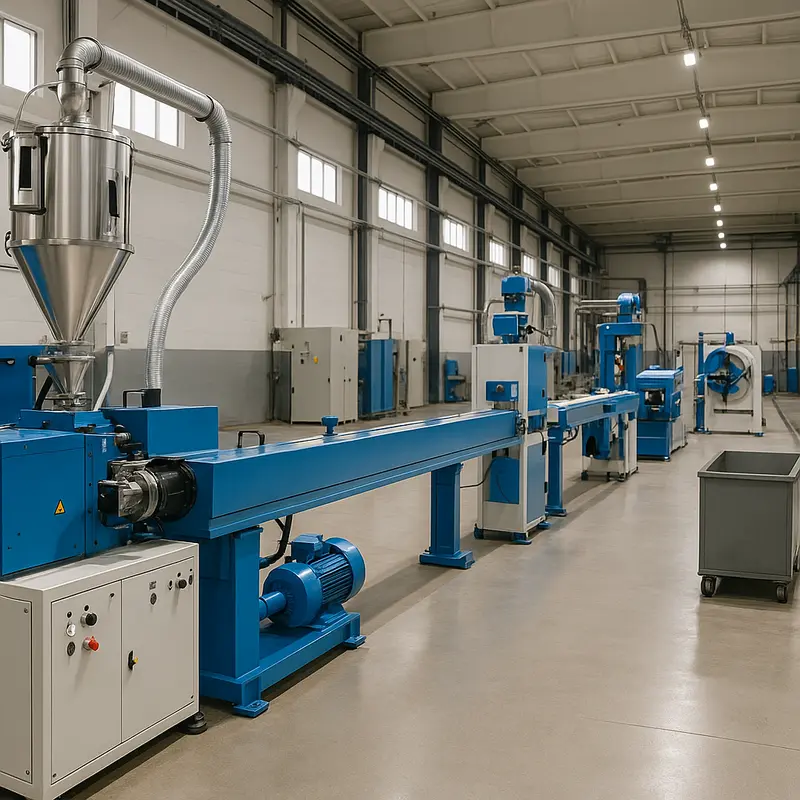
Efficient installation of a simplex and duplex fiber cable sheath extrusion line is critical for ensuring seamless operations and minimizing disruptions during setup. While the process might seem complex, focusing on optimization during installation can significantly reduce time, overhead, and long-term maintenance requirements, making it pivotal for both small-scale and large-scale production facilities.
Foundational Preparation for an Optimized Start
The cornerstone of a successful installation lies in meticulous pre-planning. Before the extrusion line can be set up, it is essential to establish a workspace conducive to precision and efficiency. Begin by designing a clutter-free operational layout to accommodate machinery, raw material storage, and accessible pathways for maintenance and upgrades. If you’re designing the factory layout from scratch, consider the advice provided in this helpful guide to ensure your fiber-optic workshop layout promotes streamlined workflows.
Additionally, invest in reliable infrastructure that supports extrusion equipment capacity. This includes stable power grids, efficient ventilation systems, and streamlined data connections to monitor extrusion processes. Careful calibration of utilities ensures smooth integration and reduces the chance of operational hiccups during the initial stages of production.
Efficient Alignment of Machinery and Systems
A common challenge in extrusion line installation involves aligning essential components—such as feeders, extrusion heads, and cooling troughs—for maximum efficiency. Misalignments can lead to uneven sheathing, wasted materials, or equipment damage. To mitigate these risks, ensure all machinery is accurately calibrated to accommodate cable specifications dictated by simplex or duplex configurations. Conduct thorough testing upon positioning each major element in the assembly line to verify precision.
Automation can also be an invaluable asset during installation. Programmable logic controllers (PLCs) integrated with extrusion systems facilitate consistent output and allow operators to oversee operations without manual intervention at every step. For inspiration on leveraging automation in fiber optic production, explore insights on choosing production lines effectively.
Staff Expertise and Training for Seamless Optimization
No installation process is complete without adequately trained personnel. Operators must be familiar with the nuances of extrusion line setup—from feeding and preheating to final sheathing and cable inspection. During training sessions, emphasize adherence to safety standards, precision calibration, and rapid troubleshooting protocols.
To further enhance efficiency, consider dedicating specific training resources to problem-solving skills that operators can leverage during the extrusion line’s initial production cycles. A team adept at quick decision-making not only prevents delays during installation but also fosters smoother transitions into full-scale operations.
Continuous Feedback and Adjustment Post-Installation
Once installation is complete, regular evaluations are key to optimizing the production environment. Feedback from operators can highlight minor inconsistencies that may compromise efficiency over time. Perform periodic checks of alignment, sheathing accuracy, and system-wide integration to refine the process progressively.
By focusing on these core optimization steps, you can transform the task of installing a simplex and duplex fiber cable sheath extrusion line into a manageable and rewarding endeavor, laying the foundation for consistent and high-quality cable production.
Final thoughts
Setting up a Simplex and Duplex Fiber Cable Sheath Extrusion Line involves a comprehensive approach—from initial planning to ensuring operational efficiency. Maintaining technical precision and engaging in systematic troubleshooting prepares factories to deliver high-performance fiber optic products. With optimized processes, telecom professionals can meet industry demands while achieving production ROI. Following the outlined methodologies ensures seamless installations aligned with future expansion goals.
Contact AIMIFIBER for expert advice and high-quality pre-terminated fiber optic solutions, OEM/ODM services, and tailored insights.
Learn more: https://aimifiber.com/contact-us/
About us
AIMIFIBER specializes in delivering pre-terminated fiber optic solutions, FTTH drop cables, patch cords, ruggedized fiber optic assemblies for telecom networks, data centers, and more. Their OEM/ODM services support customized needs, ensuring project success across global fiber optic deployments.