In the global fiber-to-the-home (FTTH) deployment race, the demand for efficient and high-performance drop cables has surged. However, the challenge of minimizing additional optical loss during production is a persistent concern for telecom managers, investors, and engineers. Excessive optical loss leads to inefficiencies, reduced performance, and increased maintenance costs for internet service providers (ISPs). Tackling this issue requires a holistic approach encompassing thoughtful material selection, rigorous quality control, innovative production technologies, and strategic economic planning. In this article, you’ll discover how understanding these interconnected elements can help reduce optical loss at every stage of FTTH drop cable manufacturing, ensuring optimal performance and profitability in this highly competitive market.
Overcoming Key Obstacles in Minimizing Optical Loss During FTTH Drop Cable Production
Reducing optical loss stands as one of the most critical challenges in manufacturing FTTH drop cables, where even minute inefficiencies can cascade into diminished performance at scale. To tackle this issue effectively, manufacturers must recognize the intricate interplay of technical, material, and procedural factors that contribute to optical signal attenuation.
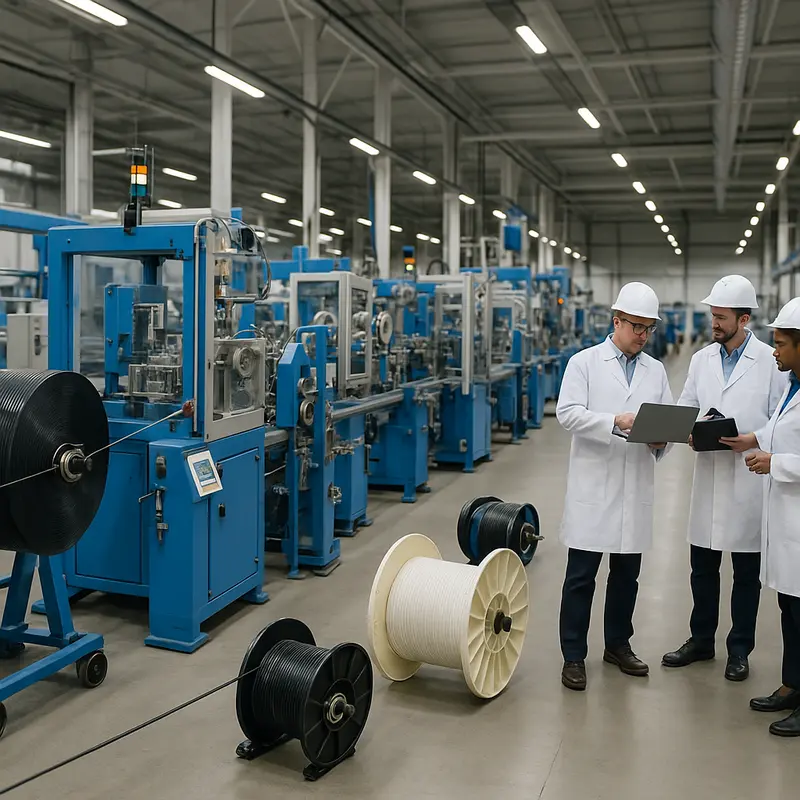
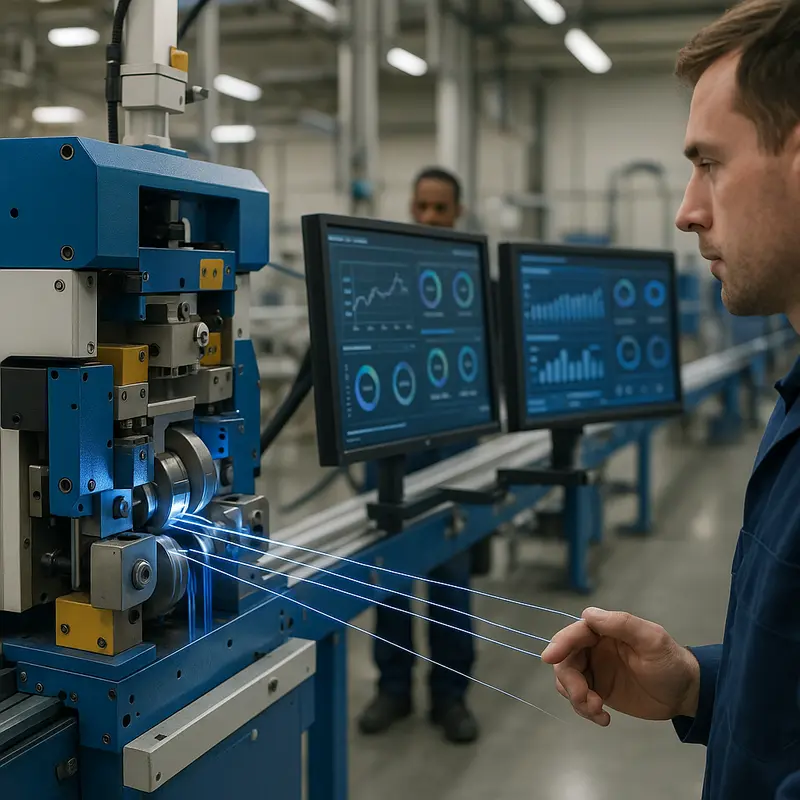
At its core, optical loss in FTTH drop cables arises from imperfections during the extrusion and assembly processes. Fiber alignment is particularly sensitive; even the slightest deviation can lead to weak signal transmission. Maintaining consistent precision with fiber positioning requires advanced machinery and rigorous quality control protocols. High-precision extrusion setups, such as optimized extrusion systems, allow operators to reduce misalignment and preserve the integrity of individual fibers throughout production.
Another key factor influencing optical loss is surface contamination during handling. Dust, oil, and other residues can compromise the light-transmitting capabilities of the fibers, making thorough cleaning essential before and during assembly. Many factories implement controlled environments for production, including sealed areas and clean benches, but inconsistency in such measures can still lead to optical degradation. Training factory personnel to adhere strictly to best practices when handling fibers is just as important as investing in machinery.
The sheath application process also holds significant sway over optical performance. Properly extruding the sheath material ensures that the fibers are adequately protected while minimizing the risk of microbending. Microbends occur when sheaths do not conform uniformly to the fiber’s shape, introducing subtle changes in light transmission pathways. Equipment capable of precise sheath extrusion is vital, backed by regular maintenance and performance checks to guard against production errors and wear.
Environmental factors within the factory further complicate efforts to minimize optical loss. Temperature fluctuations, vibration from machinery, and air quality can affect both the fibers themselves and the extrusion equipment. Factories aiming to lower optical loss must invest in systems that regulate environmental conditions, such as stabilized thermal controls for machinery and vibration-damping structures for critical production areas. A poorly optimized layout can exacerbate these issues, so planning an ideal workshop layout is integral to improving outcomes.
Finally, the human factor cannot be overlooked. Skilled operators who understand the intricacies of fiber alignment, sheath extrusion, and contaminant prevention often prove invaluable in troubleshooting and improving processes. Reliable operators can detect trends in suboptimal production early, helping managers refine practices before minor setbacks become systemic issues.
Addressing optical loss challenges in FTTH drop cable production requires a delicate balance of technical solutions, proactive environmental control, and skilled human oversight. Success lies not in mitigating one single factor but in fostering synergy, where every aspect of production supports the goal of creating high-performance, low-loss fiber cables.
Strategic Material Choices for Enhanced FTTH Drop Cable Performance
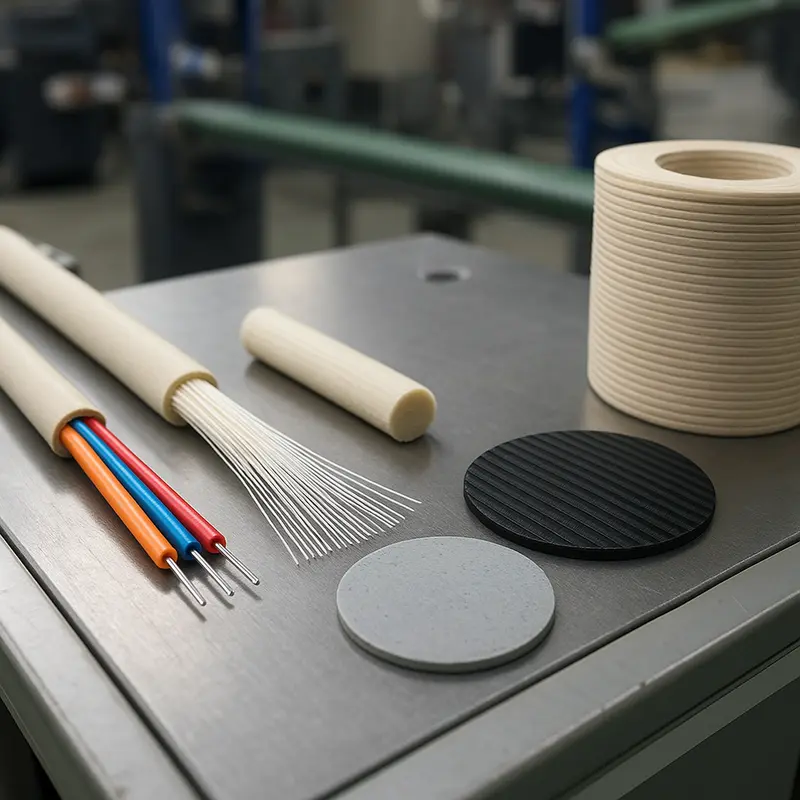
Reducing optical loss during FTTH drop cable production requires precision in every stage, but one of the most impactful aspects lies in material selection. The choice of materials directly influences the cable's optical efficiency, mechanical reliability, and long-term durability, making it a cornerstone of successful production.
The Role of Optical Fiber Quality
The optical fibers used in FTTH drop cables serve as the medium for data transmission, meaning their quality is paramount. Selecting fibers with high purity glass and low attenuation figures can substantially reduce signal loss. Many manufacturers opt for graded-index fibers to enhance performance by minimizing modal dispersion. Equally important is the coating applied to the fibers, which protects them from mechanical stress and environmental factors. Tight-buffered coatings, for instance, provide additional resilience, ensuring the cable maintains its integrity even under demanding conditions.
Jacketing and Sheathing Materials
Beyond the optical fibers, the jacketing materials play a critical role. The external sheath must endure extreme weather conditions, UV radiation, and mechanical wear without compromising the cable's performance. Polyethylene (PE) and polyvinyl chloride (PVC) are popular choices due to their high durability and flexibility. However, advanced materials like thermoplastic elastomers (TPE) are gaining traction because they combine robustness with easier recyclability—a growing demand in the industry. Employing materials with high thermal stability ensures the extrusion process doesn’t degrade their structural properties, which is crucial in maintaining low loss levels.
The Importance of Reinforcing Elements
Reinforcement layers embedded within drop cables mitigate damage during installation and daily use. Strength members made of aramid fibers or steel add tensile stability, preventing the cable from stretching or snapping during application. These materials must balance mechanical strength with weight considerations to avoid burdening the cable's overall design. Even the placement of these components matters; symmetrical configurations ensure equal stress distribution and optimize performance.
Material Selection’s Impact on Production Efficiency
Choosing the right materials isn't strictly about minimizing loss post-production—it has significant implications for the manufacturing process itself. Materials with consistent melting temperatures and processing parameters reduce variability during extrusion, enabling higher throughput and fewer defects. A deeper dive into cable extrusion setups, as discussed in this blog, highlights how material compatibility enhances productivity during manufacturing.
Long-Term Benefits
Strategic material selection also aligns with long-term goals. By investing in superior materials upfront, manufacturers can reduce maintenance costs, extend product lifespan, and enhance customer satisfaction. In an industry where reliability often defines success, these considerations ensure not only reduced loss during production but also lasting operational benefits.
Adopting a meticulous approach to material selection can unlock new levels of performance for FTTH drop cables. From core optical fibers to jacketing and reinforcement, every choice contributes to reducing loss and achieving a competitive edge in the market.
Ensuring Precision in FTTH Cable Manufacturing: The Role of Quality Control Protocols
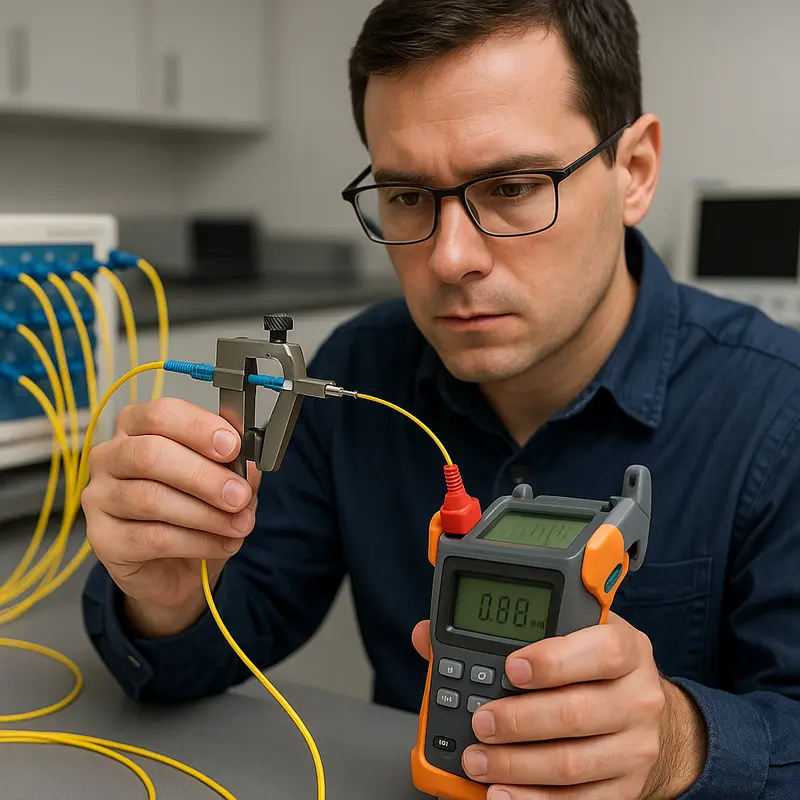
Maintaining strict quality control protocols is a cornerstone of reducing additional loss during the production of FTTH drop cables. These cables are integral to the delivery of reliable, high-speed internet connections, and even the slightest manufacturing imperfection can compromise their efficiency. Achieving optimal performance in FTTH cables requires precision at every stage, from raw material selection to the final extrusion process. This chapter explores the critical elements of quality control and their impact on minimizing production-related losses.
At the heart of effective quality control lies meticulous monitoring of manufacturing conditions. Variations in temperature, pressure, and alignment during cable extrusion can cause micro-irregularities, leading to light attenuation and additional loss. By implementing automated systems equipped with sensors and real-time feedback, manufacturers can maintain consistent conditions and mitigate deviations. Such systems ensure the cables meet stringent specifications, reducing the need for post-production corrections.
Inspection protocols also play a pivotal role. Optical fiber within drop cables must be free from contamination or damage, as surface irregularities can scatter light, diminishing performance. Establishing rigorous cleaning procedures and deploying advanced inspection technologies, such as high-resolution imaging or laser-based testing, allows manufacturers to identify and correct flaws before the fiber is encased. Regular audits of these protocols further ensure sustained adherence to quality standards.
Another key component is the alignment between production teams and engineering specifications. Misinterpretation of design requirements can result in cables that do not meet customer expectations or industry standards. Providing comprehensive training for operators and engineers ensures there is a clear understanding of tolerances and parameters critical to loss minimization. Cross-functional collaboration between departments further reinforces adherence to the intended design.
Efficient handling of raw materials is equally important. The optical fiber itself, alongside the resin or polymer used for buffering and sheathing, must be stored under controlled conditions to prevent degradation. Introducing quality control checks for incoming materials prior to production can prevent costly errors down the line. Once these materials are processed into a finished cable, secondary verification steps, such as tensile testing or bending radius analysis, confirm durability and operational reliability.
Finally, data-driven approaches to quality control enhance continuous improvement. Recording performance metrics from past production cycles provides insights into recurring defects and opportunities for refinement. By evaluating trends and tweaking procedures in areas identified as high-risk, manufacturers can systematically reduce losses and improve long-term efficiency. Integrating software solutions for predictive analytics propels this effort, guiding proactive adjustments rather than reactive fixes.
Implementing robust quality control systems is not just about meeting industry standards—it’s about optimizing performance and protecting the integrity of the FTTH infrastructure. For an in-depth look into equipment options for cable extrusion setups that align with these principles, visit FTTH drop cable extrusion machines.
Pioneering Technologies for Loss Reduction in FTTH Drop Cable Production
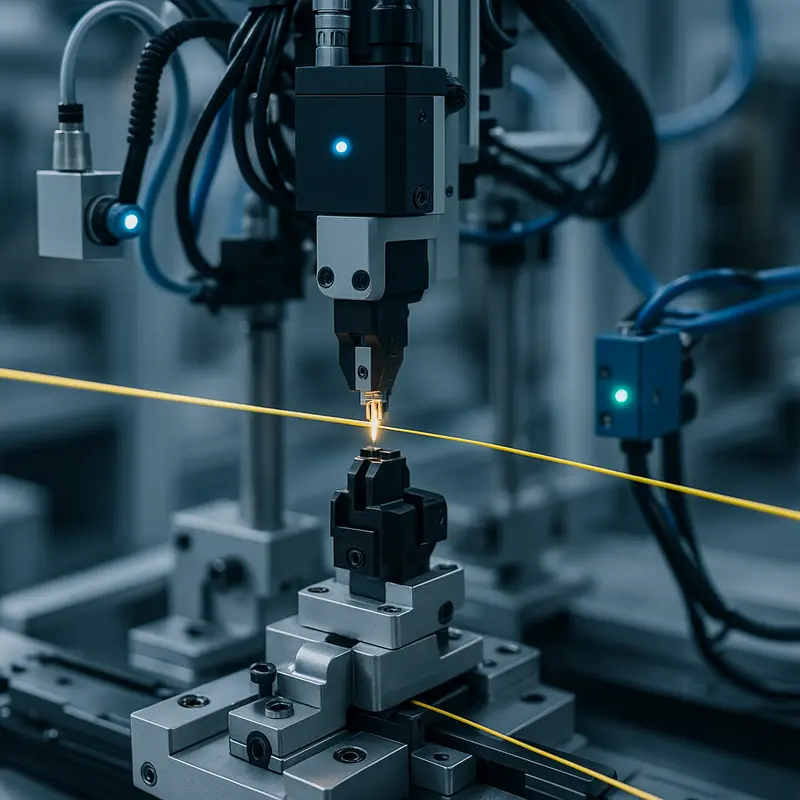
The field of FTTH (Fiber to the Home) drop cable production has experienced transformative advancements over recent years, driven by the growing demand for efficient and high-quality fiber optic networks. One of the critical challenges manufacturers face is minimizing additional signal loss during the production process, and emerging technologies have proven to be instrumental in addressing this issue. By leveraging innovative machinery, material science advancements, and precise manufacturing techniques, the industry is better equipped than ever to create reliable fiber optic cables with minimal loss.
Improved Extrusion Systems for Enhanced Fiber Integrity
Maintaining the structural and optical integrity of the fiber core during cable extrusion is crucial. Modern extrusion systems, equipped with advanced control mechanisms, have greatly improved precision in applying buffer coatings and outer sheaths. These systems employ computerized feedback loops and integrated sensors to monitor variables such as tension, extrusion rate, and coating uniformity in real-time. Such precise operational control ensures that the fiber remains free from excessive micro-bending or surface irregularities, both of which are key contributors to signal degradation. For insights into advanced extrusion setups, it’s worth reviewing this guide: control fiber cable extrusion.
Innovations in Tight Buffering Techniques
Tight buffering is another focal area for loss reduction. This process involves coating optical fibers with protective polymer layers to shield them from environmental stress. Innovations in tight-buffered fiber extrusion techniques have enabled higher precision in the application of these protective layers. Using advanced polymers with optimal thermal and mechanical properties ensures that the buffer coating can effectively guard the fiber against external elements, such as moisture and physical stress, without imposing additional strain on the glass core.
Material Engineering for Superior Longevity
The development of specialized materials has further revolutionized FTTH drop cable production. High-performance polymer compounds now offer reduced attenuation factors while enhancing durability. These materials are meticulously formulated to adhere well to the fiber and sheath layers, creating a cohesive structure that resists environmental degradation over extended periods. Using UV-stabilized and flame-retardant materials also ensures compliance with safety standards while maintaining signal performance.
Optimized Machinery for Reduced Defects
Advanced FTTH drop cable production lines now incorporate intelligent machinery capable of automating critical tasks, such as alignment and tension control. Automation reduces human error and enhances consistency, while machine learning algorithms embedded within these systems continually optimize production parameters to mitigate loss-inducing defects. For manufacturers seeking optimal machinery, this resource offers a valuable overview: FTTH drop cable machines.
By prioritizing these technological advancements, FTTH drop cable manufacturers are closing the gap between increasing performance demands and operational challenges. As the deployment of fiber networks expands globally, the reliance on cutting-edge innovations ensures the infrastructure can support the data-driven future with minimal signal loss and maximum efficiency.
Streamlined Operations for Minimizing Loss in FTTH Drop Cable Manufacturing

Manufacturing FTTH (Fiber to the Home) drop cables demands precision, consistency, and rigorous cost control. Any inefficiency can magnify production losses, with impacts ranging from increased scrap materials to inflated energy costs. By adopting tailored economic and operational strategies, manufacturers can significantly reduce these losses while maintaining the high-quality standards essential for fiber optic applications.
A critical initial step involves assessing the fiber cable production line to identify inefficiencies. Modern production lines equipped with advanced automation tools can dramatically reduce material waste and human error. Automated systems often excel in performing repetitive tasks with greater precision compared to manual operations, mitigating the probability of defects that could lead to losses. This guide on choosing the right cable production lines provides insights on streamlining operations using advanced tools and systems, empowering factories to meet optimal efficiency and run times.
Energy consumption poses another major operational challenge. The production process for FTTH drop cables involves intensive machinery that runs continuously, consuming significant power. Upgrading to energy-efficient systems can decrease overhead costs while contributing to environmentally sustainable practices. Machines with low standby power modes or those designed with smarter control features can balance productivity and energy use effectively. Thoughtful factory layout planning also contributes to energy conservation; ensure that machinery is installed to optimize workflow, reducing unnecessary movements that increase consumption.
Worker training represents a less obvious—yet essential—strategy for loss mitigation. Skilled technicians who understand the nuances of cable extrusion and buffer alignment are more likely to spot potential issues before they escalate into costly production delays or material wastage. Investing in ongoing education and certifications for your team creates a workforce that enhances operational reliability while reducing the risk of preventable errors. Moreover, cross-training personnel across various production stages builds flexibility into the workforce, enabling quick responses to unexpected production inefficiencies.
Another vital economic approach is improving inventory management. Maintain a balanced stock of raw materials to avoid surplus or shortages that can disrupt production. Implementing a just-in-time inventory model may allow factories to procure and use materials only as needed, preventing the risk of obsolescence and reducing carrying costs. Furthermore, partnering with reliable suppliers ensures consistent material quality, lowering the risks of damage that often arise when using subpar products.
Finally, regular maintenance schedules for production equipment cannot be overlooked. Proactive maintenance significantly reduces repair costs and prevents unforeseen breakdowns that cause downtime and waste. Consistent inspections and immediate servicing for wear-prone machinery bolster operational reliability and longevity. For a detailed look at managing fiber optic workshop layouts to optimize operations, refer to this resource.
By combining these strategies—automated systems, energy efficiency, skilled labor, smarter inventory handling, and proactive maintenance—manufacturers can reduce losses at every stage of FTTH drop cable production. These measures not only enhance profitability but also ensure a steady supply of robust, high-quality cables that meet the growing global demand for reliable fiber optic connectivity.
Final thoughts
Minimizing optical loss during FTTH drop cable manufacturing is essential for meeting the increasing demands of high-speed networks. By addressing challenges through material optimization, rigorous quality control, leveraging advanced technology, and implementing smart economic strategies, industry stakeholders can achieve significant efficiency gains. This integrated approach ensures reliable performance, lower maintenance costs, and higher customer satisfaction. The future of FTTH deployment depends on these proactive measures.
Ready to elevate your FTTH projects? Contact AIMIFIBER for premium FTTH solutions, including drop cables, patch cords, and customized fiber assemblies.
Learn more: https://aimifiber.com/contact-us/
About us
AIMIFIBER provides end-to-end solutions for FTTH deployments, including pre-terminated fiber optic cables, drop cables, patch cords, pigtails, and FTTA products. We specialize in OEM/ODM services and customized fiber assemblies tailored to the unique needs of telecom operators and data centers, helping ensure superior performance and reliable installations.