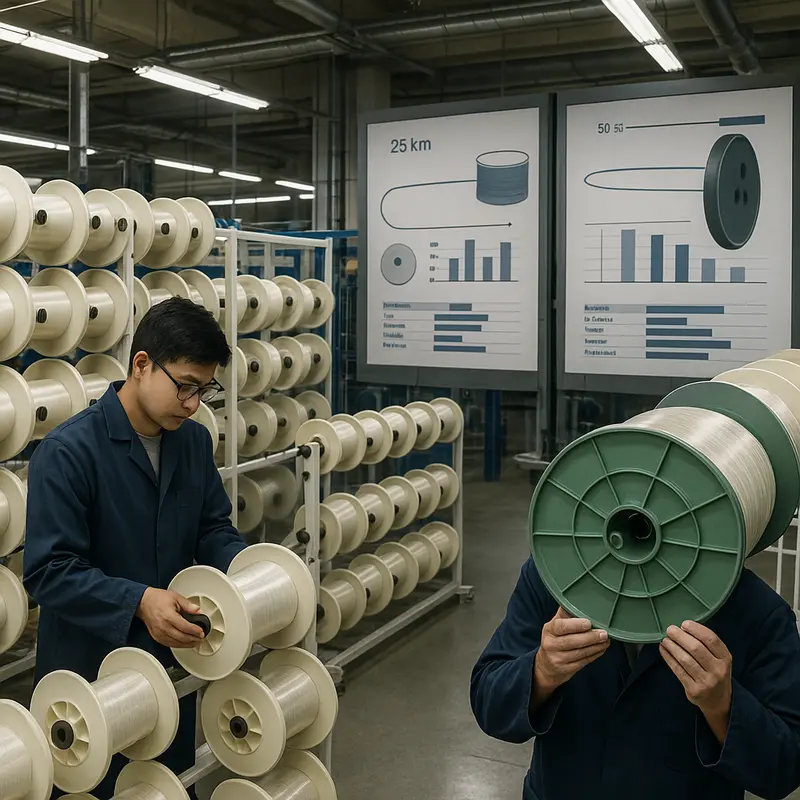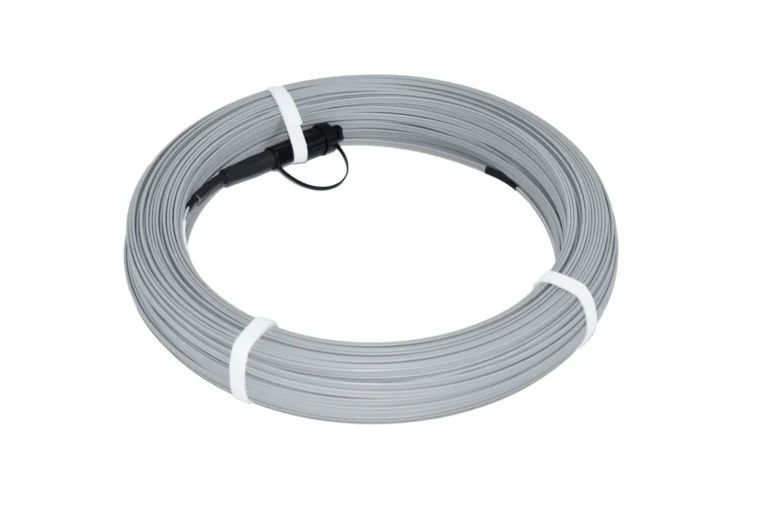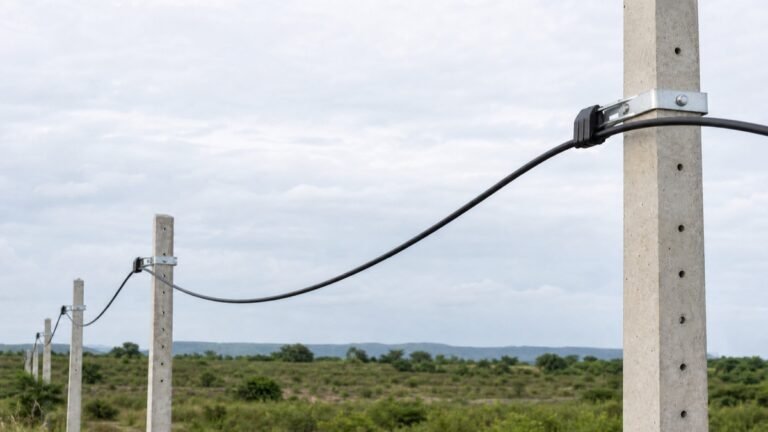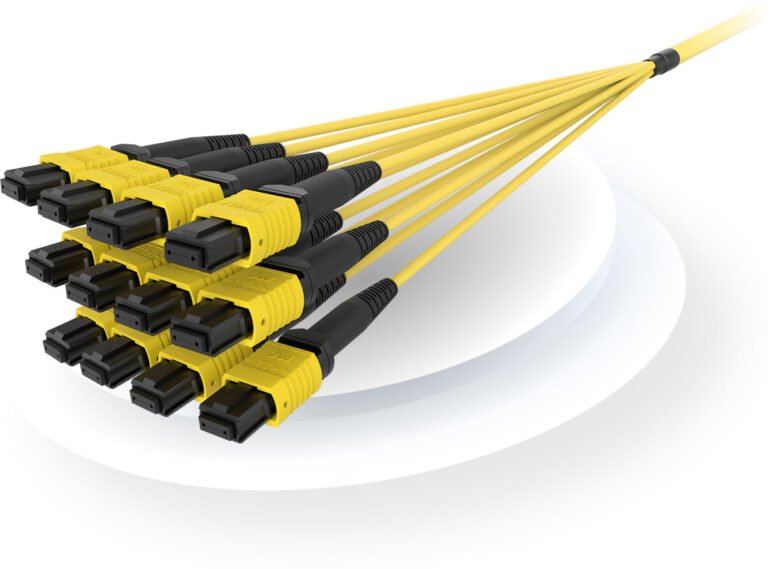
Efficient fiber bobbin handling is critical for telecom projects and optical cable manufacturing. Deciding between 25km and 50km fiber bobbin systems impacts project budget, production flow, infrastructure, and environmental sustainability. This decision isn’t merely about size but aligns with operational goals, technical efficiency, and scalability. Understanding factors like cost implications, technical suitability, infrastructure needs, and environmental considerations can help optimize your choice. In this guide, we explore these aspects to empower stakeholders—including project managers, ISP procurement teams, and engineers—to make informed, context-specific decisions. Each chapter delves deeper into comparative economic analysis, operational efficiency, and sustainability practices to connect both technical insight and practical utility.
Weighing the Costs: Economic Perspectives on 25km vs. 50km Fiber Bobbin Systems
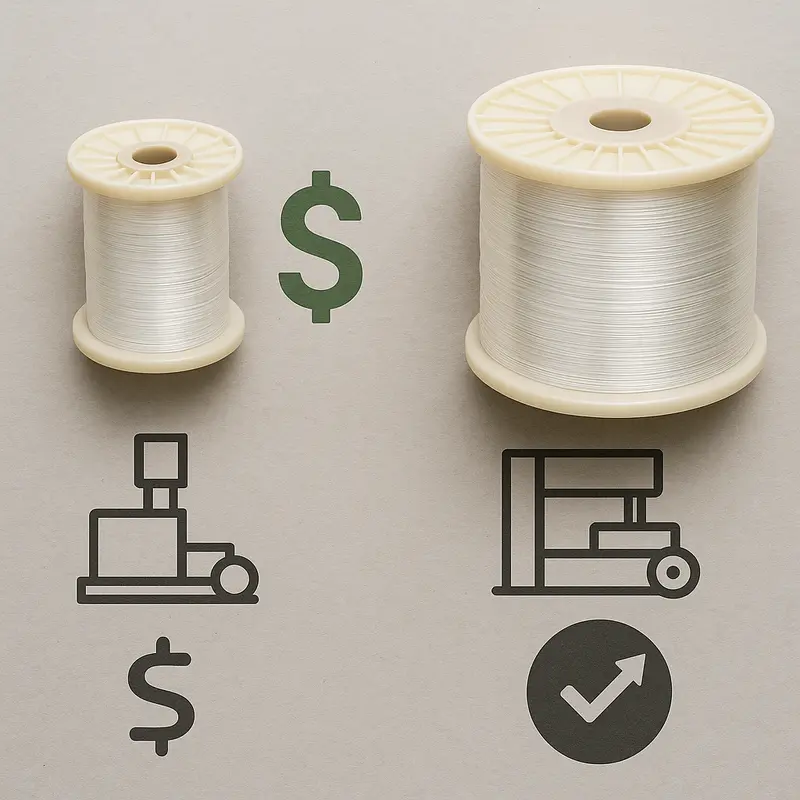
When evaluating 25km and 50km fiber bobbin handling systems, the economic implications are among the most critical factors to consider. While both systems enable efficient management of fiber optic production, they diverge significantly in their cost structures, operational efficiency, and long-term financial impact. Conducting a detailed analysis of these variables can guide businesses in selecting the most economically viable option.
Initial Investment and Setup Costs
The upfront investment required for 50km fiber bobbin systems is typically higher compared to their 25km counterparts. This stems primarily from the larger scale of components, stronger structural support, and additional system features needed to accommodate the larger fiber bobbins. Manufacturers must evaluate whether their current operational scale justifies this increased initial capital outlay. For smaller operations or those just entering the fiber optic production space, the 25km system often represents a more economical starting point.
However, it’s not just the cost of the system itself that contributes to the initial expense. Infrastructure requirements, such as reinforced flooring and additional space, must also be considered for 50km systems. By contrast, 25km systems have less demanding spatial and structural needs, reducing associated setup costs. For facilities already operating close to capacity, these factors could decisively influence the choice.
Operational Costs and Production Efficiency
The operational economies of scale offered by 50km systems can justify their higher initial costs, particularly for larger production runs. A 50km system reduces downtime by lowering the frequency of bobbin exchanges, which, over the long term, can contribute to considerable cost savings. Fewer interruptions mean less labor spent on adjustments and potentially lower error rates during production transitions.
On the other hand, the lower material and operational costs of 25km systems may better suit operations focused on shorter production cycles or varying product requirements. Businesses that frequently change fiber types, sizes, or colors may find that the 25km system offers the flexibility they need without excessive financial strain. This adaptability can prevent unnecessary resource expenditure in scenarios where full utilization of a 50km system is unlikely.
Long-Term Economic Impact
In evaluating long-term viability, businesses must consider maintenance, repair, and system longevity. Larger 50km systems often feature more complex components, which could lead to higher repair and maintenance costs over time. Conversely, the simpler design of 25km systems usually translates to lower upkeep expenses. That said, the expanded capabilities and reduced operating downtime of the 50km systems may offset these costs in high-volume scenarios, delivering better value over the lifespan of the equipment.
Another crucial factor is the relationship between production volume and market demand. Companies serving large-scale contracts or operating in regions with significant demand for fiber optic materials might find the 50km option more cost-effective due to its efficiencies at scale. Smaller producers or those in fluctuating markets, however, might face additional financial risk from underutilized capacity if they overinvest in a system that exceeds their immediate needs.
In conclusion, choosing between the two systems requires a careful evaluation of both short-term budgetary constraints and long-term economic goals. For more insights into optimizing your production setup and overcoming common challenges in fiber manufacturing, refer to this guide on fiber cable production lines.
Balancing Performance: Technical Efficiency in 25km vs. 50km Fiber Bobbin Systems

When selecting between 25km and 50km fiber bobbin handling systems, technical efficiency emerges as a pivotal consideration. The optimal choice requires evaluating how each system aligns with operational demands, productivity goals, and system constraints.
Processing Throughput and Downtime
At first glance, the 50km bobbin system may appear superior due to its capacity to handle larger quantities of fiber, thus potentially reducing changeover times. Every spool change or adjustment introduces downtime, a factor that can significantly disrupt the workflow in high-output environments. Systems that can accommodate longer fiber lengths allow machinery to operate continuously for extended periods, thereby improving productivity efficiency. However, smaller 25km bobbins may offer advantages in setups requiring frequent color changes or customized fiber configurations. In these cases, the shorter fiber length minimizes waste when making adjustments, ensuring a more streamlined transition between production runs.
System Compatibility and Tension Control
Technical efficiency also depends on the system’s compatibility with existing equipment and its ability to maintain precise tension control. The 50km bobbin handling system exerts a greater load on payoff and take-up systems due to the increased weight and length of the fiber. Not all lines, especially older or lighter ones, are designed to effectively manage the mechanical forces at play in such setups. In contrast, 25km systems place less strain on payoff systems, reducing wear and tear while offering more straightforward integration with standard setups.
Moreover, tension control is a delicate balancing act in optical fiber production. Variations in tension can affect the integrity of the fiber and result in defects during processes like secondary coating or coloring. While both systems can be engineered with advanced tension management systems, the performance of the 50km bobbin under high-speed or high-tension scenarios might require additional calibration to avoid disruptions.
Energy Efficiency and Resource Optimization
Longer bobbin systems, like the 50km variety, often call for heavier machinery and increased motor power to support their operation. This increased demand translates to higher energy consumption, which can influence both operational costs and environmental impact. Systems built around 25km bobbins, on the other hand, may consume less energy, helping manufacturers achieve a better balance between production efficiency and sustainability goals. When planning for expanded production, these energy considerations become even more critical as they directly impact long-term scalability.
Tailoring Based on Operational Needs
Ultimately, the technical efficiency of 25km versus 50km systems depends on how well they align with your production requirements. For high-output facilities prioritizing continuous operation with minimal disruption, 50km bobbins may offer an edge. Conversely, smaller setups or operations requiring frequent product variation may find the 25km system’s agility more practical.
For further optimization of fiber handling systems, particularly those considering factors like tension and rewinding precision, explore our detailed insights on fiber tension and bobbin take-up systems. Balancing these variables ensures not only better technical efficiency but also enhanced production outcomes.
Building the Backbone: Infrastructure Essentials for 25km and 50km Fiber Bobbin Systems
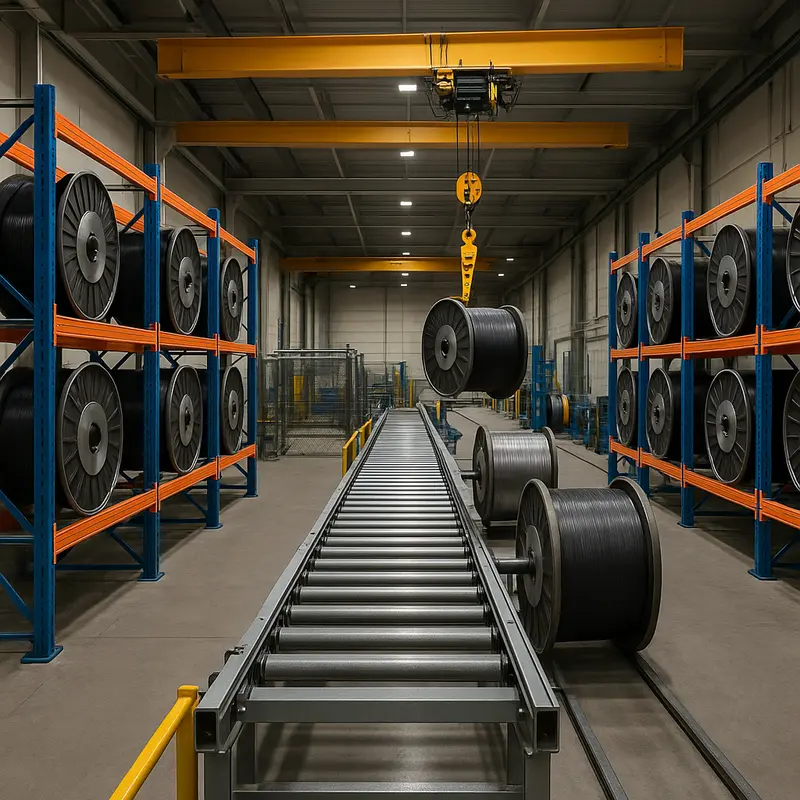
When choosing between 25km and 50km fiber bobbin handling systems, a key consideration lies in evaluating the required infrastructure. Both options introduce unique demands that can significantly influence your production line, facility setup, and overall operational costs. Understanding these requirements thoroughly ensures that the investment aligns with the goals of your optical fiber production process.
For 25km fiber bobbins, infrastructure requirements tend to be less extensive, largely owing to the smaller size and capacity of the bobbins. These systems can fit within existing setups with minimal adjustments. For facilities already managing 25km bobbins, the transition to newer systems typically requires optimizing current equipment rather than a full overhaul. Storage requirements for 25km bobbins, for instance, generally demand less space. This is particularly advantageous for manufacturers with constrained physical footprints.
However, the compact nature of 25km bobbins does bring its own challenges. More frequent changes in the production line are necessary compared to their 50km counterparts. This means your setup must include ample space and consideration for efficient loading, unloading, and realignment to minimize downtime. Additionally, monitoring mechanisms for tension and fiber winding processes must maintain strict precision, ensuring quality consistency in smaller batches.
In contrast, the infrastructure for 50km fiber bobbin systems often requires a more substantial investment upfront. Facilities must accommodate larger bobbins, not only in physical storage but also across the entire production line. Machines such as payoff and take-up systems, rewinding setups, and even transportation equipment may need enhancements or complete replacements to handle the increased bobbin dimensions and weight efficiently. This often demands a scalable production space designed to accommodate heftier mechanical requirements.
Another major consideration when adopting 50km fiber bobbin systems is logistics. Moving larger bobbins across a facility requires specialized tools, such as advanced overhead cranes or automated material-handling solutions. These systems need to operate seamlessly to prevent unplanned downtime. However, when optimized effectively, the higher capacity of 50km bobbins drastically reduces the frequency of system checks and material replacements, boosting overall production efficiency.
Power consumption is yet another infrastructural factor to weigh. Larger handling systems for 50km bobbins typically demand higher energy loads, making it crucial to assess whether existing utilities can support the increase. A thorough utility audit is often necessary, especially in facilities transitioning from smaller systems or older setups.
Choosing between these two systems boils down to identifying how their distinct infrastructural needs align with your operational priorities. For further insights into payoff systems and their role in streamlining fiber bobbin handling, explore this resource on fiber payoff and rewinding solutions. Evaluating your facility’s adaptability alongside your production volume goals is essential for making the right decision.
Ultimately, whether you opt for 25km or 50km systems, proactive planning and preparation of your infrastructure will smooth the path for a reliable, efficient, and cost-effective fiber production process.
Assessing the Environmental Footprint of 25km and 50km Fiber Bobbin Systems

In the world of fiber optic manufacturing, environmental sustainability is becoming an increasingly significant consideration. As industries move toward greener processes, the choice between 25km and 50km fiber bobbin handling systems must be evaluated not only for operational efficiency but also for their environmental impact. Each option carries its own set of ecological variables, including material use, energy consumption, and waste generation.
One of the major factors influencing the environmental footprint of these systems is energy efficiency. A 50km bobbin typically allows manufacturers to reduce machine downtime associated with refitting bobbins. Fewer stoppages mean lower energy spikes, as resetting machinery often demands higher energy input compared to sustained operation. Over time, this can lead to reduced energy consumption per unit of fiber produced. On the other hand, 25km systems may require more frequent equipment resets, leading to incremental increases in power usage. For manufacturers prioritizing energy efficiency as part of their sustainability goals, the 50km bobbin system might hold a clear edge.
Material use also plays a critical role. A 50km bobbin system is inherently designed to handle larger quantities of fiber in a single reel. This reduces the need for intermediate storage spools or excess packaging materials, contributing to less landfill waste. Conversely, 25km systems tend to require more frequent packaging and intermediate handling materials, potentially increasing material waste over time. However, an argument can be made that smaller bobbins facilitate localized recycling programs for discarded spools, which some manufacturers may find more manageable.
Another important component to consider is logistical efficiency and its downstream environmental impacts. Shipping fewer, larger bobbins (50km) often leads to reduced transportation frequency, minimizing the carbon footprint associated with delivery vehicles. Yet, this benefit may hinge on geographic proximity. Smaller 25km bobbins can be advantageous in geographical zones where distribution networks are fragmented, as their lighter weight allows for easier loading and more frequent use in smaller-scale production setups.
Lastly, lifecycle management of bobbins directly feeds into their environmental consequences. Larger, heavier 50km bobbins may have a longer useful life but can pose difficulties when it comes to recycling. Meanwhile, 25km bobbins are lighter and potentially easier to process in recycling facilities but may need to be replaced more frequently, adding to material requirements. Manufacturers seeking a circular production model must weigh these factors carefully to align with their long-term sustainability goals.
While the environmental impact of these systems cannot be reduced to a simple binary choice, highlighting these variables aids in making informed decisions. Aligning material efficiency, energy consumption, and logistical strategies can enable manufacturers to embrace a holistic approach to greener production. For more insights on streamlining fiber optic operations with sustainability in mind, explore this guide on fiber cable production lines.
Scaling Operations: Finding the Perfect Balance Between 25km and 50km Fiber Bobbin Systems

When evaluating the scalability and suitability of 25km versus 50km fiber bobbin handling systems, it’s essential to consider operational efficiency, production demands, and long-term costs. Both systems are designed for specific industrial applications, and understanding these nuances can help manufacturers optimize their workflows based on current and future needs.
Operational Scalability in Production Lines
Scalability lies at the heart of choosing between these two systems. A 25km bobbin system, with its smaller fiber capacity, is often preferable for operations focused on short production cycles or those requiring higher degrees of machine movement and handling flexibility. This makes it ideal for small-scale facilities or businesses testing new fiber optic products before scaling up. However, the downside of reduced fiber capacity is the frequency of bobbin swaps, which can slow production momentum over time.
In contrast, 50km fiber bobbin systems are an advantage for operations dealing with large-batch manufacturing or aiming for minimal interruptions during production runs. The larger fiber capacity means fewer stoppages for bobbin switches, resulting in improved throughput for high-volume demands. Large facilities focused on mass production or those with standardized processes often benefit significantly from the stability offered by larger bobbin sizes.
Suitability for Adaptable Production Environments
Another critical consideration is the suitability of these systems for adaptable environments. 25km systems provide enhanced flexibility in scenarios where product customization is paramount. If your production includes frequent variations in fiber coloring, coating, or rewinding configurations, the smaller size allows for quicker changeovers and supports agility in meeting customized demands.
On the other hand, 50km systems excel in scenarios where consistent, uniform production is the primary goal. For industries producing standardized fiber optic cables with little variation, a larger bobbin size ensures sustained output levels without needing frequent adjustments to machinery or processes.
Cost-Efficiency Considerations
From a financial perspective, both systems have distinct implications. Smaller bobbins tend to have lower upfront costs, making them appealing for startups or smaller production facilities. However, over time, the higher frequency of material handling and the labor costs associated with frequent bobbin replacements can outweigh initial savings.
Larger bobbins, while demanding higher capital investment initially, are cost-efficient for long-term production. Reduced handling time, fewer equipment interruptions, and higher yields per production cycle often translate to significant cost savings for high-volume manufacturers. It’s important to calculate the cost per unit over extended periods rather than focusing solely on initial expenditures.
For a detailed discussion about optimizing fiber cable production flow, visit this resource.
By carefully weighing these factors, manufacturers can align their system choice—whether 25km or 50km bobbin handlers—with their specific operational goals, scalability plans, and production needs.
Final thoughts
Choosing between 25km and 50km fiber bobbin handling systems requires a multi-dimensional approach—balancing costs, technical adaptability, infrastructure needs, and environmental considerations. Each system has specific advantages depending on the operational context and scalability needs. By evaluating your project goals against these factors, you can drive efficiency in manufacturing and deployment while ensuring sustainability. Invest the effort to align decisions with both short-term goals and long-term impacts for your organization.
Contact AIMIFIBER today for expert advice on selecting the right fiber bobbin system and to explore OEM or ODM fiber optic solutions.
Learn more: https://aimifiber.com/contact-us/
About us
AIMIFIBER provides top-tier pre-terminated fiber optic solutions, FTTH drop cables, patch cords, pigtails, FTTA products, and customized assemblies. Supporting telecom infrastructure projects globally, AIMIFIBER combines precision manufacturing with cost-efficient quality to meet all your fiber optic requirements.