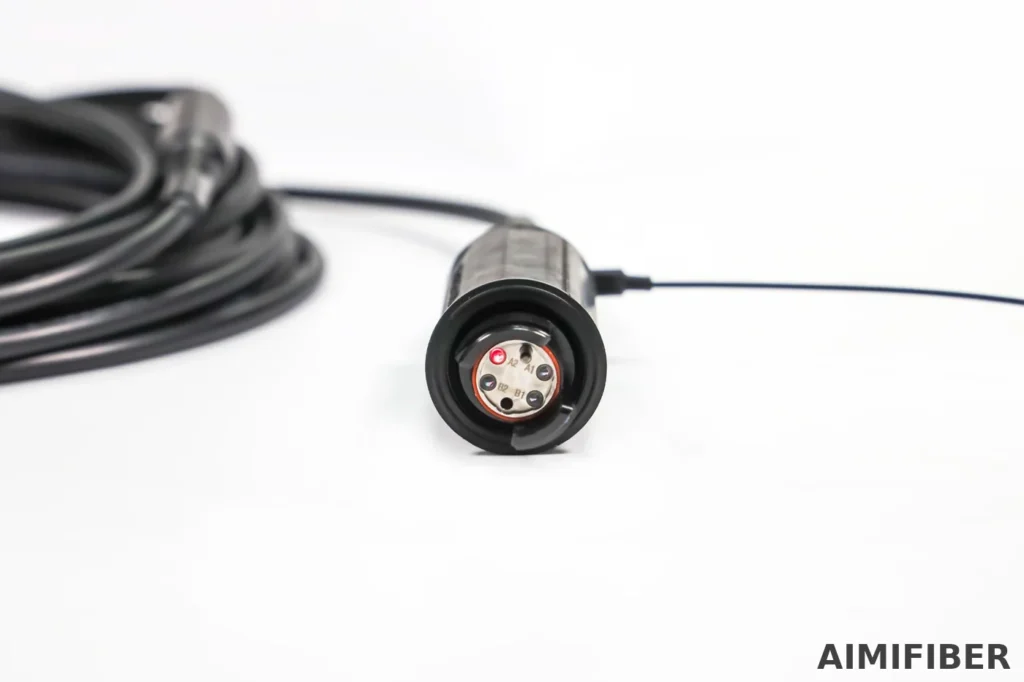
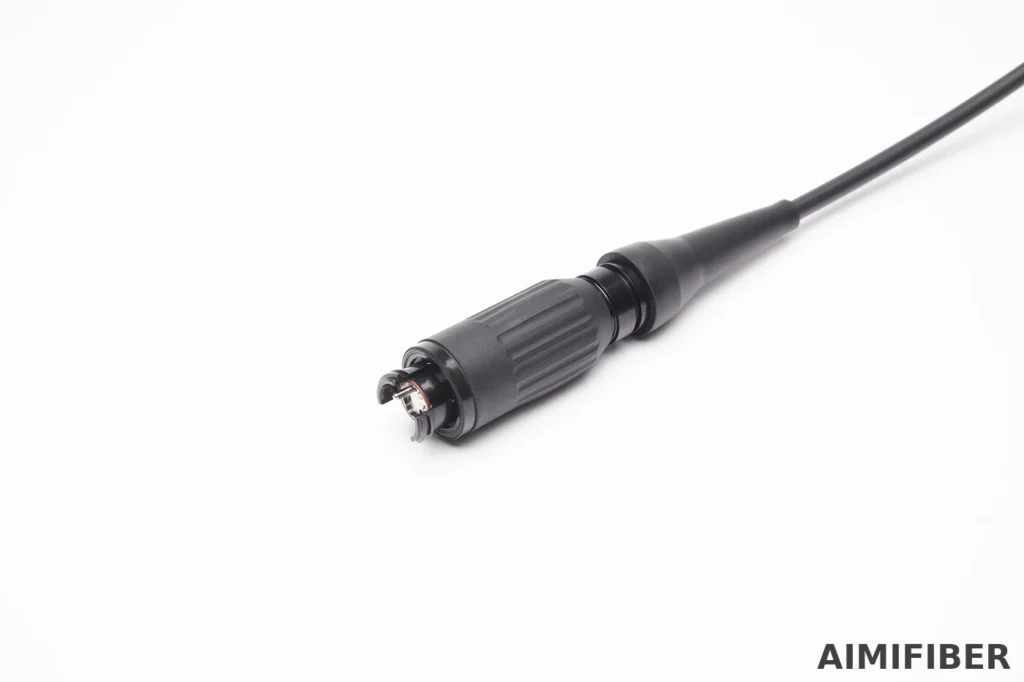
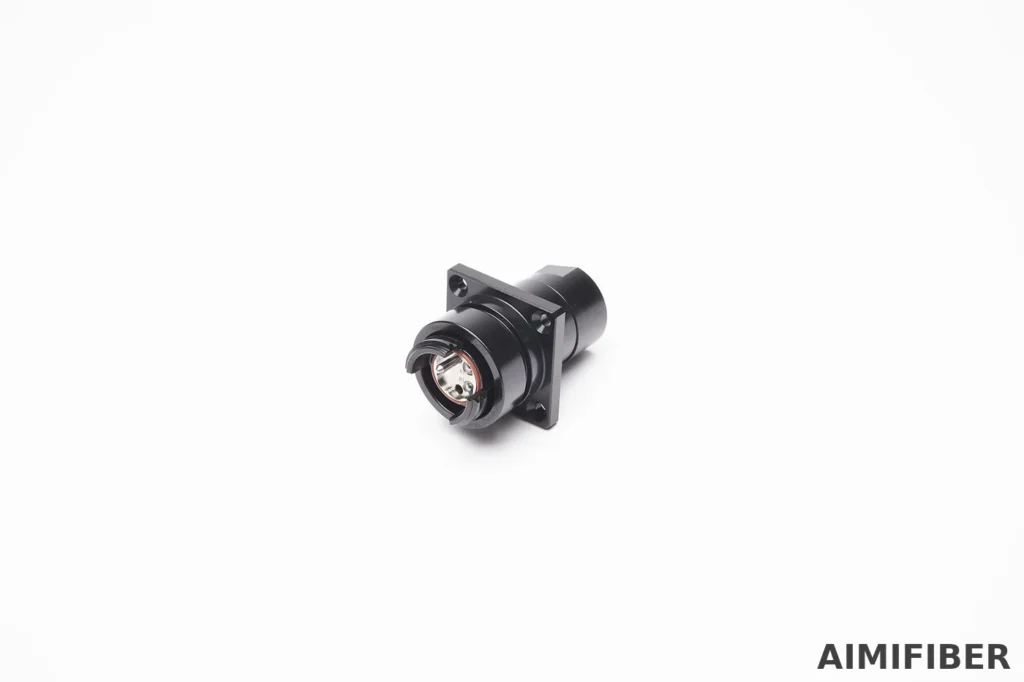
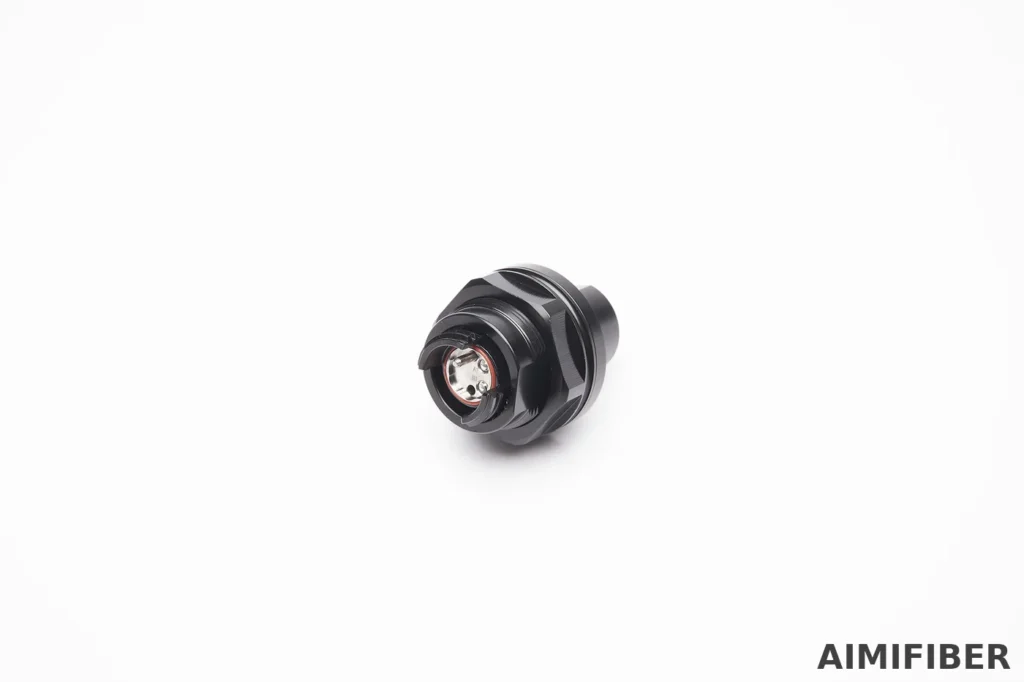
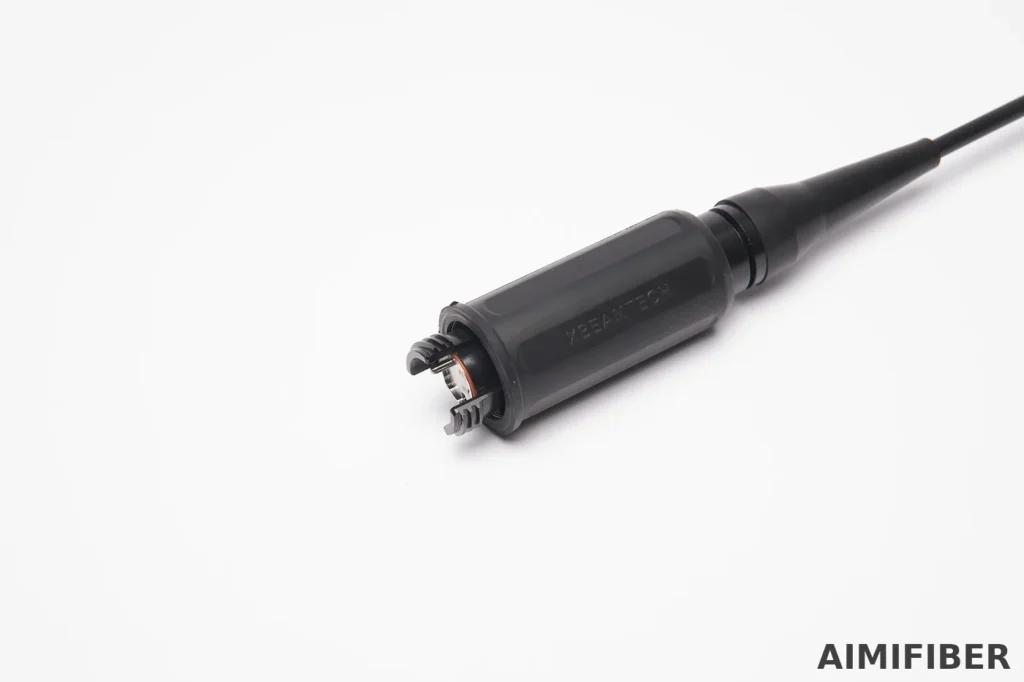
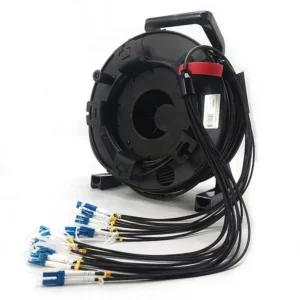
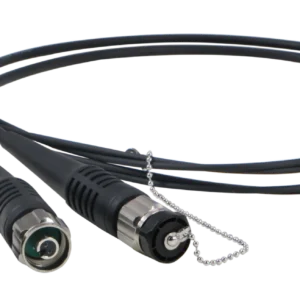
Rugged expanded-beam fiber patch cords using HXB connectors (sizes 11/13/15) for harsh environments. Hermaphroditic interface enables daisy-chaining. Typical IL 0.8–1.8 dB (SM) / 0.5–1.0 dB (MM); RL >32 dB (SM); IP68; 3,000 mating cycles; −40~+85 °C; immersion up to 15 m. Plug–Plug or Plug–LC/SC/FC/ST on TPU tactical cable.
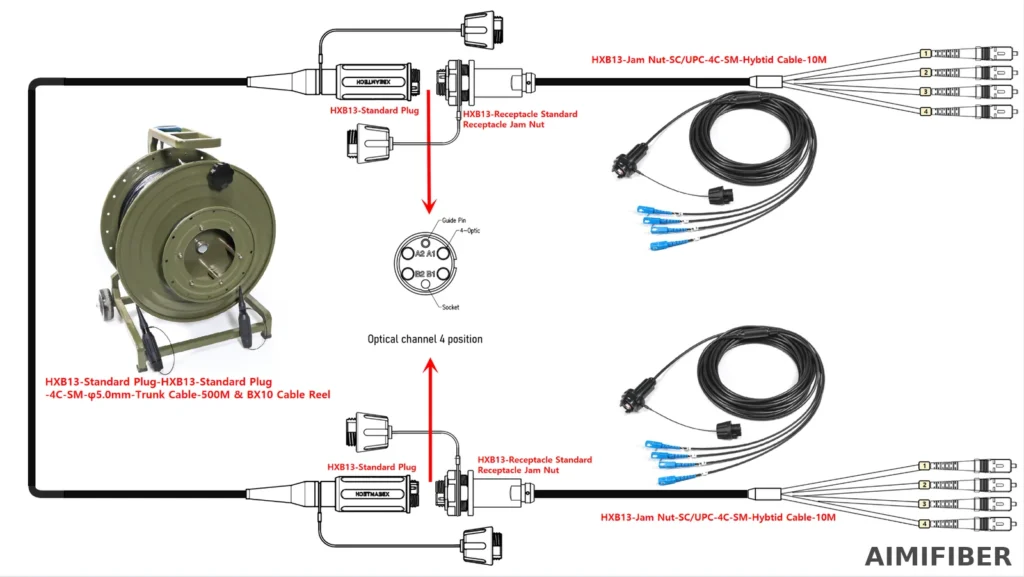
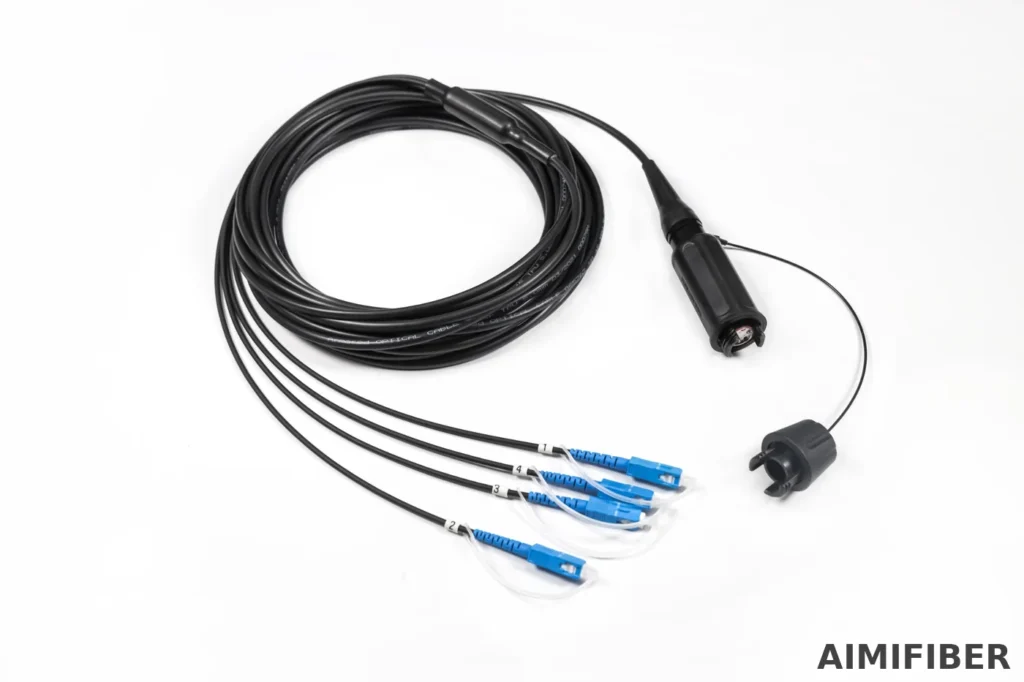
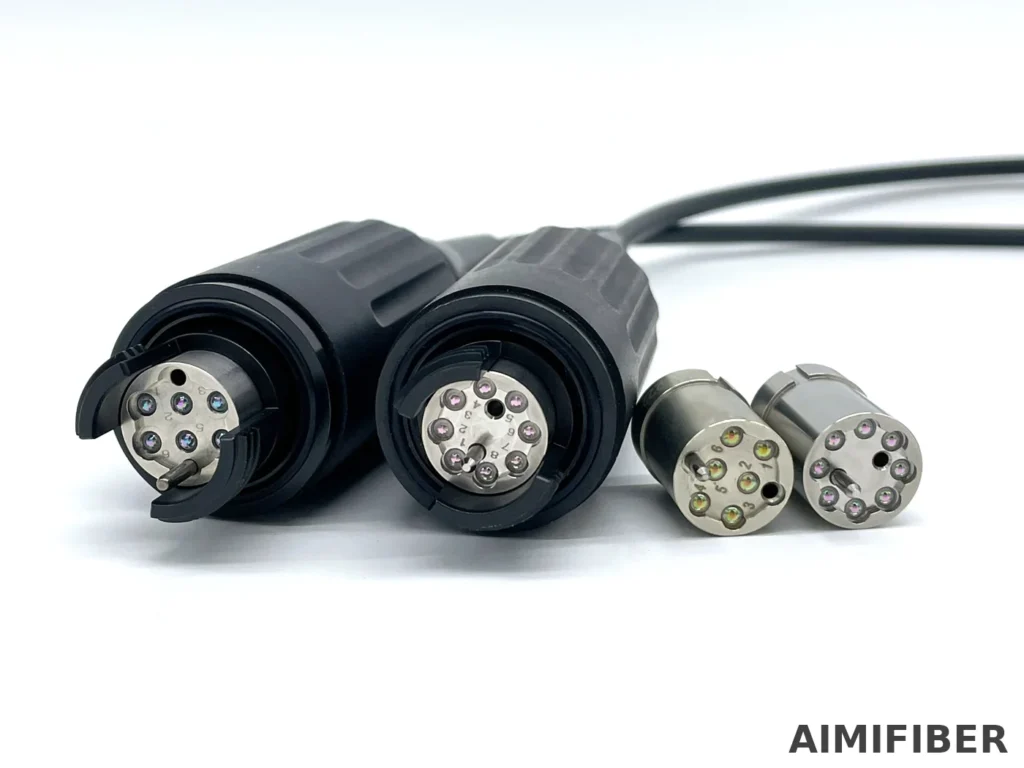
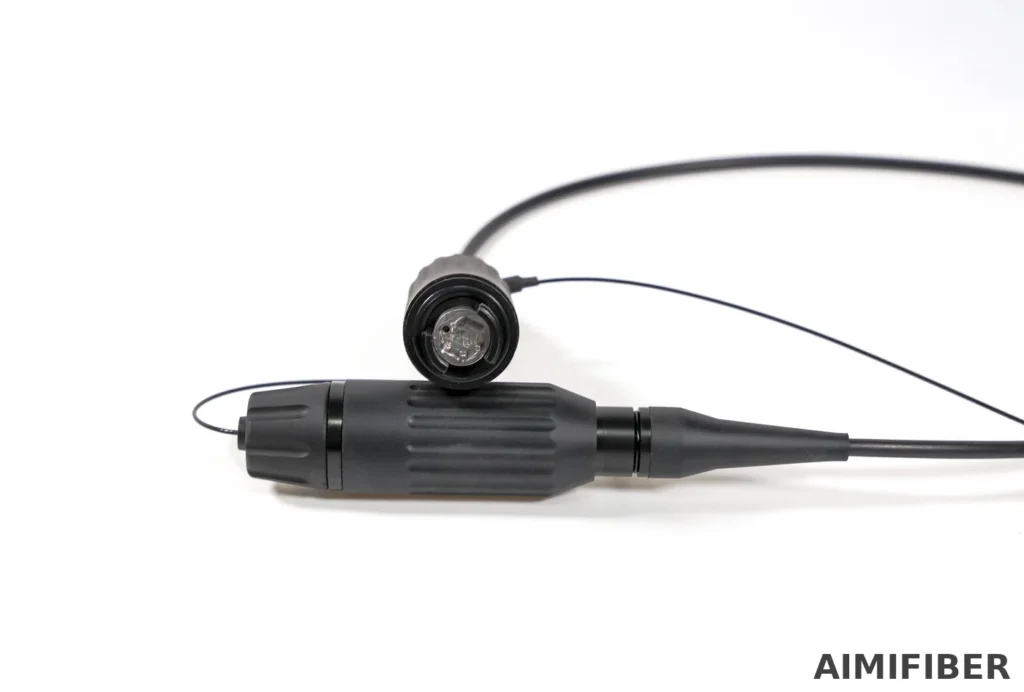
HXB patch cords use expanded-beam lens coupling instead of physical ferrule contact. The beam is expanded and collimated, making the connection resistant to dust, shock and vibration—ideal for field deployment in tactical and industrial networks. The hermaphroditic plug allows plug-to-plug chaining without adapters. Assemblies can be built Plug–Plug or transition to LC/SC/FC/ST at the equipment side.
Key Benefits
Dirt-tolerant, easy to clean: lens-based coupling keeps links stable in dusty environments.
Hermaphroditic, rapid deployment: daisy-chain cables end-to-end in the field.
Harsh-use proven: IP68 sealing, 3,000 mating cycles, −40~+85 °C, 15 m immersion.
Flexible builds: HXB11/13/15; 2/4/6 fibers; SM or MM; Plug–Plug or Plug–LC/SC/FC/ST.
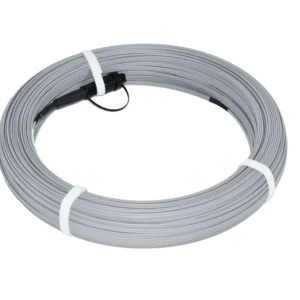
Tactical cable options: rugged TPU 5.5 mm and breakout options for devices.
Typical Applications
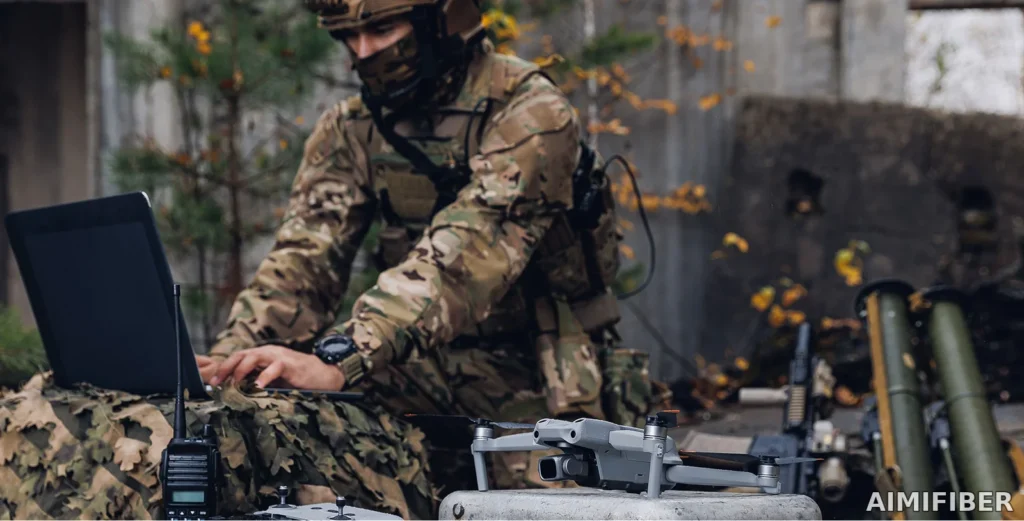
Tactical communications and temporary fiber trunks
HXB belongs to the MIL-DTL-83526 expanded-beam ecosystem (e.g., QMini / Fibreco Junior families). Cross-mating is project-specific and depends on shell size, keying and insert patterns—please confirm before ordering.
Pricing & Terms
Incoterms: EXW/FOB/CIF/DDP by region
Lead Time: samples 7–12 days; batch 2–4 weeks (depends on size/channel/length)
MOQ: flexible for trials
Testing: 100% IL/RL inspection; reports provided
Warranty: 12 months workmanship
FAQ
Q1. Why is IL higher than LC/SC? Expanded-beam trades a small IL increase for much higher contamination tolerance and durability in the field.
Q2. Can I daisy-chain cords to extend reach? Yes. Hermaphroditic plugs support plug-to-plug chaining; plan your power budget with 0.8–1.8 dB per mated pair (SM).
Q3. Are HXB cords intermateable with other expanded-beam systems? Often within the MIL-DTL-83526 ecosystem, but confirm shell size, keys and insert layout case-by-case.
Q4. Which cable should I choose for outdoor runs? Use TPU 5.5 mm tactical for rugged field runs; use 2.0 mm/0.9 mm for device-side transitions and breakouts.
Q5. What documents will I receive with shipment? IL/RL test reports per reel; additional shock/vibration/environmental reports are available on request.