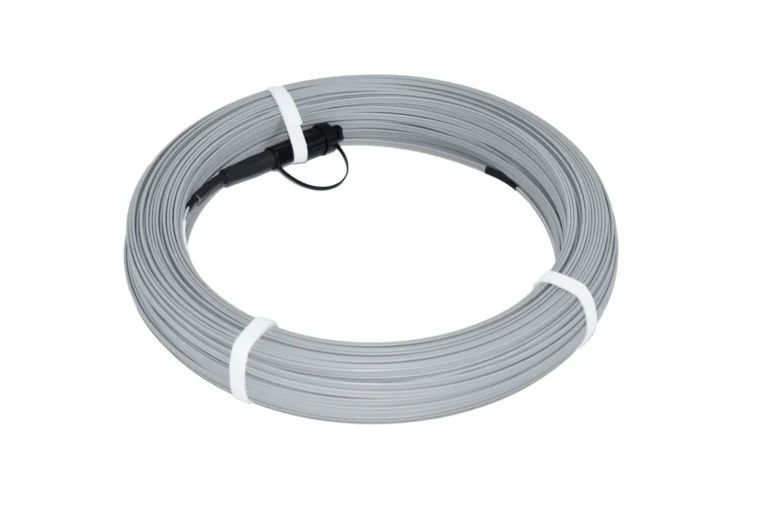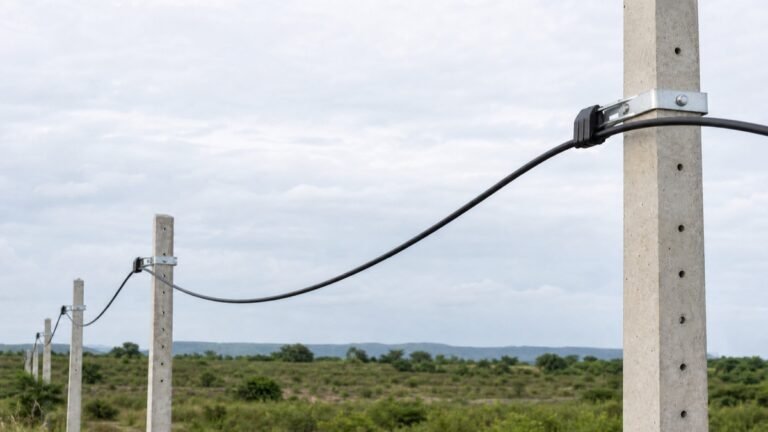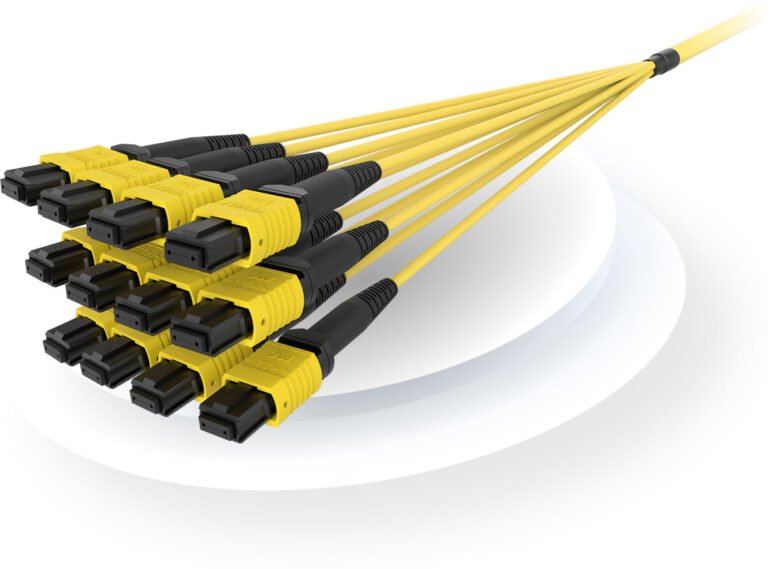
Can Pre-Terminated Fiber Solutions Really Speed Up 5G Deployment?
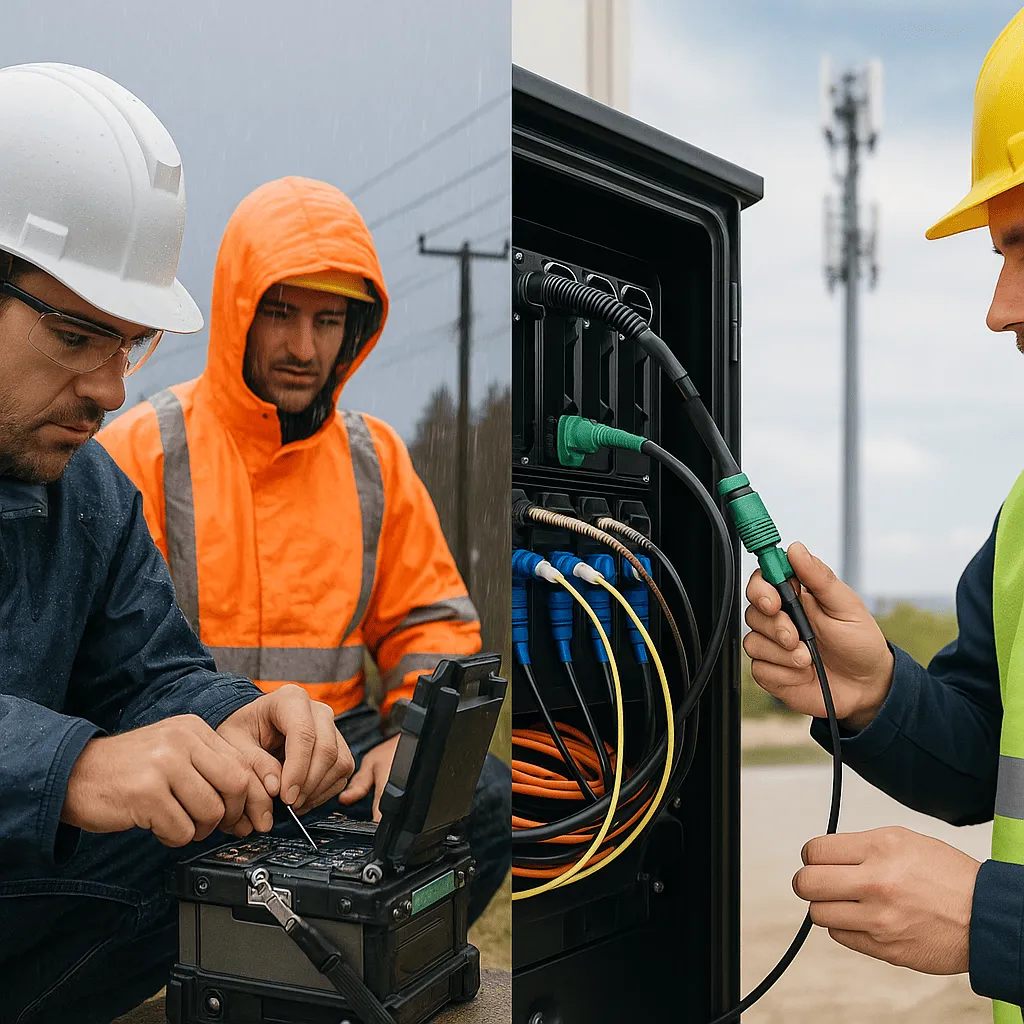
5G build windows are short. Field splicing is slow and fragile. Schedules slip and costs rise. I move the delicate work into the factory with pre-terminated kits. That change removes most on-site risk and gives me speed I can control.
Yes. Pre-terminated fiber shifts termination and testing into a clean factory, then delivers labeled, plug-and-play assemblies to site. Crews make quick, repeatable connections with basic tools. That cuts on-site hours, lowers rework, and makes turn-up predictable, so 5G projects finish faster and scale across many locations.
I learned this the hard way on a Brazil FTTA rollout. Every late day meant lost market share for my client. Once we swapped to factory-tested trunks, hardened drops, and labeled harnesses, site work shrank to cleaning, mating, and validating. We turned chaos into a checklist and clawed back days per cluster.
What Exactly Are Pre-Terminated Fiber Solutions, and Why Do They Matter for 5G?
A pre-terminated solution is a complete link built in the factory. Connectors are installed, inspected, and tested before shipping. Trunks, drops, cassettes, and harnesses arrive labeled for polarity and routes. For 5G, this matters because crews can install more sites per day with fewer splicers and fewer surprises.
Pre-terminated means “factory-finished and certified.” The kit includes trunks, hardened outdoor drops, cassettes or panels, and labeled harnesses. Each leg ships with test data. At site, the team cleans, mates, and verifies. Less splicing, less weather risk, and faster, repeatable turn-up for dense 5G builds.
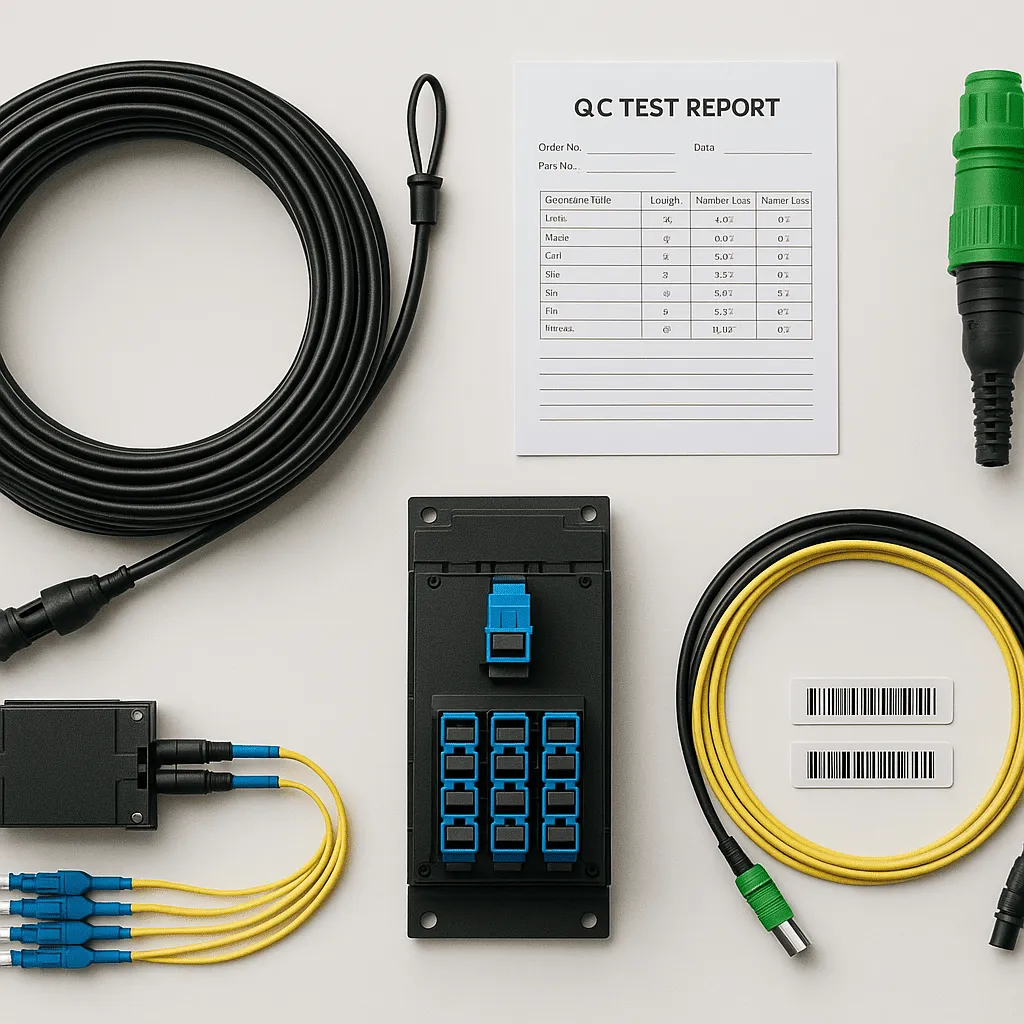
What comes in the kit?
| Component | Purpose | Typical Options | Notes |
|---|---|---|---|
| Trunk cable | Hub-to-terminal backbone | OS2, OM4; 12/24/48F; MTP/MPO | With pulling eye or grip; armored optional |
| Hardened drop | Terminal-to-radio | OptiTap/ODVA/FullAXS/NSN/PDLC | IP67-class shells; UV/abrasion jackets |
| Cassette/panel | Breakout & organize | MTP-LC/CS; HD 1U/2U/4U | Polarity A/B/C as required |
| Harness | Radio jumpers | LC/SC/CS; armored or ruggedized | Pre-labels for port mapping |
| Labels/docs | Fast ID & QA | Serial maps, routes, test sheets | Barcode or QR optional |
How is quality controlled
| Test | Typical Spec (guide) | Purpose |
|---|---|---|
| Insertion loss | ≤0.35 dB per LC; ≤0.35 dB per standard MPO (≤0.2 dB low-loss) | Power budget assurance |
| Return loss | LC/UPC ≥50 dB, LC/APC ≥60 dB; MPO SM ≥26 dB | Reflections control |
| Polarity check | A/B/C as ordered | Patch accuracy |
| Visual/Endface | IEC 61300-3-35 pass | Cleanliness & geometry |
Old way vs new way
| Feature | Traditional Field Splicing | Pre-Terminated Solution |
|---|---|---|
| Termination | Built outdoors, per splice | Built in factory, per link |
| Tools & consumables | Splicer, cleaver, heaters, pigtails | Hand tools, cleaners, scope |
| Per-site time | Hours to a day | Minutes to a few hours |
| Weather exposure | High | Low |
| Rework risk | Moderate to high | Low and predictable |
| Documentation | Manual notes | Serialized test reports |
How Do Pre-Terminated Assemblies Cut 5G Site Turn-Up Times?
Most delays happen at the node. Splicing takes time, space, and focus. Wind and dust slow everything. With pre-terminated gear, the long tasks move off-site. At the node, the crew follows a short script: mount, route, clean, mate, verify, hand over. That is why sites close faster.
They remove most field splicing and reduce task variance. Crews connect factory-tested links, not build them. That trims hours of fiber prep, lowers error rates, and limits weather stops. The result is shorter, more consistent turn-ups across many sites with mixed experience levels.

Where does the time go?
| Task | Field Splice Build | Pre-Terminated |
|---|---|---|
| Fiber prep & splice | 60–180 min | 0 |
| Connector cleaning & inspect | 20–30 min | 20–30 min |
| Routing & secure | 30–60 min | 30–60 min |
| Test & record | 20–40 min | 15–30 min |
| Total (typical) | 130–310 min | 65–120 min |
Why does labor get simpler?
- One crew can repeat the same steps at every site.
- Less reliance on senior splicers; easier to scale.
- Training shifts from fusion skills to QA and hygiene.
How does risk drop?
| Risk | Field Splice Exposure | Pre-Terminated Mitigation |
|---|---|---|
| Dust/moisture on endfaces | High during prep | Factory-sealed + field cleaning |
| Mis-polarity | Manual mapping | Pre-labels + route map |
| Over-tension during pull | Ad-hoc grips | Factory pull eyes + rated jacket |
| Documentation gaps | Handwritten | Serial test sheets per leg |
Which Connector Systems Fit FTTA and Small Cells Best?
Connector choice follows the site. Radios need sealed, quick mates. Routes may pass sun, rain, and dust. I match shells and ferrules to that duty. In practice, hardened connectors pair with OSP drops, while MPO trunks feed terminals and cassettes handle breakouts in cabinets and shelters.
Use hardened shells (OptiTap, ODVA, FullAXS, NSN, PDLC) at the radio side, and MPO/MTP trunks for backbone density. Break out with cassettes to LC/CS in panels. Pick the shell by the radio port and seal rating, then set polarity and pinning to match your vendor gear.
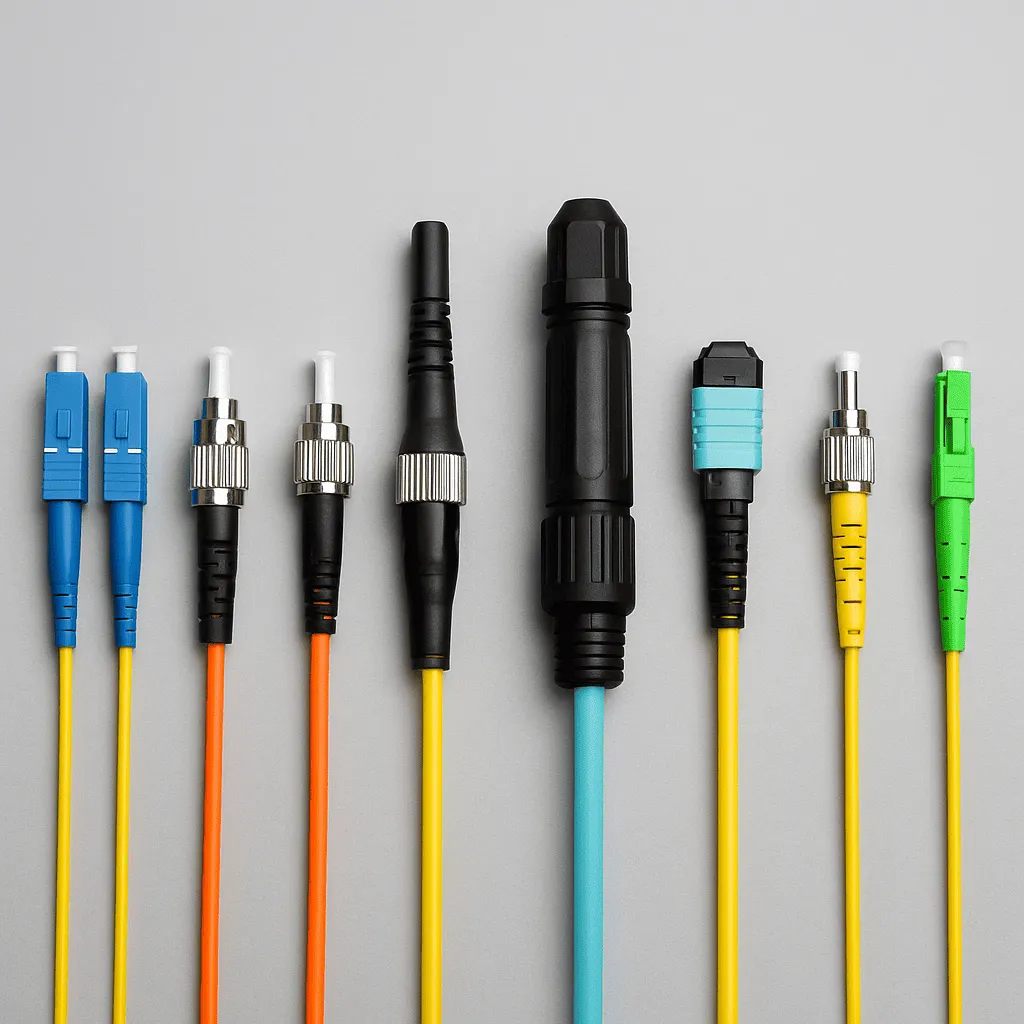
Connector fit matrix
|---|---|---|
| Radio RRH outdoor | OptiTap / ODVA / FullAXS / NSN | IP67-class, keyed shells |
| Small cell street furniture | PDLC / OptiTap | Compact heads, UV jacket |
| Hub/cabinet backbone | MTP/MPO trunks | 12/24/48F, pull eyes |
| Panel breakouts | MTP-LC/CS cassettes | Polarity A/B/C |
| In-rack jumpers | LC/UPC or LC/APC per design | Armored optional |
Polarity and pinning quick view
| Link Type | Polarity | Pinning | Comment |
|---|---|---|---|
| MTP 12F trunk + cassette | A or C | Trunks pinned, cassettes unpinned | Common for 10/40G |
| Direct MTP-MTP | B | Match device map | Check vendor map |
| LC/APC radio jumpers | A-to-A | N/A | Keep APC where specified |
Environmental rating hints
| Exposure | Jacket | Shell | Note |
|---|---|---|---|
| UV + rain | PE or PU OSP | IP67 hardened | Add strain relief |
| Vibration | Armored or ruggedized | Locking ring | Check bend radius |
| Tight bends | Tight buffer / mini OD | Low-profile shell | Verify minimum bend |
What Should Procurement Verify Before Ordering Pre-Terminated Kits?
Speed at site depends on clarity before PO. I lock specs early, align on polarity and lengths, and set labels to match drawings. I also freeze test formats and packing rules. When buyers and engineers share this checklist, the kit lands ready to install, not rework.
Confirm fiber type, counts, lengths, jacket, connector shells, polarity, pinning, pull eyes, and label schema. Require serialized test reports and packing maps. Align delivery batches, lead time, and Incoterms. This removes guesswork at site and prevents returns, truck rolls, and missed windows.

Procurement checklist (copy/paste)
| Item | Spec to confirm | Doc required | Lead-time guide | Incoterm |
|---|---|---|---|---|
| Fiber | OS2/OM4; count | Test sheet | 2–4 weeks | EXW/CIF |
| Lengths | Trunk & drops | Route map | ||
| Connectors | MPO pinning; LC/APC or LC/UPC; hardened type | BOM | ||
| Polarity | A/B/C | Schematic | ||
| Jackets | OSP PE, LSZH, armored | Material list | ||
| Pulling | Eyes/grips | Install note | ||
| Labels | Port map, serials, QR | Label sample | ||
| Packing | Reel/box, lot split | Packing map | ||
| QA | IL/RL, IEC endface | Test reports |
Documentation set to request
| File | Purpose |
|---|---|
| Serial test report (CSV/PDF) | Acceptance proof per leg |
| Route & label map (DWG/PDF) | Fast port matching |
| Datasheets (cable, shell) | Compliance & warranty |
| CoC/CE/RoHS/ISO | Tender and audit needs |
Conclusion
The fastest 5G builds move delicate work off the street and into the factory. Pre-terminated trunks, hardened drops, and labeled breakouts let crews mount, clean, mate, and verify with confidence. That cuts hours per site, reduces rework, and scales across regions and teams. In my projects, this shift changed deadlines from hopeful to reliable. If your rollout depends on speed, repeatability, and clean documentation, pre-terminated is the most direct path to hit targets and keep growing.