Are Pre-Terminated Fiber Solutions Essential for High-Demand Networks?

Bandwidth keeps growing. Slow builds and flaky links cost money and trust. Field termination adds risk you cannot control. I move termination into the factory and ship tested kits. Then crews plug, verify, and hand over—fast.
Yes. Pre-terminated fiber is essential when you need speed, repeatability, and a lower total cost. Factory-built and tested assemblies cut on-site work, reduce errors, and deliver predictable IL/RL. That makes them a fit for data centers, metro backbones, and campus networks that must scale without downtime.
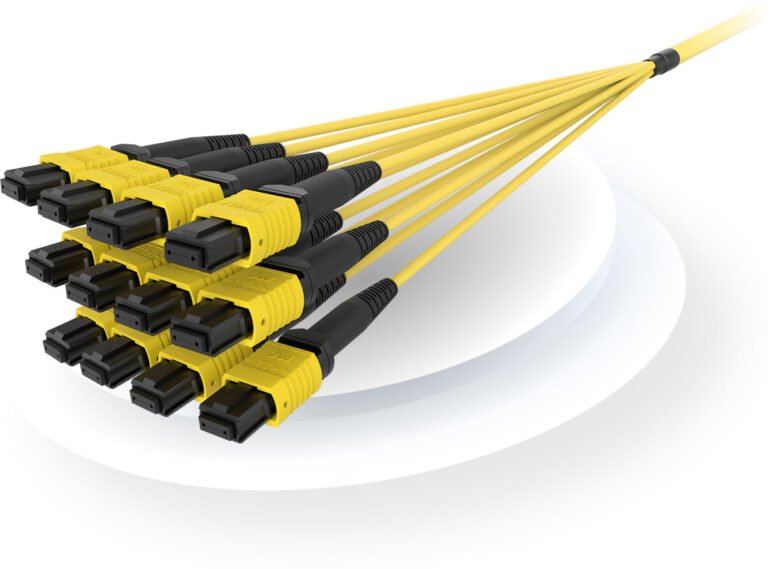
On a Mexico metro upgrade, the team was weeks behind. Field termination dragged every night shift. We switched to pre-terminated MPO trunks and labeled harnesses. Site work fell to routing, cleaning, mating, and validating. The crew finished the physical build early and the operator met the launch window.
What Exactly Are Pre-Terminated Fiber Solutions, and How Do They Work?
The idea is simple. We move delicate connector work from a windy site to a clean factory. Each leg is terminated, inspected, and tested before shipping. Parts arrive labeled to your route map. At the node, the team follows a short script instead of building links from scratch.
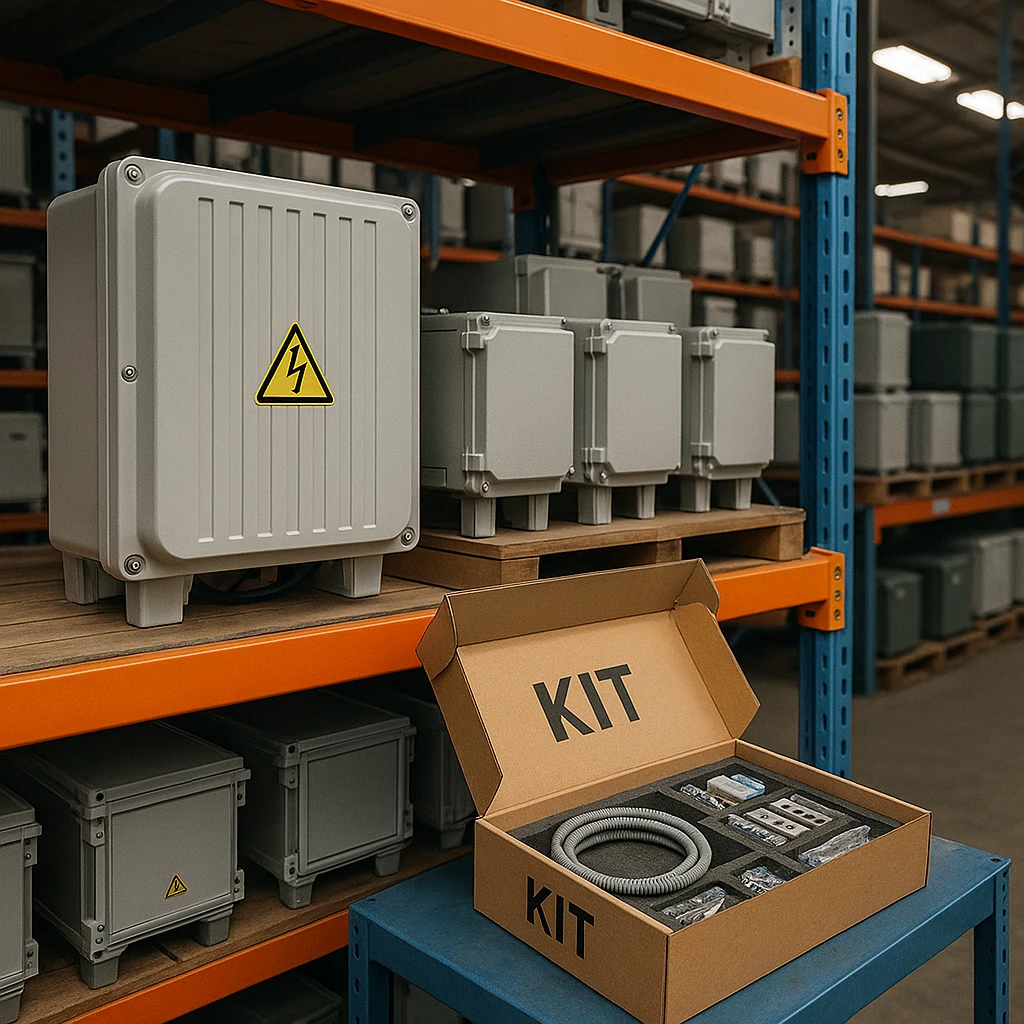
A pre-terminated solution is a plug-and-play cable assembly. Connectors are installed and polished in the factory and then 100% tested. On site, you plug in, verify IL/RL, and go live. You avoid most splicing and all field polishing, which saves time and removes variance.
Helpful background: Corning’s overview of pre-terminated “Ready, steady, go” • Decision guide: Field-terminated vs. pre-terminated
Factory vs. field (quick comparison)
| Feature | Pre-terminated (Factory) | Traditional (Field) |
|---|---|---|
| Environment | Clean, controlled | Unpredictable job site |
| Termination quality | Machine-polished, consistent | Varies by tech & weather |
| Testing | 100% before shipment | After install on site |
| Installation time | Up to 80% faster | Slow, labor-intensive |
| Skill level | General technician | Certified splicer |
| Tooling | Cleaners & scope | Splicer, cleaver, heaters |
What comes in the kit?
| Component | Purpose | Typical Options | Notes |
|---|---|---|---|
| Trunk cable | Hub ↔ terminal backbone | OS2/OM4; 8F/12F/24F; MTP/MPO | Pulling eye optional |
| Cassette/panel | Breakout & organize | MTP-LC/CS; HD 1U/2U/4U | Polarity A/B/C |
| Hardened drop | Last meter to RRU/small cell | OptiTap/ FullAXS/ ODVA / NSN / PDLC | IP67-class shells |
| Harness/jumpers | Device patch | LC/UPC or LC/APC; armored | Pre-labels for ports |
| QA pack | Acceptance & trace | IL/RL sheet; label map | Barcodes/QR codes |
Inside AIMIFIBER: how we keep kits consistent — Standardizing pre-terminated fiber assemblies
QA targets that keep links stable
| Metric | Typical Target | Why it matters |
|---|---|---|
| Insertion loss (LC) | ≤0.35 dB | Power budget margin |
| Insertion loss (MPO) | ≤0.35 dB (≤0.20 dB low-loss) | Parallel lanes headroom |
| Return loss (LC/UPC) | ≥50 dB | Fewer reflections |
| Return loss (LC/APC) | ≥60 dB | RFoG/FTTx margin |
| End-face | IEC 61300-3-35 pass (guide) | Clean mates, less rework |
| Polarity | A/B/C as ordered | Tx→Rx correctness |
Need the math? FOA’s primer on loss budgets
Why Is Stable Connectivity So Critical for Modern Networks?
Every cloud app, stream, and AI job depends on optical links. A single weak leg can slow traffic and trigger retries. As loads grow, the margin shrinks. Stable connectivity is not a nice-to-have; it is the base of your SLA and your revenue.
Modern networks need constant, high-throughput flow. Extra loss or reflections reduce margin and raise errors. Pre-terminated links ship with consistent IL/RL, so data centers, metro rings, and campus networks stay inside budget and avoid costly truck rolls from day one.

High-stakes application cases
| Scenario | Risk if unstable | Why pre-terminated helps |
|---|---|---|
| Data center rows | Outages across many services | Fast acceptance, low variance — AIMIFIBER MPO/MTP cabling |
| Metro/backbone | City-wide impact | Repeatable QA at each POP |
| Campus/enterprise | Lost productivity, security gaps | Clean duplex paths, clear labels — Enterprise & Campus solutions |
- Throughput drops when IL is high — quick checks: How to check a fiber connection.
- Packet errors rise when RL is low or end-faces are dirty (see IEC link above).
- Opex climbs due to rework, retests, and truck rolls — see our uptime playbook: Maximize uptime with pre-terminated fiber.
Where Do Pre-Terminated Links Deliver ROI the Fastest?
ROI appears where time is scarce and errors are costly. I place factory-built links in spots that demand speed and repeatability. Crews close more sites per week. Managers get predictable delivery and cleaner documentation.
Use pre-terminated kits in dense data-center rows, FTTA towers, small cells, and high-volume FTTH drops. They replace long splicing tasks with a short, repeatable script. That cuts labor hours, lowers rework, and protects schedules—your fastest path to positive ROI.

Use-case matrix
| Scenario | Recommended Path | Why it wins |
|---|---|---|
| Data center | MTP trunk → pass-through or cassette | Low loss, quick MACs — MTP cassettes & panels |
| Metro POP | OS2 trunk → panel → labeled jumpers | Consistent acceptance |
| FTTA tower | OSP trunk → terminal → hardened drop | Weather-proof, fast swaps — learn about ODVA/FullAXS/OptiTap |
| Small cell | Mini trunk → sealed drop | Minimal street-side time |
| FTTH | Pre-connectorized drop (SC/APC) | Faster home connects — FTTH drop cables |
TCO quick view (guide values)
| Cost Driver | Field Termination | Pre-Terminated |
|---|---|---|
| Labor hours/site | 10–16 h | 4–8 h |
| Rework rate | Medium–High | Low |
| Tools/consumables | High | Low |
| Truck rolls (30 days) | 2–3 | 0–1 |
| TCO over rollout | Higher | Lower |
How Should Procurement Specify Pre-Terminated Kits to Avoid Rework?
Speed at site depends on clarity before PO. I lock fiber counts, lengths, polarity, and pinning early. I match labels to drawings and freeze test formats. When buyers and engineers align on this checklist, the kit lands ready to install, not rework.
Confirm fiber type, counts, lengths, jacket, connector shells, polarity, pinning, pull eyes, and label schema. Require serialized test reports and packing maps. Align delivery batches, lead time, and Incoterms. This removes guesswork and prevents returns and delays.

Procurement & QA checklist (copy/paste)
| Item | Spec to confirm | Doc required | Lead time | Incoterm |
|---|---|---|---|---|
| Fiber & counts | OS2/OM4; 8F/12F/24F | Serial IL/RL sheets | 2–4 wks | EXW/CIF |
| Lengths | Trunks & drops | Route/label map | ||
| Connectors | MPO pinning; LC/APC or LC/UPC; hardened type | BOM + drawings | ||
| Polarity | A/B/C | Schematic | ||
| Jackets | OSP PE / LSZH / armored | Material list | ||
| Pulling | Eyes/grips | Install note | ||
| Labels | Port map, QR | Label sample | ||
| Packing | Reel/box, lot split | Packing map |
Acceptance tests to request
| Test | Pass Criteria | Tool |
|---|---|---|
| End-face | IEC 61300-3-35 pass | Scope |
| IL/RL per leg | Within stated budget | OLTS/OTDR |
| Polarity verify | Tx→Rx correct | Visual tracer |
Need help with specs or drawings? Email me: sophie@aimifiber.com • Explore more solutions on our site: AIMIFIBER.com
Conclusion
Pre-terminated fiber turns fragile field work into a clean factory process. I ship tested trunks, sealed drops, and labeled breakouts that crews can install fast and repeat. You gain time, predictable IL/RL, and lower TCO—across data centers, metro rings, and campuses. If you must scale without outages, this is the most direct way to meet deadlines and protect margins.