Comparing FTTH Drop Cable Types: Armored, Dielectric & Bend-Insensitive

I once managed a suburban FTTH rollout where we tested three cable types side by side—spiral-armored, dielectric, and bend-insensitive. Each had strengths and trade-offs. By the end, I understood how to match cable type to environment and application. Here’s what I learned.
1. Dielectric (Non-Metallic) Drop Cable
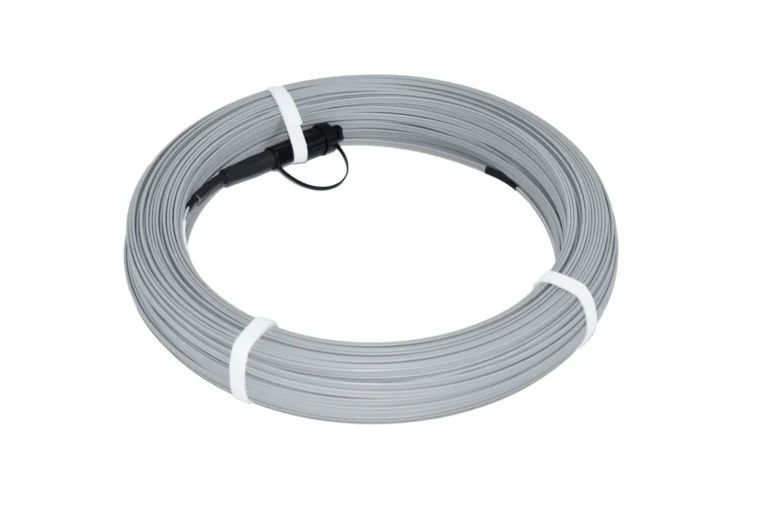
Dielectric drop cables have no metal armor. Instead, they use aramid yarn or FRP (fiber-reinforced plastic) for strength. They are ideal for direct burial in ducts and safe for aerial spans when paired with messenger wire.
| Feature | Specification |
|---|---|
| Strength Member | Aramid yarn or FRP |
| Weight per Meter | ~0.06 kg |
| Tensile Rating | 100–200 N |
| Crush Resistance | 500 N/10 cm |
| Water-blocking | Dry-block powders or tapes |
| UV Resistance | Usually requires UV-stable jacket |
Use Cases:
- In-duct burial in residential areas
- Indoor risers where code prohibits metal
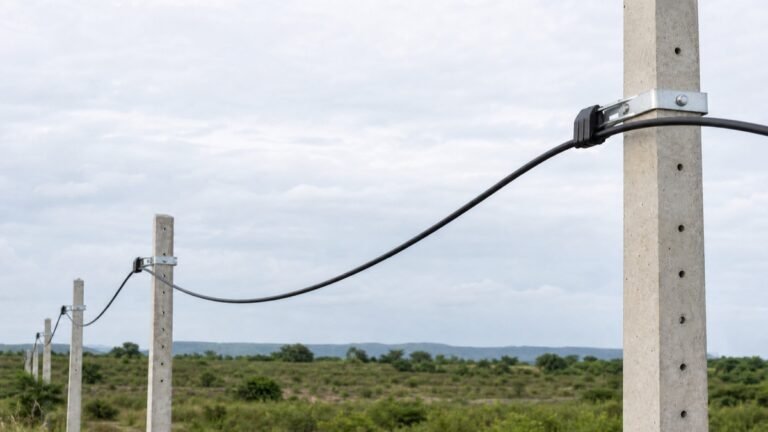
- Aerial drops with separate messenger wire
Tip: Dielectric cables avoid grounding issues and are UL-rated for indoor plenum and riser use when LSZH jackets are used.
2. Spiral-Armored FTTH Drop Cable
Armored drop cables add stainless-steel spiral armor over the jacket. This armor boosts mechanical protection against crush and rodents while remaining flexible.
| Feature | Specification |
|---|---|
| Armor Style | Stainless-steel spiral wrap |
| Armor Thickness | 0.3–0.6 mm |
| Weight per Meter | ~0.12 kg |
| Tensile Rating | 300–500 N |
| Crush Resistance | 1 000–2 000 N/10 cm |
| Rodent Protection | Excellent |
Use Cases:
- Direct burial in rocky or rodent-prone terrain
- Exposed aerial spans without messenger
- Harsh industrial sites
Tip: Spiral armor simplifies aerial installs—no separate messenger wire needed.
3. Bend-Insensitive (G.657.A2) Drop Cable
Bend-insensitive cables use specialty fiber optimized for tight bends and small conduit. They share similar jackets with dielectric types but excel in space-constrained indoor settings.
| Feature | Specification |
|---|---|
| Fiber Type | G.657.A2 single-mode |
| Min. Bend Radius | 7.5 mm (under load) |
| Attenuation @1310 nm | ≤ 0.35 dB/km |
| Tensile Rating | 100–200 N |
| Jacket Options | LSZH, PVC, PE |
Use Cases:
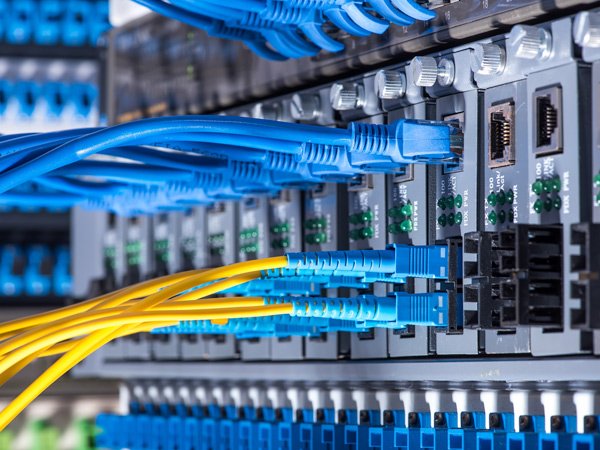
- Indoor drop to ONT behind furniture
- Microduct or micro-trench installations
- Tight-bend vertical risers
Tip: Bend-insensitive fiber prevents macro-bend loss when pulling around sharp corners.
4. Feature Comparison Table
| Feature | Dielectric Cable | Armored Cable | Bend-Insensitive Cable |
|---|---|---|---|
| Armor | None | Spiral steel | None |
| Flexibility | High | Moderate | High |
| Tensile Strength | 100–200 N | 300–500 N | 100–200 N |
| Crush Resistance | 500 N/10 cm | 1 000–2 000 N/10 cm | 500 N/10 cm |
| Rodent Protection | Low | Excellent | Low |
| Min. Bend Radius | 15 mm | 15 mm | 7.5 mm |
| Weight per Meter | ~0.06 kg | ~0.12 kg | ~0.06 kg |
| UV Resistance | Jacket-dependent | Yes | Jacket-dependent |
| Water-blocking | Yes | Yes | Yes |
5. How to Pick the Right Type for Your Project

Assess Environment
- Rocky soil or rodent risk → Armored
- Clean ducts or building risers → Dielectric
- Tight indoor spaces → Bend-Insensitive
Check Mechanical Loads
- Heavy tension or crush risk → choose higher tensile/crush rating.
Review Code & Certifications
- Indoor LSZH → UL 1666 (US), CPR E-Eca (EU)
- Outdoor PE → CPR DCA/DCB (EU), ANATEL (BR), RCM (AU)
Plan Installation Method
- Aerial without messenger → Armored
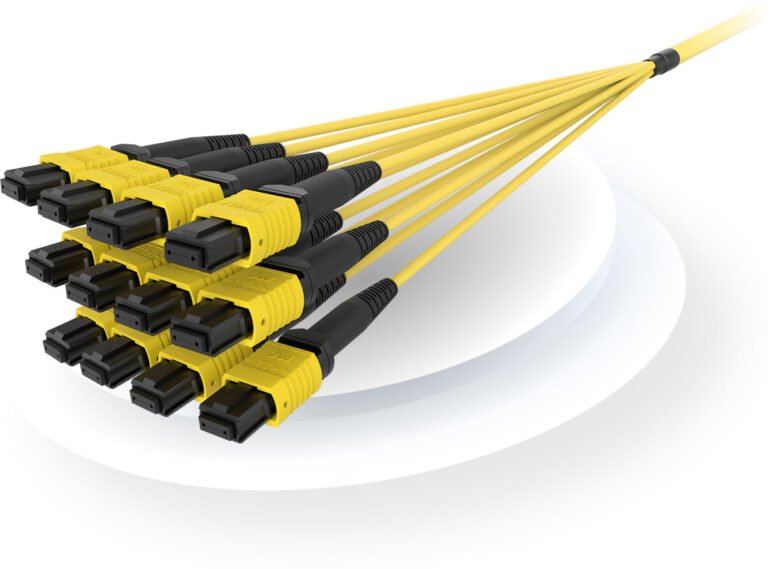
- Pre-terminated multi-dwelling drops → Dielectric or Bend-Insensitive
Budget & Availability
- Dielectric cable is lowest cost.
- Armored costs 20–30% more.
- Bend-insensitive fiber adds ~10% premium.
6. FAQ
Q1: Can I use dielectric cable outdoors?
A1: Only in ducts or conduits with water-blocking and UV-stable jackets. No direct burial unless specified.
Q2: Is spiral armor compatible with pre-terminated assemblies?
A2: Yes. Manufacturers offer factory-terminated armored drop cables with reinforced closures.
Q3: Do I need bend-insensitive fiber for all indoor runs?
A3: Use it in tight spaces. Standard fibers work in large conduit or trunking.
Q4: Which cable type offers the best rodent protection?
A4: Spiral-armored cables. Dielectric cables offer minimal bite resistance.
Conclusion
Understanding the differences among dielectric, spiral-armored, and bend-insensitive FTTH drop cables helps you design reliable networks for any scenario. Match environment, mechanical needs, and code requirements to the right cable type. For custom lengths, OEM/ODM services, and factory-terminated assemblies, contact me, Sophie Wang at AIMIFIBER. Let’s deliver fiber that lasts.