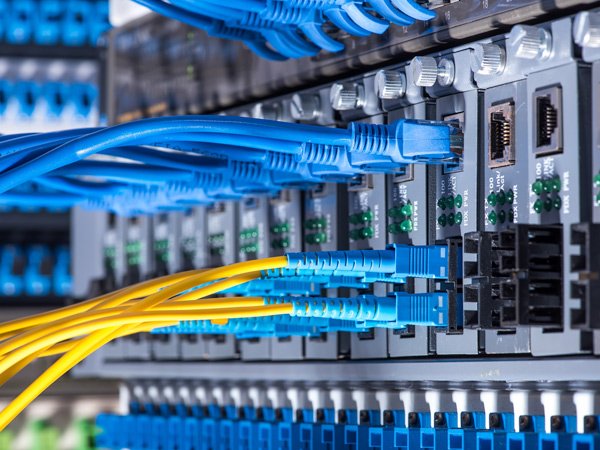
FTTH matters today.
Integrating FTTH into Modern Fiber Architectures: A Cornerstone for Connectivity

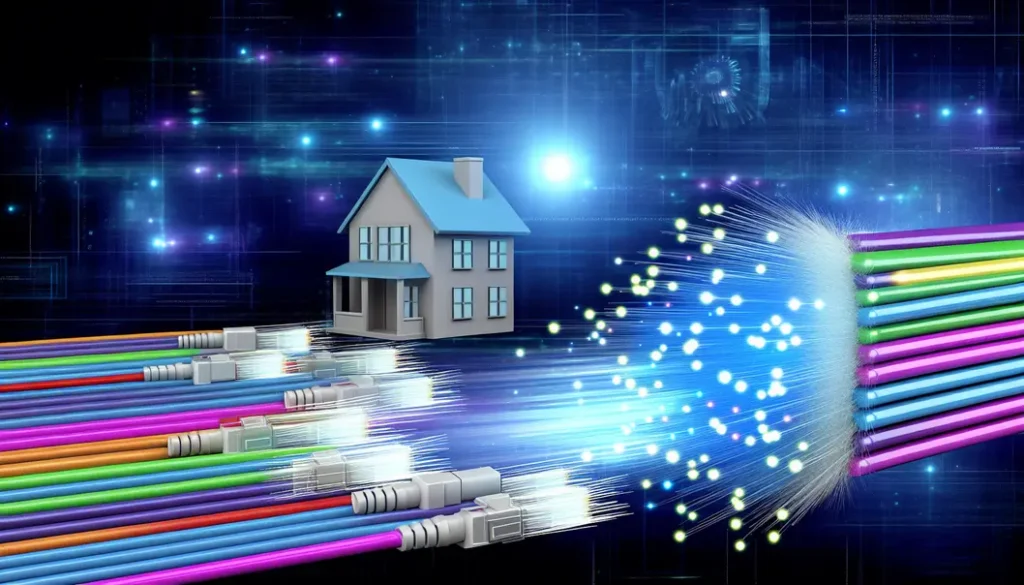
In the realm of modern connectivity, Fiber to the Home (FTTH) has emerged as a critical component in shaping robust fiber network architectures. At its core, FTTH refers to the delivery of communication signals via optical fiber cables directly to residences, promising unparalleled internet speeds and bandwidth. This approach marks a seismic shift from traditional methods by eliminating the bottleneck often imposed by copper wires, allowing for a seamless, high-capacity infrastructure.
FTTH forms the backbone of modern fiber architectures, not just by enhancing data transmission speeds, but also by supporting the escalating demand for data-intensive applications, including streaming, telework, cloud computing, and IoT devices. By facilitating a direct fiber pathway to end-users, FTTH diminishes latency, elevates user experience, and prepares networks to effortlessly handle future technological advancements.
The integration of FTTH into existing and new fiber networks is not only about speed and capacity; it is about creating sustainable and scalable infrastructures. As global internet consumption patterns change, FTTH allows service providers to efficiently expand their networks without significant overhauls. This advantage is crucial in densely populated urban setups where space and logistics limit traditional network expansions.
For network developers, adopting FTTH also translates to innovative design flexibility. By leveraging the modular nature of fiber networks, developers can tailor solutions to various environments, accommodating both the infrastructure demands of metropolitan areas and the need for rapid deployment in rural regions. This dynamic adaptability is at the heart of what makes FTTH central in modern fiber architectures, driving broad accessibility and resilience.
Moreover, FTTH networks are poised to play a pivotal role in the shift towards more environmentally friendly technologies, as they typically consume less energy per transmitted unit of data compared to traditional systems. As sustainability becomes a fundamental industry goal, FTTH stands out as a forward-looking solution.
For those keen to explore market trends and growth opportunities in FTTH deployment, consider examining where FTTH drop cable markets are expanding most rapidly. Embracing FTTH is not merely a strategic choice but a necessary evolution in the visual and practical landscape of global fiber networks.
FTTH Networks: Unleashing Performance and Capability for the Future

Fiber to the Home (FTTH) networks have emerged as the pinnacle of modern connectivity, fundamentally reshaping how we experience the internet. The potential of FTTH lies in its remarkable performance and capabilities, setting it apart from traditional networking solutions. FTTH uses optical fiber cables directly to the customer's premises, offering unprecedented speed and reliability that are central to accommodating modern demands for high-bandwidth applications.
One of the most significant advantages of FTTH is its ability to deliver symmetrical upload and download speeds that can exceed 1 Gbps. This is particularly beneficial in a world increasingly driven by cloud computing, video conferencing, and streaming services. The low latency, a hallmark of FTTH infrastructure, ensures smooth, real-time operation, crucial for applications like online gaming and augmented reality, where even slight delays can diminish the user experience.
Furthermore, FTTH networks are future-proof, capable of supporting upgrades to even higher bandwidths without requiring significant overhauls. This scalability is a key consideration as the Internet of Things (IoT) continues to expand, necessitating robust networks that can manage a burgeoning array of connected devices without bottlenecking.
Beyond speed and scalability, FTTH enhances network reliability. The use of fiber-optic cables, which are less susceptible to electromagnetic interference and adverse weather conditions, ensures stable connections and minimal downtime. This reliability is a cornerstone for users who rely on consistent internet access for critical functions and remote work.
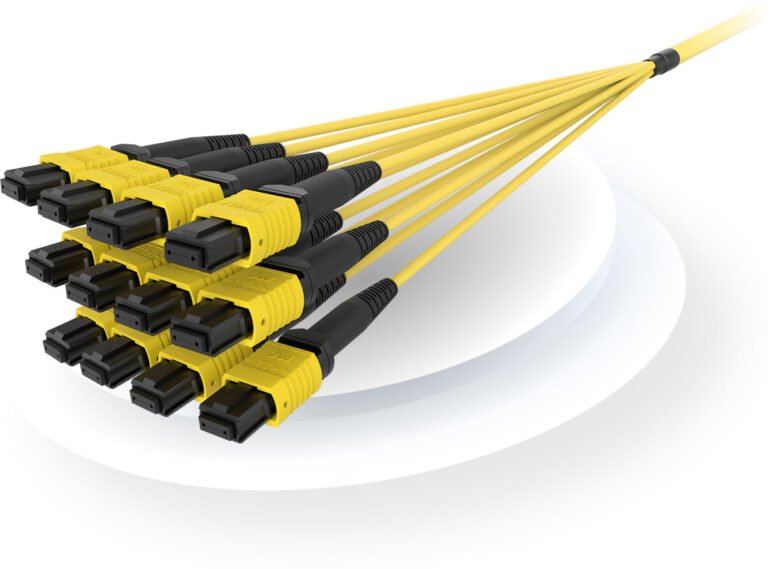
Incorporating FTTH is not just about current technological advancements; it’s about anticipating future demands. As more innovative applications emerge, the need for high-speed, reliable internet becomes more pressing. For a deeper understanding of the nuances involved in choosing the correct components for FTTH networks, consider visiting our guide on FTTH drop cable selection, which provides insights into making informed decisions based on specific network requirements. By embracing these fiber networks today, we are preparing for the technological innovations of tomorrow.
The Economic Impact and Strategic Deployment of FTTH

Fiber to the Home (FTTH) represents not only a technological advancement but also a significant economic shift in how we view connectivity. The deployment and economics of FTTH are crucial, affecting both individual users and broader economic structures.
Deploying FTTH entails high initial costs, primarily due to infrastructure investments like laying fiber cables and upgrading network facilities. However, this investment is balanced by the long-term benefits. Lower maintenance costs, reduced energy consumption compared to traditional copper networks, and the scalability of fiber make it an economically sound investment.
A critical aspect of FTTH deployment is understanding the return on investment, which improves significantly over time as the network's capacity is utilized efficiently. Governments and private sectors often engage in public-private partnerships to fund FTTH projects, as this facilitates faster deployment and shares financial risks. Long-term economic gains, including job creation in the tech and construction sectors and increased GDP contributions from improved broadband, often justify these initial expenditures.
Strategically deploying FTTH involves selecting suitable business models, such as wholesale, retail, or a mixed approach, depending on market demands and regulatory environments. The wholesale model allows multiple service providers to use the same network infrastructure, fostering competition and potentially lowering prices for end users.
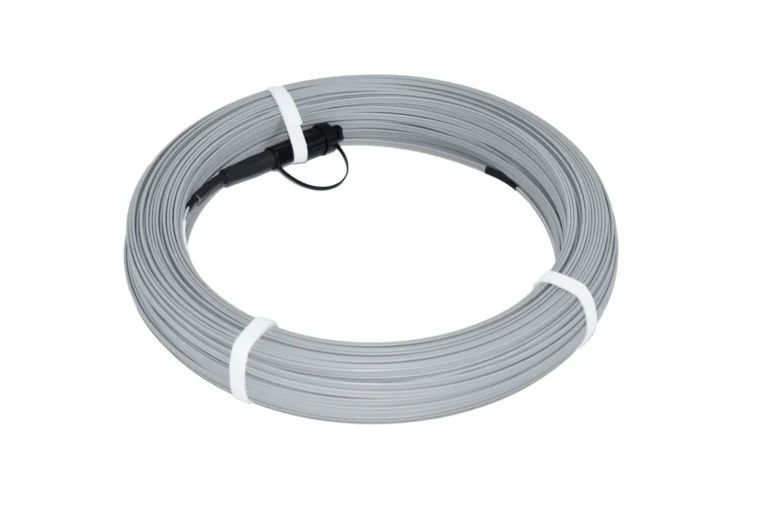
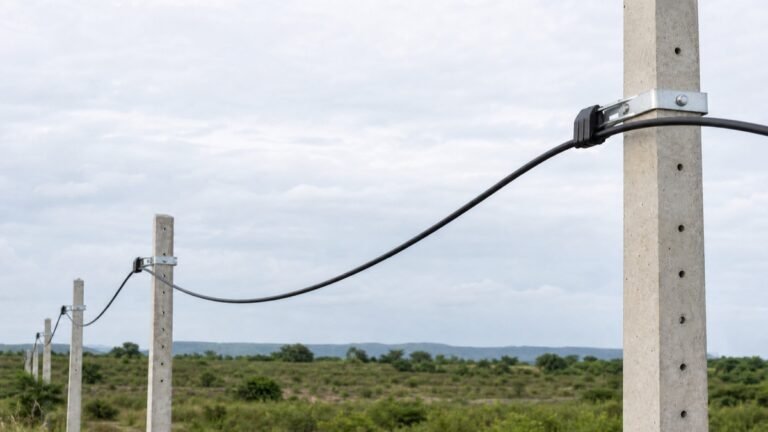
Furthermore, efficient deployment strategies must consider the choice of technology and network architecture. Selecting the right type of fiber and installation method can significantly impact costs and deployment speed. Guides on different FTTH solutions, such as aerial or duct installation, provide valuable insights into optimizing these aspects.
Ultimately, the economics and deployment strategies of FTTH hold transformative potential for modern fiber networks. By ensuring careful planning and collaboration between stakeholders, the promise of FTTH can be fully realized, paving the way for robust, future-ready communication infrastructures.
FTTH: Shaping Society and Navigating Regulations

The evolution of Fiber to the Home (FTTH) technology is not only transforming the technological landscape but also permeating societal norms and regulatory frameworks. As individuals increasingly rely on high-speed internet for communication, education, healthcare, and entertainment, FTTH plays a critical role in enhancing access to these services, ultimately fostering economic growth and social inclusion.
FTTH significantly impacts society by bridging the digital divide—a persistent issue where disparities in internet access exist due to geographical or socio-economic factors. By delivering high-speed internet directly to homes, FTTH ensures equitable internet access, empowering communities with the information and tools necessary for socio-economic development. The ability to access telemedicine, remote education, and various e-services becomes more feasible, improving quality of life across regions.
Government regulations and policies are pivotal in the deployment and implementation of FTTH networks. Regulatory bodies often need to balance encouraging infrastructure investment with protecting consumer interests. Policies supporting competitive pricing, subsidization of network expansion in underserved areas, and promoting fair access to network infrastructure are common. These measures ensure that the benefits of FTTH are widely accessible, fostering market competition while adhering to national and international standards.
Moreover, environmental regulations influence the materials and techniques used in FTTH implementation. As sustainability becomes a priority, the integration of environmentally friendly practices is emphasized in regulatory frameworks. For more insight into sustainable practices linked to FTTH implementations, you can explore our sustainable data center cabling guide.
As FTTH networks continue to expand globally, ongoing adjustments in societal infrastructures and regulatory frameworks are anticipated. The synergy between technological advances, societal needs, and regulatory oversight will be crucial in maximizing the benefits of FTTH, ensuring that it remains a cornerstone of modern fiber networks.
Final thoughts
FTTH enables future connectivity.
Contact AIMIFIBER for FTTH project support and customized fiber optic solutions.
Learn more: https://aimifiber.com/contact/
About us
AIMIFIBER provides pre-terminated fiber optic solutions, FTTH drop cables, FTTA products, and customized fiber assemblies for telecom and data center projects.