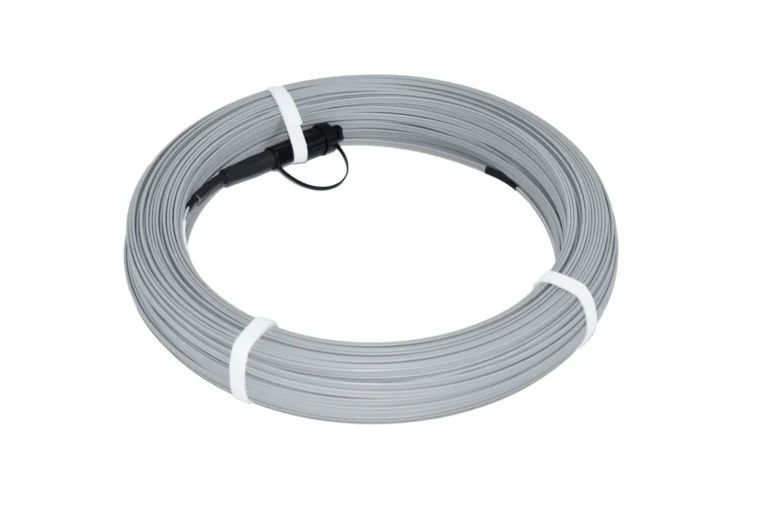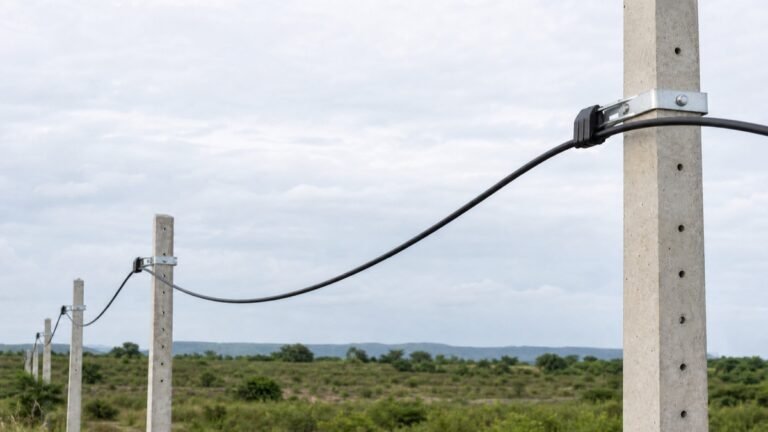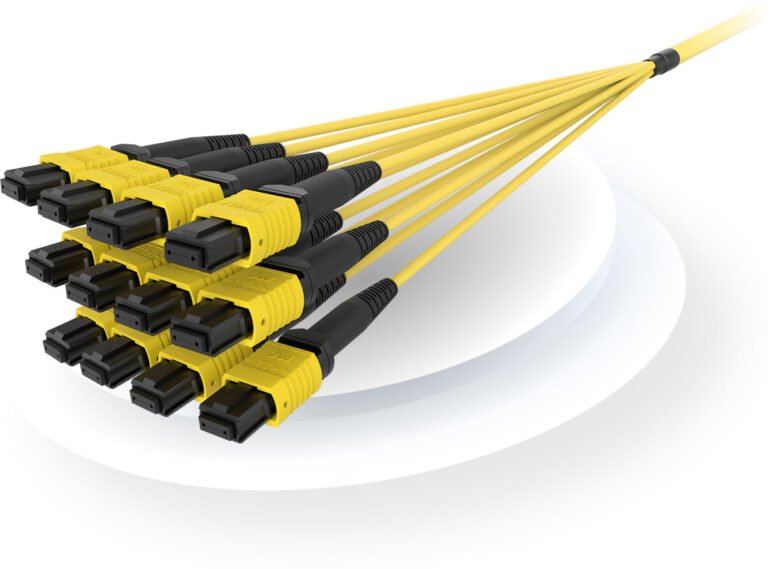
Can pre-terminated fiber assemblies really speed deployments and cut failures vs on-site termination?
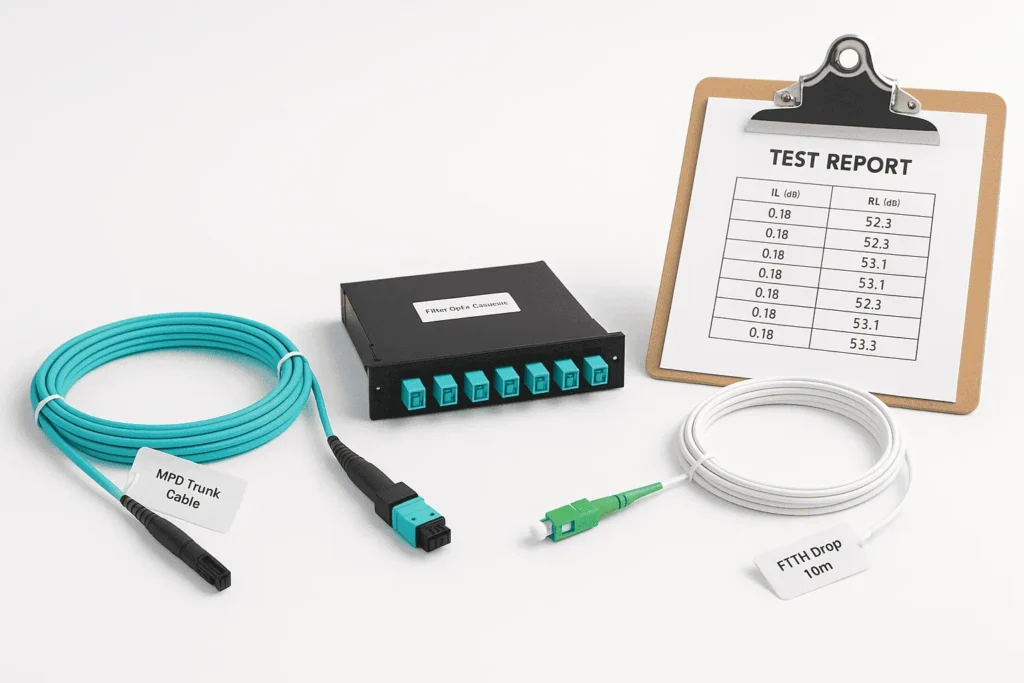
Projects slip when field splicing drags. Dust, rain, and late-night shifts turn small mistakes into big rework. Pre-terminated fiber changes the game with factory-built, certified links you simply route and plug.
Yes. Pre-terminated fiber assemblies arrive cut-to-length with machine-polished connectors and 100% IL/RL reports. They remove splicing/polishing onsite, so crews focus on pulling, labeling, and validation. On like-for-like scopes, teams commonly save 30–50% install time and avoid most workmanship faults that trigger downtime and callbacks.
A panicked ISP PM once called me mid-FTTH rollout—bad weather and splice redo’s had blown the schedule. We switched his risers and drops to pre-terminated kits; crews just matched labels and plugged. In Spain, Fernando wins tenders with predictable performance. In the US, Bayan finished a weekend cutover in hours.
What exactly are pre-terminated fiber solutions—and how does plug-and-play work?
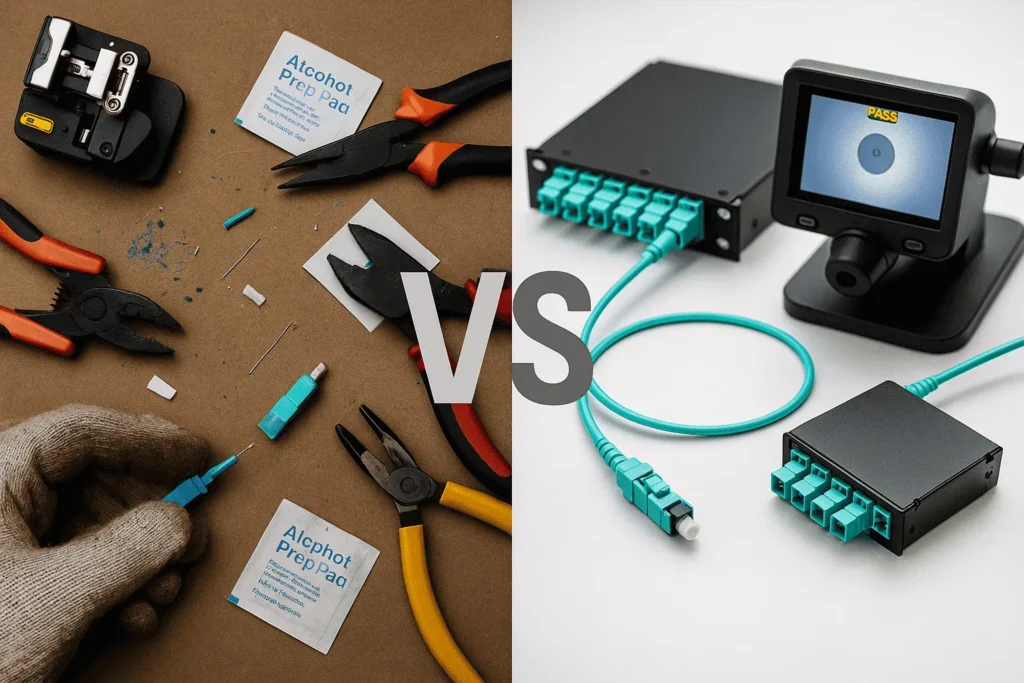
When you field-terminate, your team becomes a mini-factory in a dusty corridor. With pre-terminated builds, we move that fragile work to our cleanroom, then ship trunks, cassettes, harnesses, or drops with documents and labels that mirror your rack plan or MDU map.
Pre-terminated solutions are factory-made cables and modules—MPO/MTP trunks, MPO-LC/CS cassettes, fan-outs, and FTTH drops—delivered to spec, tested, labeled, and ready to plug. The result is faster installation, stable loss budgets, and cleaner handover packs with certified IL/RL.
Common build types (with use cases)
- MPO/MTP trunks & cassettes for high-density racks and leaf-spine backbones.
- MPO→LC/CS harnesses to land multi-fiber ports on standard optics.
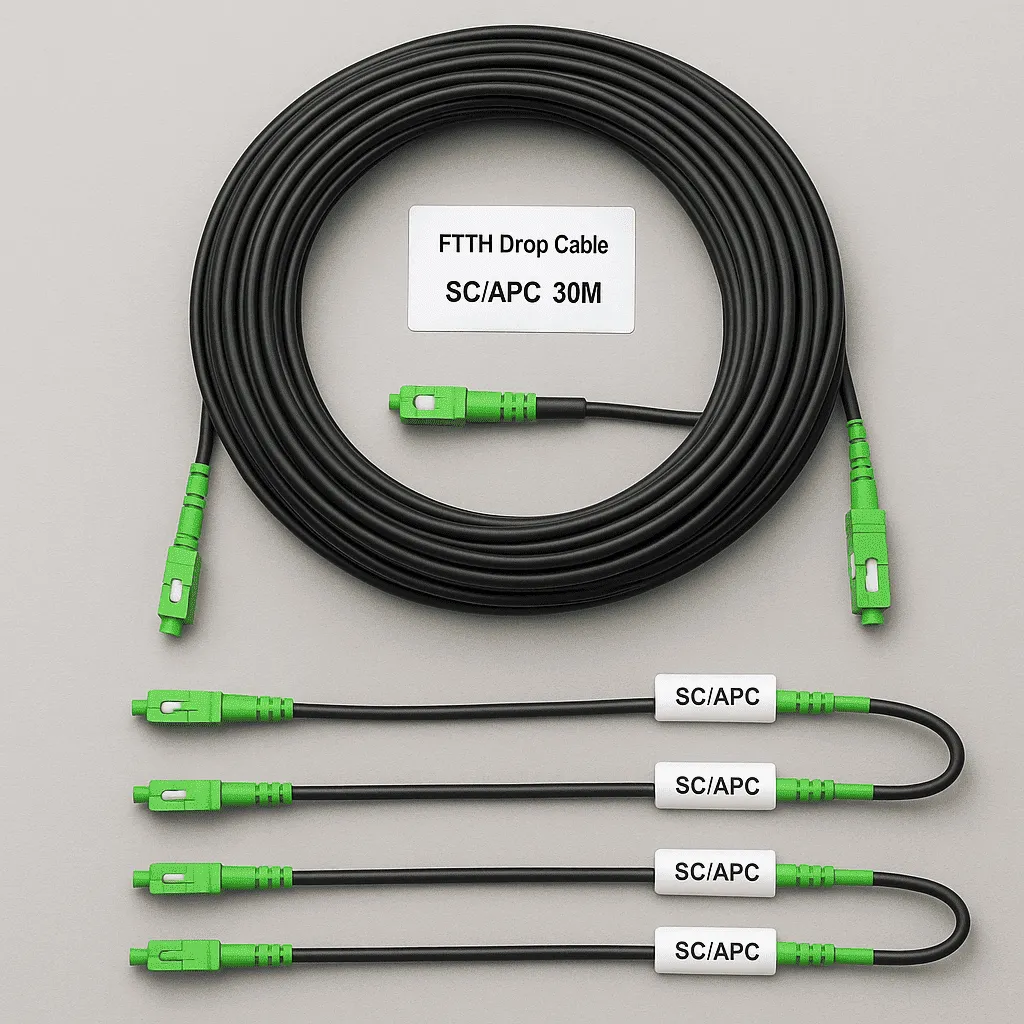
- Pre-terminated FTTH drops (SC/APC) for curb-to-ONT and MDU risers.
- Ruggedized jumpers (OptiTap®/FullAXS/NSN) for FTTA and outdoor cabinets.
Internal primers: Pre-terminated fiber optic solutions, How plug-and-play simplifies upgrades.
External overview: Ascent Optics: 5 benefits of pre-terminated fiber, trueCABLE: why pre-term is faster & cleaner.
Spec comparison (typical values)
| Parameter | MPO/MTP Trunk | MPO→LC Harness | FTTH Drop (SC/APC) | Typical Range / Notes |
|---|---|---|---|---|
| Fiber type | OS2 / OM3-OM5 | OS2 / OM3-OM5 | G.657.A1/A2 | Per design |
| Insertion loss (dB) | ≤0.35 | ≤0.30 | ≤0.30 | Connector grade drives range |
| Return loss (dB) | ≥30 (MM) / ≥50 (SM) | ≥30 / ≥55 | ≥60 (APC) | Typical |
| Jacket | LSZH/OFNP/PE | LSZH/OFNP | PE/LSZH | Environment-based |
| Docs | 100% IL/RL report | 100% IL/RL report | 100% IL/RL report | Handover pack |
Why is traditional on-site termination slow, costly, and risky?
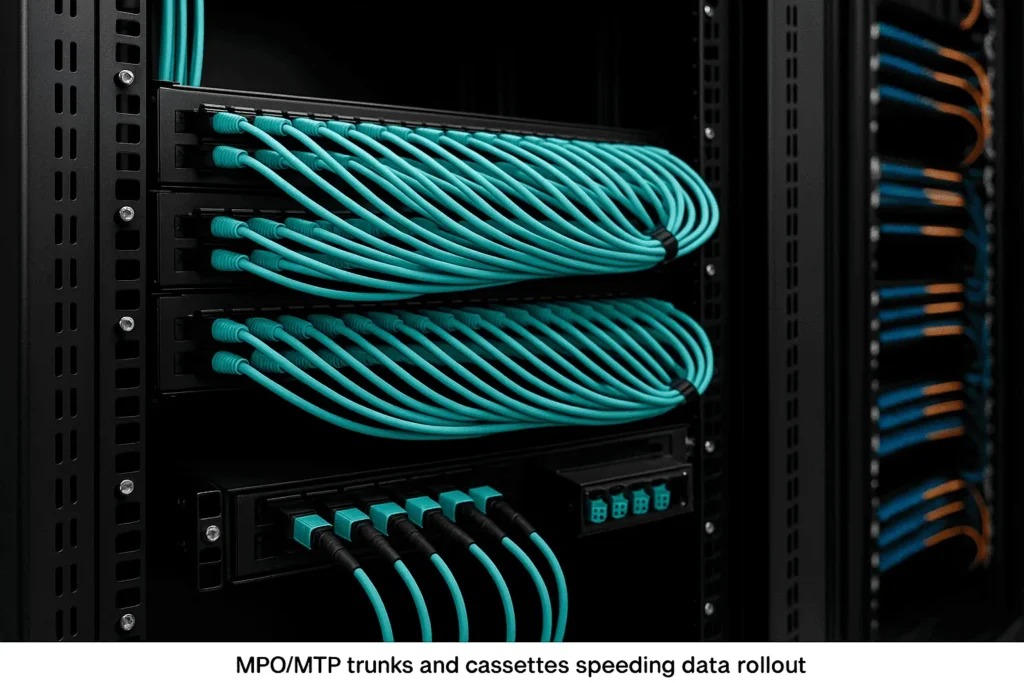
Field termination has flexibility, but variability kills schedules. Cleave, epoxy, polish, inspect, test—every step depends on skill, tools, and a clean table you rarely get outdoors or in construction dust. I once watched a Brazil crew spend a day re-doing splices from humidity alone.
On-site termination is a manual, multi-step process that needs certified techs, expensive splicers/cleavers, and clean conditions. It’s slower, costlier, and more error-prone—leading to inconsistent IL/RL, intermittent faults, and long troubleshooting loops after “go-live.”
DIY pain points (at a glance)
| Drawback | Description |
|---|---|
| High labor demand | Certified splicers; overtime during cutovers |
| Tool dependency | Fusion splicer, cleaver, scope, consumables |
| Time per end | 10–20 minutes; multiplies with fiber counts |
| Environmental risk | Dust/humidity/temperature swings ruin ends |
| Inconsistent quality | Human variability → rework and callbacks |
Balanced comparison for stakeholders: Windy City Wire: field-terminated vs pre-terminated.
Deep-dive side-by-side: GCabling: complete comparison.
Field vs factory (what changes)
| Factor | Field Termination | Pre-terminated (Factory) |
|---|---|---|
| Environment | Variable, dusty | Cleanroom, sealed |
| Connector quality | Tech-dependent | Machine-polished, uniform |
| Testing | Sampled | 100% IL/RL with trace |
| Time per link | 5–20 min + setup | Seconds (plug) |
| Documentation | Ad-hoc | Standardized reports/labels |
Install checklist (if you must splice)
| Step | Tool | Pass/Fail Criteria | Pitfalls |
|---|---|---|---|
| Cleave | High-grade cleaver | 90° end face | Dull blades |
| Polish | Film/puck | No scratches/pits | Over/under polish |
| Inspect | 200–400× scope | IEC pass | “Clean but not inspected” |
| Test | OLTS/OTDR | Budget within spec | No records kept |
How do splice points threaten stability—and how do we avoid them?
Every splice is a potential weak link: alignment tolerance, seal quality, and mechanical stress all matter. In humid regions of LatAm or Africa, marginal closures slowly ingest moisture, and a clean trace today becomes a ticket tomorrow.
Splice points add loss, reflection, and mechanical risk. Misalignment, poor sealing, and vibration concentrate failures at the splice, degrading SNR and uptime. Fewer splices mean fewer tickets—pre-terminated links remove many of these weak points from the design.
Failure mechanisms at splice points
| Mechanism | What happens | Result |
|---|---|---|
| Core misalignment | Off-axis fusion | Higher IL / worse RL |
| Moisture ingress | Seal fails; capillary action | Corrosion, micro-cracks |
| Thermal cycling | Material expansion mismatch | Long-term drift, breaks |
| Vibration/tension | Stress concentration | Fracture at splice sleeve |
Loss-budget best practices: FTTH testing & budgets.
Ready-to-use builds: Pre-terminated FTTH drop assembly guide.
External: NPI Connect: pre-terminated assemblies explained.
Quick loss-budget aide (example)
| Link Element | Qty | IL each (dB) | Total (dB) |
|---|---|---|---|
| Connector pair (LC) | 2 | 0.20 | 0.40 |
| MPO interface | 1 | 0.35 | 0.35 |
| Splice | 0 | 0.10 | 0.00 |
| Fiber (500 m @ 0.35 dB/km SM) | — | — | 0.18 |
| Total | — | — | 0.93 dB |
Procurement checklist to minimize risk
| Item | Spec to confirm | Doc required | Lead time | Incoterm |
|---|---|---|---|---|
| MPO trunks | Fiber count/polarity | IL/RL report | 2–3 wks | EXW/CIF |
| Cassettes | MPO→LC/CS map | Label map | 1–2 wks | EXW/CIF |
| FTTH drops | Length sets, SC/APC | Batch test sheet | 1–2 wks | EXW/CIF |
| Closures | IP rating, gel vs gasket | IP test | Stock | EXW |
Conclusion
Pre-terminated fiber replaces variable field work with controlled, documented builds. That shift shortens installs, stabilizes budgets, and removes many weak points that cause downtime. In my projects, it’s the fastest path to predictable cutovers and cleaner closeouts. If you need a plan or sample kit, reply with lengths, connector types, and site photos—I’ll map trunks, cassettes, and FTTH drops to your layout and include labeled packs and IL/RL reports for a smooth handover.