What Are Pre-terminated Patch Cords (and When Should 5G & IoT Teams Use Them)?

Rollouts stall when crews terminate in the field. Delays stack up. Budgets slip. I move precision work into our lab and ship tested cords cut to length. Then teams plug, verify, and close more sites per week.
Pre-terminated patch cords are the fastest path for 5G and IoT. Factory-installed, polished, and 100% tested connectors deliver low insertion loss and stable return loss. Crews only clean, mate, and verify. That cuts labor, reduces rework, and keeps schedules predictable across clusters.
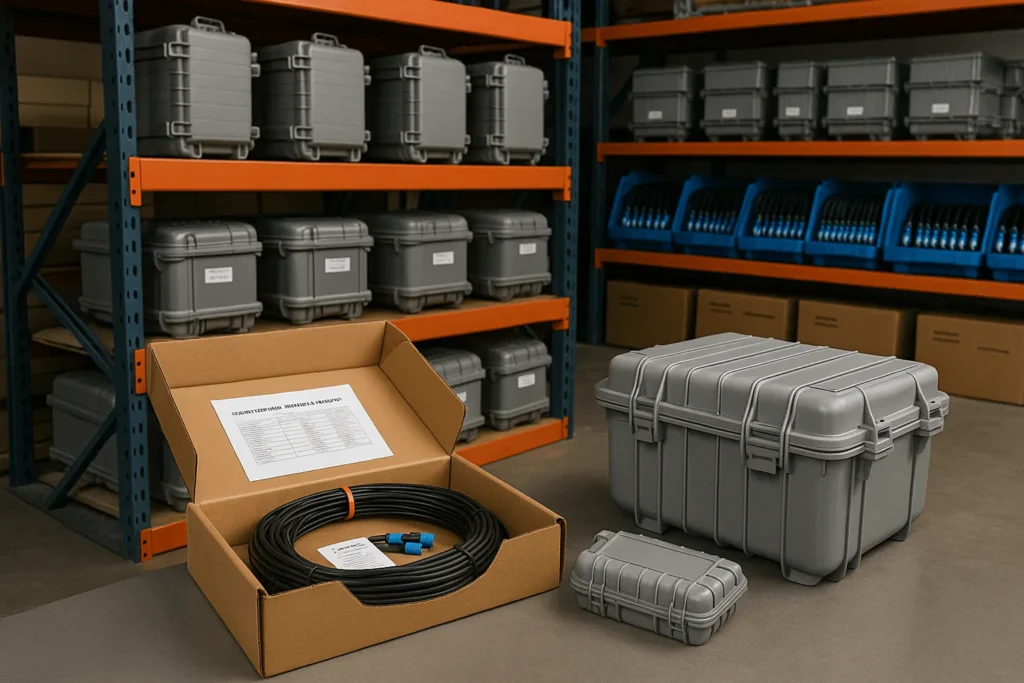
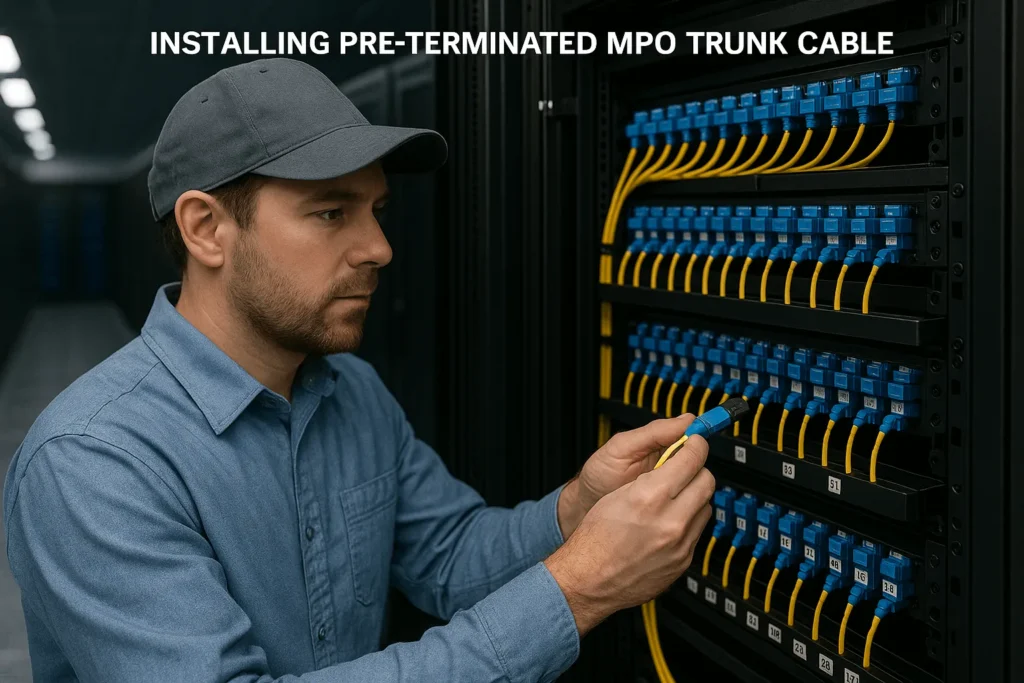
Andy in Spain faced a tight tender window. Field termination looked risky. I sent a kit list with pre-terminated cords, MPO trunks, and labeled jumpers. His crews finished more nodes per shift, and acceptance became routine instead of a fire drill.
What Exactly Are Pre-terminated Patch Cords, and How Are They Different?
The hard work moves off the street and into the factory. We terminate and polish under clean-room controls, verify IL/RL per serial, and label each end to your drawings. On site, the task list stays short and repeatable.
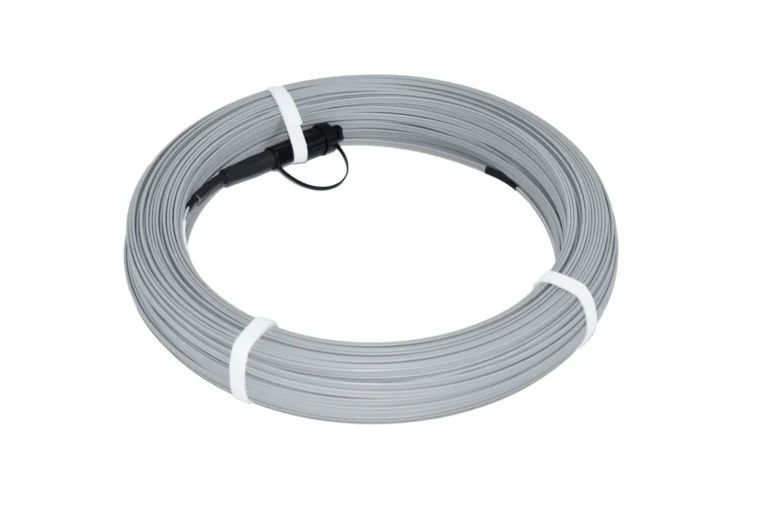
A pre-terminated patch cord is a factory-finished fiber cable with connectors installed, polished, and tested before shipping. You receive exact lengths with documented performance, so crews avoid splicing and field polishing. Turn-up becomes plug-and-play.
Factory-built vs field-built at a glance
| Feature | Pre-terminated Cord | Field-terminated Cord |
|---|---|---|
| Install action | Plug-and-play | Strip, cleave, polish, splice |
| Time on site | Minutes | Hours |
| Skill profile | General installer | Certified splicer |
| IL / RL | Consistent, documented | Variable, environment-dependent |
| Waste | Low | Higher (scraps/consumables) |
Common connector choices (by scenario)
| Scenario | Connector | Notes |
|---|---|---|
| Radio/BBU jumpers | LC/UPC or LC/APC | Duplex; NSN/PDLC boots for FTTA |
| Small cell & FTTH drops | SC/APC or hardened shells | OptiTap / ODVA / FullAXS options |
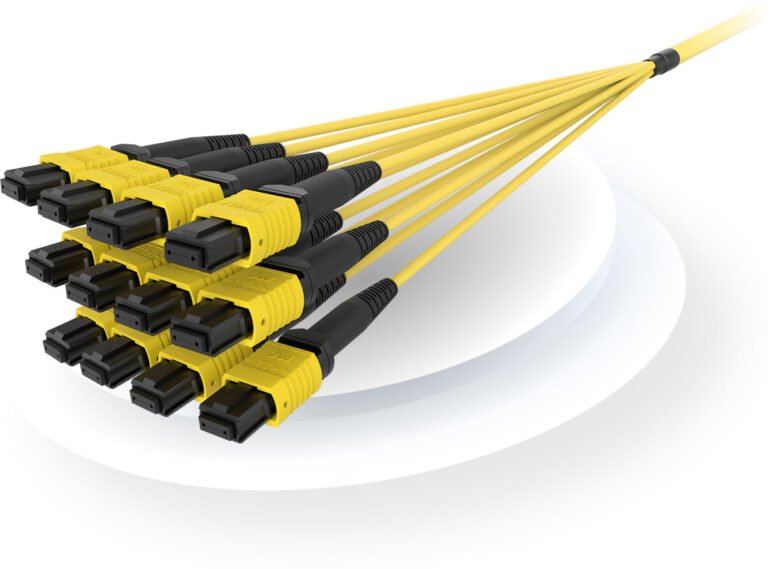
| Data-center aggregation | MPO/MTP (8/12/16/24F) | Low-loss for 100G/400G/800G lanes |
Learn more inside AIMIFIBER: Pre-terminated fiber solutions · FTTH drop assembly guide · MPO/MTP cabling for data centers
Why Are Pre-terminated Cords the Superior Choice for 5G & IoT Sites?
5G radios and dense IoT nodes demand clean optics and quick swaps. Weather, dust, and tight enclosures punish field work. Factory-made cords remove fragile steps and make quality independent of the sidewalk or the tower.
Pre-terminated cords ship with tight geometry and clean end-faces. Typical targets: LC IL ≤0.35 dB; LC/APC RL ≥60 dB; MPO low-loss IL ≤0.20–0.35 dB; SM MPO RL ≥26 dB. That stability supports higher bandwidth, lower latency, and fewer truck rolls.
Typical QA targets (guide values)
| Metric | Single-fiber (LC) | MPO/MTP low-loss | Why it matters |
|---|---|---|---|
| Insertion loss | ≤0.35 dB | ≤0.20–0.35 dB | Power budget margin |
| Return loss | ≥50 dB (UPC) / ≥60 dB (APC) | SM MPO ≥26 dB | Fewer reflections |
| End-face | IEC 61300-3-35 pass | IEC 61300-3-35 pass | Clean, repeatable mates |
External references to standardize QA: IEC 61300-3-35 end-face criteria · OLTS/OTDR best practices by EXFO or Fluke.
How Should Engineers and Buyers Specify Pre-terminated Patch Cords?
Speed at site depends on clarity before PO. I freeze connector styles, fiber type, length map, polarity, pinning, and labels early. I also align batches and Incoterms so receiving and QA never block crews.
Confirm fiber type, length per route, connector style, boot/shell, jacket, polarity, and pinning. Require serialized IL/RL and a packing map that mirrors your drawings. This removes guesswork, avoids rework, and keeps acceptance fast.

Specification matrix (order-ready)
| Connector | Polish | Fiber | Lengths (m) | Jacket | Boots/Shell | IL (typ.) | RL (typ.) |
|---|---|---|---|---|---|---|---|
| LC/UPC | UPC | OS2 / OM4 | 1–100 | LSZH | — | ≤0.35 | ≥50 |
| LC/APC | APC | OS2 | 1–100 | LSZH | NSN | ≤0.35 | ≥60 |
| SC/APC | APC | OS2 | 1–100 | LSZH | — | ≤0.35 | ≥60 |
| MPO 12F | Flat | OS2 / OM4 | 5–100 | LSZH | Pinned/Unpinned | ≤0.35 / ≤0.20 | SM ≥26 |
Procurement & QA checklist (copy/paste)
| Item | Spec to confirm | Doc required | Lead time | Incoterm |
|---|---|---|---|---|
| Fiber & count | OS2/OM4; 1F/2F/8–24F | Serial IL/RL per serial | 2–4 wks | EXW/CIF |
| Lengths | Per site/port map | Label/route map | ||
| Connectors | LC/UPC, LC/APC, SC/APC, MPO | BOM + drawings | ||
| Polarity / pinning | A/B/C; MPO pinned/unpinned | Schematic | ||
| Jackets | LSZH / OSP PE / armored | Materials list | ||
| Boots/Shells | NSN / PDLC / OptiTap / ODVA | Photo sample | ||
| Packing | Reel/box; lot splits | Packing map |
Install steps on site
| Step | Tool | Pass/Fail Criteria | Pitfalls |
|---|---|---|---|
| Clean & inspect | One-click cleaner, scope | IEC 61300-3-35 pass | Skipping inspection |
| Mate & dress | Torque per shell; ties | Bend radius respected | Over-tight ties |
| Verify | OLTS/OTDR | IL/RL within spec | Testing one side only |
| Record | Phone photos + CSV | Labels match map | Missing serial capture |
Implementation guide: Installation best practices · FTTA boots and shells: AIMIFIBER FTTA solution
What Is the Cost Impact Over a Cluster of Sites?
Material can be slightly higher, but labor and rework drop hard. Over a dozen sites, the difference shows up in both time and Opex.
Pre-terminated cords remove splice trucks, shorten engineer hours, and cut retest trips. The result is a shorter payback period and a cleaner acceptance trail for audits and SLAs.

TCO snapshot (12-site guide)
| Driver | Field termination | Pre-terminated cords |
|---|---|---|
| Labor hours/site | 8–14 h | 3–6 h |
| Rework/returns | Medium–High | Low |
| Tools/consumables | High | Low |
| Truck rolls (30 d) | 2–3 | 0–1 |
| Rollout TCO | Higher | Lower |
Explore product options: MPO/MTP portfolio · Pre-terminated fiber solutions overview
Conclusion
Pre-terminated patch cords move fragile work into the factory and bring speed to the street. I ship exact lengths with tested IL/RL and clear labels, so crews close more 5G and IoT sites per week. If your schedule and SLA matter, this is the most direct path to predictable delivery.