Fiber optic cables form the backbone of modern digital communication, driving demand across industries like telecommunications, ISPs, and data centers. For businesses aiming to leverage export markets, building a scalable fiber optic cable factory is more critical than ever. Success depends on infrastructure, technology, economics, compliance, and understanding global trends. Each of these factors plays a vital role in creating a facility capable of meeting international standards and high-volume demands. This article provides a comprehensive guide to establishing such a factory, from aligning infrastructure with operational efficiencies to navigating compliance landscapes. By exploring cutting-edge production technologies and global market dynamics, you will gain actionable insights for building a scalable, future-ready fiber optic manufacturing facility positioned to thrive in export markets.
Laying the Foundation: Key Infrastructure Considerations for a Scalable Fiber Optic Cable Factory
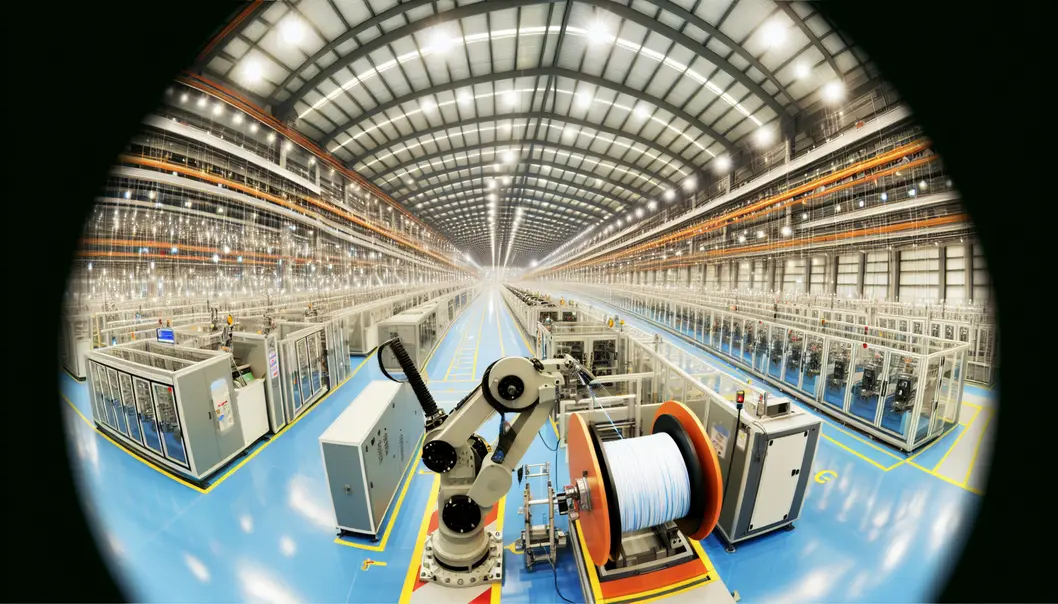
Building a scalable fiber optic cable factory suited for export markets demands more than just technical expertise—it requires a solid infrastructure designed to support precision manufacturing, global volume demands, and compliance with international standards. The foundation of such an endeavor lies in attention to site selection, power and utility needs, production layout, and future scalability. Each of these components comes together to create a facility capable of sustaining high-quality outputs and meeting the dynamic needs of worldwide markets.
The first and arguably most important consideration is site selection. The factory’s location will heavily influence operational efficiency and costs. Choosing a region with easy access to raw materials, skilled labor, and transportation channels will reduce delays and expenses. Proximity to international ports or airports is particularly critical for factories targeting export markets. Additionally, zoning regulations and environmental compliance requirements must be evaluated before settling on a site. These factors can have long-term implications on the feasibility of your factory’s operations.
Once the site is chosen, the focus shifts to the facility’s power and utility needs. Fiber optic cable manufacturing is an energy-intensive process that requires a constant and reliable power supply. Issues such as voltage stability and backup systems are non-negotiable, especially when precision machinery must operate 24/7 to meet production targets. Beyond electricity, sufficient water and air handling systems are critical to maintaining ideal temperatures and humidity levels within the production space. This helps ensure the cables maintain their integrity throughout the manufacturing process.
Equally important is the layout of the production environment, which should be optimized for efficiency and quality control. A well-thought-out layout minimizes material movement, reduces setup-changing delays, and accommodates both current and future production lines. For instance, creating dedicated pathways for raw materials and finished goods ensures smoother operations, while maintaining enough space for testing and quality assurance stations ensures that all products meet stringent export standards. Factories should incorporate modular designs in their planning to enable easy expansion as production demands grow.
Finally, scalability and flexibility should guide all decisions during the planning and building phases. The fiber optic market is characterized by fluctuating global demands and rapid technological advances. Building in the capacity for modular upgrades, such as adding more machines or specialized systems, can help the factory scale without significant downtime. Additionally, forward-thinking investments in automation and data analytics tools can future-proof your facility.
Constructing a scalable fiber optic cable factory capable of serving export markets is a complex and meticulous process. Drawing from insights into site selection, utilities planning, optimized layouts, and scalability strategies provides a strong foundation for long-term success. For additional guidance on effective workshop layouts, visit this resource on fiber optic workshop design.
Driving Scalability Through Technological Innovation in Fiber Optic Cable Production

Scaling up a fiber optic cable manufacturing operation for export markets demands a strong focus on technological advancements. As the foundation of modern telecommunications, fiber optics must meet stringent quality standards while being produced efficiently to cater to increasing global demand. In this context, leveraging cutting-edge technology is not merely an option but a necessity for achieving scalability and maintaining competitiveness.
One of the most significant areas of technological innovation lies in automation. Traditional production lines are labor-intensive and prone to inefficiencies. Automated systems bring precision to critical processes such as preform manufacturing, fiber drawing, and cabling assembly. Advanced robotics and IoT-enabled equipment ensure uniformity in product quality, reducing scrap rates and minimizing downtime. Automation also supports scalability by increasing production speed without compromising consistency, making it ideal for meeting the high-volume demands of export markets. Manufacturers can reduce variable costs over time by capitalizing on these efficiencies.
Another critical innovation is the integration of smart factory solutions. Modern facilities are increasingly deploying sensors and AI-driven analytics to monitor and optimize production. These tools provide actionable insights into energy consumption, equipment performance, and workflow bottlenecks. For instance, predictive maintenance systems rely on IoT sensors to flag any machinery issues before they escalate, ensuring uninterrupted operations. Such technologies are pivotal in maintaining high production efficiency, helping manufacturers consistently meet international demand while minimizing operating costs.
Material innovation has also become a cornerstone of advanced fiber optic cable production. The increasing use of specialized optical fibers, such as bend-insensitive single-mode fibers, addresses specific market needs. For example, export markets with dense urban environments may favor cables equipped with G.657.A2 fibers due to their high performance in confined spaces. Similarly, low-smoke zero-halogen (LSZH) jackets meet stringent safety requirements, particularly in regions with strict building codes. Investing in research to develop or procure these materials equips manufacturers to comply with diverse global standards and customer preferences, bolstering their export capabilities.
Moreover, advancements in modular equipment design are enabling greater flexibility in production lines. Modular systems allow for easy reconfiguration based on changing market demands or new product specifications. This adaptability is invaluable when competing in export markets, where customer requirements often vary significantly across regions. Coupled with automated and smart components, modular setups create a manufacturing ecosystem prepared for rapid scaling.
In summary, technological innovation underpins the ability to scale a fiber optic cable factory successfully for export markets. From automation to smart factory systems, material breakthroughs, and flexible equipment configurations, these advancements collectively elevate operational efficiency, enhance product quality, and streamline scalability—all essential for thriving in global markets. For further insights into factory setup options for this industry, explore fiber optic factory build.
Strategic Economic Insights for Scaling an Export-Driven Fiber Optic Cable Facility
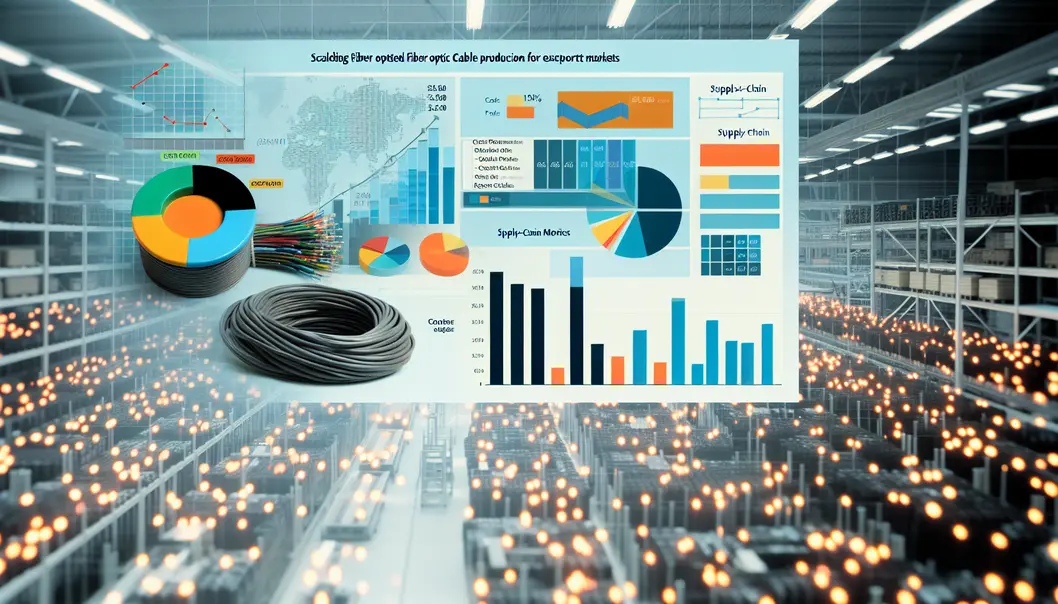
Building a scalable fiber optic cable factory geared towards export markets involves navigating a complex web of economic factors. Each decision, from facility location to operational efficiency, has ripple effects on profitability, global competitiveness, and long-term sustainability.
One of the most strategic considerations is the choice of location. This decision hinges on several economic variables, including labor costs, energy expenses, tax incentives, and proximity to target export markets. Labor costs can vary widely based on geographic regions; however, it's important to weigh affordability against the availability of skilled technicians. Higher wage locations might offer employees with specialized expertise, expediting production and reducing errors. Conversely, lower-cost regions can help minimize overhead but might require additional investment in employee training programs.
Tax policies and government incentives also play a significant role. Many countries incentivize export-driven industries through tax breaks, subsidies, or infrastructure support. Identifying regions with favorable trade agreements can further ease the financial burden associated with cross-border transport and tariffs. For instance, export-focused factories in countries with free trade agreements benefit from preferential rates, opening opportunities for increased market penetration. Researching and leveraging these incentives is vital when determining a viable factory location.
Energy costs and environmental sustainability have increasingly become economic cornerstones. Fiber optic cable production requires energy-intensive processes such as pulling, coating, and curing. Not only do high energy prices inflate operating costs, but unsustainable energy use can position a manufacturer unfavorably in global markets increasingly prioritizing eco-friendly practices. Emphasizing renewable energy solutions or installing energy-efficient machinery can mitigate costs while aligning with global sustainability trends, fostering a competitive edge.
Another crucial consideration lies in procurement and material management. Raw materials such as glass preforms, coating chemicals, and reinforcement fibers constitute a significant portion of production costs. Establishing relationships with cost-effective, reliable suppliers is fundamental. Additionally, modular production lines enable flexibility, allowing manufacturers to adapt quickly to fluctuating market demands while maintaining cost efficiency. Businesses can benefit from tools such as production cost analysis, as outlined in this guide on fiber cable production costs, to identify savings opportunities and optimize resource allocation.
It is equally important to evaluate transportation infrastructure. Efficient logistics networks reduce lead times, ensure reliable delivery schedules, and optimize costs. Export-oriented factories situated near major shipping hubs or trade routes can minimize costs significantly, while poorly connected regions may hinder export performance.
Finally, scalability must be built into the economic framework of the factory. Factors such as modular production systems, cost-effective equipment upgrades, and forecast modeling of demand ensure the facility adapts seamlessly to the future growth of global fiber optic markets. By anticipating changes and embedding resilience into operations, a factory can balance initial investments with opportunities for expansion.
In sum, developing an export-driven fiber optic cable factory goes well beyond simply setting up a production line. Understanding and navigating these economic factors ensures that infrastructure investments translate into sustainable growth and steady international market competitiveness.
Navigating Regulatory and Compliance Challenges for Export-Driven Fiber Optic Cable Factories

Export markets offer significant growth opportunities for fiber optic cable manufacturers, but they are also fraught with complex regulatory landscapes and compliance requirements that demand meticulous planning and execution. From international standards to region-specific regulations, tackling these challenges effectively is essential for ensuring the scalability of a factory dedicated to export production.
Understanding Global Standards and Certifications
Fiber optic cables must meet stringent global standards to enter international markets successfully. Requirements such as ISO 9001 certification for quality management systems or compliance with industry-specific protocols like the EU Construction Products Regulation (CPR) can influence production planning. Additionally, environmental and sustainability standards, including the use of LSZH (Low Smoke Zero Halogen) materials, are becoming mandatory in certain regions.
Manufacturers aiming to scale export operations need precise coordination between their engineering and compliance teams. This ensures cables meet varied technical specifications, such as fire performance, water resistance, and chemical durability, without sacrificing cost-efficiency. Countries may also prioritize specific optical fiber types; for instance, in regions relying on FTTH setups, single-mode cables like G657A2 are common requirements. Aligning product designs with such preferences ensures smoother entry and fewer compliance hurdles. For more details on EU CPR testing requirements, you can refer to this in-depth guide on compliance.
While global certifications establish a foundation, each region may impose additional rules that vary significantly. For example, North American markets often require compliance with stringent telecom standards like ANSI/TIA and national fire safety codes, while Asian markets may have their own certifications focused on cost-efficiency without compromising basic technical parameters.
Moreover, import-export regulations differ. Countries may impose tariffs on materials that influence costs or require specific labelling and documentation for logistics. Leveraging local legal expertise is invaluable for understanding intricacies such as customs documentation, licensing, and end-user safety protocols. Manufacturers that fail to adapt to these local nuances risk costly delays or rejected shipments.
Strategies for Streamlined Compliance
A scalable factory must integrate regulatory considerations at every stage, including production, quality assurance, storage, and logistics. Investing in automation technologies for testing compliance can significantly reduce risks. For example, automated equipment can perform tensile strength, bend radius, and fiber attenuation tests quickly and accurately.
Training staff on export regulations further enables proactive management of compliance processes. Engaging in partnerships with regional distributors or agencies familiar with local regulations can also yield smooth market penetration.
Ultimately, scalability hinges not just on meeting minimum regulatory requirements but exceeding them. Designing products that anticipate future standards—such as sustainability and resilience for modern fiber networks—positions manufacturers as leaders in competitive export markets. A factory that aligns its production with compliance frameworks from day one will face fewer bottlenecks and adapt more effectively to evolving demands across diverse regions.
Navigating Global Fiber Optic Market Trends to Scale Export-Ready Production

Understanding Demand Patterns Across Global Markets
Scaling a fiber optic cable factory for export markets necessitates a deep understanding of global market dynamics. The demand for fiber optic cables has surged significantly over the last decade, driven by the proliferation of high-speed internet connectivity and advancements in telecommunications infrastructure. Countries with rapidly growing digital economies, such as India, China, and Brazil, as well as developed regions including North America and Western Europe, have seen notable increases in fiber optic adoption rates. These regions are not only seeking to replace older technologies but are also actively expanding their fiber-optic-based networks to cater to the exploding connectivity needs of businesses and individuals.
Emerging Applications Influencing Demand
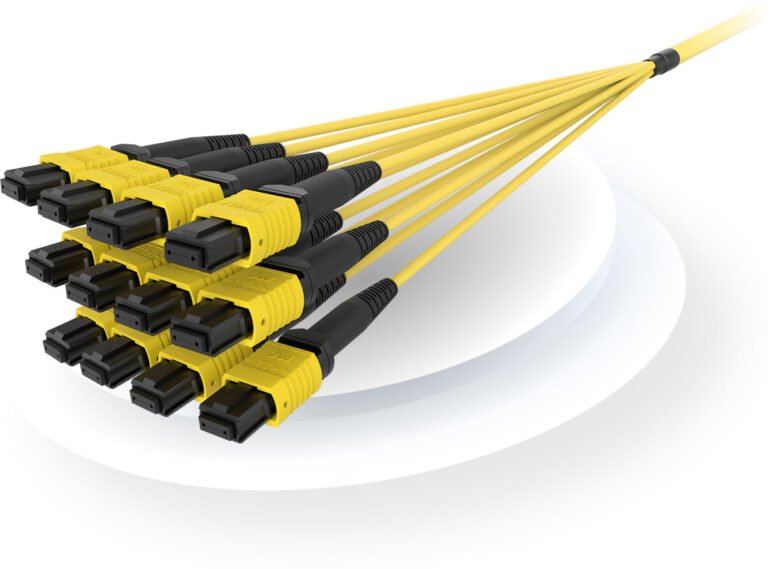
The diversity of fiber optic applications plays a crucial role in shaping global demand. While the telecommunications sector remains the largest consumer of fiber optic cables, industries such as healthcare, transportation, and data centers are fueling additional growth. For instance, pre-terminated fiber solutions are increasingly being adopted for sustainable data centers due to their efficiency in handling large quantities of data while meeting environmental standards. Industrial automation and aerospace sectors are also driving demand for ruggedized fiber optic solutions tailored to harsh conditions. These emerging applications indicate promising opportunities for factories built with scalability and adaptability in mind.
Regional Variations in Market Trends
Export-focused manufacturers must pay attention to the unique dynamics of regional markets. For example, Southeast Asia and Africa represent high-growth regions due to their relatively low fiber penetration rates paired with government-backed digitization initiatives. In contrast, more mature markets like North America prioritize high-performance cables, including advanced fiber types such as G657.A2 and G652.D, which enhance signal quality over longer distances. Identifying these regional priorities is key to avoiding overstocked or mismatched inventory.
Supply Chain and Pricing Considerations
Supply chain volatility has emerged as one of the most prominent challenges for fiber optic manufacturers targeting global markets. Material shortages, fluctuating optical fiber prices, and geopolitical tensions between trade partners can disrupt production scalability. Manufacturers must devise strategies for robust supply chains, such as diversifying sourcing options and streamlining factory operations to minimize waste while maintaining high standards. Additionally, monitoring fiber optic price trends through resources like global fiber price developments can help businesses stay competitive and position their factory outputs strategically.
Forecasting the Next Decade
As 5G networks continue their rollout and the demand for Fiber-to-the-Home (FTTH) solutions rises globally, the fiber optic cable market is poised for sustained growth. However, factors such as environmental concerns related to production processes and the accelerating push toward network sustainability may require manufacturers to reassess their choices of materials and energy-efficient production methods. Building scalable factories that incorporate environmentally conscious practices will be critical for remaining competitive in export markets over the long term.
Final thoughts
Building a scalable fiber optic cable factory for export markets requires meticulous planning, innovative technologies, and compliance with international standards. By ensuring efficient infrastructure, adopting the latest production techniques, addressing economic factors, and understanding global market dynamics, businesses can thrive in the evolving fiber optic industry. Whether you're an investor, project manager, or procurement expert, aligning your strategy to these principles will position your factory for success and sustainable growth.
Contact AIMIFIBER for trusted support in FTTH cables, pre-terminated fiber optic solutions, OEM/ODM service, and expert advice.
Learn more: https://aimifiber.com/contact-us/
About us
AIMIFIBER provides pre-terminated fiber optic solutions, FTTH drop cables, patch cords, pigtails, FTTA products, and tailor-made fiber optic assemblies for telecom, ISP, and data center projects. Partner with us for reliable products and expert manufacturing support.