The Ultimate Guide to Outdoor Fiber NIDs: Selection, Installation, and Cost-Saving Strategies
In the global race to deploy Fiber-to-the-Home (FTTH), the focus is often on the massive backbone cables or the sleek routers inside the home. But the unsung hero of the network is the Fiber NID (Network Interface Device).
For network operators in North America, Western Europe, and Australia, the NID is not just a plastic box; it is the battleground where installation budgets are won or lost.
As a direct factory manufacturer, AimiFiber sees the industry trends before the traders do. Today, we have compiled this comprehensive guide to help you understand what a NID is, how to choose the right one, and why shifting to Pre-terminated Solutions can save you 50% on deployment costs.
Part 1: What is a Fiber NID? (The Basics)
A "NID fiber" usually refers to a fiber Network Interface Device: a compact enclosure mounted on the outside (or sometimes inside) of a building. It serves as the critical demarcation point between the ISP’s fiber plant and the customer's premises wiring.
Think of it as the "Border Control Station" for your optical signal.
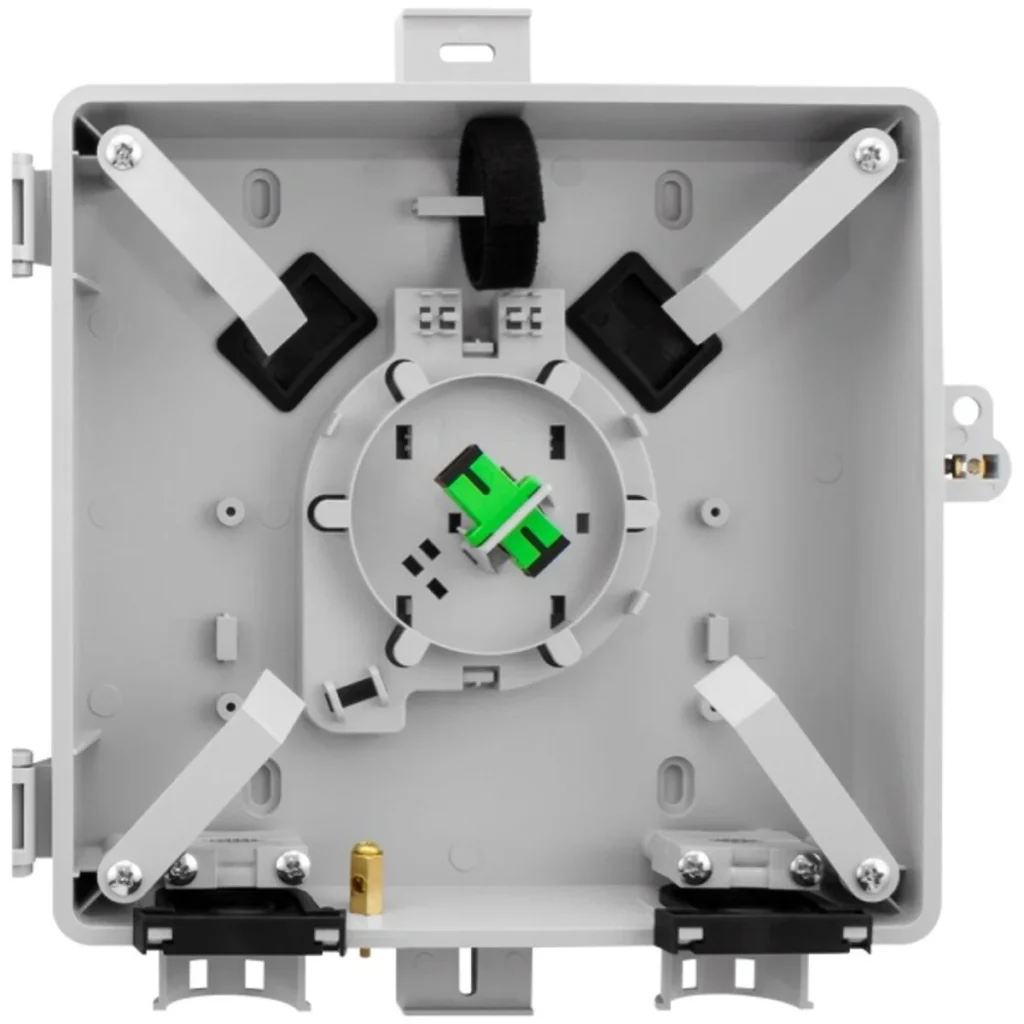
Key Functions of a NID
- Protection: It protects delicate fiber terminations and splices from physical damage, UV rays, and harsh weather.
- Slack Storage: It provides essential storage for excess cable (slack), allowing for future repairs or re-terminations without re-pulling the drop cable.
- Test Point: It gives technicians a clear test point to troubleshoot signal issues without needing to enter the subscriber's home.
Where is it Used?
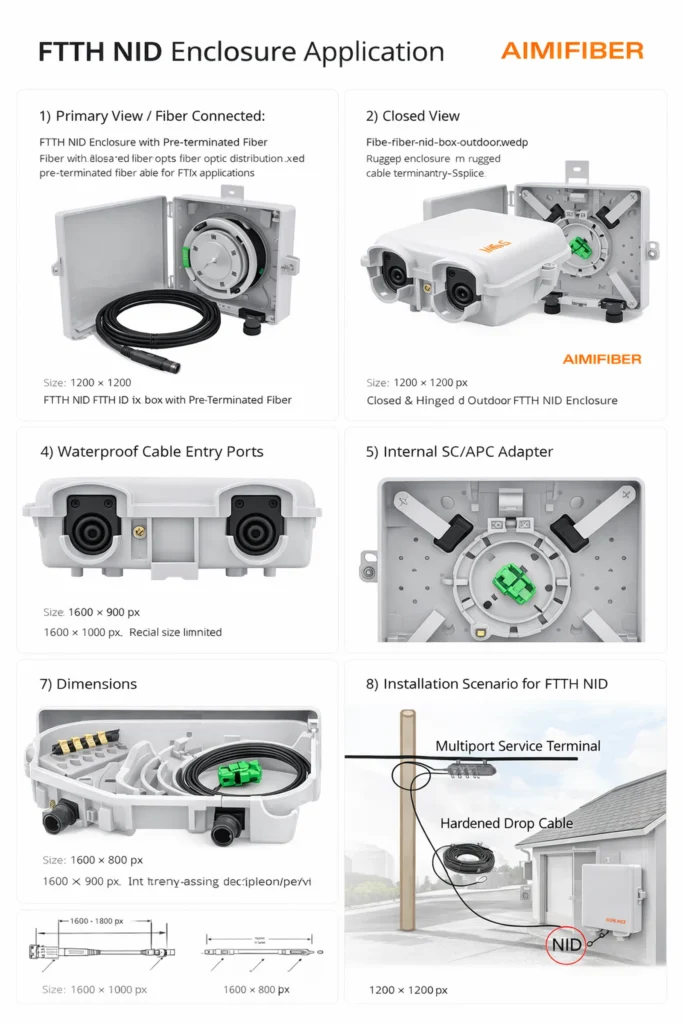
NIDs are commonly installed in FTTH/FTTx deployments on an exterior wall. They are the primary tool used by providers to transition from the rugged outdoor drop cable to the more flexible indoor cable or directly to an Optical Network Terminal (ONT).
Part 2: Critical Features & Selection Guide
Not all boxes are created equal. When selecting a NID for your deployment, you must look for specific features that ensure longevity.
1. Weatherproofing (The First Line of Defense)
Since these enclosures are often long-term outdoor fixtures, the weather rating is non-negotiable.
- Ingress Protection: Look for IP65 Rated enclosures. This means they are dust-tight and protected against powerful water jets.
- Material: High-quality NIDs are crafted from UV-resistant PC+ABS alloy to withstand years of direct sunlight without cracking or yellowing.
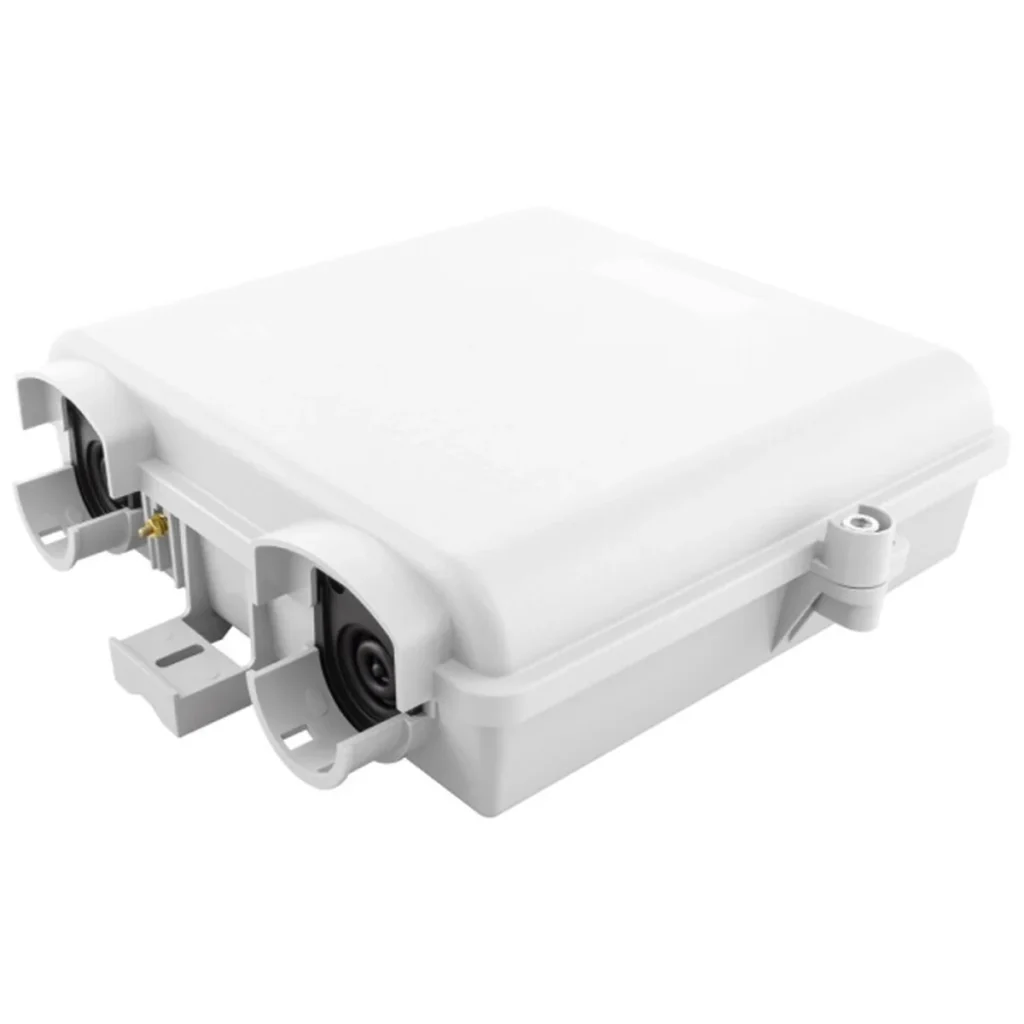
- Sealing: Essential features include high-quality rubber gaskets and grommeted cable entries to prevent moisture and insects from entering.
2. Connectivity & Capacity
- Capacity: Most residential NIDs are designed to handle 1-4 fibers.
- Internal Structure: A good NID must include an internal splice tray for fusion splicing and radius guides to protect the fiber from micro-bending signal loss.
Part 3: The "Labor Crisis" – Why Field Splicing is Killing Your Margins
Now that we understand the basics, let's address the biggest challenge in the industry today: Installation Speed vs. Labor Cost.
The traditional method of FTTH deployment involves purchasing a standard, empty NID box and performing field splicing. On paper, the unit cost looks low. In reality, the hidden costs are massive.
When you rely on field splicing at the demarcation point, you are paying for:
- Highly Skilled Labor: You need a technician trained in fusion splicing, whose hourly rate is significantly higher than a general installer.
- Equipment Costs: High-end fusion splicers and cleavers are expensive assets to risk in the field daily.
- Environmental Risks: Outdoor splicing is prone to dust, rain, and humidity contamination, leading to rework.
- Time Consumption: Stripping, cleaning, cleaving, splicing, and managing tray slack takes 20-40 minutes per home.
In markets where labor costs exceed $50-$100 per hour, that 30 minutes of splicing time costs far more than the plastic box itself.
Part 4: The Solution – AimiFiber Preloaded Reel NID
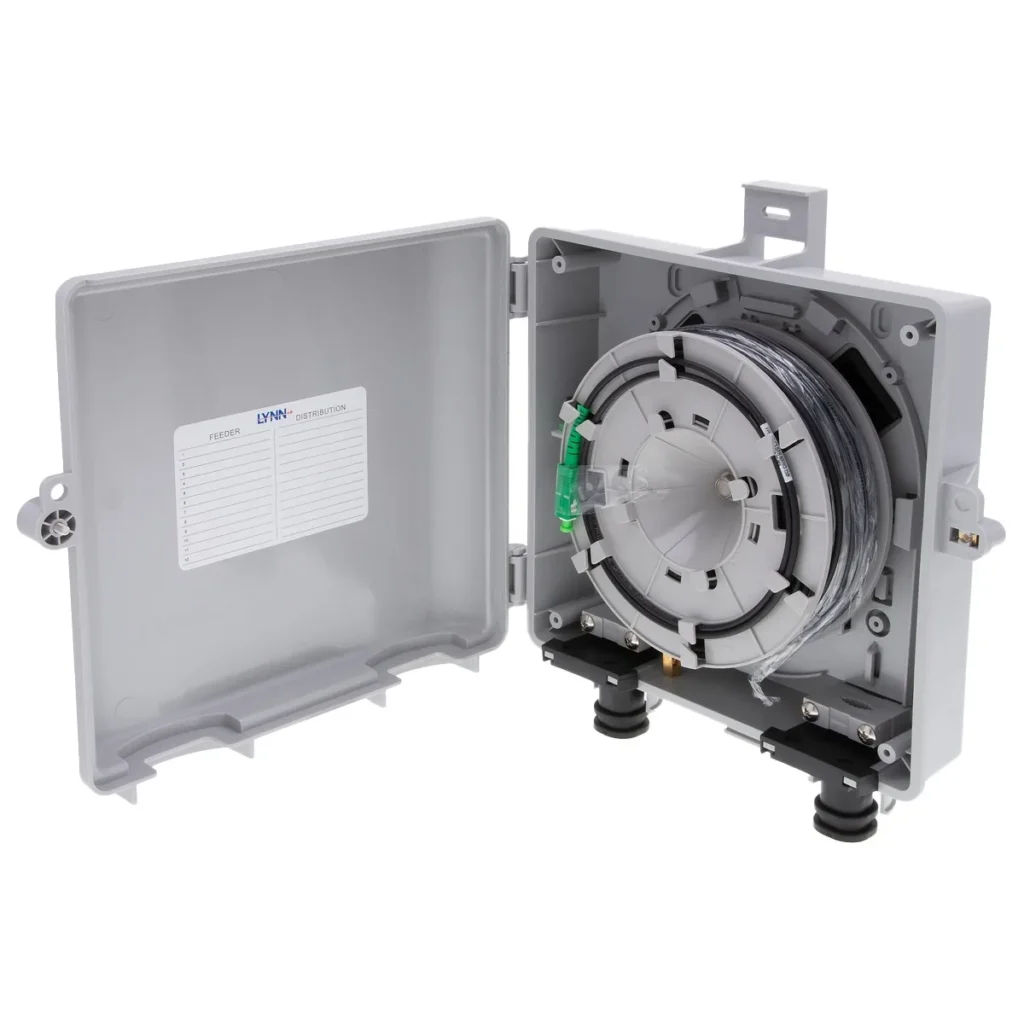
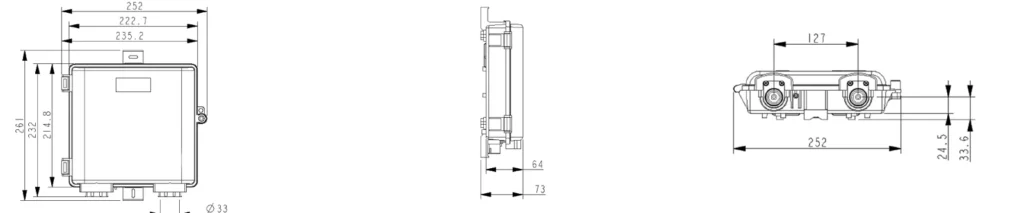
To solve this labor crisis, AimiFiber engineered the Outdoor Fiber NID IP65 with Preloaded Reel.
This is not just a hardware component; it is a Plug & Play Labor-Saving Solution that effectively "outsources" the termination work from your expensive field site to our controlled factory environment.
1. The Preloaded Reel Advantage
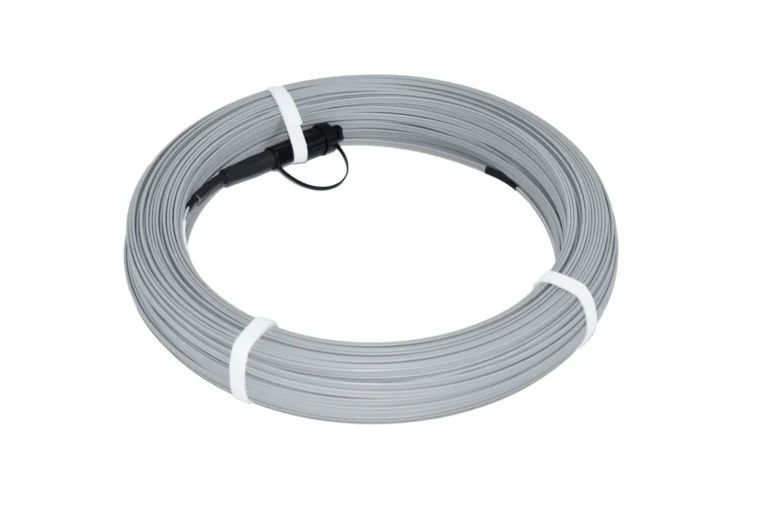
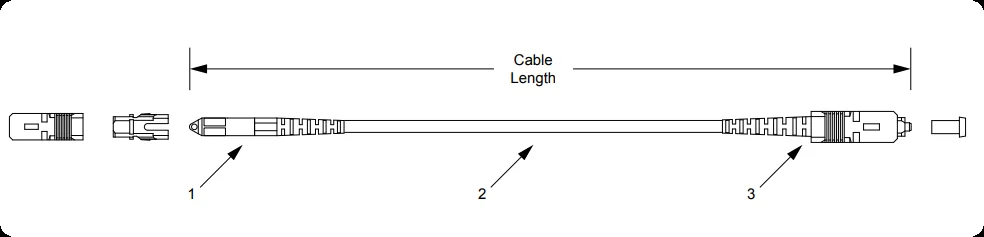
Instead of carrying bulk cable, the NID comes with a factory-installed reel containing 50ft, 100ft, or 150ft of high-quality G.657A2 drop cable. The reel rotates within the enclosure, allowing the installer to simply mount the box and pull the cable directly to the connection point.
2. The "Bullet" Connector Innovation
A common concern is: "Can I pull a pre-terminated cable through a conduit?"
The answer is Yes. Our solution features a specialized "Bullet" cap on the SC/APC connector. This slim, hardened pulling eye protects the ferrule and is designed to glide effortlessly through standard microducts and conduits (up to 1 inch) without snagging.
3. True Plug-and-Play
The installation process becomes incredibly simple:
- Mount the NID to the wall.
- Pull the drop cable to the customer's ONU/ONT.
- Remove the protective cap and plug it in.
Total time: Less than 15 minutes. No splicing tools required.
4. Comparison: Empty NID vs. Preloaded Reel NID
| Feature | Standard Empty NID | AimiFiber Preloaded Reel NID |
|---|---|---|
| Component Cost | Low ($) | Medium ($$) |
| Field Labor Cost | High (Splicing Required) | Low (Plug & Play) |
| Installation Time | 30-45 Mins | 10-15 Mins |
| Equipment Needed | Fusion Splicer, Cleaver | None (Tool-less) |
| Skill Level | Skilled Technician | General Installer |
| Ideal Market | Low Labor Cost Regions | USA, Europe, Australia |
Part 5: Installation Best Practices
Whether you choose our Preloaded Reel NID or a standard empty enclosure, following these steps ensures a reliable network:
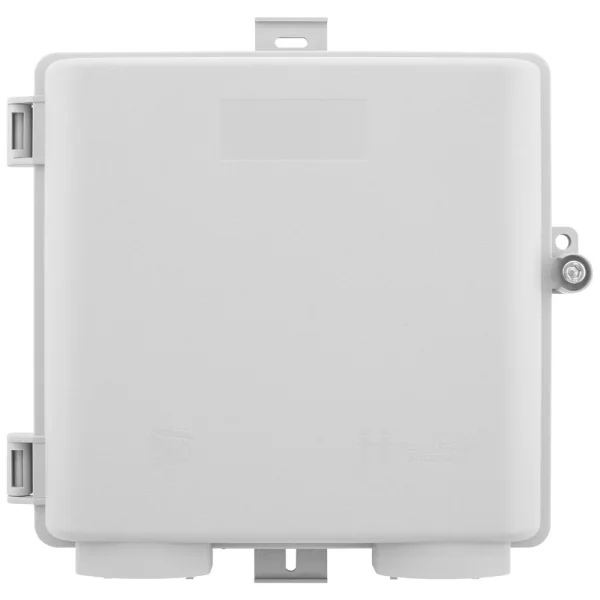
- Mounting: Secure the NID to the exterior wall at a serviceable height. Ensure the wall surface is flat to maintain the integrity of the IP65 seal.
- Cable Entry: Always use the grommeted ports at the bottom of the enclosure to prevent water ingress.
- Bend Radius: When storing slack, carefully wind the fiber around the internal radius guides. Never force the fiber into tight bends, as this causes high attenuation (signal loss).
- Security: Once connections are made, ensure the security screw or latch is fully engaged to prevent unauthorized access.
Conclusion: Choose the Right NID for Your Market
In 2026, efficiency is the new currency. The choice between an empty box and a preloaded solution depends on your market reality:
- Low Labor Cost Markets: If field splicing is cheap and plentiful, our Standard Empty NID offers the flexibility you need.
- High Labor Cost Markets (USA, EU, AU): The Preloaded Reel NID is the only logical choice to protect your margins and speed up deployment.
Ready to upgrade your deployment strategy?
👉 View Full Specifications: Outdoor Fiber NID IP65 (With/Without Preloaded Reel)
Contact AimiFiber Engineering Team today for OEM customization and bulk pricing. Empowering Global ISPs with Factory-Direct Fiber Solutions.
Frequently Asked Questions (FAQ)
Q: What is the difference between a NID and an ONT?
A: A NID (Network Interface Device) is the outdoor demarcation point box. The ONT (Optical Network Terminal) is the active electronic device inside the home that converts the fiber signal to Ethernet/Wi-Fi.
Q: Can pre-terminated fiber connectors fit through conduits?
A: Yes. AimiFiber's NID uses a specialized "Bullet" cap on the SC/APC connector, designed to be pulled through standard 10mm (or larger) microducts without damage.
Q: Is it cheaper to splice fiber or use pre-terminated cables?
A: In markets where labor exceeds $50/hour, pre-terminated cables are significantly cheaper overall because they eliminate 20-30 minutes of splicing labor per installation.