Setting up an FTTH (Fiber to the Home) cable manufacturing plant is a complex yet rewarding endeavor that supports the rapid growth of global fiber optic connectivity. From technological innovation to robust financial planning, each step requires meticulous attention to detail and industry insight. This guide walks through the essential phases of plant setup, ensuring seamless integration for telecom service providers, ISPs, and factory stakeholders. You'll learn about process workflows, required technologies, workforce consideration, financial optimization, and legal compliance. By the end, you’ll have the foundational knowledge to connect high-quality FTTH cables to homes, enabling faster, future-ready internet solutions.
The Foundations of Building an FTTH Cable Manufacturing Plant
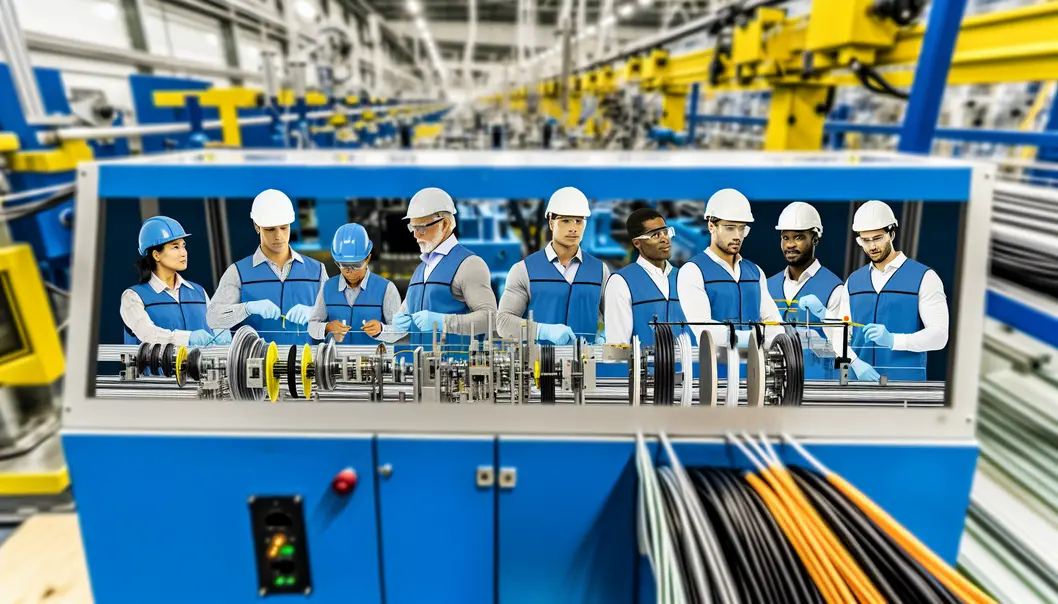
In the ever-evolving telecommunications landscape, establishing a Fiber-to-the-Home (FTTH) cable manufacturing plant is a significant venture that demands a thorough understanding of the process, from concept to execution. This chapter dives into the foundational steps required to put plans into motion for such a manufacturing facility, setting the stage for subsequent technological and operational considerations.
Site Selection and Infrastructure Planning
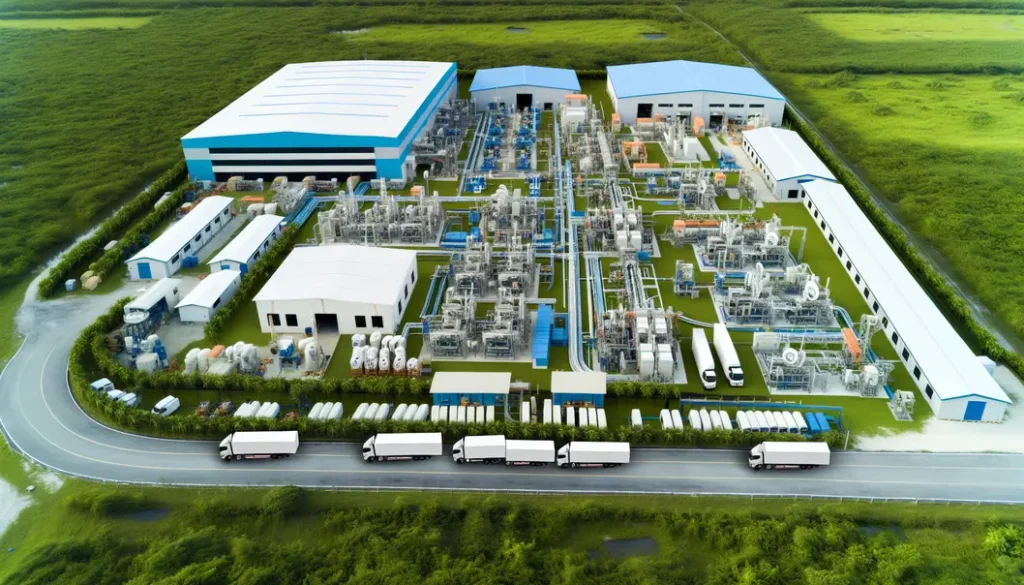
The first step toward establishing an FTTH cable manufacturing plant is identifying a suitable location. Proximity to raw material suppliers, transportation networks, and end-use markets play a pivotal role in reducing logistical costs and improving supply chain efficiency. The site must also accommodate the physical infrastructure required for high-capacity production lines. This includes warehouses, power supplies, and tailored layouts to integrate specialized manufacturing machinery.
Moreover, zoning regulations and environmental compliance are critical factors. Early engagement with local authorities ensures compliance with industrial regulations and avoids potential delays. Identifying an area with potential for workforce availability is another essential consideration. Access to a pool of skilled labor reduces training overheads and expedites the production timeline.
Developing a Comprehensive Business Plan
A robust business plan is the backbone of any manufacturing enterprise. When venturing into FTTH cable production, a detailed understanding of market trends, demand forecasts, and competition is imperative. The plan should outline the operational scale, production goals, and financial projections, accounting for capital investments in machinery and the recurring costs of raw materials and labor.
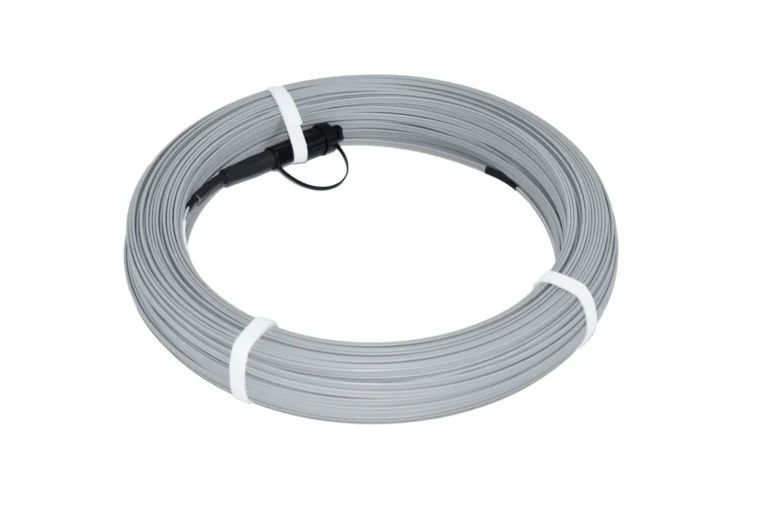
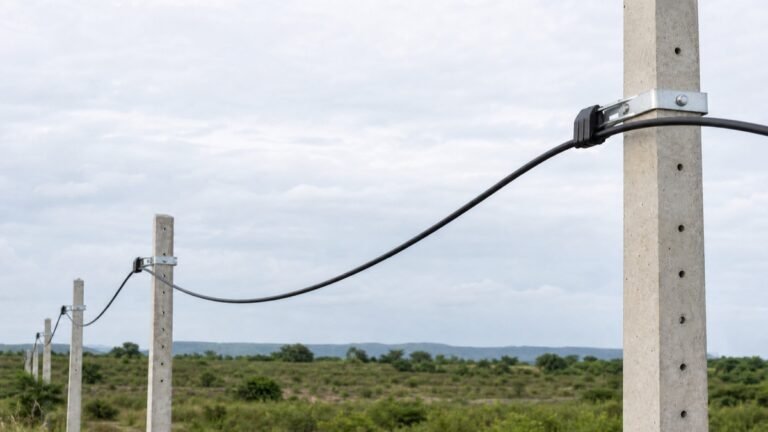
This blueprint should also address technological considerations, such as whether to focus on specific cable types (e.g., aerial, duct, or indoor applications) or whether to support growing demands in markets like multi-dwelling units (MDUs). Some insights on choosing between aerial, duct, and indoor cable models are especially relevant in emerging segments, as laid out in this FTTH drop cable selection guide.
Procuring Licenses and Certifications
Manufacturing FTTH cables involves adhering to stringent quality standards and industry certifications. These certifications, such as those relating to tensile strength, bandwidth efficiency, and environmental resilience, validate the reliability of cables for various applications. Additionally, regional regulations may mandate specific licenses to operate as a manufacturer, including environmental and safety certifications. Initiating the documentation process early avoids bottlenecks at later stages.
Another critical aspect here is the supply chain. Partnering with reliable suppliers for raw materials ensures consistency in the final product quality. Core components like optical fibers, jacketing materials, and reinforcement elements must meet both durability and performance specifications.
Assembling the Right Team
The establishment of a manufacturing facility is incomplete without a proficient team. This involves not just operators and technicians but also experts specializing in machinery installation, calibration, and maintenance. An efficient project management team ensures timelines are observed, and potential delays due to equipment procurement or labor shortages are mitigated.
Conclusion
Understanding the foundational steps of site planning, regulatory adherence, financial strategizing, and team assembly is paramount to the successful establishment of an FTTH cable manufacturing plant. With a solid foundation in place, the next step is to delve into the technological requirements that will determine the efficiency, precision, and scalability of your manufacturing endeavors.
Mastering the Technology Behind FTTH Cable Manufacturing: Essential Insights

Setting up an FTTH (Fiber-to-the-Home) cable manufacturing plant is as much about understanding the technological requirements as it is about business acumen. The technology informs not only the types of cables to be manufactured but also the processes, equipment, and infrastructure necessary to meet industry standards. Grasping this foundation is the bedrock upon which your plant’s success will be built.
The cornerstone of FTTH cable manufacturing lies in selecting the appropriate optical fiber. This choice impacts not only production but also market relevance. G.657.A2 and G.652.D fibers are among the most widely adopted, given their durability and high transmission efficiency. While G.657.A2 excels in bend-insensitive applications, making it ideal for urban installations, G.652.D is favored for long-distance data transmission. Ensuring your plant’s technological capability to process these fiber types will make your offerings versatile. For further context on fiber options, consult resources like this guide on optical fiber trends.
After determining fiber types, attention must turn to the coating and buffering machinery. Coating technology protects the delicate glass fiber while maintaining its transmission quality, and buffering adds structural integrity to the cable. Modern plants often utilize UV-curable coatings that prioritize speed and environmental safety. Machines must be calibrated to apply precise layers of coating, followed by stringent quality assurance via optical monitoring systems to detect microscale imperfections.
Stranding and jacketing are the next critical steps. Stranding involves arranging loose or tight-buffered fibers into organized configurations, often supplementing them with strength members like aramid yarns to enhance tensile resistance. The external jacket acts as an environmental shield, frequently made from materials like low-smoke zero-halogen (LSZH) compounds to meet fire safety standards. These processes call for extrusion machines that deliver consistent results under controlled conditions.
A significant consideration is automation. Advanced cable manufacturing plants incorporate automated machinery for tasks ranging from fiber testing to reel packaging. Automation reduces operational errors, increases production speed, and optimizes labor costs. However, these benefits come with a need for skilled technicians to operate, maintain, and troubleshoot sophisticated equipment.
Moreover, testing technologies are a non-negotiable aspect. FTTH cables must endure rigorous industry certifications involving attenuation, bend radius, and environmental resistance. Integrating Optical Time-Domain Reflectometers (OTDRs) and other advanced diagnostic tools into your setup ensures that your products will comply with market demands.
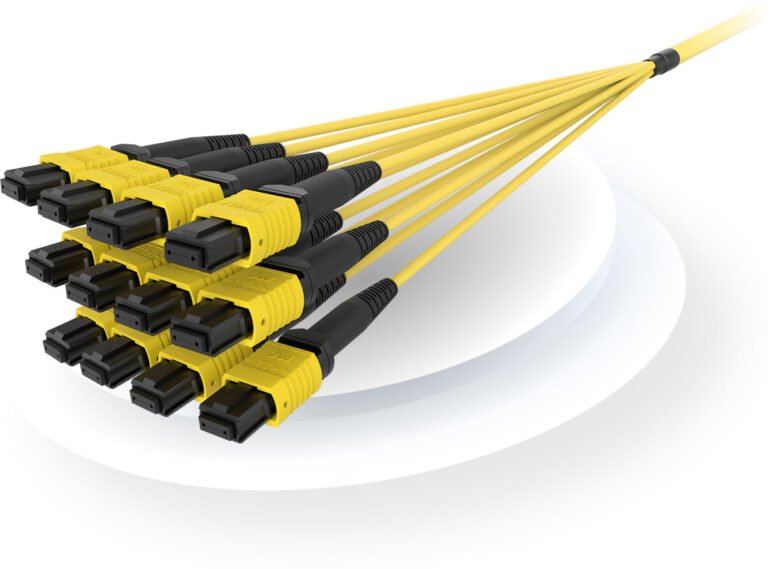
Finally, evolving technology trends must not be ignored. Innovations such as invisible fiber solutions for indoor wiring or pre-terminated fiber configurations for 5G networks are shaping the future of FTTH manufacturing. Staying adaptable through investments in research and development will position your plant for long-term relevance in a competitive landscape.
In essence, identifying and mastering the technological requirements of FTTH cable production is not a one-time exercise. It demands ongoing learning, investment, and adaptation. Your plant must integrate state-of-the-art tools, support your workforce with knowledge, and align with industry standards to emerge as a high-performing player in this dynamic sector.
Strategic Financial Foundations for Launching an FTTH Cable Manufacturing Plant

Establishing an FTTH cable manufacturing plant demands meticulous economic and financial planning to ensure long-term sustainability and profitability. Every strategic decision—from securing funding to estimating operational costs—lays the groundwork for the plant’s success in a competitive market.
Capital Investment and Initial Costs
The first step in setting up an FTTH cable manufacturing facility is identifying the required capital investment. Manufacturing equipment, such as extrusion machines, fiber winders, and testing units, constitutes a significant portion of the upfront expenditure. Additionally, the infrastructure costs—such as factory layout design, land acquisition, and utilities—must be factored into the budget. Technical systems, including software for production tracking and quality assurance, further add to the initial expenses.
A detailed feasibility study is essential to outline these costs accurately, helping determine whether external funding or loans are necessary. Collaborating with financial advisors and industry experts can refine investment estimates and reduce unforeseen expenses.
Operational and Recurring Expenses
Once the plant is operational, managing recurring expenses efficiently becomes imperative. Salaries for skilled workers, maintenance costs for high-tech machinery, and raw materials procurement should be forecasted in alignment with production targets. FTTH cables often use material such as optical fibers and protective sheathing, whose costs can fluctuate due to market trends. Careful supplier negotiations and bulk purchasing strategies can mitigate these fluctuations.
Energy consumption is another major operational cost—fiber optic manufacturing involves processes like fiber drawing and coating, which require significant power. Implementing energy-efficient technologies and renewable energy solutions can lower expenses while also aligning with sustainability goals.
Revenue Modeling and Pricing Strategy
Building a robust financial plan also requires attention to potential revenue streams. The demand for FTTH cables is growing as global digital connectivity advances, but pricing strategies must be competitive to gain market share. Carefully analyzing competitors’ pricing and maintaining flexibility based on market conditions are key.
Incorporating modern delivery models such as pre-terminated cables or innovative sheathing materials can position the plant for diverse revenue opportunities. Reviewing trends in FTTH network installations, such as those highlighted in this outdoor fiber guide, can inform product specialization that matches market needs.
Risk Management and Financial Resilience
Economic fluctuations, supply chain disruptions, or unforeseen expenses can destabilize a nascent manufacturing plant. Allocating a contingency fund is vital for managing risks effectively. Moreover, regular audits and performance reviews ensure the financial health of the project—avoiding gaps in cash flow and exposing inefficiencies in cost management.
By combining strategic capital investment, precise operational cost forecasts, competitive pricing strategies, and robust risk management, entrepreneurs can pave the way for a successful FTTH cable manufacturing venture. When carefully executed, financial planning becomes not only a safety net but also a springboard for sustained growth in today’s fiber optic industry.
Building a Skilled Workforce and Designing Operational Efficiency for FTTH Cable Manufacturing

Establishing an FTTH (Fiber to the Home) cable manufacturing plant involves more than just financial planning and technical setup—it requires careful consideration of workforce development and operational efficiency. These aspects not only ensure smooth day-to-day processes but also lay the foundation for long-term success in the highly competitive fiber optics industry.
Understanding Workforce Requirements
The backbone of any manufacturing operation lies in its workforce, and FTTH cable production is no exception. At the core, the plant will require a mix of skilled and unskilled labor that aligns with the intricacies of fiber optic manufacturing. Skilled technicians are essential for operating advanced machinery such as fiber stranding equipment, coating lines, and cable extrusion systems. Their expertise ensures precise handling and quality output, which is crucial given the demanding specifications of FTTH cables.
Unskilled labor, on the other hand, can handle assembly-line tasks, packaging, and inventory management. It is pivotal to integrate effective training programs for these workers to familiarize them with safety protocols and basic manufacturing workflows. Additionally, the presence of experienced managers and supervisors to oversee operations is indispensable. They coordinate activities across departments, ensure compliance with production schedules, and swiftly address challenges as they arise.
Operational Efficiency: Key Processes and Layout Design
Operational efficiency begins with the design of the plant’s layout. A streamlined floor plan reduces material handling times, minimizes bottlenecks, and optimizes space utilization. For an FTTH cable manufacturing plant, grouping related processes—such as draw towers for fiber production, coating stations, and cable assembly—into dedicated zones can significantly enhance productivity.
Another critical factor is adopting automation where feasible. Automated systems for tasks like fiber splicing, quality testing, and packaging not only reduce human error but also accelerate production rates. Implementing Industry 4.0 systems, which integrate real-time data monitoring and predictive analytics, can provide insights into maintenance requirements and operational inefficiencies.
Furthermore, the supply chain must be tightly managed to ensure uninterrupted material availability. Procuring high-quality raw materials, such as preforms for optical fiber and durable polymer coatings, in sufficient quantities is fundamental to avoiding downtime.
Creating a Collaborative Work Environment
A motivated workforce is central to operational success. Promoting teamwork among departments, offering incentives for high performance, and nurturing a culture of continuous learning are effective strategies to ensure commitment at all levels. Regular workshops on advancements in FTTH technologies can also keep employees updated, fostering innovation within the organization.
Finally, proactive efforts toward sustainability can energize the workforce and attract regulatory benefits. Introducing energy-efficient equipment and waste management protocols aligns with global trends while further refining operational efficiency.
To delve deeper into the intricacies of production processes and factory layouts, read more in this fiber optic factory build guide.
Navigating Compliance and Regulatory Obstacles: A Strategic Guide for FTTH Cable Manufacturing Plants

Setting up a Fiber-to-the-Home (FTTH) cable manufacturing plant is a multifaceted process, and navigating compliance and regulatory guidelines is an essential component. Governments and industry authorities impose rules designed to ensure public health, environmental sustainability, and consumer safety while maintaining efficiency within manufacturing operations. Meeting these requirements is both a legal obligation and a crucial element of your plant’s reputation and long-term success.
Understanding Regulatory Frameworks
The first step towards compliance involves understanding the specific regulatory frameworks applicable to your region and the broader industry sector. These regulations encompass environmental standards, workplace safety protocols, product quality benchmarks, and industry certifications. For instance, fiber-optic cables must often adhere to performance classifications defined by international standards bodies such as ISO, IEC, or the ITU.
In the realm of environmental compliance, manufacturers must address waste disposal, emissions control, and the use of recyclable or eco-friendly materials whenever possible. For example, Low Smoke Zero Halogen (LSZH) coatings for cables are standard in many jurisdictions as part of stricter fire safety and environmental impact regulations. Staying updated on sustainability standards and integrating them into your plant setup is not only beneficial for compliance but also positions your brand as socially responsible.
Workplace safety is another critical regulatory focus. Ensuring compliance with occupational safety standards minimizes risks to workers and reduces potential fines. In many countries, manufacturers are required to conduct regular risk assessments, provide adequate training, and implement stringent safety measures to create a secure production environment.
Certification and Licensing
One of the most time-sensitive aspects of compliance is obtaining the necessary certifications and licenses prior to beginning operations. Certifications related to the product itself include standards for mechanical performance, optical efficiency, and temperature resistance, among others. These certifications validate the reliability and safety of your cables in various conditions, from underground installations to external aerial environments.
In addition to product certifications, manufacturers must also secure operating licenses at a local and national level. Governments may require permits addressing property zoning, equipment safety inspections, and approved manufacturing plans. Failure to properly secure these certifications could lead to delays or penalties during operational audits.
Building Strategic Partnerships
Compliance is rarely a one-time effort. Partnering with experienced consultants or regulatory agencies can help streamline the process. These experts can provide insights into regulatory updates and help conduct internal audits to maintain ongoing compliance. Additionally, technology providers specializing in FTTH cable production often design machinery that simplifies compliance through automated testing and quality control.
As sustainability grows in importance, stay informed about trends shaping the future of fiber optic manufacturing. For example, global price trends for optical fibers explored here can influence material selection and resource allocation strategies. Proactively adapting to these trends ensures both compliance and competitive edge.
Conclusion
Compliance and regulatory guidelines frame every choice in the establishment of your FTTH cable manufacturing plant, from materials to operations. By investing in timely research, obtaining the right certifications, and cultivating strategic relationships, you can transform regulatory challenges into growth opportunities. Ultimately, compliance lays the foundation for trust among stakeholders, scalability for your operations, and alignment with global industry standards.
Final thoughts
Setting up an FTTH cable manufacturing plant demands a clear understanding of technological workflows, financial strategies, workforce development, and legal compliance. Each aspect interconnects, forming the backbone of producing high-quality, scalable fiber optic solutions. Whether you're an investor seeking ROI or a telecom project manager expanding infrastructure, this guide lays the groundwork for success in the FTTH manufacturing realm. Proper alignment of these factors ensures a sustainable and impactful contribution to global connectivity.
Ready to take the next step in FTTH solutions? Contact AIMIFIBER for expert advice, OEM/ODM services, or to source high-quality fiber optic products.
Learn more: https://aimifiber.com/contact-us/
About us
AIMIFIBER delivers high-quality fiber optic solutions tailored to telecom and data center needs, including FTTH drop cables, patch cords, FTTA products, customized assemblies, and pre-terminated setups.