The demand for tighter, more efficient, and reliable telecommunication systems has placed fiber optics at the forefront of modern infrastructure. A tight buffered fiber extrusion line is a critical link in the chain of producing high-performance fiber optic cables. This article will serve as a structured guide for telecom project managers, ISP procurement teams, factory investors, production managers, and fiber optic engineers. Each chapter unveils essential elements, from understanding the core purpose to setting up machinery, optimizing workflow, and ensuring compliance with quality standards. With practical insights and technical clarity, this step-by-step guide delivers the knowledge necessary for building and operating a successful tight buffered fiber extrusion line.
Demystifying Tight Buffered Fiber and the Intricacies of Its Extrusion Process
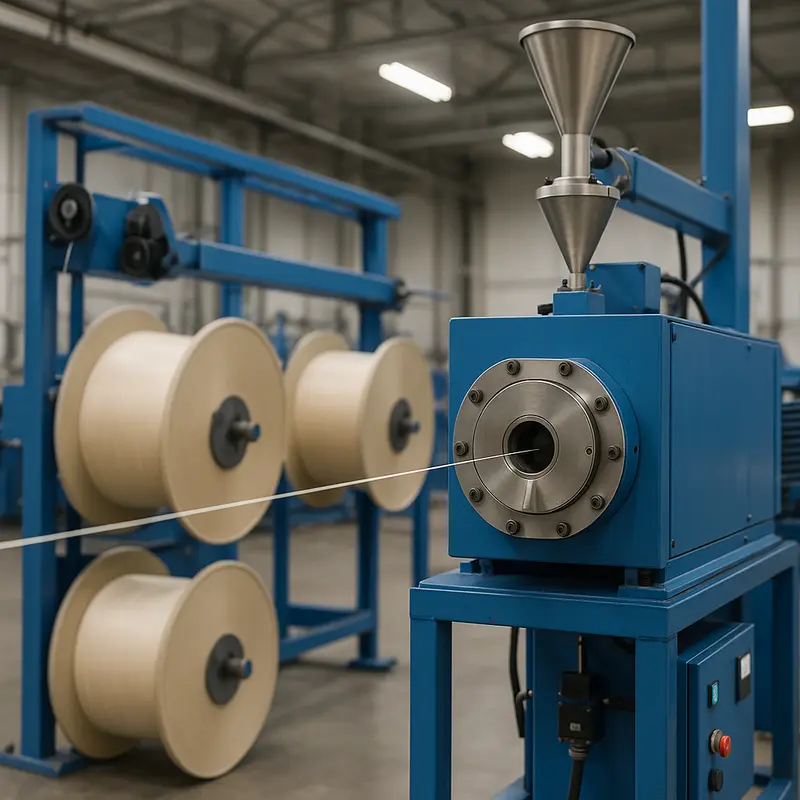
The production of tight-buffered fiber is central to the fiber optic industry, enabling high-performance cables essential for telecommunications and data transmission. While its critical role is widely recognized, understanding the underlying extrusion process offers a glimpse into the precision and technical complexity that defines the manufacturing workflow.
At its core, tight-buffered fiber manufacturing involves coating optical fibers with a protective layer of polymer material, typically a robust thermoplastic or UV-curable resin. This process is achieved using extrusion technology, a method that provides the fiber with mechanical protection while maintaining its optical integrity. The tight buffer significantly enhances the fiber’s resistance to environmental stressors like moisture, temperature fluctuations, and physical damage. Additionally, it makes the fiber easier to handle during installation, as individual fibers can be terminated and connected directly without requiring additional layers of protection.
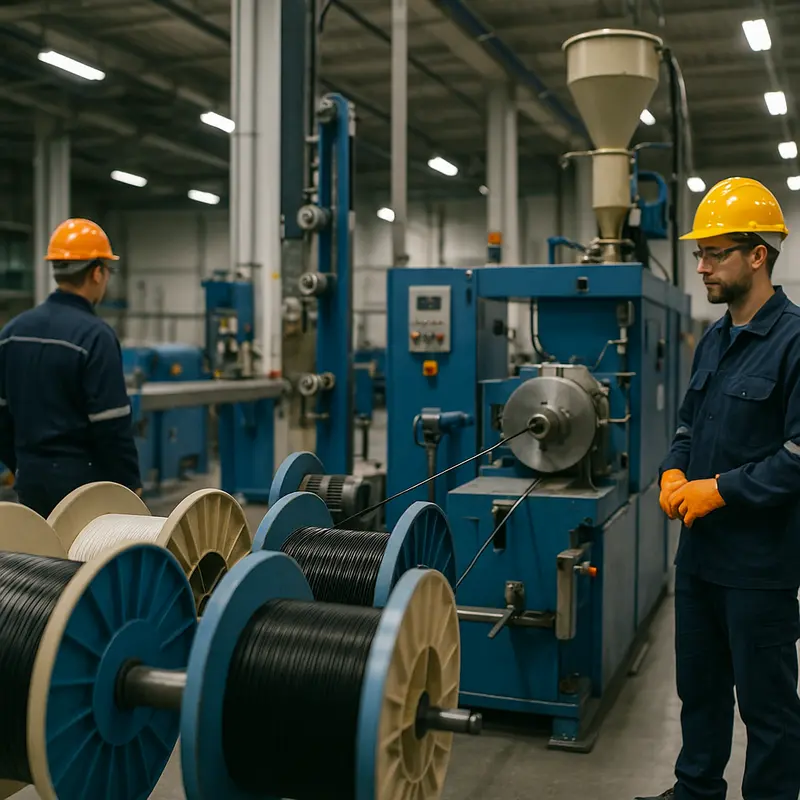
The extrusion process is a multi-stage workflow that requires meticulous attention to detail. First, raw optical fibers—typically produced by manufacturers specializing in preform drawing—are fed into the extrusion line. These fibers undergo a series of treatments to ensure they are clean and free of contaminants, which could compromise the adhesion of the polymer buffer. Once prepared, they pass through an extrusion die, where the polymer material is applied uniformly along the fiber’s length. Temperature control is critical in this stage to ensure the polymer flows correctly and adheres seamlessly to the optical fiber.
Another pivotal component of the extrusion process is curing. UV-curable materials require precise exposure to ultraviolet light, enabling rapid hardening and bonding. Thermoplastic materials, conversely, harden as they cool after extrusion. Achieving uniform curing or cooling is essential to maintaining the fiber’s mechanical properties and ensuring a consistent buffer thickness.
Quality control procedures are integrated throughout the workflow to monitor parameters such as buffer diameter, concentricity, and adhesion characteristics. Advanced sensors and cameras are often employed for real-time defect detection, enabling manufacturers to adjust operations dynamically and reduce waste. Precision at this stage not only ensures compliance with industry standards but also affects the overall performance and longevity of the cables derived from tight-buffered fibers.
For anyone seeking deeper insight into fiber optic production techniques, understanding the extrusion line construction is indispensable. While specific guidelines or tools detailing this process may be scarce, overarching production principles, as detailed here, provide foundational knowledge for designing and optimizing fiber manufacturing facilities.
In conclusion, tight-buffered fiber production exemplifies the confluence of advanced material science and engineering precision. From polymer selection to extrusion and curing, every step is meticulously orchestrated to produce fibers capable of supporting modern communication needs reliably and efficiently. As we delve further into the technical nuances of this process, the significance of specialized equipment and facility layouts becomes increasingly evident.
Essential Machinery for Streamlining Tight Buffered Fiber Production
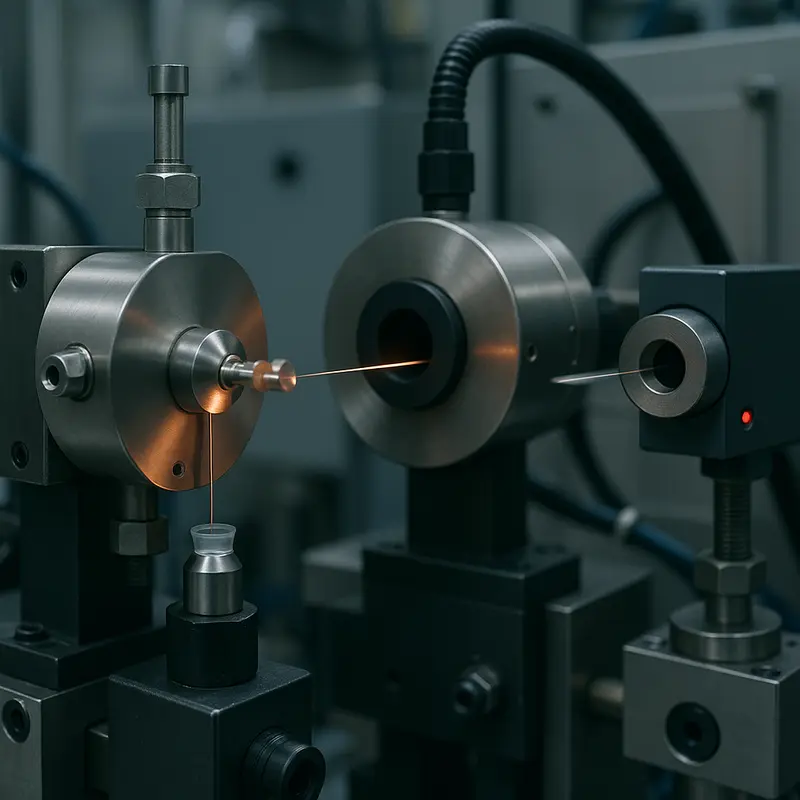
The production of tight buffered fiber cables is a meticulous process that requires the use of sophisticated machinery designed to meet industry standards. While understanding the extrusion process provides a foundation, the equipment itself is the backbone of manufacturing efficiency and product quality. This chapter dives into the critical machinery necessary for tight buffered fiber extrusion lines, explaining their functionality and contribution to streamlined production workflows.
Precision Extrusion Machines: The Heart of the Workflow
Extrusion machines play a pivotal role in shaping the polymer buffer coating around optical fibers. These machines ensure consistent dimension control, minimizing variations that could compromise the cable's performance. High-end extruders are equipped with advanced temperature and pressure regulators, delivering optimal conditions for the polymer extrusion. The inclusion of features like automated monitoring systems further enhances production accuracy, reducing waste and ensuring operational consistency.
Cooling Systems for Stabilized Polymer Application
Once the hot polymer is extruded onto the optical fiber, it requires immediate cooling to stabilize its shape and preserve its structural integrity. Cooling troughs or water baths are often employed in this critical phase. Efficient cooling systems not only expedite production but also improve buffer layer durability by preventing thermal distortions. This step ensures the cable is ready for further processing without deviations in quality.
Tension Control Devices
Maintaining proper tension is vital during the extrusion process to avoid fiber breakage or deformation. Specialized tension control systems monitor and adjust the pull force applied to the fibers, ensuring they remain undamaged and perfectly aligned during production. This equipment is particularly crucial when dealing with high-speed extrusion lines, as the risk of errors significantly increases with production velocity.
Laser Measuring Systems for Accuracy
Throughout the extrusion process, ensuring the precise diameter of the tight-buffered layer is imperative. Laser measuring devices are a staple in modern extrusion lines, offering real-time feedback on dimensional accuracy. Accurate measurements not only help maintain product standards but also provide immediate alerts in cases of deviation, allowing operators to make adjustments on the fly.
Rewinding and Take-Up Systems
Once the fiber has been tightly buffered, it is critical to wind it onto reels in a manner that supports transport and future usability. Automated rewinding and take-up systems ensure that the finished product is spooled with uniform tension and alignment. These systems reduce manual errors and prepare the cable for subsequent processes or market distribution.
Setting up the right machinery is fundamental to building an efficient production line for tight buffered fiber cables. Drawing on industry expertise and investing in advanced equipment paves the way for superior product outcomes and scalable manufacturing capabilities. To learn more about the tools that support cost-efficient fiber cable production, visit this guide to factory equipment.
Mastering Manufacturing Layouts: Achieving Workflow Precision for Tight-Buffered Fiber Production
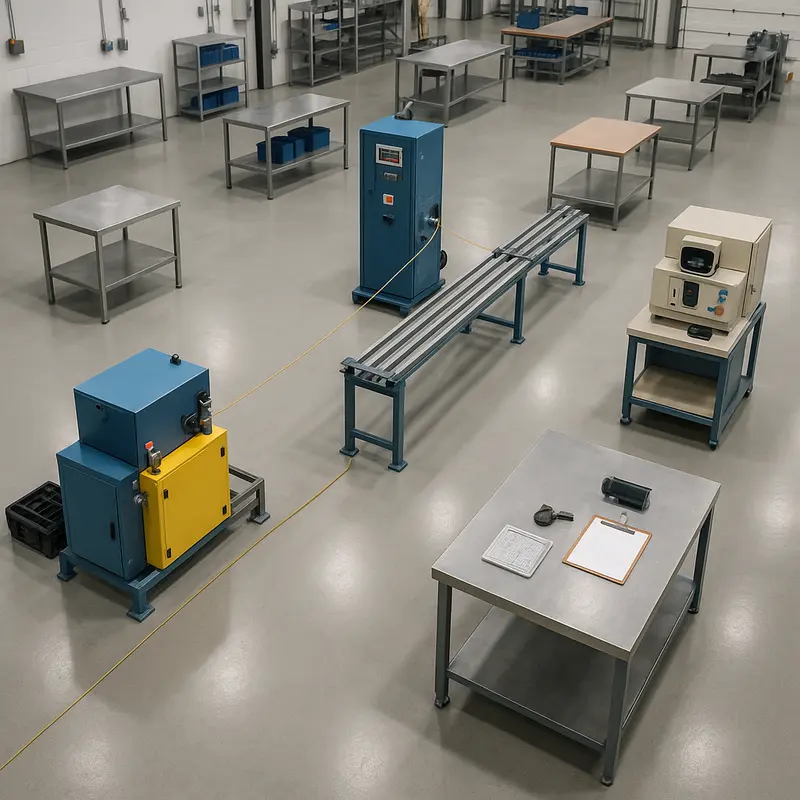
Designing an optimal manufacturing layout for efficient workflows is an integral step in ensuring the success of tight-buffered fiber extrusion lines. Every factory setup must strike a balance between streamlined processes and adaptability to changing production demands. When workflow precision is achieved, it not only reduces operational bottlenecks but also enhances productivity and decreases costs—vital factors when manufacturing tight-buffered fiber, where precision and consistency are paramount.
The Foundations of Layout Planning
Establishing a sound manufacturing layout begins with analyzing the production flow. Map out the sequence of operations required for tight-buffered fiber extrusion—from raw material preparation to the final extrusion process. This visual blueprint helps identify potential inefficiencies in movement or transitions. Minimizing the physical distance between related processes is a cornerstone of workflow precision; less wasted movement means faster production cycles and reduced labor costs.
Another key consideration is machinery placement. Equipment such as fiber pay-offs, tension controllers, and extrusion heads should be positioned to maintain a logical progression along the production line. For example, locate the extrusion head near winding stations to ensure seamless transfer of finished fibers. This principle of proximity allows operators to oversee multiple machines easily, reducing the risk of downtime or errors during production.
The Importance of Flexibility
While maximizing efficiency is critical, manufacturers should also design layouts that accommodate future growth or changes in product demands. Opt for modular setups, where individual components can be reconfigured as production needs evolve. Tight-buffered fiber production often incorporates specialized machinery that evolves alongside technological advancements. A well-designed layout anticipates this by providing open spaces for additional equipment or extended production lines.
Workstations should also be designed with adaptability in mind. Multi-functional spaces for testing, maintenance, or quality control can prevent congestion and ensure continuous operations. For instance, adding a shared workspace for optical fiber testing and troubleshooting reduces delays caused by machinery recalibration.
Safety and Ergonomics: Non-Negotiables
Engineering safety into the manufacturing layout is not just a regulatory requirement but a way to protect both operators and equipment. Wide aisle spaces between machines allow easy movement while reducing collision risks during transport of materials. Emergency stops should be highly accessible across all critical stages of the extrusion line. Additionally, design ergonomic workstations—workers perform optimally when their stations allow for comfortable operation without excess strain.
Leveraging Expert Insights
To further refine workflow efficiency, manufacturers can explore industry-specific guidance. For example, resources discussing fiber-optic workshop layouts detail how space optimization leads to smoother operations, especially for intricate production processes like tight-buffered fiber manufacturing. For more insights, visit AIMI Fiber’s guide on fiber-optic workshop layout.
By prioritizing workflow precision and thoughtful layout design, manufacturers of tight-buffered fiber extrusion lines set themselves up for operational excellence. A meticulously planned layout not only unlocks immediate performance benefits but also establishes a foundation for scalable, future-ready fiber production.
Precision in Process: Upholding Fiber Optic Quality Standards
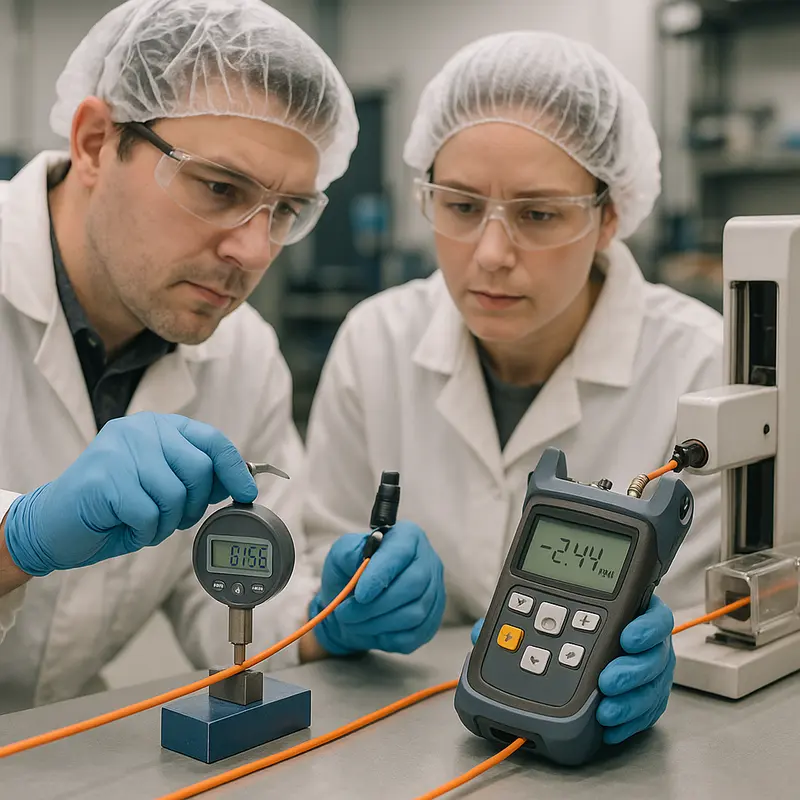
In the world of fiber optic manufacturing, where each millimeter of product must meet strict performance benchmarks, the importance of quality control and testing standards cannot be overstated. From ensuring that fiber attenuations remain within acceptable thresholds to validating cable tensile strength, meticulous oversight guarantees reliable network connectivity for end users. Yet, achieving such precision demands a seamless interplay of advanced equipment trials, exacting methods, and continuous evaluation.
To begin with, quality control in fiber optics starts during the pre-production phase. The materials—primarily glass or plastic fibers—undergo rigorous scrutiny. Purity levels determine the transmission capabilities of the final product, as any impurities can lead to signal losses. Here, adhering to standards such as ITU-T G.652 or G.657 ensures compatibility for applications ranging from long-distance communication to compact Fiber-To-The-Home (FTTH) networks. Following material evaluation, the extrusion process takes center stage. Poorly calibrated dies, uneven tension during extrusion, or even subtle inconsistencies in the protective coatings can result in irreparable flaws. Thus, real-time monitoring of these parameters remains a fundamental part of upholding production integrity.
Testing is the logical extension of a robust quality control system. Key metrics include transmission efficiency, bend radius tolerance, and mechanical durability. For example, signal attenuation tests ensure the optical signal loses minimal strength as it travels through the fiber—critical for maintaining efficiency in long-haul networks. Another important test is the fiber's environmental resistance. Optical fibers may be subjected to heat, humidity, and even corrosive elements during their lifespan. Accelerated aging tests, performed in specialized chambers, simulate these conditions to confirm that the protective layers can withstand them over time.
Moreover, maintaining strict quality checks during production has broader implications for manufacturing scalability. A production line that routinely produces defective units not only bears higher costs due to material waste but also risks damaging its reputation in a competitive market. For instance, operators in the FTTH segment face particularly high customer expectations, as end users demand not just speed but uninterrupted reliability. Addressing these demands goes hand in hand with having well-defined, internationally recognized testing protocols.
Finally, a modern approach to quality assurance involves automated systems. Using AI-driven visual inspection tools for surface irregularities or automated optical time-domain reflectometers (OTDRs) for signal testing accelerates the identification of defects before a batch leaves the factory floor. These technologies contribute to consistent reliability, allowing manufacturers to pivot quickly based on test data, improving yields without compromising integrity.
For manufacturers planning to establish or expand their operations, understanding the nuances of quality control and production standards is essential. A comprehensive foundation can be found here: fiber-optic workshop layout, which provides tips for setting up an efficient production facility tailored to these rigorous requirements. This structural preparedness ensures that every stage of manufacturing, from material selection to final testing, aligns with the ultimate goal—producing cables that perform seamlessly under real-world conditions.
Expanding Fiber Optic Production Without Compromising Quality
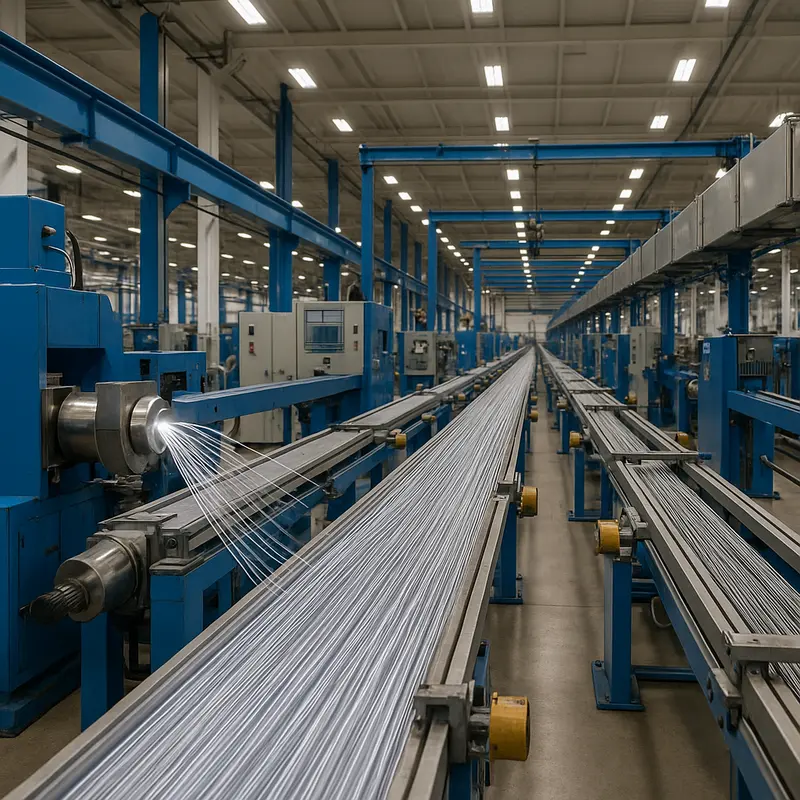
Scaling the production of fiber optic cables is a multifaceted challenge, requiring a careful balance between efficiency, cost effectiveness, and maintaining the high standards that define the industry. As demand for fiber-based connectivity surges globally, due in part to the rollout of FTTH (Fiber to the Home) initiatives and other advanced networking solutions, manufacturers must navigate the complexities of growth without allowing quality to falter. Expansion does not only mean increasing capacity but also involves upholding meticulous attention to details that ensure long-term reliability and brand trust.
At the heart of this balancing act lies the tight-buffered fiber extrusion line, a vital process in manufacturing durable and high-performance fiber optic cables. When production scales, every stage of this workflow must remain consistent to prevent defects that can compromise signal integrity. However, ensuring continuity in quality standards under increased demands requires investment, not just in machinery but also in training, monitoring, and workflow optimization.
One indispensable approach to scaling production effectively is to implement advanced automation technologies. Automation can assist in minimizing human errors, regulating precise tolerances, and reducing wastage during the extrusion process. Coupled with intelligent monitoring systems, manufacturers can instantly detect and correct anomalies, ensuring that the quality and performance of the end product remain uncompromised regardless of output volume.
However, automation alone is insufficient. Establishing a scalable fiber optic production workflow also demands flexible operational strategies. For example, modular production line designs allow manufacturers to incrementally expand their capacity without the need for an overwhelming upfront investment. Such modular setups are especially advantageous for adapting to varying customer demands, capitalizing on technological advancements, and addressing specific market trends. For manufacturers looking to expand their facilities, designing scalable and efficient factory layouts offers a solid foundation.
Moreover, sustaining the integrity of production standards during scaling hinges on the workforce's expertise. Scaling efforts should be matched with robust training programs, emphasizing the nuances of fiber optic manufacturing and the critical checkpoints at which quality control is crucial. An experienced team, combined with state-of-the-art equipment, ensures that even during rapid scaling, there are no lapses in evaluating performance specifications, tensile strength, and environmental durability.
Lastly, building or retrofitting a facility to accommodate greater volumes must also integrate sustainability considerations. Environmental impact regulations are becoming increasingly stringent, particularly in regions emphasizing greener industrial practices. By upgrading production lines with energy-efficient technologies and processes, manufacturers set themselves apart in the competitive fiber optic market.
Scaling fiber optic production without compromising quality is a fine art of integrating new technology, modular facility upgrades, workforce training, and vigilant quality control mechanisms. Each of these aspects interlinks to ensure that even as factories grow to meet global demand, the final product continues to exceed performance expectations and garners trust from end users.
Final thoughts
Building a tight buffered fiber extrusion line involves understanding fiber optics, acquiring the right machinery, and implementing efficient workflows. Beyond setup, maintaining quality standards and preparing for scalable production ensure long-term operational success. With proper planning and execution, you can meet the growing demands for high-performance fiber optics in telecommunications and beyond.
Need expert assistance in launching your fiber optic production line? Contact AIMIFIBER for end-to-end OEM/ODM solutions today.
Learn more: https://aimifiber.com/contact-us/
About us
AIMIFIBER provides pre-terminated fiber optic solutions, FTTH drop cables, patch cords, pigtails, FTTA products, and customized fiber assemblies for telecom and data center projects. Our OEM/ODM service ensures tailored solutions for your business needs.