Should I choose Corning OptiTap for FTTH drops in harsh outdoor environments?
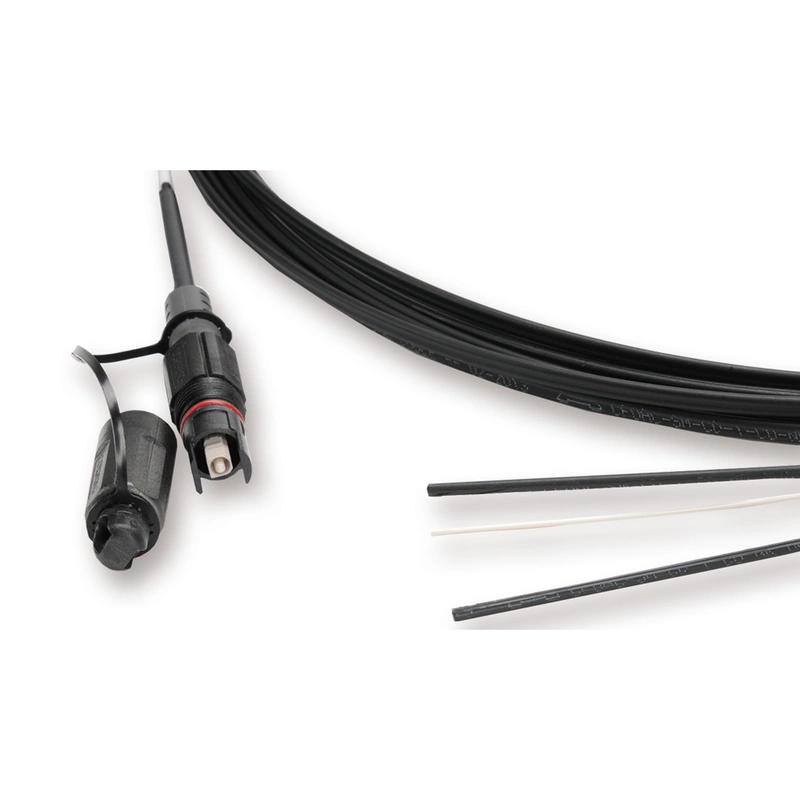
Fast FTTH rollouts die from small failures—UV-brittled boots, cracked O-rings, dust past worn caps. I’ve seen one bad drop knock out a whole PON segment. If you want fewer truck rolls, standardize on hardened ecosystems like Corning OptiTap® drops + OptiSheath® terminals (with ROC™ OptiTap® FastAccess drop cables) for sealed, plug-and-play installs.
My short answer: Standardize on Corning OptiTap for the access/drop segment when you need sealed, plug-and-play FTTH drops with proven environmental protection and speed. Pair OptiTap ports on terminals with OptiTap drop assemblies, and keep a small spares kit by climate. You get faster turn-ups, cleaner handovers, and fewer disputes.
OptiTap overview ·
OptiTap family search
I’m Sophie Wang at AIMIFIBER. On large EU/LatAm builds, I’ve moved teams from “mix-and-match” to a single hardened ecosystem—terminals, drops, and adapters. The result: predictable installs, better IL/RL acceptance, and fewer after-rain calls.
What problems does a hardened drop connector like OptiTap actually solve?
Snippet: Hardened single-fiber connectors such as OptiTap are designed for network access and drop segments where heat, cold, moisture, and dust destroy regular jumpers. They enable faster, tool-light installs and lower lifecycle cost because the sealing and strain-relief are engineered for the outside plant, not the equipment room.
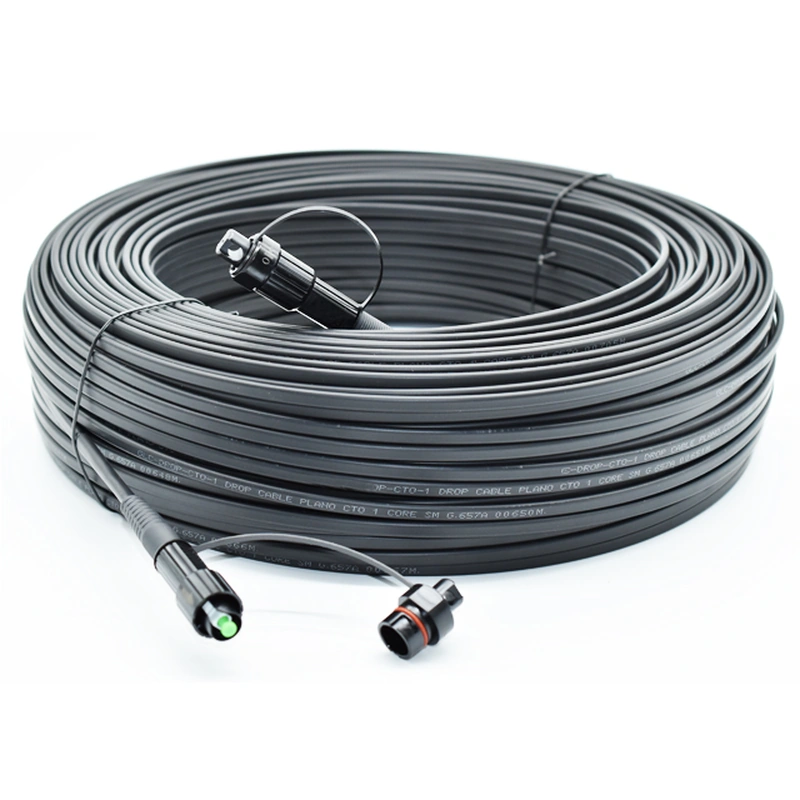
| Pain point | What happens in the field | Hardened design response |
|---|---|---|
| UV + heat/cold cycling | Boots harden, micro-gaps form, water ingress | Molded housings, grommets, O-ring stack, strain relief |
| Dirt/dust/rain | Intermittent reflection, IL spikes | Sealed interfaces, dust-tight design |
| Slow turn-ups | Extra labor at each drop | Plug-and-play ports and quick drops reduce steps |
Which Corning hardware should I pick to build the drop side cleanly?
Snippet: For MDUs and neighborhoods, use OptiSheath® MultiPort terminals with OptiTap® ports and feed them with ROC™ OptiTap® drop cables. Where splitting is needed at the edge, select OptiSheath® Splitter variants (1×4 / 1×8) with IP68 environmental protection. This keeps the entire last-mile plug-and-play and sealed.
| Node | Product family | Why it matters |
|---|---|---|
| Multi-port terminal | OptiSheath® MultiPort / Flex Terminal | Sealed for OSP; incremental subscriber connections; predictable installs. |
| Splitter at the edge | OptiSheath® MultiPort Flex Splitter Terminal | IP68 environmental protection with integrated splitter—reduces distribution fiber count. |
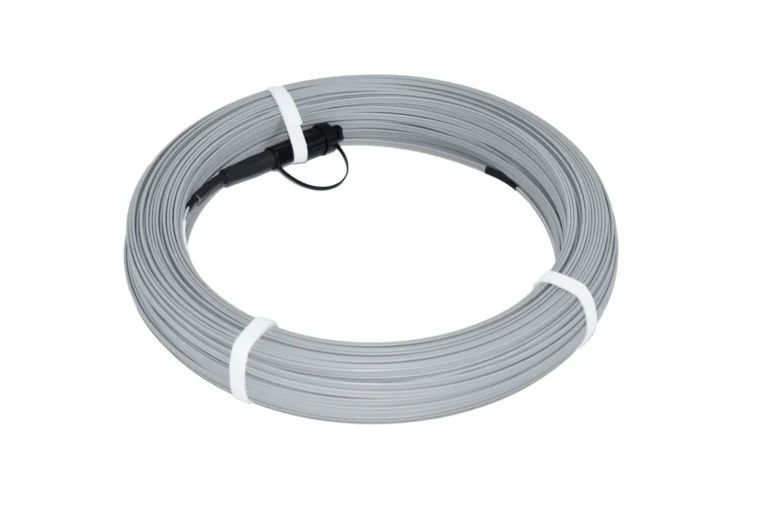
| Drop to the customer | ROC™ OptiTap® Drop Cable Assembly (FastAccess®) | OptiTap connector durability; FastAccess jacket for faster handling and slack control. |
| Adapter to indoor SC | OptiTap® Hybrid Adapter (OptiTap ↔ SC) | Hardened outside, SC inside—simplifies transitions at NIDs/ODPs. |
Official resources:
OptiTap® Hardened Connector (overview) ·
OptiTap®/OptiSheath®/ROC™ family
Is “IP68” on a datasheet enough—and what conditions should I ask for?
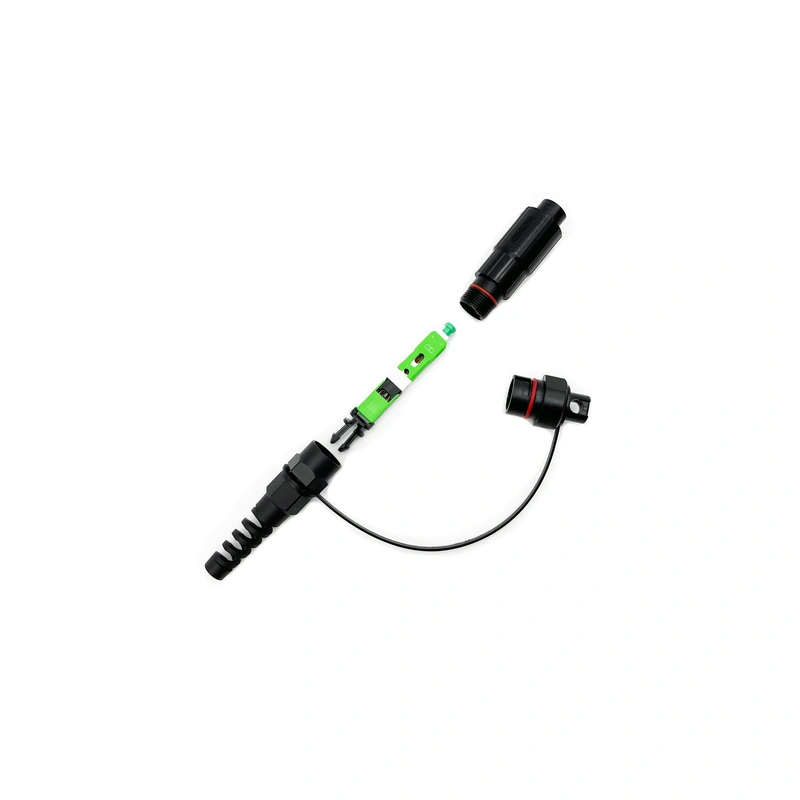
Snippet: “IP68” alone is not a spec unless the test conditions are stated. On hardened terminals (e.g., OptiSheath Splitter), confirm IP68 plus the test method (IEC 60529), immersion depth/time/pressure, temperature cycling, UV aging, and salt-fog hours. Ask for report IDs and tie them to your acceptance pack.
| Rating/Item | Typical vendor claim | What you must verify |
|---|---|---|
| IP67 | 1 m / 30 min, dust-tight | Brief immersion only—avoid floods |
| IP68 | Continuous submersion (conditions define) | Depth/time/pressure, temperature cycles, salt-fog, report ID |
| Salt fog | “Passed” | Duration (e.g., 96–720 h) + standard |
| UV aging | “Outdoor grade” | Hours, spectrum, pass criteria (no cracks, Δcolor) |
Internal reads:
Pre-terminated vs. field termination ·
FTTH drop cable types
Do I need field-installable hardened connectors for restoration?
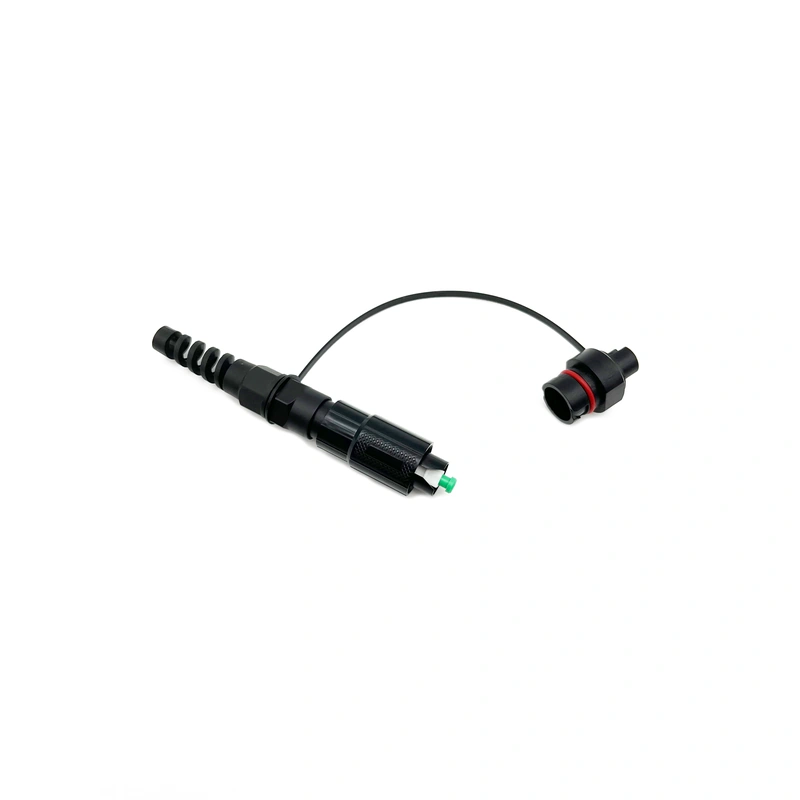
Snippet: When you must restore service quickly, OptiTap Field-Installable Connectors provide fast, epoxy-free mechanical splice terminations with a go/no-go feedback feature. Teams use them for emergency cuts or custom lengths where a factory drop isn’t available. Keep a few per region in the spares kit.
| Use case | Field-installable OptiTap | Factory preterminated drop |
|---|---|---|
| Emergency restore after dig-up | Yes—minutes matter | Not practical to wait |
| Unique lengths / odd routing | Yes—custom on the spot | Needs forecast |
| Mass rollouts / standard drops | Keep as backup only | Best—consistent IL/RL, sealed at factory |
Conclusion
If your last-mile must survive sun, cold, dust and puddles while keeping installs fast, OptiTap is a safe, documented choice: hardened terminals and drops for the access segment, optional field-installable connectors for restores, and clear IP paperwork for audits. If you want my acceptance pack template (IP conditions, spares list), email sophie@aimifiber.com—I’ll share our audit-ready version.