Are Pre-terminated Fiber Assemblies the Best Choice for 5G Macro & Small-Cell Rollouts?
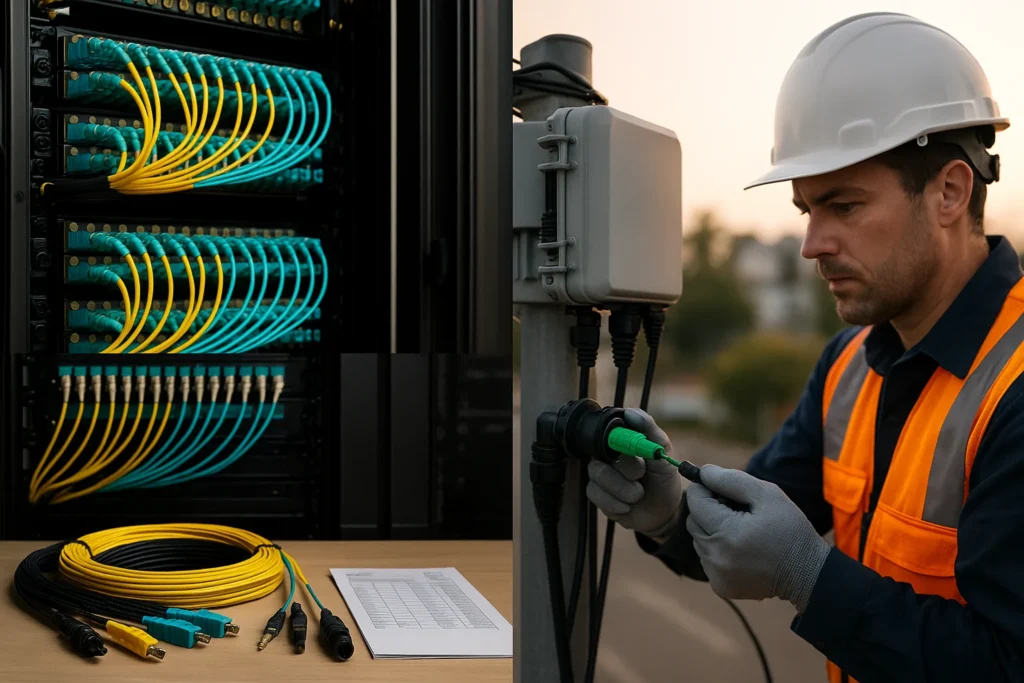
Rollouts stall when crews terminate on poles and rooftops. Wind, dust, and cramped boxes slow every step. I move precision work into our factory and ship tested assemblies cut to route. Field teams clean, mate, torque, verify, and hand over—fast.
Yes. Pre-terminated fiber assemblies speed 5G turn-up with plug-and-play links. Factory-installed and tested connectors deliver low insertion loss and stable return loss. Hardened interfaces keep dust and moisture out. That shortens site time, reduces rework, and keeps acceptance predictable across clusters.
On a macro-site upgrade in the US, a PM told me each night shift slipped because of field polish and retests. We switched to MTP/MPO trunks, labeled breakouts, and hardened drops. Tasks shrank to cleaning, mating, and torque checks. The schedule recovered in one sprint.
What Makes Field Cabling So Risky for 5G Towers and Small Cells?
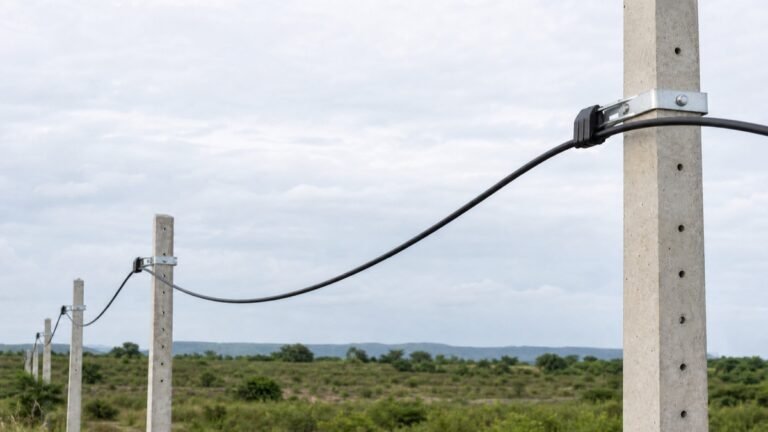
When time windows are tight, the street is not kind to optics. Weather, fatigue, and tight enclosures add variance. That is how delays and truck rolls multiply.
Field termination adds time, tools, and weather risk. Wind and dust push IL/RL out of budget, cramped boxes raise handling errors, and retests burn the shift. This is why many 5G teams move precision work into the factory and ship hardened, labeled assemblies. For basic link hygiene and loss checks, see our guide on how to check a fiber connection.
The core challenges
- Labor & time: strip/cleave/polish/splice in the open air.
- Skill & tools: fusion splicer, cleaver, OTDR/OLTS, scopes.
- Consistency: variable IL/RL under pressure and bad weather.
- Density: tight boxes and mixed OEM radios raise error rates.
| Challenge | Field Cabling | Pre-terminated Assemblies |
|---|---|---|
| Installation time | Long (hours/site) | Short (minutes to an hour) |
| Skill profile | Certified splicer | General installer |
| IL / RL | Variable | Documented, predictable |
| Weather impact | High | Low (sealed shells) |
What Exactly Is in a 5G Pre-terminated Assembly Kit?
The hard work moves off the street and into a lab. We terminate and polish under clean controls, verify IL/RL per serial, and label each leg to your drawings. On site, the checklist stays short and repeatable.
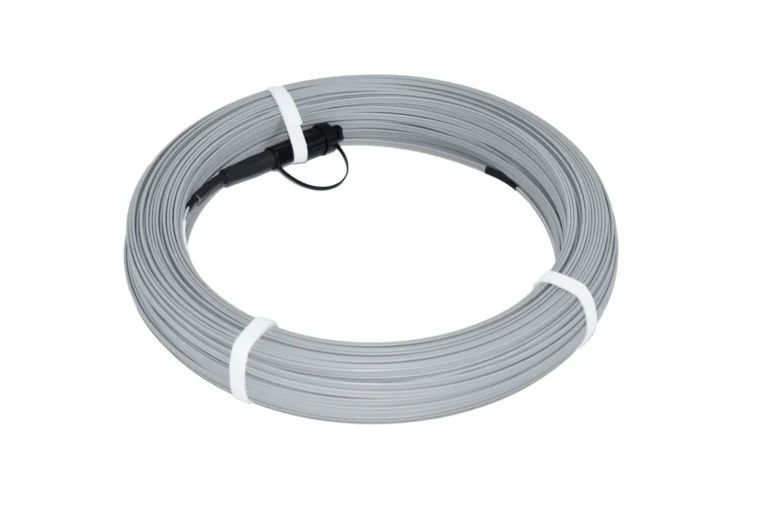
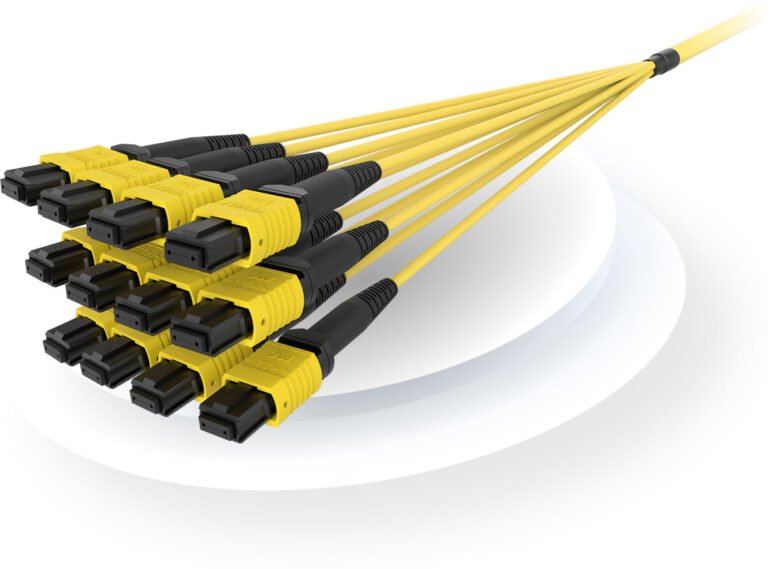
A 5G kit combines MTP/MPO trunks, breakout harnesses, and hardened drops (OptiTap/ODVA/FullAXS/NSN/PDLC). Each piece ships cut-to-length with serial IL/RL, polarity, and a packing/label map. Crews clean, mate, torque to spec, verify, and close the site. If you need the end-to-end flow, here is our installation playbook.
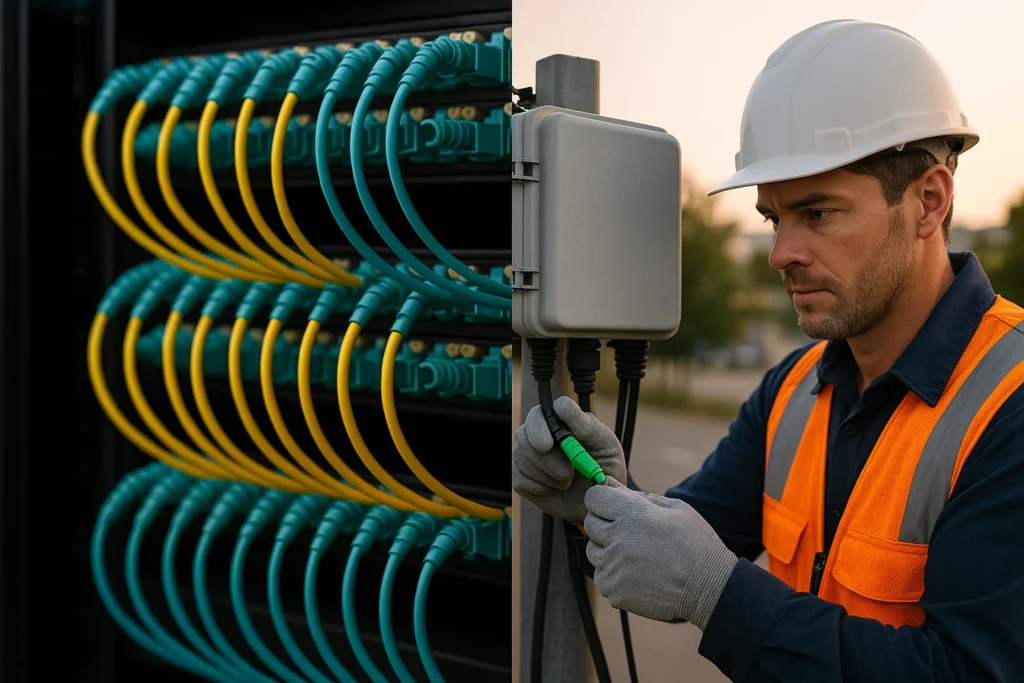
Components at a glance
| Block | Role | Typical Options | Notes |
|---|---|---|---|
| Trunk (backbone) | BBU/DU ↔ hub/terminal | OS2; MTP/MPO 8/12/24F | Pulling eye optional |
| Breakout harness | MTP → LC/SC by radio | LC/UPC or LC/APC | Pre-labels match radios |
| Hardened drop | Terminal ↔ RRU/small cell | OptiTap / ODVA / FullAXS / NSN / PDLC | IP67/68 shells |
| QA pack | Acceptance & trace | IL/RL per serial; polarity; packing map | Barcodes / QR |
How Do Hardened Interfaces Change Field Workflow?
Hardened shells cut dust and moisture, reduce tool count, and make torque-to-spec mating consistent. That turns open-air fiber work into a short, reliable script—even with mixed OEM radios.
Hardened interfaces move “fine optics” risk inside the factory. In the field you clean, align keys, click or thread, torque to spec, and verify IL/RL. Shells like OptiTap, ODVA, and FullAXS standardize steps and shorten the window on poles and rooftops. For IP sealing classes, see IEC’s overview of IP ratings (IEC 60529).
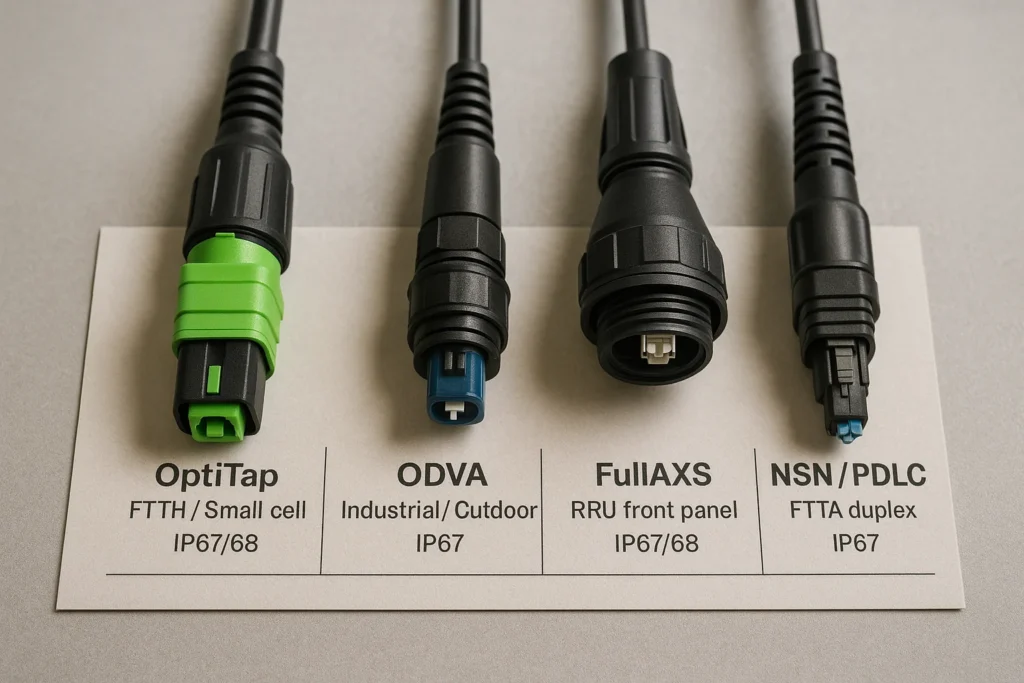
Common hardened interfaces
| Interface | Typical Use | Seal Class | Notes |
|---|---|---|---|
| OptiTap | FTTH / Small cell | IP67/68 | SC/APC core, very fast mate |
| ODVA | Industrial / Outdoor | IP67 | LC/SC shells, robust |
| FullAXS | RRU front panel | IP67/68 | LC/MPO options |
| NSN/PDLC | FTTA duplex | IP67 | LC in rugged boot |
QA references: IEC 60529 (IP ratings) · IEC 61300-3-35:2022 (end-face inspection) · OLTS/OTDR practices by EXFO / Fluke Networks.
What Acceptance Targets Should 5G Teams Use On-Site?
I use factory serial data as the baseline and verify after cleaning. That keeps acceptance objective and fast.
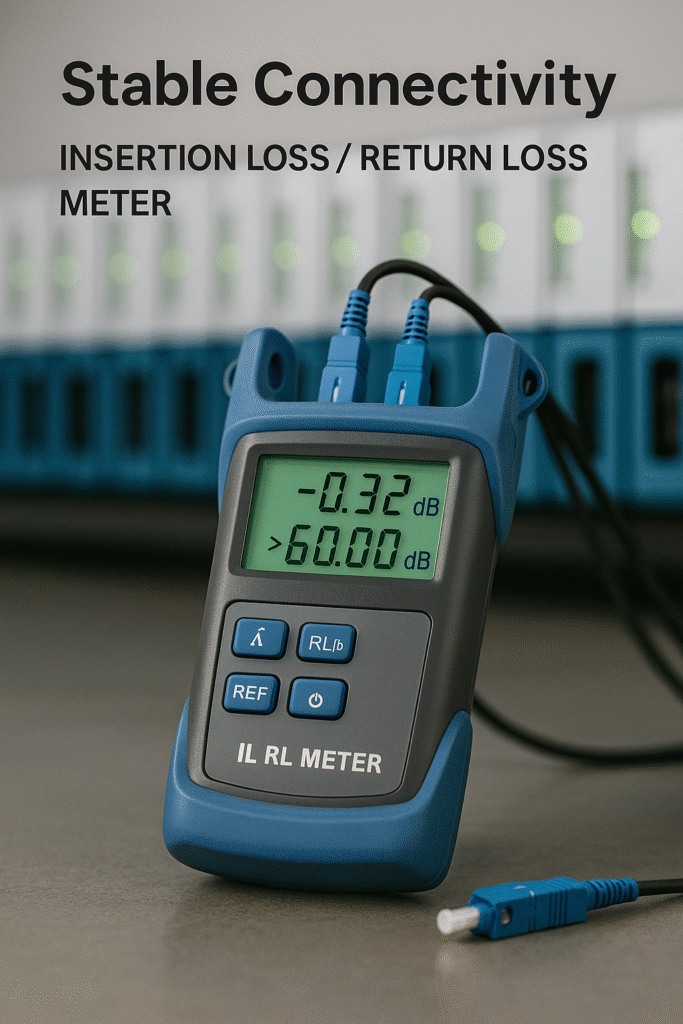
Typical targets: LC IL ≤0.35 dB; LC/APC RL ≥60 dB; low-loss MPO IL ≤0.20–0.35 dB; SM MPO RL ≥26 dB. Inspect end-faces per IEC 61300-3-35. Verify polarity and torque to shell spec before closing cabinets. For a quick refresher on pass/fail and retest flow, see EXFO’s note on loss testing & retest and Fluke’s white paper on standards-compliant end-face certification.

“Close the site” checklist
| Step | Tool | Pass Criteria | Evidence |
|---|---|---|---|
| End-face inspect | Scope | IEC 61300-3-35 pass | Scope photo |
| Polarity verify | Visual tracer | Tx→Rx correct | Labeled photo |
| IL/RL test | OLTS/OTDR | Within budget | CSV export |
| Torque check | Wrench / spec | Per shell spec | Photo + note |
How to Order 5G Assemblies Without Rework?
Speed at the site comes from clarity before PO. I freeze lengths per pole, polarity (A/B/C), MPO pinning, connector polish (UPC/APC), jackets (LSZH/OSP PE/armored), hardened shell type, label schema, batches, and Incoterms.
Confirm fiber type, counts, lengths per route, jacket, connector polish, polarity scheme, MPO pinning, pulling eyes, and label schema. Require serialized IL/RL and a packing/label map aligned to your drawings and batches. That removes guesswork and prevents returns. If you need templates, review our procurement & installation checklist insights.
Procurement & QA (copy/paste)
| Item | Spec | Doc | Lead Time | Incoterm |
|---|---|---|---|---|
| Trunk & drops | OS2; 8/12/24F; length map | BOM + drawings | 2–4 wks | EXW/CIF |
| Hardened shells | OptiTap/ODVA/FullAXS/NSN/PDLC | Photo sample | ||
| Polarity/pinning | A/B/C; pinned/unpinned | Schematic | ||
| Jackets | LSZH / OSP PE / armored | Materials list | ||
| Test pack | IL/RL per serial | CSV + paper | ||
| Packing | Reel/box; lot split | Packing map |
Conclusion
Pre-terminated fiber assemblies move fragile work into the factory and bring speed to the street. I ship MTP/MPO trunks, labeled breakouts, and hardened drops that crews can install and verify fast. You gain time, predictable IL/RL, and fewer truck rolls—across macro sites and small cells. If your 5G plan depends on schedule and SLA, this is the most direct way to hit targets.