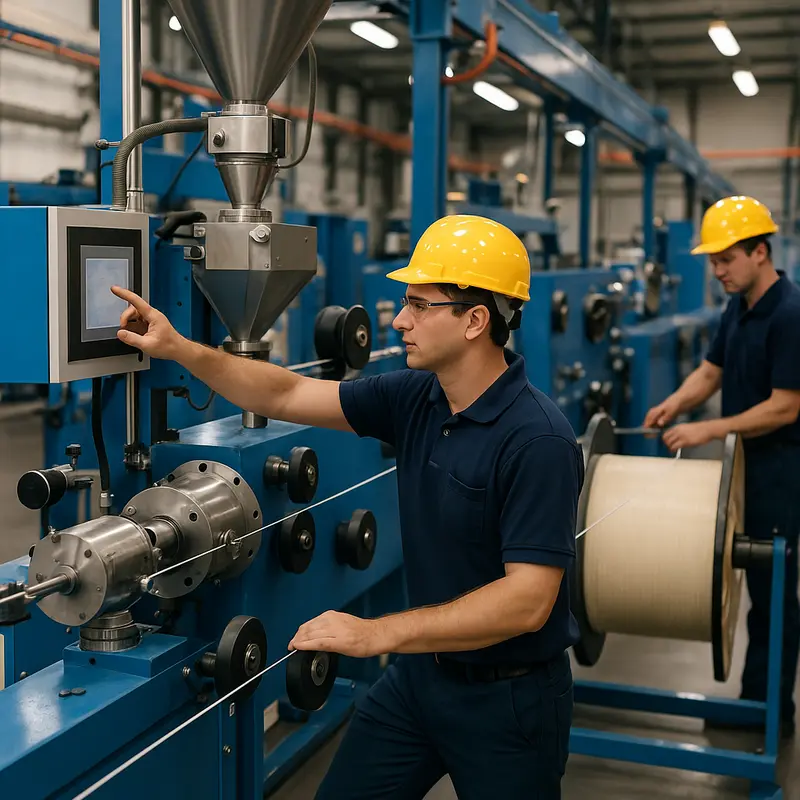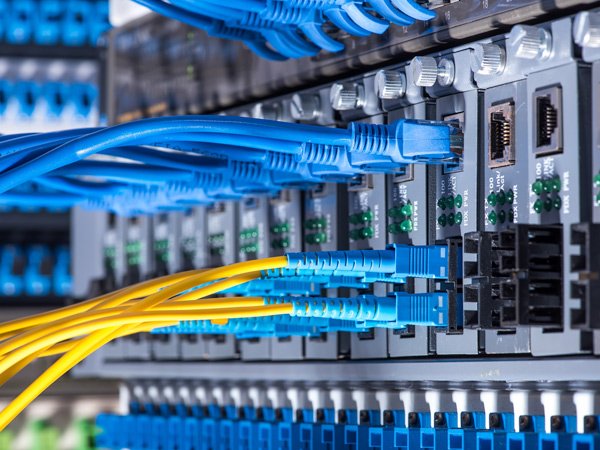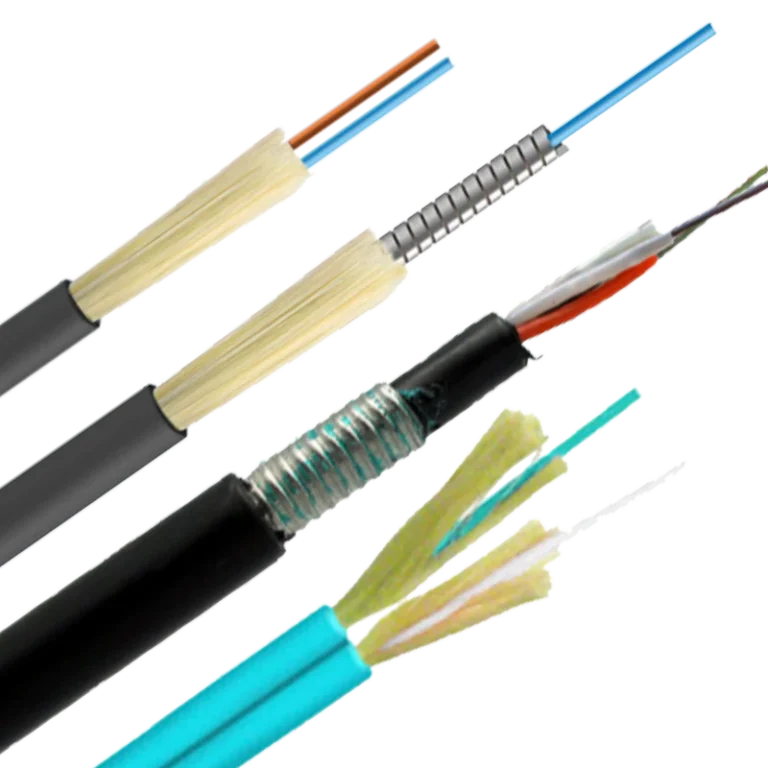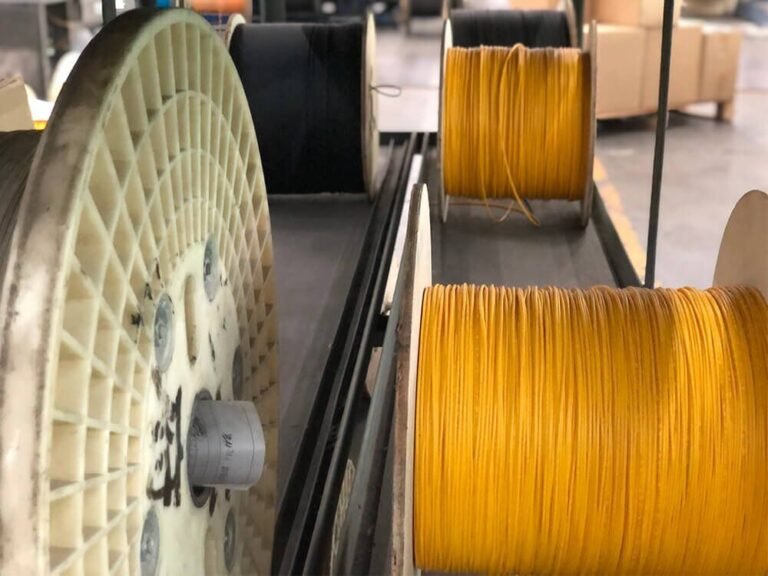
Achieving precision in fiber optic cable extrusion is critical to maintaining high performance in telecom and data transmission applications. Two of the most vital parameters in this process are the outer diameter (OD) and tension of the fiber cable. Mismanagement of these factors can lead to signal loss, structural damage, or cable rejection during quality checks. This article explores practical, technical strategies to master OD and tension control. Chapter one discusses methods to regulate the outer diameter. Chapter two emphasizes tension adjustment techniques. We’ll then explore the influence of temperature settings in chapter three. Monitoring systems for real-time quality control are elucidated in chapter four. Finally, chapter five delves into the impact of materials on OD and tension stability. By the end, readers will be equipped with actionable insights for better precision, reduced waste, and enhanced productivity in fiber optic cable extrusion.
Precision Techniques for Controlling Outer Diameter in Fiber Cable Extrusion
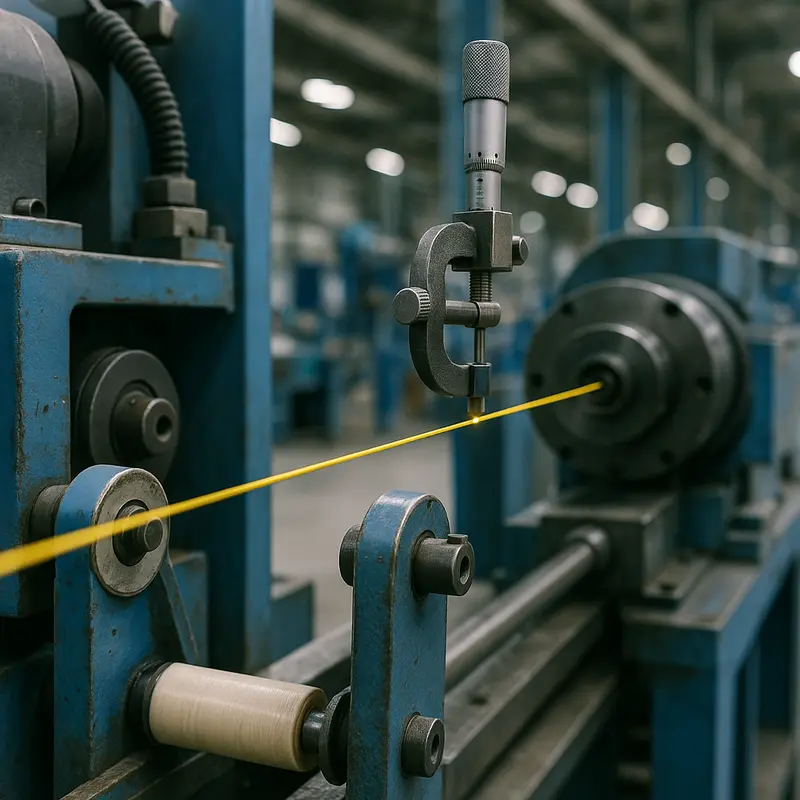
The production of high-quality fiber optic cables relies heavily on maintaining consistent control over the outer diameter of the cable during the extrusion process. Any deviation can result in performance compromises, including attenuation, signal disruption, or mechanical failures during installation. Mastering diameter control requires a deep understanding of the interplay between extrusion line equipment, material selection, and process parameters.
At the heart of diameter regulation lies the extrusion die itself, a precision-engineered component that plays a pivotal role in shaping the molten polymer as it encases the fiber. Selecting the right die dimensions and ensuring its compatibility with the intended cable design is critical. Misalignment or improper calibration of the die can lead to uneven wall thickness or fluctuations in diameter. Regular maintenance and inspection of the die are therefore integral components of quality control, ensuring that wear and tear do not introduce variances in performance.
Equally important is managing the extrusion pressure and temperature. The flow of molten polymer through the extrusion line is directly affected by these two factors. Variations in temperature can cause the polymer to expand or contract erratically, while fluctuations in pressure can alter how the material envelops the fiber. Advanced extrusion lines utilize feedback-controlled systems to stabilize these parameters, constantly monitoring and adjusting them in real-time to maintain uniformity across the length of the cable.
Another critical factor in achieving precise diameter control is the cooling process. After exiting the die, the fiber cable passes through a series of water baths or air chambers designed to solidify the molten jacket. The speed and consistency of cooling impact the final dimensions of the cable. Uneven cooling can lead to material shrinkage or deformation. As a best practice, manufacturers often employ multi-stage cooling systems where temperature gradients are meticulously managed to prevent abrupt thermal shocks.
Monitoring systems such as laser micrometers have become indispensable tools for diameter control. These systems measure the outer diameter in real time, providing immediate feedback to adjust process parameters as needed. When integrated with automated extrusion lines, laser micrometer systems allow for precise corrections during production, minimizing downtime and reducing overall material waste.
The role of the operator cannot be overlooked, even in highly automated setups. Skilled technicians interpret data from monitoring systems, perform routine checks, and address anomalies that automated systems may not fully resolve. Their expertise bridges the gap between machine precision and process imperfections.
For further insights into setting up and optimizing the extrusion process, visit this guide on extrusion setup for fiber cables.
In summary, controlling the outer diameter during fiber cable extrusion is both an art and a science. It requires synchronizing equipment precision, material behavior, and human expertise. By adopting advanced monitoring technology, proactive maintenance, and robust process control, manufacturers can meet the stringent standards essential for modern fiber optic networks.
Mastering Tension Control for Uncompromised Fiber Cable Precision

Ensuring precise tension control during the extrusion of fiber cables is pivotal to maintaining dimensional uniformity and achieving high performance in the final product. Tension fluctuations in the manufacturing process can lead to deformed cables, impaired transmission properties, and unnecessary material wastage. Mastery over tension control is, therefore, not just a technical necessity but an essential driver of quality, cost-efficiency, and long-term operational success.
The Critical Role of Tension in Fiber Optic Extrusion
Fiber cable extrusion is a delicate balance of synchronized processes, where even minor deviations in tension can ripple across the production line. Tension too high could stretch or thin the fiber components, altering their mechanical properties and compromising durability. Conversely, insufficient tension risks sagging or uneven distribution of layers, which can lead to poor cable roundness and inconsistent optical performance.
One of the central challenges in tension management is its dynamic nature. As extrusion speeds increase to meet production demands, the forces acting on the cables can fluctuate due to factors such as reel inertia, inconsistent winding speeds, or changes in material viscosity resulting from temperature variations. Thus, developing a control strategy capable of adapting to these shifts in real-time becomes essential to avoid inconsistencies.
Techniques for Maintaining Consistent Tension
Modern extrusion lines often incorporate advanced tension control mechanisms, such as torque-controlled pay-offs and take-ups, along with load cell feedback systems. These components monitor cable tension moment-by-moment, making micro-adjustments to the speed and force applied during the winding process. Incorporating automated tension compensation ensures that production runs remain stable even at varying process speeds.
Additionally, using precision-engineered tension brakes or clutches allows manufacturers to maintain fine control over tension levels without abrupt interruptions. These systems can be calibrated to suit the specific properties of the cable being manufactured, such as its weight and diameter, minimizing the risk of deformation.
Central to a robust tension control system is a thorough understanding of the material characteristics – particularly elasticity and thermal expansion. Pre-calculation of tension windows based on these parameters serves as a blueprint for setting operational limits, ensuring the process remains within tolerances even under changing conditions.
For best results, operators can benefit from integrating proportional-integral-derivative (PID) controllers, which dynamically adjust the extrusion speed and tension output. These controllers contribute to a closed-loop feedback setup that can react almost instantaneously to deviations, preventing faults and safeguarding the structural integrity of the fiber cable.
Collaboration Between Systems and Operators
While automation has significantly enhanced tension management, the role of human expertise cannot be overstated. Regular inspections and calibration of tension control equipment are indispensable for ensuring sustained accuracy. Operators should also monitor external variables, particularly in cases where environmental shifts – such as humidity changes – may impact material behavior.
For manufacturers setting up or optimizing their operations, choosing the right extrusion equipment tailored to tension sensitivity is critical. Customizing systems for specific cable types ensures higher precision from the outset, reducing the need for corrective measures later.
By combining cutting-edge automation and operator vigilance, manufacturers can achieve tension control that not only meets production demands but also paves the way for innovation in cable design and application.
Mastering Temperature Precision for Perfect Fiber Cable Dimensions and Tension

In the fiber cable extrusion process, temperature control is instrumental to achieving optimal outer diameter and tension. The properties of fiber cables—such as their structural integrity and transmission efficiency—depend heavily on precise temperature settings throughout various stages of extrusion. While external factors like ambient conditions and equipment quality play supporting roles, temperature emerges as the primary variable engineers must master to ensure consistent production outcomes.
The Role of Preheating Zones
The extrusion process begins with the preheating of raw materials, usually in the form of polymer granules. The temperature in this initial zone determines the viscosity of the polymer as it enters the extrusion chamber. A temperature that is too low may lead to insufficient melting, causing inconsistencies in flow and creating surface irregularities in the final product. On the other hand, overly high temperatures can degrade the material, compromising the tensile strength of the fiber.
Carefully calibrated preheating ensures a uniform and well-prepared feedstock, setting the stage for smooth and predictable extrusion. Modern extrusion setups often incorporate advanced temperature monitoring systems at this stage to detect and adjust for fluctuations in real time.
Controlling Extrusion and Cooling Temperatures
Temperature plays a dual role during the actual extrusion process: shaping the outer diameter and influencing tension. As the molten polymer is pushed through the extrusion die, the temperature must be consistent across the length of the chamber. Variations could lead to uneven expansion, resulting in changes to the fiber's outer dimensions. This is especially critical for telecommunication-grade fiber cables, where even micro-level deviations can impact signal integrity.
The cooling phase is equally crucial. The transition from molten to solid state determines the final mechanical properties of the cable. Rapid cooling may induce thermal stresses, negatively affecting the cable’s tension. Conversely, insufficient cooling can result in deformation under its own weight. Well-designed water troughs with precise temperature regulation ensure the cable—and its internal optical fibers—retain their intended shape and structural integrity.
Automation and Feedback Systems
Sophisticated extrusion systems often employ closed-loop feedback mechanisms to regulate temperature across all stages. Data from sensors monitoring the preheating, extrusion, and cooling zones is processed instantaneously, allowing for minor adjustments before they escalate into larger issues. This not only maintains product quality but also reduces waste and operational downtime.
For teams considering new extrusion setups, selecting the appropriate equipment is pivotal. Our detailed guide on choosing the right extruder offers insights into aligning hardware capabilities with temperature demands, ensuring optimal process control.
Conclusion
Temperature settings influence almost every aspect of fiber cable extrusion, from dimensional precision to tensile strength. Maintaining accuracy requires not just technical expertise but also access to advanced machinery and feedback systems tailored to specific production goals. Mastery of thermal dynamics ensures manufacturers can consistently produce fiber cables that meet exacting industry standards.
Precision Monitoring: The Key to Controlling Outer Diameter and Tension in Fiber Cable Extrusion
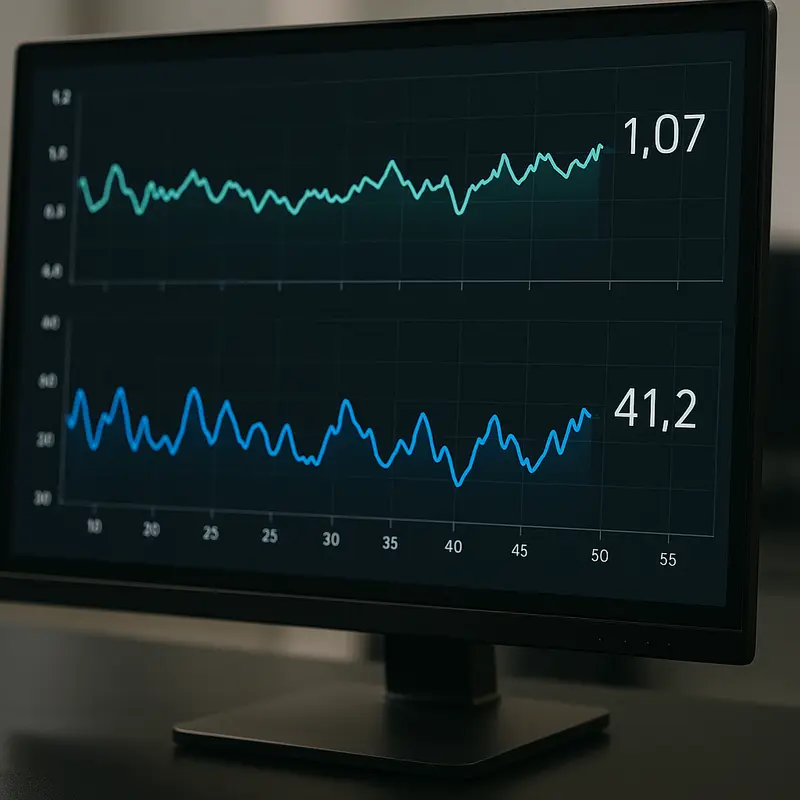
Ensuring the consistent quality of fiber cables during extrusion heavily relies on precise monitoring systems. As these cables play a critical role in modern communication networks, even the slightest deviations in their outer diameter or tension can compromise their performance and longevity. To achieve the desired standards, manufacturers depend on integrated monitoring systems that meticulously track and adjust process variables in real-time.
At the core of effective monitoring is the deployment of advanced measurement technologies. Laser micrometers are often employed to measure the outer diameter of the fiber cables. These devices offer unparalleled accuracy by utilizing non-contact methods, which are ideal for the delicate nature of fiber optics. By continuously comparing the measured values against predefined specifications, laser micrometers enable immediate corrective actions. This helps to ensure that the outer diameter remains within target tolerances throughout the extrusion process.
Similarly, controlling tension during extrusion is vital to avoid stretching or deforming the fiber cables. Monitoring systems equipped with load cells or tension sensors provide real-time data on the longitudinal strain experienced by the cable. Coupled with automated feedback mechanisms, these devices ensure that the pulling force applied during extrusion stays optimal. Excessive tension not only risks breakage but can also degrade the cable’s mechanical properties. Conversely, insufficient tension may result in uneven cable formation, hindering subsequent installation and functionality. Thus, precise tension regulation is indispensable for achieving the desired product quality.
Another integral aspect of monitoring systems is their ability to integrate with broader control frameworks. Modern extrusion setups often feature centralized systems where data from laser micrometers and tension sensors is fed into supervisory control software. This integration facilitates holistic oversight, making it possible to adjust multiple parameters simultaneously, such as extrusion speed, cooling rates, and material feed rates. Such coordination reduces the likelihood of cascading errors while improving overall production efficiency.
The benefits of precise monitoring stretch beyond immediate quality assurance. With automated data collection, manufacturers can generate valuable insights into process trends over extended production runs. This data can help identify consistent points of improvement, refine operational settings, and predict maintenance needs, further reducing downtime and operational costs.
For those considering an upgrade to a fiber cable production line or establishing a facility from scratch, understanding these monitoring systems is crucial. Platforms like fiber cable production line offer detailed guidance on integrating these tools effectively.
In summary, robust monitoring systems are indispensable for maintaining control over fiber cable extrusion’s most critical dimensions—outer diameter and tension. These systems not only guarantee product reliability but also pave the way for operational excellence, ensuring that production always meets the rigorous demands of modern networks.
Material Science in Fiber Optic Extrusion: Shaping Diameter and Balancing Tension
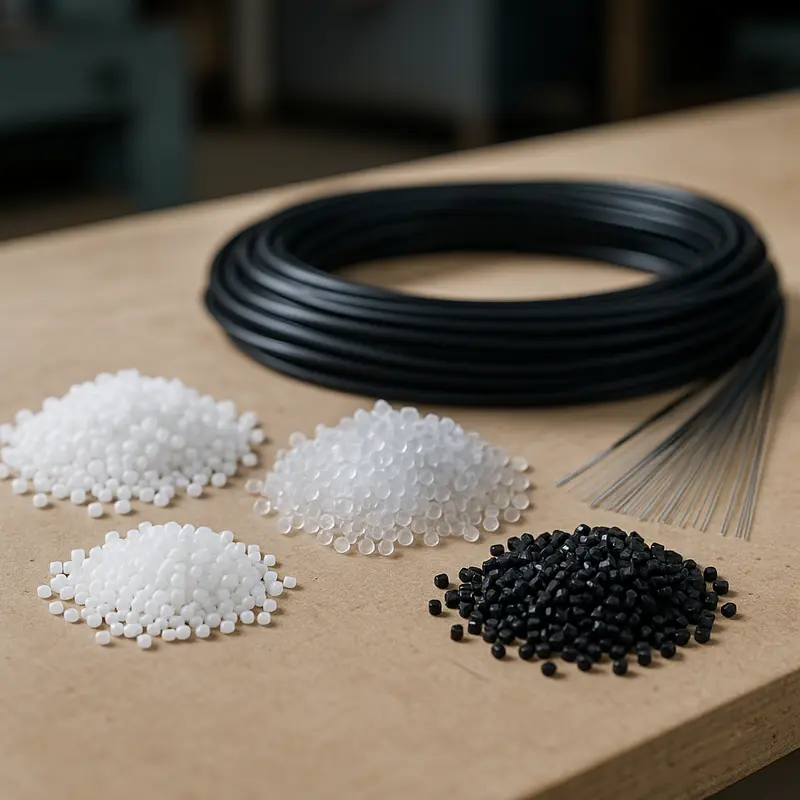
The materials used in fiber cable extrusion exert a profound influence on the precision of outer diameter control and tension regulation. From polymers to coatings, every element plays a crucial role in ensuring the end product meets stringent performance and durability standards. A cohesive understanding of material properties and their interaction with extrusion processes is vital for achieving optimum results.
The Role of Thermoplastics in Diameter Consistency
Thermoplastics, such as polyvinyl chloride (PVC), polyethylene (PE), and polypropylene (PP), are staples in fiber optic cable extrusion. Their specific melting points and flow characteristics determine the extrusion die behavior, directly affecting outer diameter uniformity. Higher melt flow rates tend to produce smoother surface finishes, improving the cable’s overall quality and consistency. However, selecting an appropriate thermoplastic must account for its shrinkage rates during cooling. Excessive shrinkage could compromise the desired diameter and lead to fluctuating tolerances—a critical issue in high-speed data transmission where precision is non-negotiable.
Moreover, thermal stability is a key factor. A polymer that degrades under sustained high temperatures may introduce tension inconsistencies, as uneven material flow creates varying stress points along the cable’s length. Engineers often mitigate this by adding stabilizing agents, ensuring the thermoplastic retains its structural integrity throughout the extrusion process.
Coating and Cladding Materials: A Balancing Act
Cladding and coating materials serve dual functions: protecting the optical fibers and serving as intermediaries in tension control. Acrylate coatings, being flexible yet durable, absorb minor variations in tension that arise during the extrusion process, ensuring the fibers within remain undisturbed. On the other hand, fluoropolymers, widely used in cladding, exhibit low thermal expansivity, contributing to stable dimensional output. These materials act as reinforcements, ensuring the cable retains its integrity under mechanical stress and environmental fluctuations.
Material adhesion is equally critical. Improper bonding between layers can lead to slippage or delamination under tension, severely impacting performance. Advances in material compounding and surface treatments have helped improve adhesion properties, creating unified layers that maintain both their protective qualities and mechanical performance even under extreme conditions.
Extrusion Machine Interaction with Materials
The extrusion equipment and setup also play a significant role in material behavior. Variables like die design, temperature zones, and cooling speed are calibrated based on the properties of the chosen materials. For instance, faster cooling rates may be desirable for materials prone to excessive thermal expansion, but they must balance against potential brittleness that could develop as a result.
A detailed understanding of extrusion machine compatibility ensures manufacturers select materials that harmonize with their equipment, minimizing disruptions such as tension spikes or diameter fluctuations. To explore more about how extrusion machines impact material behavior, read our guide on choosing the right extruder.
Material science lies at the heart of controlling outer dimensions and managing tension in fiber cable extrusion. By leveraging the right compositions and understanding their thermal, mechanical, and adhesion behaviors, manufacturers can achieve precision in their production lines and ensure their fiber cables meet the industry's demands for reliability and performance.
Final thoughts
Precision in managing the outer diameter and tension during fiber cable extrusion is fundamental to producing high-quality optical cables. By leveraging techniques for OD control, fine-tuning tension, maintaining temperature consistency, implementing real-time monitoring, and understanding material properties, manufacturers can achieve unparalleled efficiency and product reliability. Such advancements not only reduce waste but also ensure compliance with stringent industry standards. Applying these insights effectively enhances the manufacturing process, securing better performance in telecom and data transmission networks.
Contact AIMIFIBER for FTTH cable, patch cord, and pre-terminated fiber optic solution support, OEM/ODM service, and practical product advice.
Learn more: https://aimifiber.com/contact-us/
About us
AIMIFIBER provides pre-terminated fiber optic solutions, FTTH drop cables, patch cords, pigtails, FTTA products, and customized fiber assemblies for telecom and data center projects.