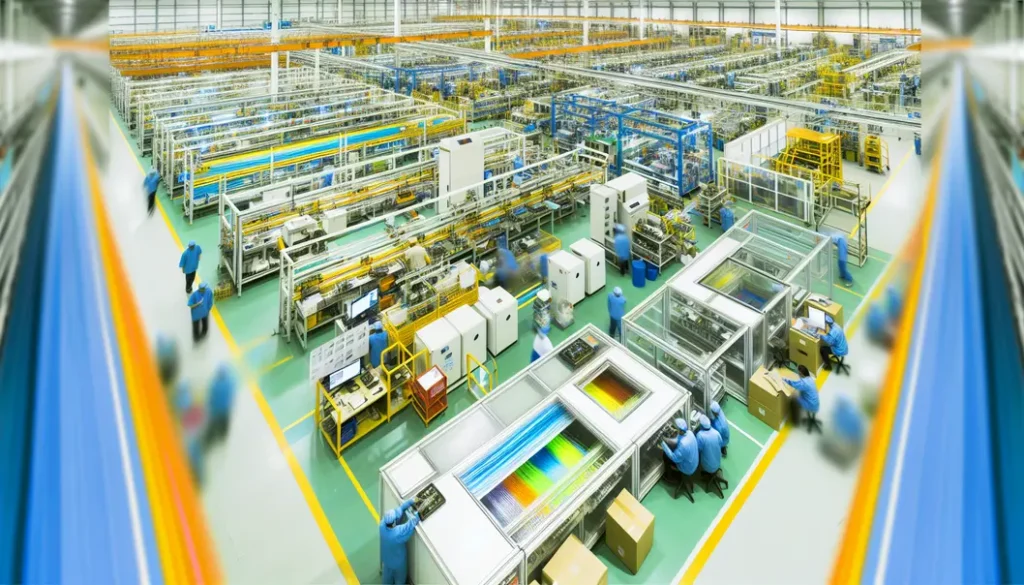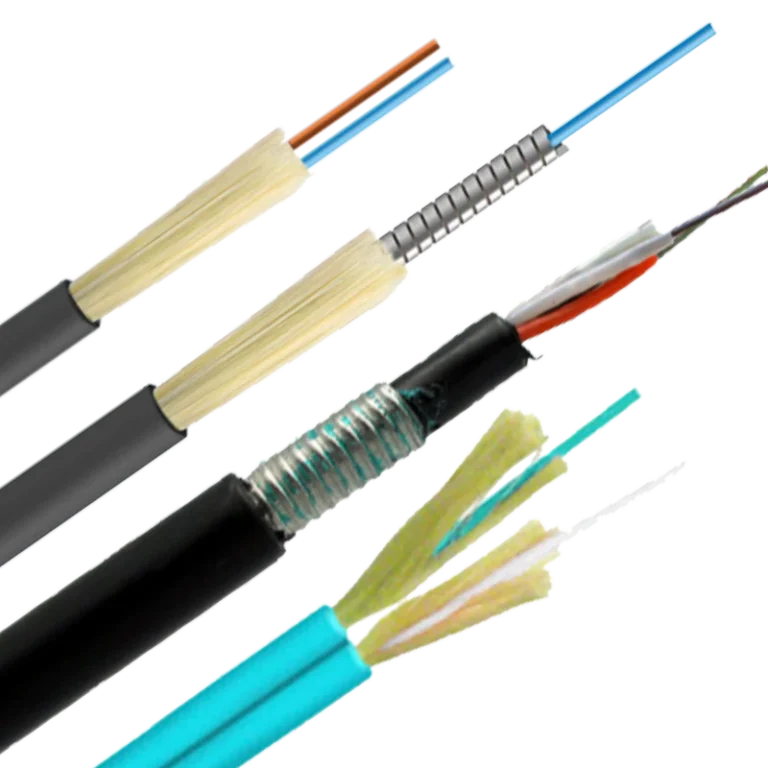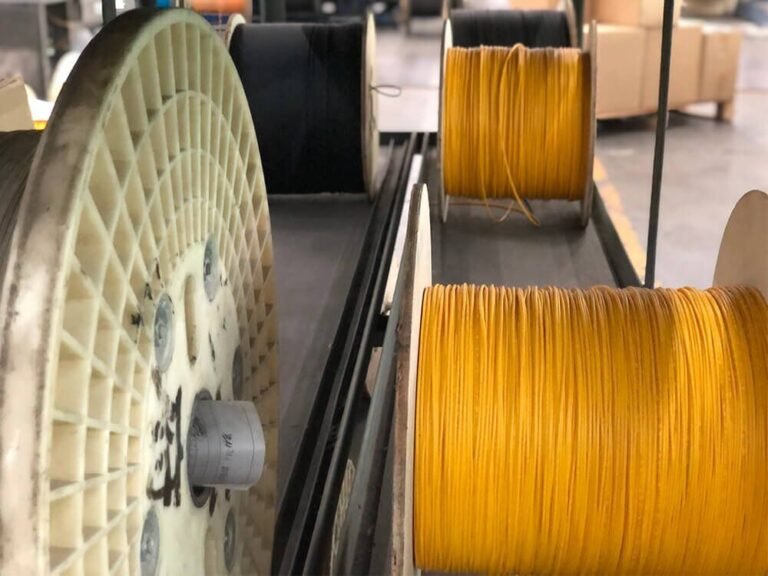
Building a fiber cable factory in emerging markets is both an opportunity and a challenge, requiring attention to cost, infrastructure, and local factors. With the rapid expansion of internet connectivity, these regions represent untapped markets for telecommunications solutions. However, challenges such as regulatory compliance, high initial capital costs, and workforce gaps can complicate the process. This article explores practical approaches to tackle these hurdles. From understanding infrastructure needs to implementing cost-reduction strategies and leveraging modern manufacturing technologies, we will guide you through essentials for establishing an efficient operation. We’ll also examine navigating local regulations and developing a skilled workforce while adopting sustainable practices that ensure scalability and long-term profitability. Together, these steps create a roadmap for telecom project managers, investors, and engineers to build efficient and competitive fiber cable factories in emerging markets.
Laying the Groundwork: Essential Infrastructure for Fiber Cable Factories in Emerging Markets

Building a cost-effective fiber cable factory in emerging markets demands a deep understanding of infrastructure requirements unique to these regions. From logistical suitability to operational resilience, crafting a firm foundation can transform potential challenges into competitive advantages and set the stage for long-term success.
Emerging markets often present opportunities for industrial growth due to expanding connectivity demands, but infrastructure gaps may complicate factory setup. Identifying suitable land for construction is the first step, ensuring proximity to transportation networks like ports, railroads, or highways to facilitate efficient movement of raw materials and finished goods. An area well-connected to growing urban centers amplifies advantages by positioning your factory near hubs of demand and employment pools.
Utilities form a critical component of operational readiness. Fiber cable production relies on consistent electric power supply and cooling systems to maintain the integrity of manufacturing equipment. Many emerging markets suffer from unreliable electricity grids, requiring investment in backup power solutions such as generators or renewable energy systems. Additionally, access to water is necessary for cooling processes, but scarcity in some regions necessitates designing water-efficient systems or securing alternative sources, such as rainwater harvesting.
Telecommunication infrastructure plays a unique role in fiber cable production. Seamless integration with local and global networks enhances coordination between raw material suppliers and distributors. Regions with underdeveloped telecom systems may require additional investment in satellite connectivity or leased lines to maintain smooth operations.
Equally important is compliance with environmental and zoning regulations. Governments in emerging markets may require factory designs that reduce carbon footprints or protect ecologically sensitive areas. Adopting sustainable manufacturing practices, such as recycling scrap materials and using energy-efficient machinery, not only meets regulatory standards but positions the factory as a forward-thinking contributor to the local economy.
Security and disaster preparedness should not be overlooked. Emerging markets often contend with risks from theft, cyberattacks, or natural disasters. Robust surveillance systems, insurance protections, and disaster-resistant construction options can mitigate these vulnerabilities and instill confidence among stakeholders.
Finally, workforce accessibility can make or break operational efficiency. Partnering with local vocational institutions to train workers or building affordable housing near factory sites encourages local employment, fostering goodwill within the community while lowering recruitment costs.
Addressing these infrastructure factors requires thoughtful planning and adaptation, considering both local conditions and global best practices. For more insights on optimizing operational frameworks, including utility management for fiber cable factories, read this guide on essential factory utilities. By prioritizing infrastructure readiness, you’re investing not only in the success of your factory but also in the sustainable economic progress of the region.
Smart Economic Strategies for Building Fiber Cable Factories in Emerging Markets

Building a cost-effective fiber cable factory in emerging markets demands far more than just robust infrastructure—it hinges on carefully calibrated economic strategies. These strategies, designed to optimize costs and allocate resources effectively, can determine whether your venture thrives or buckles under financial pressures. Let’s explore some of the cornerstone economic approaches that enable sustainable manufacturing setups.
Leveraging Local Resources for Cost Efficiency
One of the most impactful strategies for containing costs in emerging markets is the focused utilization of local resources, both human and material. Sourcing raw materials locally can drastically reduce shipping costs and tariffs, while training and employing local labor avoids the premium expenses tied to relocating highly specialized staff. This dual benefit also fosters stronger ties with the local community, paving the way for long-term operational sustainability. To tap into local supply chains effectively, it’s essential to collaborate with local vendors and distributors who understand the market dynamics.
Moreover, negotiating favorable agreements with municipal authorities can further lower baseline operating costs. Incentives such as tax breaks, reduced land rental fees, and subsidies for procuring eco-friendly machinery are often available to manufacturers willing to invest in underdeveloped regions. By aligning company goals with governmental priorities, you can strategically minimize overhead burdens without compromising on quality.
Modular and Scalable Investment Approaches
Given the financial realities of emerging markets, initial investments in manufacturing facilities should prioritize scalability. Instead of constructing a fully operational factory at once, a modular build-out allows for phased growth, ensuring costs are spread in manageable increments. This approach also mitigates risks in case demand projections shift due to evolving market trends.
For example, starting with streamlined production lines for high-demand fiber cables, such as Fiber to the Home (FTTH) variants, ensures consistent revenue generation. Expansion into more diverse product lines can follow once the financial foundation stabilizes. Engaging in thorough market research and demand forecasting allows businesses to align their production speed and scalability to regional trends, such as the increasing adoption of FTTH solutions in urban centers (learn more about scalable fiber-optic factory layouts here).
Optimal Energy and Utility Management
Emerging markets often face fluctuating energy prices and infrastructure challenges, making utility management a vital aspect of economic planning. Investing in energy-efficient equipment and incorporating renewable energy solutions, like solar power, not only reduces long-term costs but also aligns with global sustainability goals—a factor that increasingly influences investor decisions.
Additionally, adopting smart factory concepts, such as automated systems for managing energy usage during non-peak hours, can lead to substantial savings. Pairing these tools with on-site backup energy solutions ensures uninterrupted production even in regions prone to power outages.
Building Resilient Supplier Networks
Cost-effective production plans must take into account the reliability of supply chains. Collaborating with multiple local and regional suppliers insulates operations from unexpected disruptions, such as logistical delays or raw material shortages. Seeking partnerships with suppliers specializing in niche materials for fiber cable production can also yield discounted pricing through long-term bulk contracts.
Lastly, diversification of material sources can help mitigate the impact of volatile global markets. For example, staying aware of trends in optical fiber pricing, such as predictions for G657A2 versus G652D cables, can safeguard your factory from price shocks (see global fiber price trends predictions here).
By blending these economic strategies with a keen understanding of emerging market conditions, you can forge a path toward building an efficient and cost-conscious fiber cable manufacturing facility. Each tactical decision, from sourcing to scalability, contributes to a financially stable and operationally agile factory tailored to the unique challenges of these regions.
Leveraging Advanced Technologies to Drive Down Fiber Cable Manufacturing Costs in Emerging Markets

Emerging markets present a unique set of challenges and opportunities for fiber cable manufacturers. Cost efficiency is essential for success, but this doesn’t have to come at the expense of quality or scalability. By employing technological innovations strategically, manufacturers can not only reduce production costs but also position themselves competitively in a rapidly growing market.
One of the most impactful ways to achieve cost reductions is through automation. Advanced robotics and machine-learning-driven systems are now capable of managing a wide range of production tasks with higher accuracy and speed than traditional methods. Automated processes in areas such as cable assembly, sheathing, and testing can significantly cut labor costs while minimizing waste. For example, robot-assisted optical cable termination ensures consistent quality, reducing material losses due to errors. Automation also makes it easier to scale production to meet surging demand in regions experiencing rapid digitalization.
Another key innovation is the implementation of IoT-enabled smart manufacturing systems. Sensors embedded throughout production lines can monitor variables like temperature, humidity, tension, and pressure in real time. These data points are then analyzed by AI systems to optimize manufacturing conditions and predict maintenance needs before equipment failures occur. The use of predictive maintenance not only reduces downtime but also extends the lifespan of expensive machinery, which is highly advantageous in capital-intensive industries. Additionally, IoT systems enable better tracking of raw materials, reducing overstocking and underutilization.
Material innovation is another area ripe for cost savings. In emerging markets with supply chain constraints, finding alternatives to expensive imports is vital. For instance, lightweight composite materials can replace traditional yet costly components without sacrificing durability or performance. Additionally, advancements in low-loss optical fibers, designed to maintain signal integrity over longer distances without amplification, help reduce costs further down the telecom value chain. Staying updated on global optical fiber price trends and negotiating forward-looking contracts with suppliers can also provide a long-term edge. This guide is particularly useful for evaluating price trends of popular fiber types like G657A2 and G652D.
Finally, the layout and design of the factory itself can integrate cost-saving technologies. Modular production lines, coupled with energy-efficient equipment, enable greater flexibility while lowering utility expenses. Renewable energy sources, such as solar panels, can further mitigate operational costs—a critical consideration in regions with volatile energy markets. In fact, carefully planned workshop layouts designed to optimize workflow and energy usage can lead to a compound cost reduction over time.
Incorporating these technological innovations requires an initial investment, but the benefits of reduced costs, increased efficiency, and improved scalability far outweigh the expenses. Manufacturers who prioritize these strategies will be better equipped to compete in emerging markets while delivering high-quality fiber cables that meet the growing demand for enhanced connectivity.
Mastering Local Regulations and Workforce Strategies for Fiber Cable Factories

Breaking into emerging markets with a cost-effective fiber cable factory requires more than just technological prowess or an initial investment. Success hinges on two pivotal dimensions: navigating local regulatory frameworks and building a skilled, adaptable workforce. These factors can significantly influence both the timeline and cost of establishing operations, while also determining long-term sustainability.
Understanding Local Regulations: A Strategic Imperative
Emerging markets often present a labyrinth of regulatory requirements that differ from those in more developed economies. Awareness and compliance with these laws are critical to avoid legal complications, delays, or financial penalties. Governments in many developing nations use their regulatory systems to balance foreign investment with the protection of local industries and workers. As such, their rules may cover everything from environmental impact to labor laws and taxation.
A key first step is forming partnerships with regional legal advisors or consultants who specialize in the fiber cable manufacturing sector. They can provide the in-depth knowledge necessary to navigate requirements like factory building permits, zoning laws, and industry-specific certifications. These experts may also help negotiate tax incentives or subsidies that governments in emerging markets offer to attract foreign direct investments in high-tech industries.
Moreover, environmental regulations are becoming increasingly stringent globally, and this trend extends to developing economies. Adopting eco-friendly manufacturing practices and securing compliance certificates at the outset can save substantial costs later, should violations incur harsh penalties or require retroactive changes. For guidance on integrated approaches to sustainable and scalable factory designs, refer to fiber optic factory build.
Workforce Development: Building a Skilled Foundation
Once regulatory hurdles are addressed, the next challenge is cultivating a reliable workforce—a key factor in operational efficiency and product quality. Emerging markets often have access to a young and growing labor force, but they typically lack specialized skills required for high-tech industries like fiber optic manufacturing. Bridging this skill gap involves a mix of focused training programs and partnerships with local institutions.
Conducting initial skills assessments can help identify the training needs specific to what the factory will produce, such as FTTH (fiber-to-the-home) cables or other advanced optical products. Many successful projects feature collaboration with local technical schools or vocational training centers to develop tailored curriculums that align with the production requirements. Not only does this ensure a steady flow of qualified workers, but it also fosters goodwill within the community and positions your operation as a long-term contributor to the local economy.
Retention strategies are equally important. Competitive wages, career growth opportunities, and workplace safety measures can build loyalty and reduce turnover, which is particularly important in regions where high attrition rates can disrupt production schedules. Aligning these strategies with cultural nuances, such as preferred communication styles or community values, can further improve workforce satisfaction and productivity.
Final Thoughts
Melding compliance with local regulations and strategic workforce development isn’t merely a checklist exercise; it shapes the foundation of your factory’s success in emerging markets. Both aspects require continuous adaptation, as regulations evolve and employee expectations shift. By embedding flexibility and forward-thinking into your strategy, you create resilience against challenges while building a scalable operation primed for long-term growth.
Sustainable Strategies for Cost-Effective Fiber Cable Production in Emerging Economies

Building a cost-effective fiber cable factory in emerging markets demands more than just a robust business plan—it requires sustainable and scalable practices to balance operational efficiency, long-term growth, and environmental impact. These strategies may involve process innovations, resource optimization, and leveraging local advantages to create a factory that not only produces high-quality fiber cables but does so at a competitive cost.
Optimizing Energy and Resource Use
One of the fundamental pillars of sustainability in fiber cable production is efficient energy and resource utilization. Emerging markets may present unique challenges, including inconsistent electricity supplies or regulatory constraints, making it essential to plan energy consumption meticulously. Investing in energy-saving machinery or integrating renewable energy sources, such as solar panels, can drastically reduce operational costs over time. Additionally, recycling production waste, such as cable scrap, into reusable materials can minimize waste management costs and environmental impact.
Water usage is another area where sustainability and cost-efficiency intersect. Some stages of fiber cable production, particularly cooling and coating processes, require significant water use. Setting up closed-loop systems that recycle water within the factory reduces dependency on external water supplies while curbing waste. Explore more energy-efficient utilities for fiber cable plants in this insightful guide.
Scaling Through Modular Factory Design
Scalability is critical in emerging markets, where a factory may need to expand production capacity to meet growing local or international demand. Adopting a modular approach to factory design can support incremental growth without disrupting existing operations. For instance, creating designated, independent units for specific production processes—such as preform manufacturing, wire drawing, and cable jacketing—enables gradual upgrades and expansions.
A modular layout also facilitates quicker response times to shifts in demand, whether due to regional economic growth or global market trends. By standardizing production lines and equipment specifications, it becomes easier to integrate new machinery or add extra lines without incurring significant setup delays. To improve modular scalability, consider studying the logistical advantages of efficient fiber-optic factory layouts.
Local Sourcing and Workforce Development
Leveraging local resources is perhaps the most cost-effective way to build sustainability into the business model. Procuring raw materials domestically saves on import duties and transport costs, while forming partnerships with local suppliers strengthens market credibility. Additionally, identifying eco-friendly or renewable material sources can further the sustainability agenda without inflating expenses.
Training and upskilling the local workforce are equally strategic. Besides aligning with regulations, workforce development supports a stable, skilled labor force that can adapt to process innovations and quality standards. Empowering employees through certifications or skill enhancement programs not only fosters operational excellence but also aligns with community development goals, thereby bolstering the factory’s reputation.
Long-Term Gains Through Sustainable Practices
Incorporating sustainability into fiber cable production isn't merely a cost-management tactic; it fosters resilience against challenges like fluctuating raw material prices or regulatory shifts toward eco-compliance. By adopting scalable factory designs, optimizing energy and water use, and championing local resources, a fiber cable factory in an emerging market can thrive strategically and sustainably.
The payoff comes not only in minimized costs and environmental impact but also in enhanced competitiveness on a global scale, as markets increasingly value sustainable production practices.
Final thoughts
Emerging markets present immense potential for building cost-effective fiber cable factories, but success depends on addressing unique challenges. By focusing on infrastructure, adopting economically viable strategies, leveraging technological innovations, and navigating local regulations while investing in a skilled workforce, companies can create profitable and sustainable operations. Furthermore, integrating scalable practices ensures adaptability to growing market demands without sacrificing long-term efficiency. By following these practices, telecom project managers, ISPs, and investors can position themselves as industry leaders, fostering connectivity in underserved regions.
Contact AIMIFIBER today for expert advice on FTTH fiber cable solutions, OEM/ODM services, and tailored product recommendations to support your telecom projects.
Learn more: https://aimifiber.com/contact-us/
About us
AIMIFIBER provides pre-terminated fiber optic solutions, FTTH drop cables, patch cords, pigtails, FTTA products, and customized fiber assemblies tailored for telecom and data center projects. Their expert knowledge and OEM/ODM services ensure reliable, cost-effective products suited for diverse needs in growing markets.