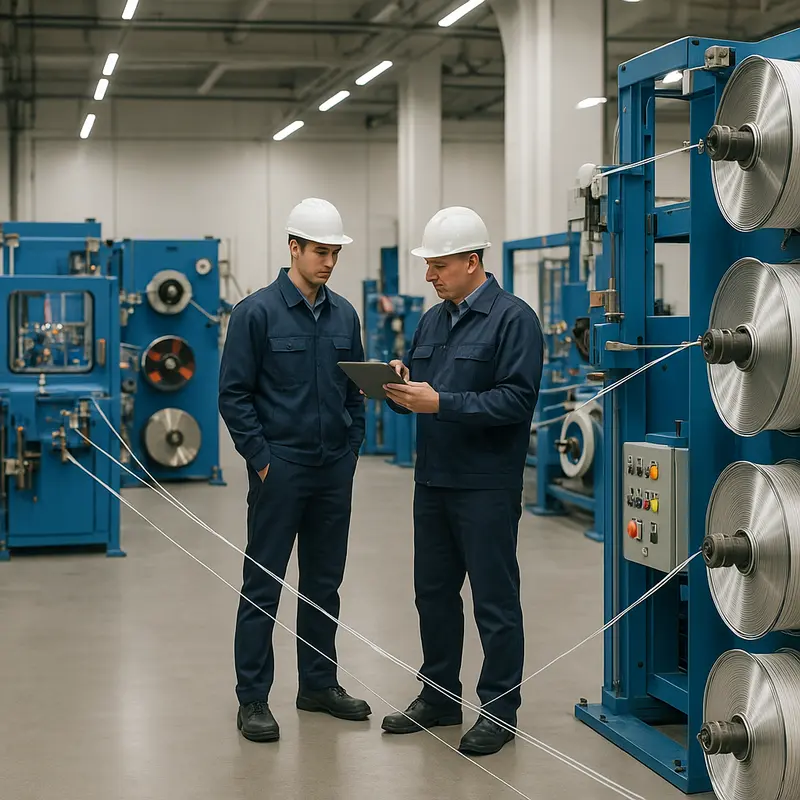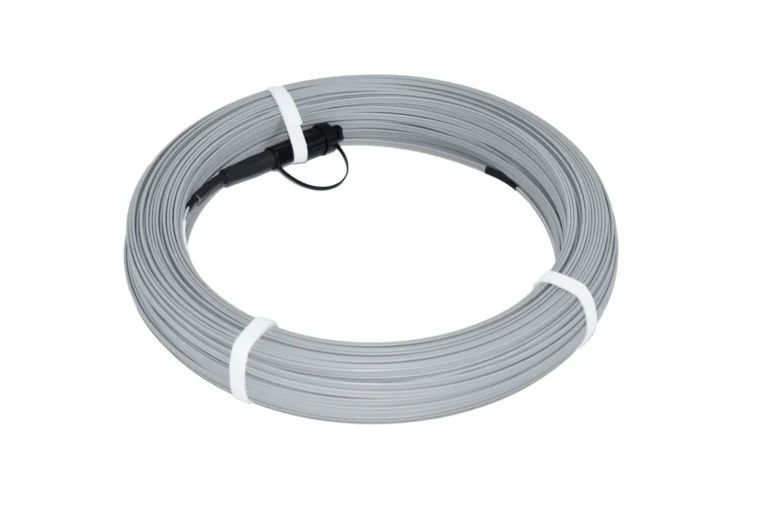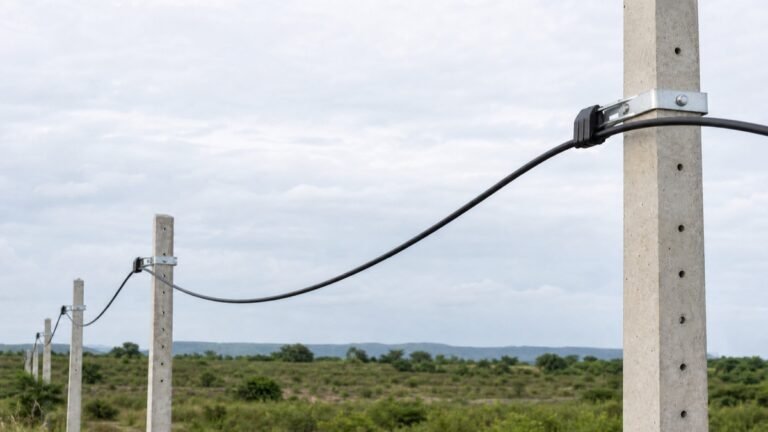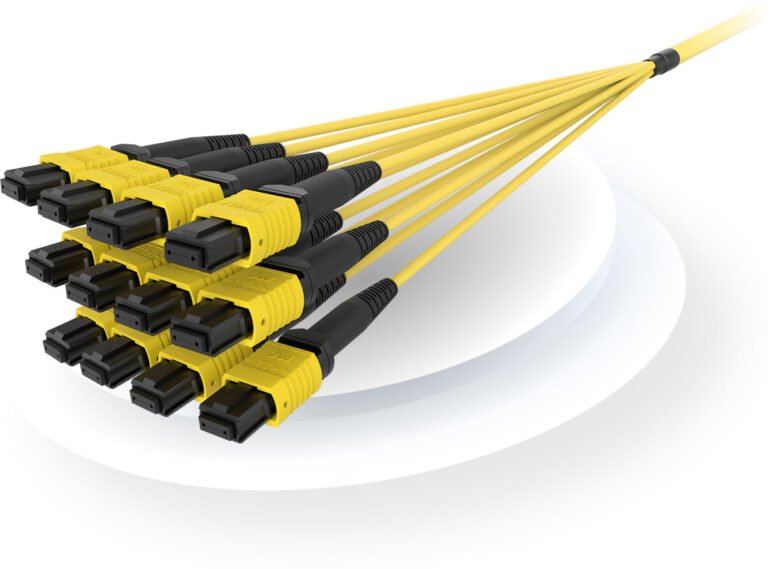
The growing demand for high-performance fiber optic networks in telecom and ISP industries has put immense pressure on quality and production efficiency. One critical aspect of fiber optic manufacturing is the seamless integration of coloring, rewinding, and pay-off systems. These systems ensure precise identification, controlled handling, and optimal deployment of optical fibers. This guide will explore every step required to successfully build these systems, focusing on the planning, materials, operations, quality control, and costing metrics. For telecom project managers, factory investors, and fiber engineers, understanding the interplay of these elements is essential to achieving operational excellence. We’ll walk you through designing and procuring the right equipment, operational workflows, ensuring quality consistency, and managing costs. Each chapter provides actionable insights that collectively demystify the process, helping diverse stakeholders meet production and project objectives efficiently.
Strategic Steps to Plan and Design a High-Performance Fiber Coloring, Rewinding, and Pay-Off System
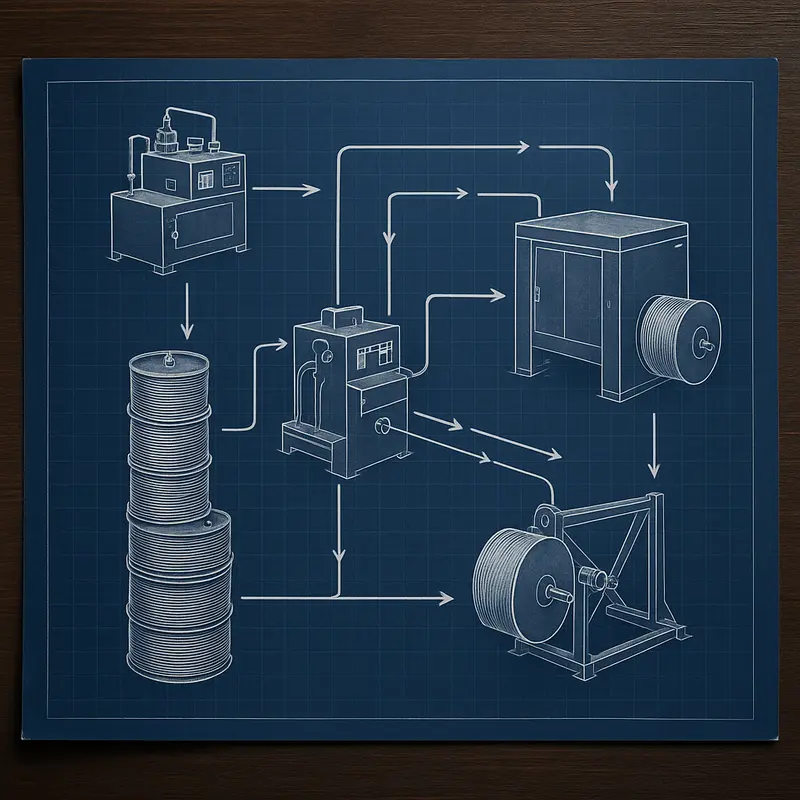
Designing a functional and reliable fiber coloring, rewinding, and pay-off system requires meticulous planning and an in-depth understanding of optical fiber processing. This system serves as a critical link in the fiber optic manufacturing line, bridging the gap between fiber production and its final deployment in cables. To ensure success, the design process must embrace both the technical specifications of the fibers and the operational efficiencies of the machinery.
The foundation of planning begins with clearly identifying the scope of production. This includes understanding the volume of fibers to be processed, the range of colors required, and any specific output specifications, such as spool size or pay-off tension levels. For instance, fiber coloring involves precise application of UV curable inks, which demands compatibility between the coating materials and the fiber substrates. A misalignment at this phase can lead to coating failures, compromising both product quality and operational efficiency.
Rewinding is another element that must be carefully mapped out during the design phase. Fiber rewinding isn't simply about transferring fibers from one spool to another; it’s a controlled process aimed at achieving uniform tension and alignment while maintaining the integrity of the fiber coating. Any flaws introduced during rewinding, such as micro-bends or over tensioning, can negatively impact the fiber’s performance. Integrating advanced tension control systems and modern guiding mechanisms into the design prevents such issues and ensures precise rewinding.
Pay-off systems, which regulate the distribution of fiber from reels during production or further processing stages, demand equal attention. Inconsistent pay-off speeds can disrupt downstream processes or damage fibers. Therefore, designing a system with robust speed regulation and synchronized controls is essential. These systems frequently incorporate multiple reels, and hence, the design should anticipate the spatial and operational dynamics of reel switching, load distribution, and reel placement.
In practice, designing an end-to-end system presents not just technical challenges but also logistical ones. Engineers must collaborate with production managers to ensure the system integrates seamlessly with existing machinery. Moreover, compliance with industry standards for fiber optics, such as coating thickness tolerance and mechanical handling limits, is a non-negotiable factor.
Modern fiber processing facilities often implement automation technologies to enhance both precision and production speed. Automated systems coupled with monitoring tools can ensure that any inconsistencies in coloring, rewinding, or pay-off are promptly detected and corrected. This not only minimizes errors but also reduces operational downtime.
A vital aspect often overlooked in the design phase is scalability. As the demand for fiber optics grows, so does the need to scale production without extensive system modifications. Modular designs, which allow for easier capacity expansions, should therefore be prioritized during the planning stages. For additional insights into setting up modular and scalable production environments, you can refer to this resource on scalable fiber optic factory layout.
Ultimately, the planning and design of a fiber coloring, rewinding, and pay-off system must balance technical requirements with operational goals. A strategic, well-documented approach helps ensure that the system not only meets immediate needs but also remains adaptable to future advancements in fiber optic manufacturing.
Essential Materials and Machinery for a Functional Fiber Coloring and Rewinding System
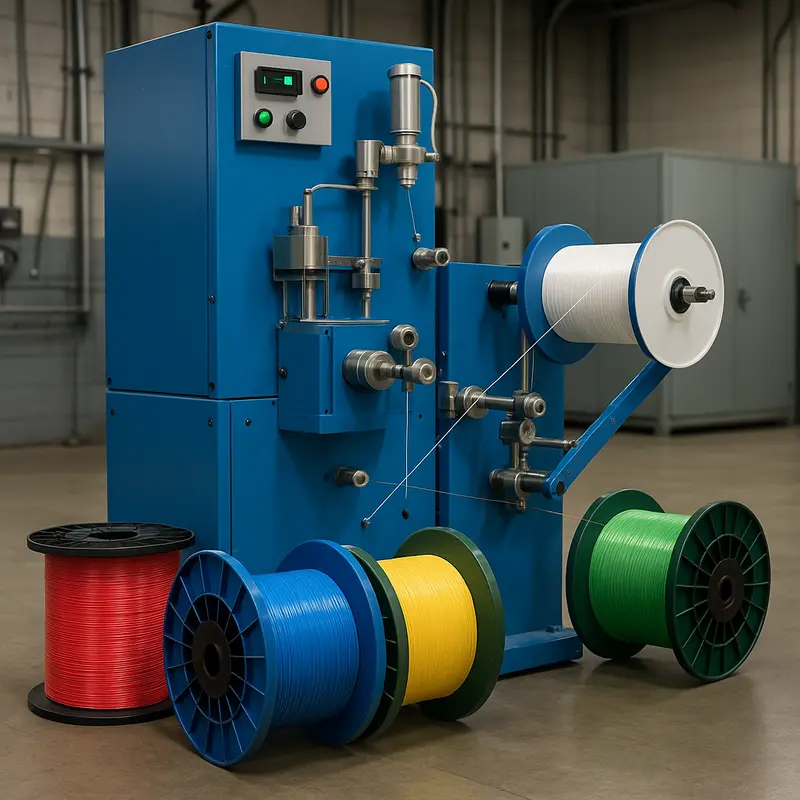
Building a fiber coloring, rewinding, and pay-off system requires not just a solid design plan but also a careful selection of core materials and machinery. These components form the backbone of the operation, enabling efficiency, precision, and reliability. To achieve optimal results, each element must be considered with respect to the unique demands of the fiber-optic manufacturing process.
The first essential component is the fiber coloring unit. This machine performs the critical task of applying color coatings to individual fibers or fiber bundles, ensuring easy identification during installation. High-performance coloring machines utilize advanced UV-cured inks, which require precise application mechanisms and instant curing systems to produce smooth, durable finishes. Any inconsistencies in the coloring process can result in poor identification during deployment, jeopardizing operational efficiency downstream.
Equally important is the rewinding machine, which re-spools fiber after the coloring process. Since fibers often need to transition seamlessly between stages of production, the rewinder ensures that tension is maintained evenly along the length while avoiding over-tightening, which could cause mechanical stress. Advanced rewinders often integrate tension control systems to allow smooth transitions without damaging the fragile fibers. Depending on the scale of your operation, the rewinder may also include features like automated length detection and defect monitoring.
Pay-off equipment, typically placed at the beginning or end of the line, allows fibers to be fed into or taken out of the system while maintaining consistent tension. A reliable pay-off mechanism must be equipped to handle various spool diameters, as production demands can vary based on the project. Automated systems with adjustable speed and tension controls are highly recommended to accommodate the increasing complexities of modern fiber production lines.
When acquiring materials, the quality of the fiber optic cables themselves is non-negotiable. These fibers must meet specific industry standards regarding tensile strength, optical clarity, and thermal resistance. Additionally, UV-curable inks used for coloring should be selected for their adhesion properties, environmental resistance, and compatibility with optical fibers. Investing in superior materials translates directly to fewer defects and longer-lasting performance in end-use applications.
To tie all these elements together, control systems and automation also play an integral role. Modern fiber production lines often incorporate programmable logic controllers (PLCs) and human-machine interfaces (HMIs) to streamline processes. These systems enable real-time monitoring, diagnostics, and adjustments, ensuring maximum throughput and minimal downtime. Such automation is indispensable for maintaining consistency during high-volume operations.
For those planning to scale their production capabilities, modular machinery is a worthwhile consideration. Systems designed to expand with increased demand—whether by adding more coloring units, rewinders, or pay-off stations—offer long-term flexibility without jeopardizing workflow consistency.
For a more detailed exploration of fiber rewinding equipment and coloring applications, visit this guide on optical fiber coloring and rewinding. By understanding how to choose and integrate the right machinery and materials, your fiber production system can deliver consistent results, meet industry standards, and remain adaptable to future challenges.
The Inner Workings of Fiber Coloring, Rewinding, and Pay-Off Systems
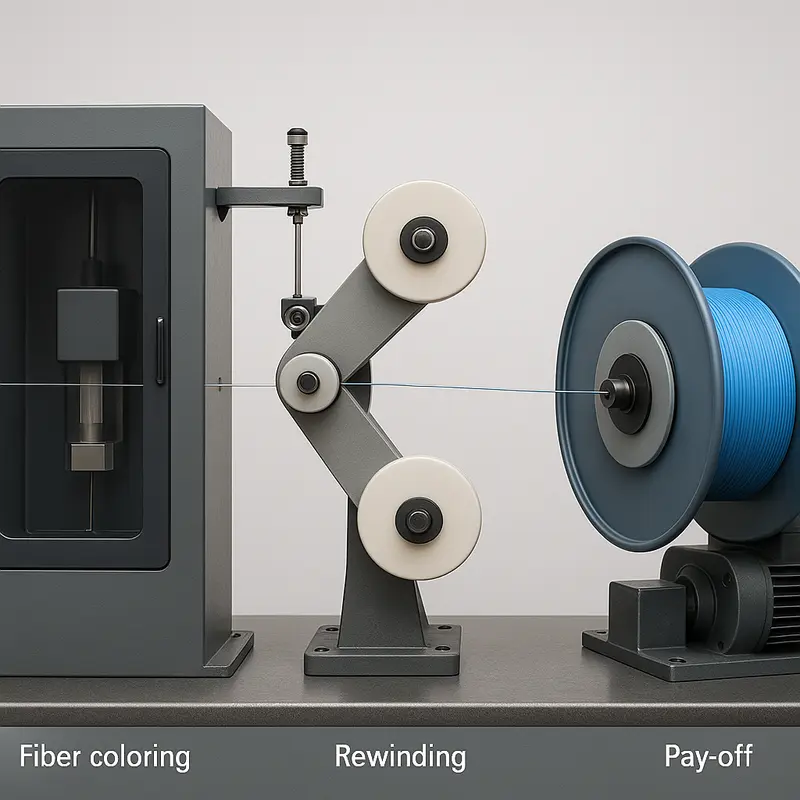
In the intricate world of fiber optic cable production, the operational mechanisms behind fiber coloring, rewinding, and pay-off systems play a pivotal role. These systems are not only critical for maintaining the physical integrity of the fiber but also for ensuring its functional performance aligns with industry standards. Understanding how these systems integrate and operate cohesively provides valuable insight into optimizing production accuracy and efficiency.
At the heart of the process lies the fiber coloring mechanism. Coloring optical fibers is more than just an aesthetic choice—it ensures individual fibers within a cable can be easily identified during installation and maintenance. The process commonly involves the application of ultra-thin coatings of UV-cured inks, selected for their high-durability and optical transparency. The fiber passes through a coloring unit, where precision nozzles or rollers apply these inks with exceptional uniformity. As the ink is applied, it is instantly cured using ultraviolet light, creating a robust, fast-drying layer that does not compromise the fiber's structure or signal transmission capabilities.
Once the fibers are color-coded, they are rewound onto spools, a process requiring meticulous control to avoid tension imbalances or micro-bending damage. Rewinding begins with the fiber being unwound from its primary spool, passing through various tension control devices designed to maintain stability. Sensors in the system monitor parameters such as line speed and tension, ensuring the fiber remains smooth and unbroken during its transfer to the secondary spool. Many modern systems incorporate automated mechanisms to detect defects or inconsistencies in the fiber, pausing the machine to allow for corrections before the defect is further embedded into the final product.
The pay-off system is the final stage, carefully releasing the fiber for the next phases of production, such as jacketing or cabling. The pay-off unit must synchronize seamlessly with downstream processes to supply fiber at a constant, uninterrupted speed. Advanced models often employ feedback loops to dynamically adjust speed and tension, compensating for fluctuations in the line. This synchronization is vital because any mismatch in speed could lead to slack or excessive tension, both of which could compromise the fiber's integrity.
A remarkable feature of modern systems is their interconnectedness. Through centralized control units, operators can monitor and adjust all stages—coloring, rewinding, and pay-off—from a single interface. These technologies not only improve output quality but also reduce waste and downtime, decreasing production costs and enhancing sustainability. Interested readers can dive deeper into tailored production line setups and optimization strategies in our article on fiber cable production lines.
By mastering the operational mechanisms of fiber coloring, rewinding, and pay-off processes, manufacturers can ensure that their production lines run smoothly, delivering high-quality optical fibers that perform consistently in the field. These systems, though complex, are the backbone of modern fiber optic manufacturing, embodying the precision and reliability required in today's fast-evolving digital landscape.
Ensuring Precision: Quality Control Practices for Fiber Coloring, Rewinding, and Pay-Off Systems
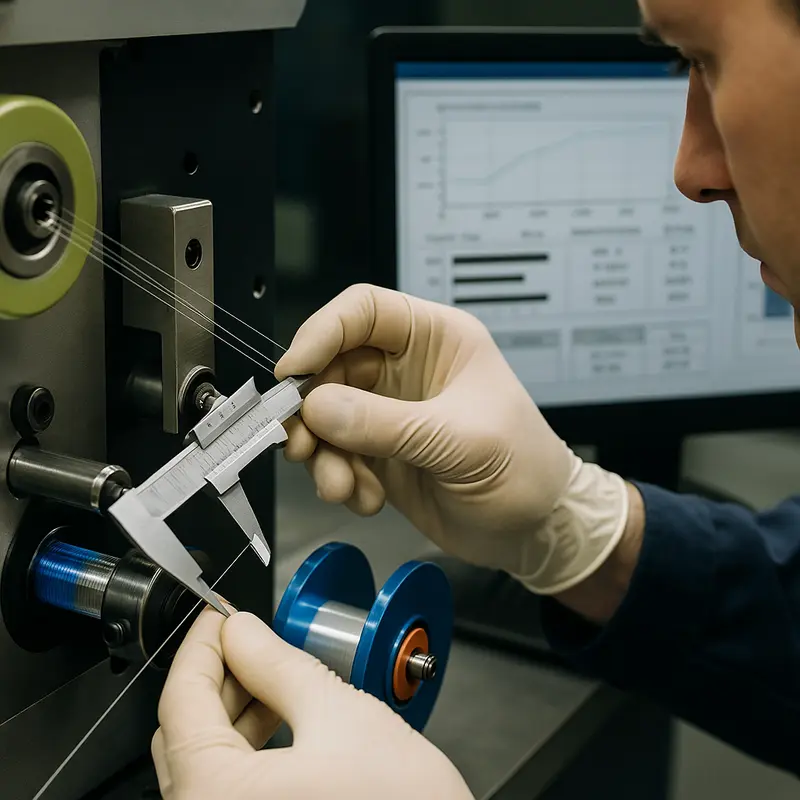
Quality control is the cornerstone of any successful fiber coloring, rewinding, and pay-off system. The intricate processes involved in transforming raw optical fibers into colored, rewound, and payoff-ready products require meticulous attention to detail to ensure optimal performance and reliability. This chapter explores the essential aspects of quality control protocols and their role in maintaining the high standards vital to this production line.
When considering quality control in fiber coloring, the primary focus lies in accurate color application and adherence to specified standards. Each optical fiber must be consistently coated with the correct pigment, which serves both functional and identification purposes. Advanced dyeing mechanisms, such as UV curing and precise nozzle designs, are instrumental in achieving uniformity. Regular calibration of equipment is non-negotiable—quality teams should monitor the viscosity and composition of the colorant to avoid inconsistencies. Furthermore, environmental factors like temperature and humidity within the production area can directly influence color application. Therefore, maintaining tightly controlled conditions is integral to minimizing defects during this stage.
Fiber rewinding presents its own unique set of challenges. Achieving perfectly tensioned and aligned spools requires advanced machinery and skilled operation. Quality control here heavily emphasizes tension regulation, as inconsistencies can lead to mechanical damage or excessive friction during subsequent production stages. The rewinding process benefits significantly from real-time monitoring systems, where sensors detect flaws such as uneven winding or improper alignment. Operators also play a key role by visually inspecting spools for damage before packaging, ensuring the finished product meets stringent standards.
With pay-off systems, the focus largely shifts to ensuring continuity and smooth delivery of fiber. One key concern is the elimination of snagging, tangling, or other events that could interrupt downstream processing. Quality teams should routinely inspect pay-off spools to verify that the fiber dispenses evenly without obstruction. Preventive maintenance on pay-off machinery, including lubricating mechanisms and replacing worn-out components, aids in preserving performance metrics. Additionally, establishing criteria for spool changeovers during operations can help avoid unnecessary downtime and production variance.
Integrated quality control processes rely not just on machines but also on fine-tuned workflows. Comprehensive training for operators ensures they can recognize potential issues quickly, while regular audits validate that production aligns with the designed system specifications. Metrics such as production yield, defect rate, and customer feedback offer critical insights into the effectiveness of the protocols being employed.
For insights on effective optical fiber coating techniques, this guide on secondary coating systems provides valuable resources to align quality control strategies with industry best practices. By embracing precision and diligence across coloring, rewinding, and pay-off systems, manufacturers ensure their products meet the rigorous demands of the optical fiber industry.
Maximizing Cost Efficiency and Performance in a Fiber Coloring, Rewinding, and Pay-Off System

Building a fiber coloring, rewinding, and pay-off system demands a fine balance between cost efficiency and operational performance. At the heart of this process lies the ability to properly allocate resources while ensuring streamlined production. By focusing on key costing and efficiency metrics, you can create a system that minimizes waste, optimizes output, and adheres to stringent quality standards.
Equipment Investment vs. Operational Longevity
One of the fundamental considerations in cost efficiency is balancing upfront investment with long-term operational benefits. Selecting durable and versatile equipment may represent a higher initial cost but typically reduces long-term expenses related to maintenance, downtime, and replacement. For instance, advanced fiber coloring machines with automated error detections can not only enhance operational accuracy but also reduce waste caused by human error. When evaluating potential equipment, always factor in expected depreciation, energy consumption, and maintenance demand. Look for machinery that provides modular setups or is easily upgradable, as this ensures your system can adapt to future technological advancements without the need for replacement.
Energy Efficiency and Utility Optimization
Energy costs often constitute a significant part of your production spend. Ensuring that your system employs energy-efficient practices can make a dramatic difference to your bottom line. Look out for features such as energy recovery systems or mechanisms for reducing idle-time power consumption in machinery. Consider integrating monitoring tools to assess equipment energy usage patterns, identifying opportunities to cut excess consumption during low-production periods. Optimizing utilities such as compressed air or cooling systems across the factory floor can also enhance operational output without inflating costs. For insights into how utilities play a critical role in setups like these, this resource on fiber cable plant utilities offers practical examples.
Process Automation for Enhanced Efficiency
Automation within your fiber coloring and rewinding system enables increased productivity while reducing human-related inefficiencies. Automated synchronization between stages—such as the smooth transition from coloration to rewinding—ensures consistent quality and fewer interruptions. Additionally, technologies like programmable logic controllers (PLCs) support precise control over rewinding speeds and allow for real-time adjustments based on production demands. While automation introduces upfront costs, the long-term savings generated by reduced labor requirements and increased throughput justify the investment.
Waste Minimization Strategies
Fiber production systems often deal with material waste caused by setup errors, interruptions, or defects. Implementing stringent monitoring protocols across every stage, from coloring to rewinding, helps detect and manage anomalies early. Using advanced diagnostic tools or smart sensors integrated into the production line can aid this effort. Strategic training for operators also ensures adherence to processes that promote efficiency while handling materials.
Monitoring and Reporting Key Metrics
Data-driven decision-making is another critical aspect of aligning costing with efficiency. Regularly track metrics such as cost per meter of fiber produced, downtime percentages, and defect rates. By maintaining a consistent feedback loop, operators can identify bottlenecks, areas of overuse, or inefficiencies across the production cycle. Digital dashboards or enterprise-level software can further streamline the collection and analysis of performance data, empowering you to make informed adjustments as needed.
By consciously directing attention to these elements—investment balance, energy use, automation, waste management, and data monitoring—you can build a system that achieves both cost efficiency and operational excellence. A fiber coloring, rewinding, and pay-off system isn’t just about achieving functionality; it’s about creating a scalable model that aligns with both current needs and long-term goals.
Final thoughts
Building a robust fiber coloring, rewinding, and pay-off system requires a deep understanding of design architecture, machinery, operational workflows, quality assurance, and financial planning. By taking an integrated approach, stakeholders can optimize production efficiency, ensure fiber quality, and manage costs effectively. As telecom demand surges, mastering these systems translates to operational excellence and a competitive edge. With the right planning and execution, you can align production goals with industry standards, creating a scalable and efficient operation.
Contact AIMIFIBER for FTTH cable, patch cord, and pre-terminated fiber optic solution support, OEM/ODM services, and product expertise.
Learn more: https://aimifiber.com/contact-us/
About us
AIMIFIBER provides pre-terminated fiber optic solutions, FTTH drop cables, patch cords, pigtails, FTTA products, and customized fiber assemblies for telecom and data center projects.