The rapid expansion of telecom networks demands efficient optical fiber production processes, making the setup of a reliable optical fiber coloring and rewinding line a critical endeavor. This specialized setup is essential for ensuring colored fibers meet identification requirements while maintaining top-notch quality during rewinding for final assembly. For telecom project managers, production managers, and investors, understanding the technical, procedural, and economic aspects is key to achieving operational efficiency and product excellence. Equipment specifications define the foundation, while the workflow orchestrates the intricate steps. Additionally, adhering to safety protocols ensures a risk-free environment, and implementing quality control measures guarantees compliance with industry standards. Finally, economic considerations provide a roadmap for optimized capital allocation. This guide explores these critical components, offering a well-rounded and practical framework to help you succeed in setting up a high-performing optical fiber coloring and rewinding line.
Mastering Equipment Specifications for Optical Fiber Coloring and Rewinding Lines
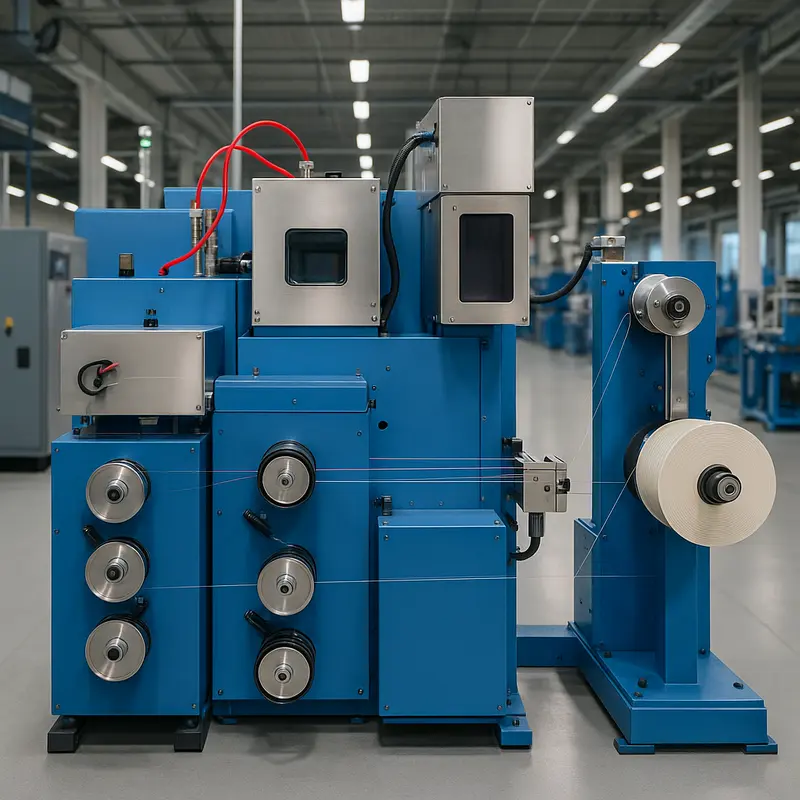
Setting up an optical fiber coloring and rewinding line requires precision and an in-depth understanding of the equipment involved. The choice and specification of machinery greatly impact both the efficiency and the overall product quality of the production process. This chapter explores the essential equipment specifications that should be considered, ensuring the success of the line.
Core Equipment Components
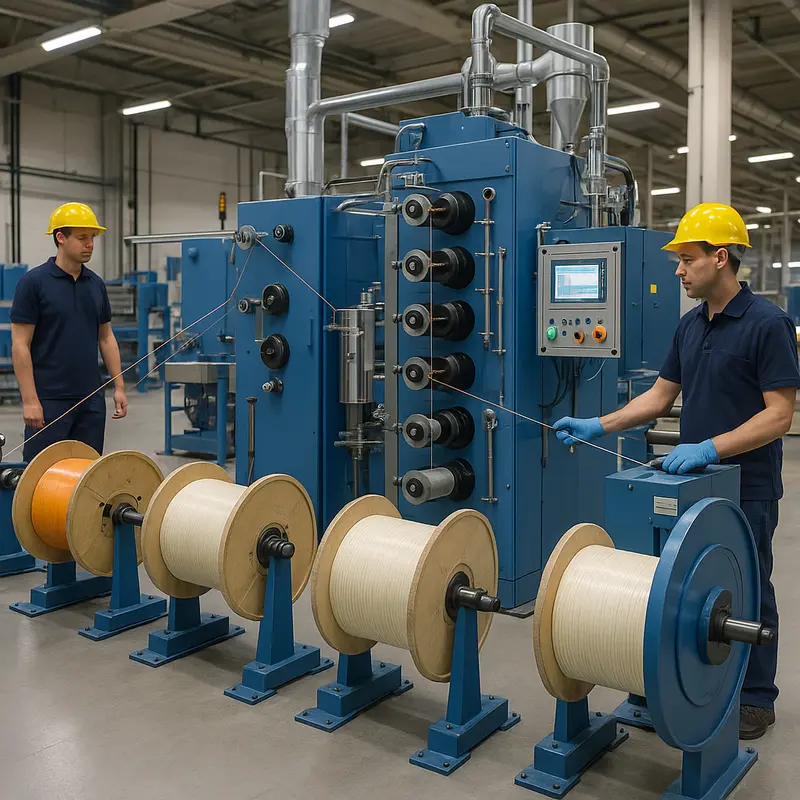
An optical fiber coloring and rewinding line consists of several interconnected components, each designed to address a specific process stage. The primary machines include the fiber unwinding unit, the coloring applicator, UV curing equipment, and the rewinding system. These components must work seamlessly to avoid operational bottlenecks or damage to the delicate fibers.
Fiber Unwinding Unit
The fiber unwinding unit is typically the starting point. Its main function is to feed the optical fibers into the processing line without causing tension or distortion. Key specifications to examine in this unit include tension control mechanisms, compatibility with various fiber diameters, and automation features that reduce manual intervention. Ensuring smooth unwinding prevents micro-fiber damage that could compromise the fiber's optical performance.
Coloring Applicator
The coloring applicator is central to the process, as it applies desired coatings or color codes onto the fiber surface. The applicator must provide uniform coverage while adhering strictly to specified coating thicknesses. Modern applicators often use precision nozzles or rollers and offer adjustable settings to manage coating viscosity and application speeds. When evaluating this piece of equipment, look for models that support versatile color palette compatibility and quick operational recalibration.
UV Curing Equipment
Once the coating is applied, UV curing equipment solidifies the layers through rapid polymerization. Specifications to prioritize include curing speed, wavelength precision, and energy efficiency. Advanced systems feature variable UV intensity controls and cooling options to prevent overheating. A reliable curing system increases production efficiency while ensuring consistent coating durability.
Rewinding System
The rewinding system completes the process by rolling finished fibers onto spools. Critical factors here are spool compatibility, tension control, and error detection mechanisms, such as automatic overlength or underlength alarms. Precision in rewinding preserves the fiber integrity and simplifies downstream tasks like storage or transport.
Integration and Quality Control
Seamless integration of these components is vital for operational success. A well-designed optical fiber line ensures synchronization and minimizes fiber transition mishaps between processing stages. Quality control mechanisms play a pivotal role and should be embedded into each machine to detect defects, monitor output consistency, and provide real-time data for machine calibration.
Conclusion
Understanding equipment specifications is the foundation of setting up a reliable optical fiber coloring and rewinding line. Each machine contributes to the line's overall performance, and careful evaluation of parameters ensures the production of top-quality optical fibers. By emphasizing precise tension control, coating uniformity, curing reliability, and rewinding accuracy, manufacturers can achieve significant optimization, reducing waste and increasing throughput.
For additional insights on selecting equipment for fiber cable production, explore this guide on fiber optic cable factory equipment.
Streamlining Processes in Optical Fiber Coloring and Rewinding Lines
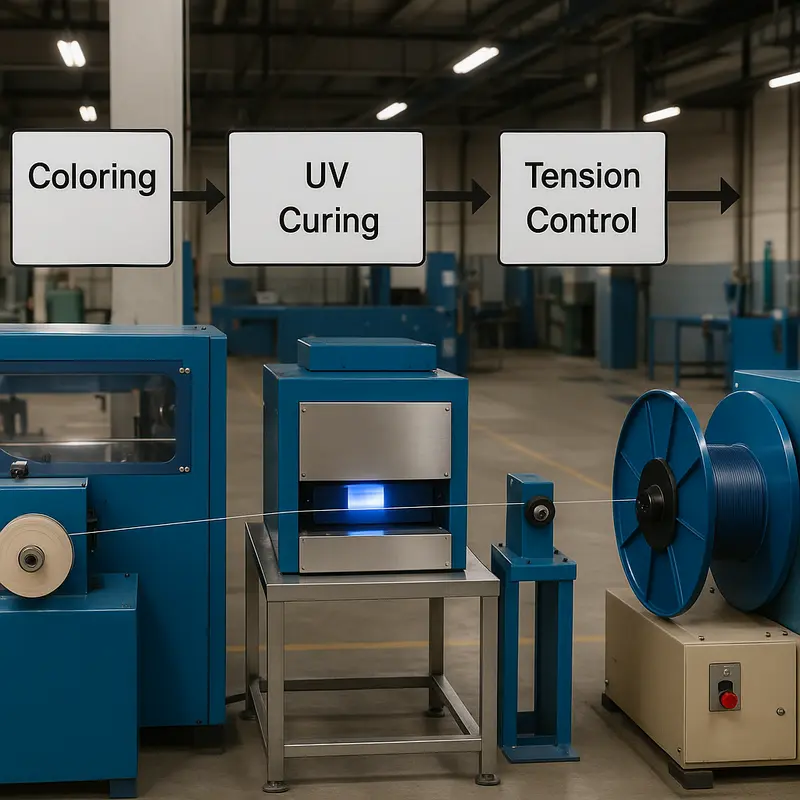
Efficiently setting up an optical fiber coloring and rewinding line requires a thorough comprehension of its workflow. This cohesive sequence of steps ensures the optical fibers achieve consistently high-quality coloring while being prepared for subsequent deployment. Understanding these processes is critical for maintaining production standards and minimizing errors that could impact performance.
Core Processes in Fiber Coloring and Rewinding
The workflow begins with the delivery of optical fibers from previous manufacturing stages, such as drawing or coating. Fibers are carefully wound on reels—a process that demands precision to avoid tension fluctuations or inconsistencies that may damage the fiber surface. From there, the coloring phase commences.
Fiber Coloring: Coloring optical fibers serves multiple purposes, primarily aiding identification during cable assembly and installation. This step employs specialized equipment to uniformly apply UV-curable inks to the fiber surface. Key parameters like ink viscosity, curing duration, and application speed are finely tuned to match operational requirements. To produce crisp, durable, and clearly distinguishable markings, the line must maintain precise calibration throughout the process.
Curing Process: Once ink application is completed, the fibers are routed through curing ovens or chambers that utilize ultra-violet light. This hardens the ink into a durable finish resistant to environmental stressors. The curing speed impacts throughput efficiency and must be aligned with the ink’s properties to prevent cracking or peeling during winding.
Controlled Rewinding Mechanisms
After coloring, the fibers advance to the rewinding phase. This step is critical for preparing optical fibers for later deployment in cable production lines. Fibers are rewound onto spools or reels of varying sizes, depending on operational needs. Ensuring consistent tension throughout this process is essential to preserve the fiber’s structural integrity.
Advanced tension control systems are often integrated into rewinding machines for this purpose. These systems regulate winding speed, mitigate stress on delicate fibers, and reduce the risk of breaking or deforming. Operators must periodically inspect reels and adjust settings to align with production targets.
Automation and Monitoring
Modern setups typically employ automation technology to streamline workflows, from coloring application to rewinding. Automated monitoring systems utilize sensors and cameras to measure fiber dimensions, detect imperfections, and guarantee quality consistency across batches. These systems also enable real-time adjustments, reducing wastage and ensuring adherence to customer specifications.
To further optimize the efficiency and reliability of your optical fiber production line, it's worth exploring advanced machinery options for coloring and rewinding. For insights on factors impacting machinery selection, visit how to choose cable production lines.
An optimized workflow not only ensures smooth operation within the coloring and rewinding line but also contributes significantly to the fiber’s readiness for subsequent manufacturing processes. By continually refining these steps through technology and personnel training, your setup can achieve exceptional productivity and precision essential in modern optical fiber production industries.
Ensuring Safety in Setting Up an Optical Fiber Coloring and Rewinding Line
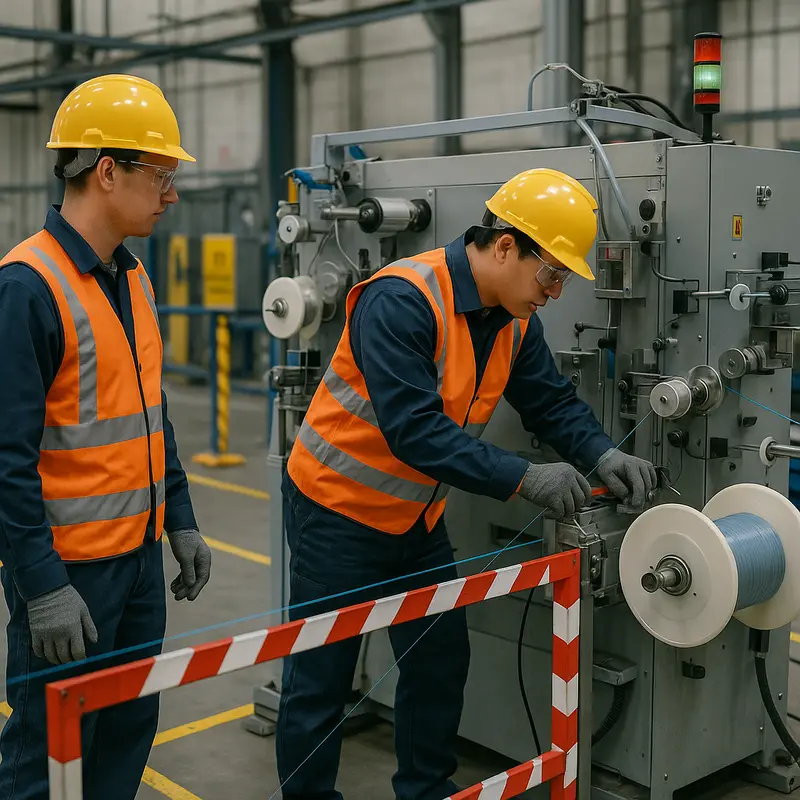
Safety is paramount in the setup of an optical fiber coloring and rewinding line. It protects workers, preserves equipment, and ensures smooth operations without costly interruptions. While technical expertise governs much of the installation process, adhering to stringent safety guidelines is equally critical. Without a robust safety protocol, the likelihood of accidents, equipment damage, or compromised product quality increases exponentially.
Pre-Setup Risk Assessments
The foundation of a safe setup begins with thorough risk assessments. Inspect the work area for potential hazards like unsecured machinery, uneven surfaces, or inadequate ventilation. Optical fiber processing involves precision machinery that may operate at high speeds or temperatures—any oversight can quickly escalate into a dangerous situation. Evaluate the environment for compliance with local industry safety standards, ensuring electrical systems, fire-prevention measures, and emergency exits are in place. This initial step mitigates risk and fosters a safety-first culture throughout the workspace.
Safety Training and Protective Gear
Workers assigned to the setup must receive comprehensive training tailored to the optical fiber coloring and rewinding process. Beyond technical instructions, emphasize hazard recognition and response procedures. For example, fibers under tension may snap and cause injuries, or spilled chemicals used in fiber coloring may pose health risks. Staff should be equipped with necessary protective gear, including gloves, safety goggles, and heat-resistant uniforms where needed.
Training also extends beyond physical safety. Educate workers on the nuances of optical fiber manufacturing, such as handling fragile fibers to prevent damage. Mistakes in this phase can compromise the coloring and rewinding process further down the line, leading to waste and rework.
Machinery Safety Protocols
Optical fiber coloring and rewinding lines involve sophisticated machinery such as tension controllers, coloring units, and spool winding systems. All equipment must undergo an initial inspection to confirm operational readiness. Install protective barriers around hazardous components like spinning spools or heated dye applicators to prevent accidental injuries. Moreover, integrate emergency stop mechanisms in easily accessible locations for rapid response in case of malfunction.
Clear signage is vital to communicating machinery hazards in real-time. Labels indicating warning zones, high temperatures, or moving parts create awareness among operators. Always follow manufacturer guidelines regarding machine settings and compatibility to avoid overloading or incorrect usage.
Environmental Safety Considerations
Maintaining a safe environment also involves managing external factors like temperature, humidity, and airflow that could impact operations. For instance, insufficient ventilation near chemical treatment areas can lead to harmful exposure. Position air filtration systems near coloring units and ensure regular maintenance of these systems. Additionally, maintain optimal lighting throughout the workshop to minimize errors or missteps during handling.
An often-overlooked safety factor is cleanliness. Regularly clearing fiber debris, chemical residues, and dust not only protects workers but ensures machinery operates efficiently. A clean workspace contributes significantly to safety and productivity.
For further insights into crafting a well-thought-out workshop layout, consider exploring this guide on fiber optic workshop design, which provides tips on optimizing safety and efficiency.
Conclusion
Ensuring safety during the setup of an optical fiber coloring and rewinding line is more than a checklist—it’s an ongoing commitment. By prioritizing risk assessments, worker training, machinery protocols, and environmental management, you lay the foundation for a secure and productive workspace. Incorporating safety at every step not only safeguards personnel but contributes to the long-term success of the line.
Ensuring Precision: Quality Control in Optical Fiber Coloring and Rewinding
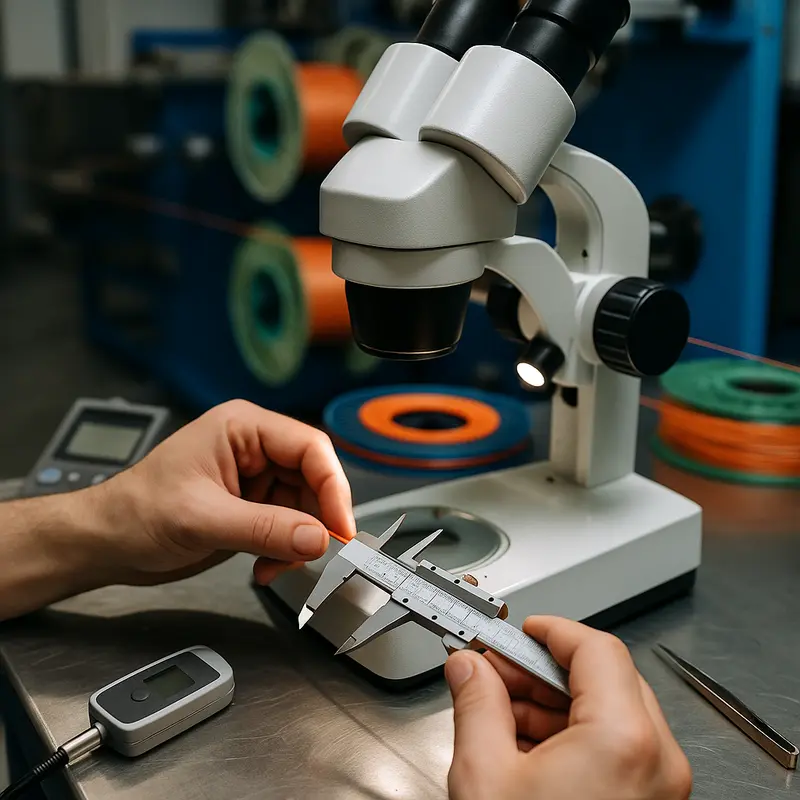
Maintaining the highest standards of quality in the optical fiber coloring and rewinding process is critical to ensuring the integrity and performance of the fiber optic cables produced. Quality control acts as the backbone of any optical fiber production line, preventing defects, ensuring compliance with industry standards, and ultimately safeguarding both the reputation of the manufacturing entity and the performance of its products. Achieving these results, however, requires a systematic approach to monitoring and verifying every phase of production.
The Significance of Structured Inspection Protocols
During optical fiber coloring, precision is paramount. Poorly executed coloring can lead to identification errors in the field, complicating installation and maintenance procedures. Rewinding processes, too, must be executed seamlessly to avoid issues such as uneven tension, fiber damage, or poorly wound spools—all of which can disrupt downstream operations. Structured inspection protocols, established at the outset, help mitigate these risks. By implementing checkpoints at key stages—before, during, and after coloration and rewinding—a factory can prevent small imperfections from escalating into costly production errors.
Advanced monitoring systems are instrumental in enhancing these inspections. Tools such as automated optical scanners verify the consistency of the fiber’s diameter and detect irregularities in coloring patterns. Additionally, tension control devices monitor rewinding processes, identifying deviations in spool tension that might compromise the usability of the final product.
Environmental and Material Considerations
Environmental factors such as temperature, humidity, and cleanliness have a profound influence on the production quality. Optical fibers are highly sensitive to contamination, and even minor dust particles can lead to performance flaws. Regular environmental assessments and maintenance—such as air filtration systems and routine cleaning schedules—help maintain optimal production conditions. Similarly, material quality should undergo rigorous verification. From the dyes used in coloring to the spools employed in rewinding, every component must meet predefined standards to achieve consistent results.
Collaboration with suppliers is vital in this regard. Establishing long-term relationships and conducting supplier audits ensures the consistency of materials received. Should a material defect arise, immediate traceability to the supplier can expedite resolution, preventing wider disruption.
Feedback Loops and Continuous Improvement
Quality control is not a one-time effort but an ongoing cycle. Feedback loops involving process analytics, employee oversight, and customer reviews ensure continuous improvement. Employees trained in proper inspection techniques contribute directly to operational accuracy. Moreover, advanced production analytics identify areas for fine-tuning—whether it’s adjusting coloration uniformity or recalibrating tension controls.
Ultimately, the pursuit of quality in optical fiber coloring and rewinding aligns both technical excellence and customer satisfaction. Manufacturers investing in robust quality control mechanisms will pave the way for scalable, reliable production lines.
For more insight into related processes, read about controlling fiber cable extrusion.
Balancing Efficiency and Cost: Economic Planning for Optical Fiber Coloring Lines
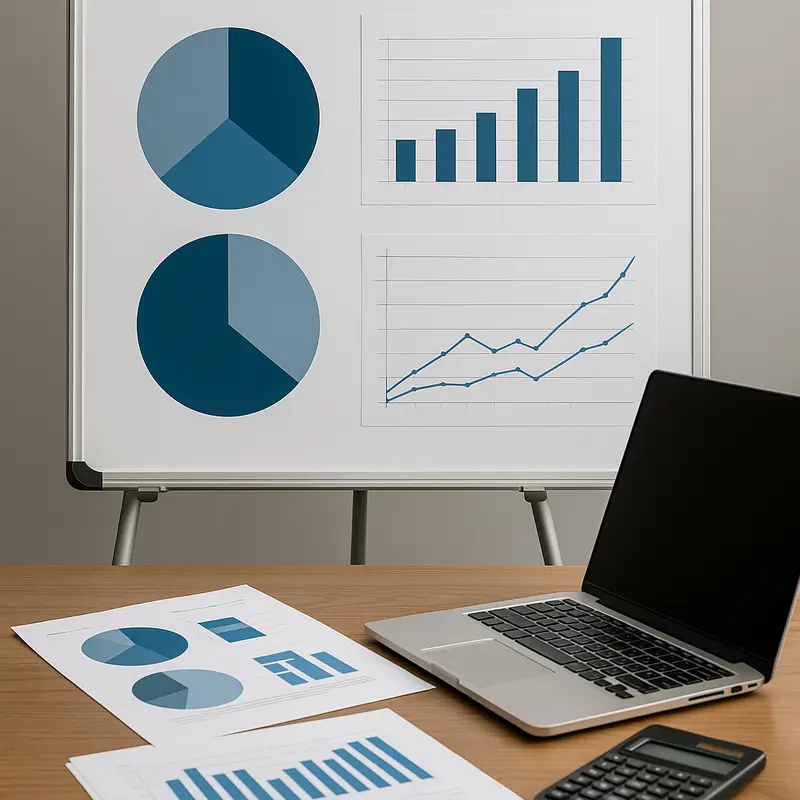
Setting up an optical fiber coloring and rewinding line is not merely a technical endeavor; it also involves careful economic planning to ensure the investment yields sustainable returns. From equipment procurement to operational scalability, balancing cost and efficiency is critical to achieving a robust manufacturing process.
Initial Capital Expenditure and Scalability
The first significant economic consideration is the initial capital investment required for the setup. Key components such as coloring machines, rewinding units, and fiber tension controllers must not only meet production requirements but also align with budgetary constraints. Manufacturers often face decisions between high-end equipment with advanced automation features and simpler, manual options with lower upfront costs. While automation generally demands higher initial outlays, its long-term cost benefits—through reduced labor expenses and enhanced production consistency—are noteworthy.
It is also vital to assess scalability from the outset. Purchasing modular equipment allows for future upgrades without necessitating complete system redesigns. This approach enables businesses to start on a smaller scale and expand operations as demand increases. However, if scalability isn’t adequately planned, the business risks overextending its budget or becoming constrained by outdated infrastructure.
Operational Costs and Resource Allocation
Beyond setup costs, operational expenses play a crucial role in economic planning. Regular maintenance, energy consumption, and raw materials like optical fibers, inks, and coatings add recurring charges that can strain budgets if not carefully managed. For example, selecting energy-efficient machinery can significantly lower utility costs, while opting for reliable, high-quality consumables can reduce wastage and downtime.
Labor is another cost factor that must be balanced effectively. An ideal optical fiber production line should optimize staffing levels, integrating automation where practical to reduce reliance on manual operators. However, underestimating the importance of skilled technicians for handling complex processes and troubleshooting can lead to costly production delays.
One economical approach to material handling is leveraging bulk purchasing agreements for essential supplies. Vendors often offer discounts for high-volume orders, reducing per-unit costs, though this requires sufficient storage capacity and supply chain coordination.
Space Utilization and Utility Management
Efficient space utilization directly impacts operating costs. Overly expansive manufacturing layouts can lead to increased utility bills and inefficient workflows. Designing a compact, optimized workshop layout not only minimizes energy expenses but also enhances productivity. Strategic planning in the placement of machines, storage zones, and workstations ensures smoother operations and reduced risk of bottlenecks.
Utilities such as electricity, water, and air conditioning can represent substantial ongoing financial burdens if mismanaged. Implementing energy-saving measures—like LED lighting, advanced HVAC systems, and real-time consumption monitoring—helps control these expenses. For further insights into utilities management for fiber optic factories, read this guide on plant utilities.
Economic Risks and Contingency Budgeting
No large-scale project is free from financial risks, and an optical fiber coloring line setup is no exception. From unexpected equipment failures to fluctuating raw material prices, economic disruptions can challenge even the most well-prepared plans. It is prudent to establish a contingency budget proportional to the initial investment, ensuring critical operations continue unimpeded during unforeseen events.
Finally, securing sustainable financing or alternative funding mechanisms—such as grants or loans geared toward manufacturing—is essential for businesses aiming to reduce upfront strain and gain operational flexibility.
By considering these economic factors comprehensively, manufacturers can balance efficiency and costs effectively, laying the groundwork for profitable long-term operations in the optical fiber industry.
Final thoughts
Setting up an optical fiber coloring and rewinding line requires careful attention to technical, operational, and financial details. By investing in reliable equipment, following an efficient workflow, adhering to robust safety and quality protocols, and planning for long-term economic sustainability, businesses can ensure successful production outcomes. Telecom project managers, production leaders, and investors can leverage this guide to navigate challenges and seize opportunities in the booming fiber optic industry. With the right approach rooted in precision and foresight, your production line can meet the highest standards of performance and profitability.
Contact AIMIFIBER for FTTH cable, patch cord, and pre-terminated fiber optic solution support, OEM/ODM service, and practical product advice.
Learn more: https://aimifiber.com/contact-us/
About us
AIMIFIBER provides pre-terminated fiber optic solutions, FTTH drop cables, patch cords, pigtails, FTTA products, and customized fiber assemblies for telecom and data center projects.