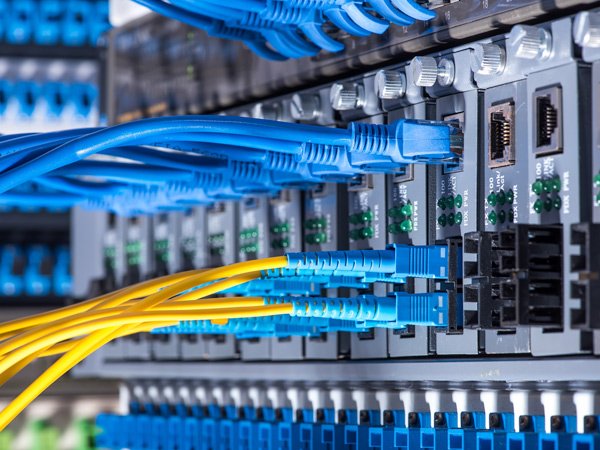
Running a fiber cable factory goes beyond simply manufacturing cables; it demands a deep understanding of technical processes, operational management, and industry trends. From catering to ISP procurement needs to meeting investor expectations, success in this domain requires a unique blend of knowledge and expertise. This article explores the critical skills needed to operate efficiently in the fiber cable manufacturing sector. We will delve into the technical intricacies of production, the role of safety and quality assurance protocols, and the economic and logistical nuances of facility management. Additionally, we’ll explore the importance of adopting emerging technologies to stay ahead in this highly competitive market. Each section provides a detailed and actionable overview, tailored to meet the needs of project managers, engineers, and investors alike.
The Critical Technical Expertise Behind Fiber Cable Manufacturing
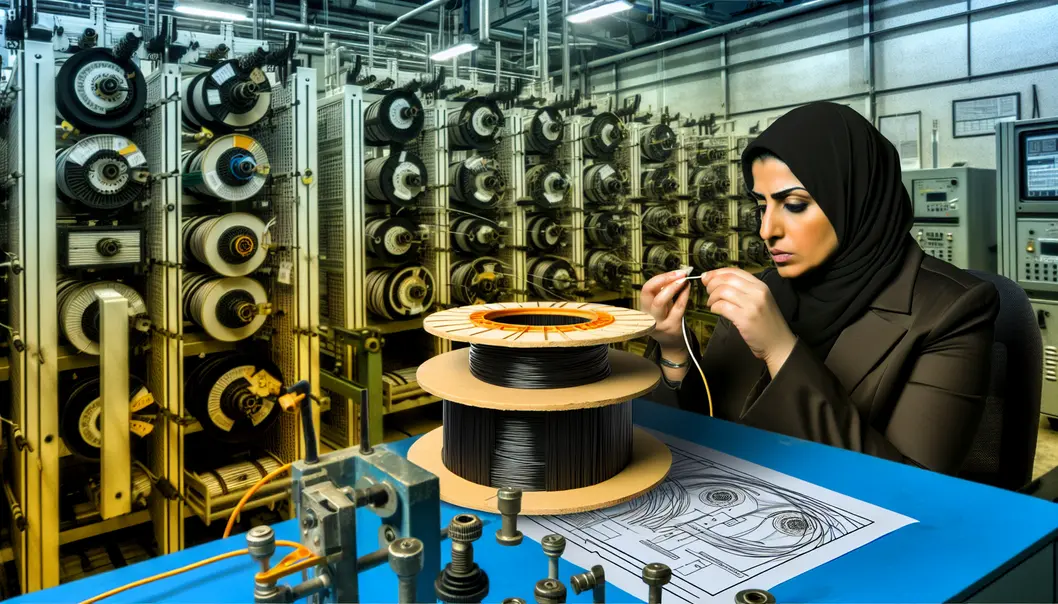
Fiber cable manufacturing stands as a technical marvel, integrating precision engineering, scientific understanding, and specialized skills to produce high-performance cables essential for modern connectivity. Successfully running a fiber cable factory demands expertise in multiple domains, which collectively ensure quality, efficiency, and adherence to industry standards.
Specialized Knowledge in Fiber Optics
At the core of fiber cable manufacturing lies an in-depth understanding of fiber optics technology. This includes familiarity with light transmission properties, refractive index optimization, and attenuation control to maximize cable efficiency. Engineers must design cables capable of maintaining signal strength over vast distances while minimizing loss. Knowledge of wavelength specificities and dispersion management is pivotal, especially for higher-speed networks like FTTH (Fiber-to-the-Home).
Materials science is equally crucial. Selecting appropriate glass and polymer components ensures durability, flexibility, and resistance to environmental factors. This expertise helps manufacturers address specific needs like fire resistance or UV protection in outdoor applications. The balance between material quality and cost plays a significant role, especially in competitive markets, as discussed in fiber cable production costs.
Engineering Proficiency
Fiber cable manufacturing demands engineering precision across various stages, from material preparation to final assembly. The extrusion process, used to create the protective cable sheath, requires strict control over temperature and pressure to achieve uniformity and prevent defects. Likewise, the drawing tower operation, where optical fibers are elongated and treated, requires expertise in maintaining exacting tolerances to ensure high performance.
Technicians must also be proficient in machine maintenance and calibration. Regular adjustments to drawing ovens, stranding machines, and jacketing equipment prevent faults that could compromise cable integrity. Understanding high-speed automation systems is key to optimizing production rates without sacrificing quality.
Quality Control and Industry Standards
Ensuring compliance with industry standards is non-negotiable for fiber cable factories. Technicians must be well-versed in testing methodologies, such as tensile strength evaluation, bandwidth measurements, and environmental resistance tests. Meeting benchmarks such as the EU CPR LSZH standards for reduced toxicity during fires is essential in certain markets. For a deeper understanding of these standards, refer to EU CPR LSZH test report.
Operators in the factory must also possess analytical skills to interpret data from testing equipment and spot trends that indicate potential issues. Data-driven adjustments contribute directly to better product outcomes, reducing waste and downtime.
Modern Adaptations in Manufacturing
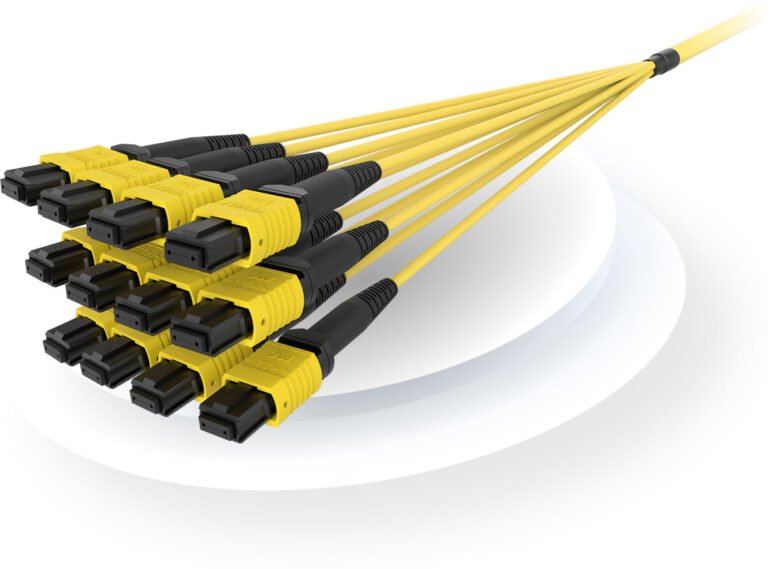
The evolving fiber market necessitates staying updated with trends in fiber types, such as G657A2 or G652D, and anticipating future technologies. Integrating sustainable practices and leveraging innovations—like pre-terminated systems—are vital to maintaining competitiveness.
In conclusion, running a fiber cable factory is a multi-disciplinary endeavor requiring a fusion of technical expertise, engineering mastery, and adherence to industry benchmarks. These skills ensure not just operational success but also a commitment to delivering world-class connectivity solutions tailored to market demands.
Navigating the Inner Workings of Fiber Cable Production: Processes, Precision, and Efficiency
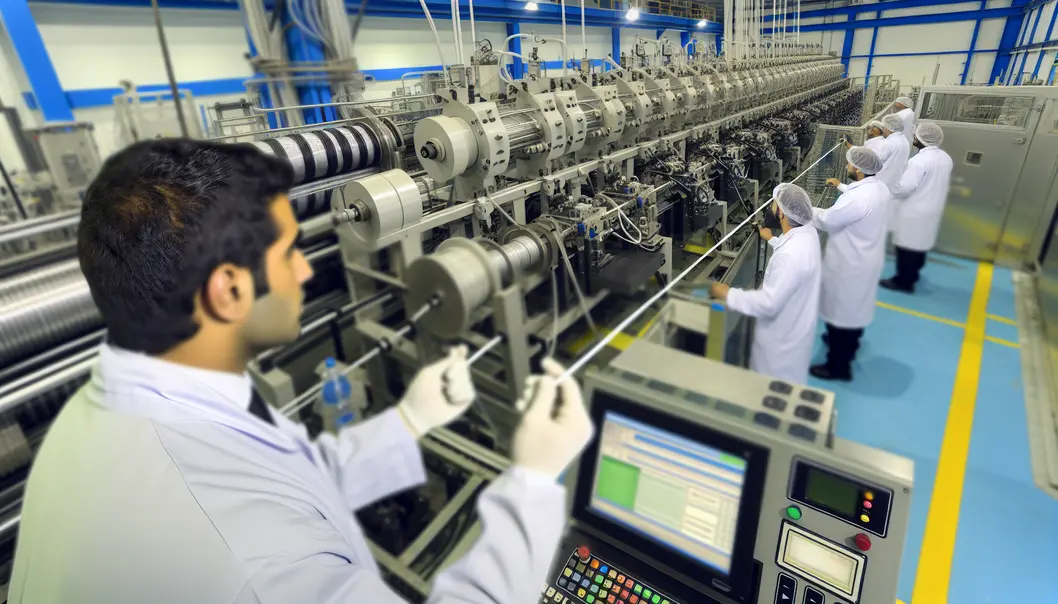
The production processes within a fiber cable facility form the backbone of manufacturing operations. Understanding these intricate procedures is essential to ensure not only efficiency but also the quality of the final product. Fiber cable production involves highly specialized steps that demand a combination of technical proficiency, meticulous planning, and precision engineering.
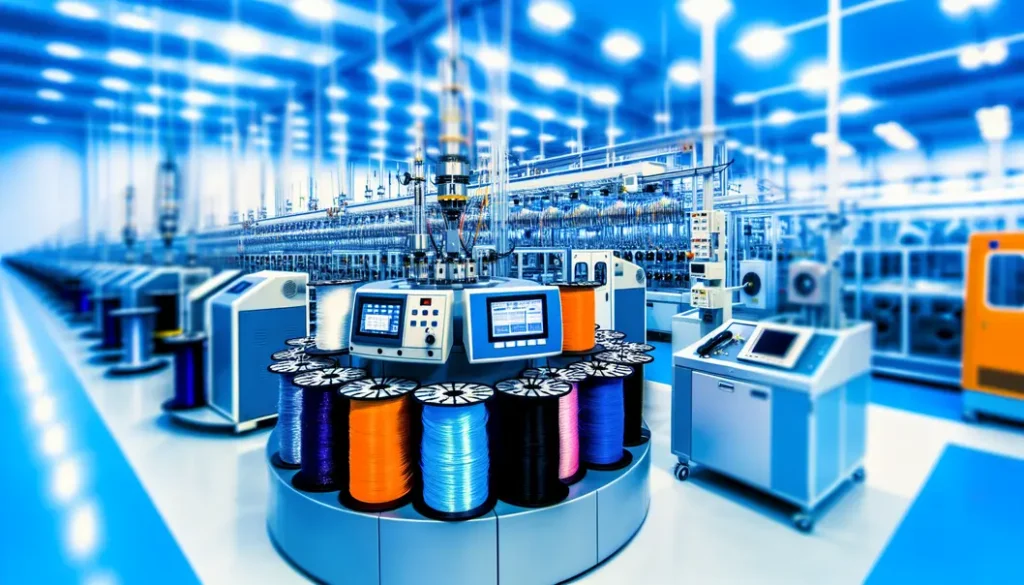
At its core, manufacturing fiber cables begins with the preparation of optical fibers—the heart of the cable itself. Optical fibers are derived from ultra-pure glass or plastic materials, crafted to transmit light signals over long distances with minimal loss. The process starts with fiber preform manufacturing, where glass rods undergo a combination of chemical vapor deposition and controlled thermal treatment to achieve the desired specifications. This step crucially determines the transmission performance of the cable, making it one of the most technical and demanding stages of the entire operation.
Once the optical fibers are crafted, the next stage involves drawing the fibers. Drawing requires fibers to be elongated and thinly stretched from the preform under strict temperature and tension control. Machinery designed for this task must maintain exceptionally precise speeds and temperatures to prevent damage and ensure consistent fiber quality. As the fibers cool, coatings are applied to protect them from environmental degradation, such as moisture and physical stress, solidifying their durability without compromising flexibility.
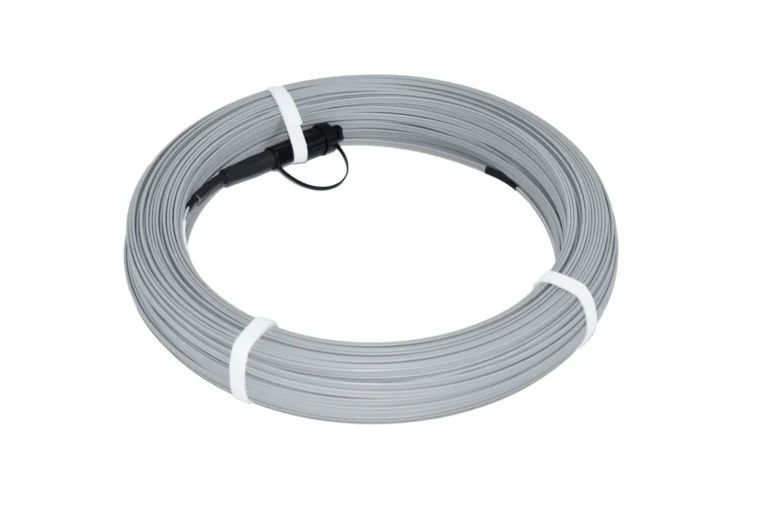
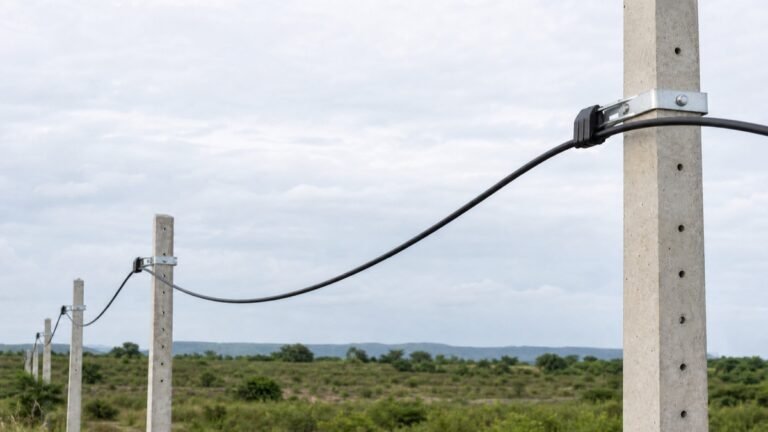
Following the fiber-drawing phase, the bundling and cabling process integrates multiple fibers into a cohesive structure based on the desired cable model—be it single-mode or multi-mode. This step may also include incorporating different protective sheaths and jackets depending on whether the cable is intended for indoor, outdoor, aerial, or duct installation. Learn how various installation scenarios impact fiber cable design.
Testing and quality assurance are integral to every production stage. As cables are assembled, stringent measurement protocols assess critical parameters such as attenuation, tensile strength, and temperature resistance. These tests ensure compliance with industry standards and certify the cables can perform reliably even under demanding environments.
Another pivotal aspect of fiber cable production involves efficiency optimization. Advanced factory layouts are often designed to streamline workflow, minimize material waste, and maximize output without compromising quality. Automation plays a key role here, leveraging robotics and artificial intelligence for repetitive tasks that demand high precision. The integration of sophisticated monitoring systems further ensures that any anomalies during production are promptly addressed.
Ultimately, running a fiber cable factory requires a thorough grasp of these processes and their interdependencies. Any missteps in one stage—whether due to insufficient technical expertise or suboptimal machinery—can cascade into larger challenges affecting both product quality and operational costs. Thus, deep technical knowledge of production processes is arguably the most vital skill for any factory manager or operator aiming for excellence in this high-tech industry.
Ensuring Excellence: Quality Assurance and Safety Protocols in Fiber Cable Production
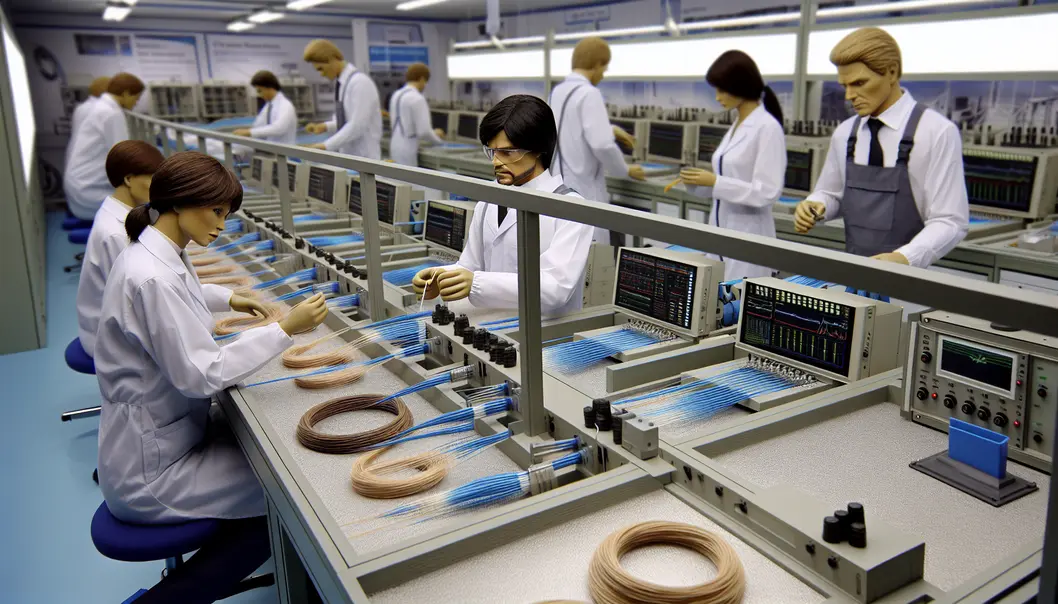
Ensuring consistent quality and safety is paramount in any fiber cable manufacturing facility. The processes involved in fiber optic cable production are intricate, and maintaining high standards requires a carefully structured approach. Effective implementation of quality assurance (QA) and safety protocols not only safeguards the workforce but also strengthens a company’s reputation for reliability—a vital aspect in a competitive market.
Establishing Clear QA Mechanisms
One of the cornerstones of managing a fiber cable production line is the establishment of robust quality assurance checkpoints. The manufacturing process involves numerous stages, from material preparation to finished product inspection. At each step, parameters like tensile strength, attenuation, and environmental durability must be rigorously tested. Implementing in-line monitoring systems during production helps detect anomalies in real time, reducing waste and preventing potential defects from reaching the assembly stage.
Periodic audits and predefined sampling protocols further enhance quality control. Randomized testing of batches ensures consistency and highlights trends that might indicate process inefficiencies. To meet international standards, such as ISO 9001, manufacturers must document every stage of their QA processes, including calibration records for testing equipment and compliance certifications for input materials. By fostering a culture of documentation, it is easier to track problems back to their source and make data-driven improvements.
The Role of Safety in Operational Efficiency
Running a fiber cable factory involves handling high-precision machinery, chemical coatings, and occasionally hazardous materials. Without a thoroughly designed safety framework, these elements pose risks to both employees and the operational workflow. Ensuring workplace safety starts with comprehensive training programs. Employees must be well-versed in identifying risks, operating complex machinery, and adhering to material handling guidelines.
Safety protocols include maintaining safe distances from high-voltage equipment, using proper personal protective equipment (PPE), and adopting ergonomic practices in workstation design to reduce repetitive strain injuries. For example, creating systematic workflows reduces crowding in production areas and minimizes the likelihood of accidents. Collaboration between safety officers and operational managers is essential for tailoring these protocols to industry-specific challenges.
Leveraging Technology for Enhanced QA and Safety
Harnessing modern technologies, such as automated optical inspection tools and IoT-enabled sensors, is instrumental in improving oversight. Automated tools ensure that microscopic flaws—such as surface irregularities or signal transmission inconsistencies—are detected early. Meanwhile, sensors on machinery provide real-time feedback that can prevent overheating, breakdowns, or operational deviations that might compromise safety.
Digital safety systems also provide valuable tools for emergency response. Automated alerts triggered by unusual activity, such as chemical leaks or excessive vibrations from equipment, can significantly reduce the time taken to mitigate risks. Factories embracing digital upgrades position themselves ahead of the curve in both safety and market competitiveness.
For further insights into how safety-oriented layouts contribute to operational efficiency, review the fiber-optic workshop layout guide. Thoughtful design decisions complement both worker safety and quality assurance efforts.
Closing the Loop Between QA and Safety
Ultimately, success in fiber cable manufacturing depends on the seamless integration of quality assurance and safety measures. These two elements, though seemingly distinct, reinforce one another: safe environments enable workers to function optimally, which, in turn, ensures adherence to quality protocols. By prioritizing these aspects, manufacturers can confidently deliver high-performance products while protecting both employees and organizational integrity.
Mastering Economic and Logistical Expertise to Optimize Fiber Cable Factory Operations
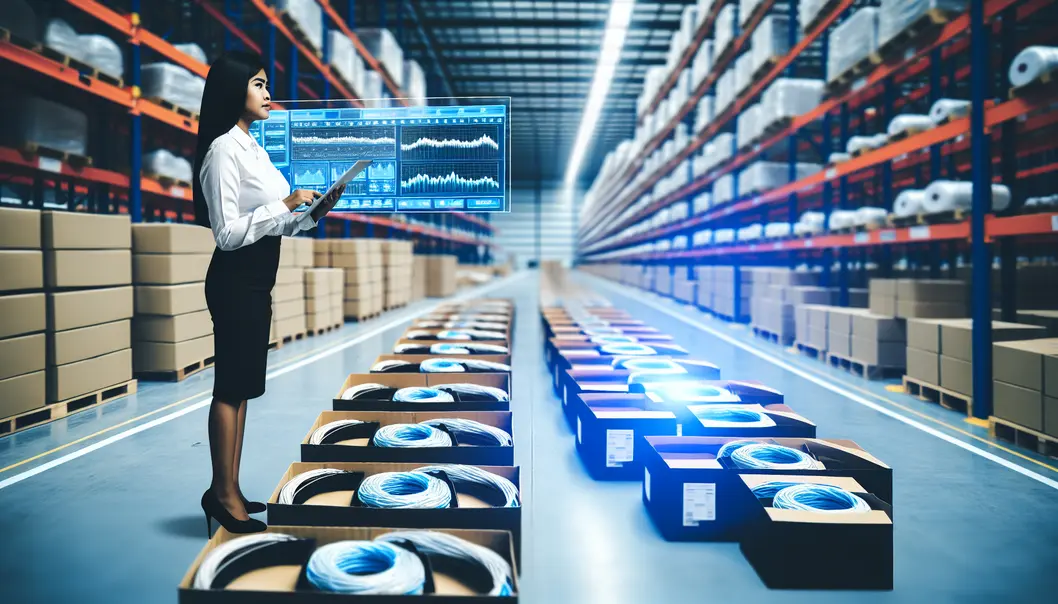
Efficiently running a fiber cable factory requires more than technical prowess; it demands a deep understanding of economic principles and logistical strategies to ensure seamless operations, profitability, and growth. The intricate processes involved in manufacturing fiber optic cables—from raw material procurement to final product delivery—hinge on the ability to strategically manage resources, costs, and supply chain dynamics.
Streamlining Cost Management for Profitability
Economic skills are critical to balancing the costs associated with fiber cable production and maintaining competitive pricing in a rapidly evolving market. Factory operators must first develop an accurate cost model that accounts for material expenses, labor costs, machinery upkeep, and energy consumption. For instance, understanding production cost structures—such as those detailed in fiber cable production cost—can provide insights into optimizing manufacturing budgets without compromising product quality.
In addition to internal cost efficiency, attention to external market conditions is necessary. Fluctuating prices of core materials like optical fibers can significantly affect production budgets. Careful monitoring of fiber price trends, whether through local or global markets, allows manufacturers to anticipate changes and adjust procurement strategies accordingly.
Factories also benefit from leveraging economies of scale. Large-scale manufacturing can lower per-unit costs by maximizing operational efficiency. This requires precise planning of production volumes, ensuring consistency in demand and supply chain capacity to avoid bottlenecks or excess inventory.
Logistical Expertise for Seamless Operations
Logistical skills serve as the backbone of factory operations by enabling smooth processes and timely delivery. At the heart of logistics lies supply chain optimization. From procuring raw materials to dispatching finished products, maintaining a steady flow of resources is imperative. Strategic supplier relationships can mitigate risks of shortages while ensuring cost-effective material sourcing.
Internally, the layout and workflow of the factory play a key role in logistics. A well-designed factory layout minimizes movement inefficiency, reduces labor strain, and enhances productivity. For example, the insights shared in fiber optic workshop layout demonstrate how maximizing spatial arrangements supports streamlined operations.
Moreover, logistical planning extends beyond the factory walls. Shipment of fiber cables requires partnerships with reliable transport providers who can ensure timely delivery while safeguarding delicate products. Operators must also anticipate supply chain disruptions—be it due to global events or seasonal changes—and create contingency plans to prevent business interruptions.
Integrating Economic and Logistical Strategies for Sustainability
Ultimately, a factory’s success relies on integrating economic and logistical expertise into a cohesive operational system. By aligning cost controls with supply chain efficiency, operators can maintain stability in the present while laying a foundation for future scalability. Mastering these skills not only supports day-to-day operations but also enhances adaptability, helping businesses remain competitive in the ever-changing fiber optic industry.
Harnessing Innovation: Embracing Emerging Technologies in Fiber Cable Manufacturing
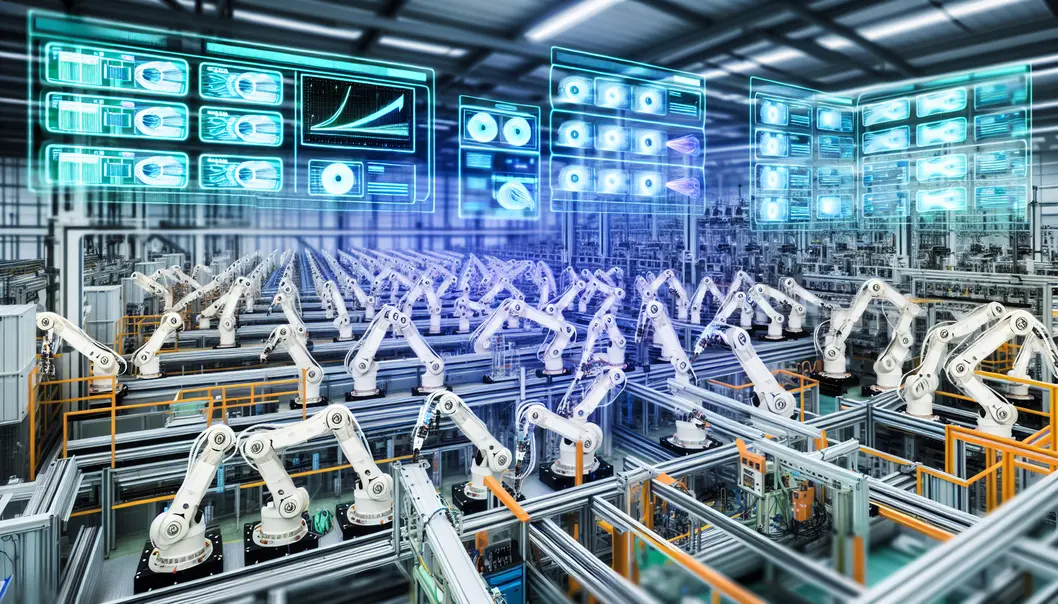
The fiber cable manufacturing industry is no stranger to the relentless pace of technological advancement. In a sector where precision and efficiency govern outcomes, integrating emerging technologies has become a cornerstone for modernization. This evolution isn't merely about adopting new tools or machinery—it’s about reimagining processes, elevating productivity, and remaining competitive in a digitally-driven landscape.
Automation and Smart Equipment
The first step in modernizing a fiber cable factory is the adoption of automated systems and smart equipment. These technologies not only streamline operations but also reduce human error, resulting in higher consistency and quality. For instance, automated optical fiber drawing machines coupled with AI-assisted monitoring systems can deliver uniform cables under strict tolerances without requiring constant manual oversight. Similarly, integrating IoT-enabled sensors into the production workflow allows real-time monitoring of critical metrics, such as tension, temperature, and production velocity. These systems not only improve efficiency but also alert operators to potential issues before they escalate, reducing downtime and maintenance costs significantly.
Digital Twins and Simulation Models
Another transformative technology reshaping fiber cable manufacturing is the use of digital twin simulations. By creating virtual replicas of production facilities, manufacturers can test and optimize workflows without interrupting live operations. This simulation technique helps identify bottlenecks, gauge material consumption, and predict maintenance needs—all with incredible accuracy. The result is a production environment that is not only better optimized but also more adaptable to unexpected challenges. Digital twins further enable predictive analysis, which helps managers prepare for future demands and reduce inefficiencies throughout the lifecycle of equipment.
Rising Role of Sustainability-Driven Technologies
Sustainability is rapidly becoming a high priority in modern fiber manufacturing, and emerging technologies are instrumental in reducing environmental impact. By leveraging renewable energy sources and energy-efficient machinery, factories can lower their carbon footprint. Material optimization technologies ensure minimal waste during production while next-generation recycling systems allow unused fibers or cable materials to be repurposed effectively. Discussions around pre-terminated fiber solutions—a concept addressed in sustainable data center cabling—highlight how streamlined designs and processes directly contribute to not only operational gains but also sustainability.
Future-Proofing with AI and Machine Learning
Perhaps the most revolutionary integration in fiber cable manufacturing lies in artificial intelligence and machine learning applications. From demand forecasting to supply chain optimization, AI algorithms inject smarter decision-making into manufacturing processes. Machine learning models, trained on historical production data, guide operators on improving yields, while AI-powered robotics execute assembly tasks with unmatched precision. These technologies not only ensure factories remain productive but also future-proof operations against evolving market demands.
Integrating emerging technologies into fiber cable manufacturing is no longer an optional enhancement—it’s an essential blueprint for staying relevant and competitive. As the industry focuses on modernization, adopting automation, digital simulations, sustainable approaches, and AI-driven intelligence will undoubtedly set the stage for unparalleled growth.
Final thoughts
Successfully running a fiber cable factory requires a mix of technical expertise, operational knowledge, and adaptability to new technology. By mastering production processes, upholding stringent safety standards, and optimizing logistics, industry leaders can ensure smooth and profitable operations. Furthermore, embracing innovation and emerging technologies plays a crucial role in staying relevant and competitive. Whether you’re an investor, engineer, or manager, the path to success in fiber cable manufacturing involves continuously enhancing your skillset and aligning operations with market demands.
Contact AIMIFIBER today for expert support in fiber optic solutions, including FTTH cables and OEM/ODM services for your telecom projects.
Learn more: https://aimifiber.com/contact-us/
About us
AIMIFIBER specializes in pre-terminated fiber solutions, FTTH drop cables, patch cords, pigtails, and customized assemblies. Supporting telecom, ISP, and data center projects, AIMIFIBER ensures top-tier product quality and tailored services to meet dynamic industry needs.